Archaeologists Discover Ancient Spanish Stone With Two Mysterious Symbols Scientists Cannot Explain
A mysterious granite stone discovered in Galicia features unexplained carvings, sparking a debate among experts about its origins and ancient connections.
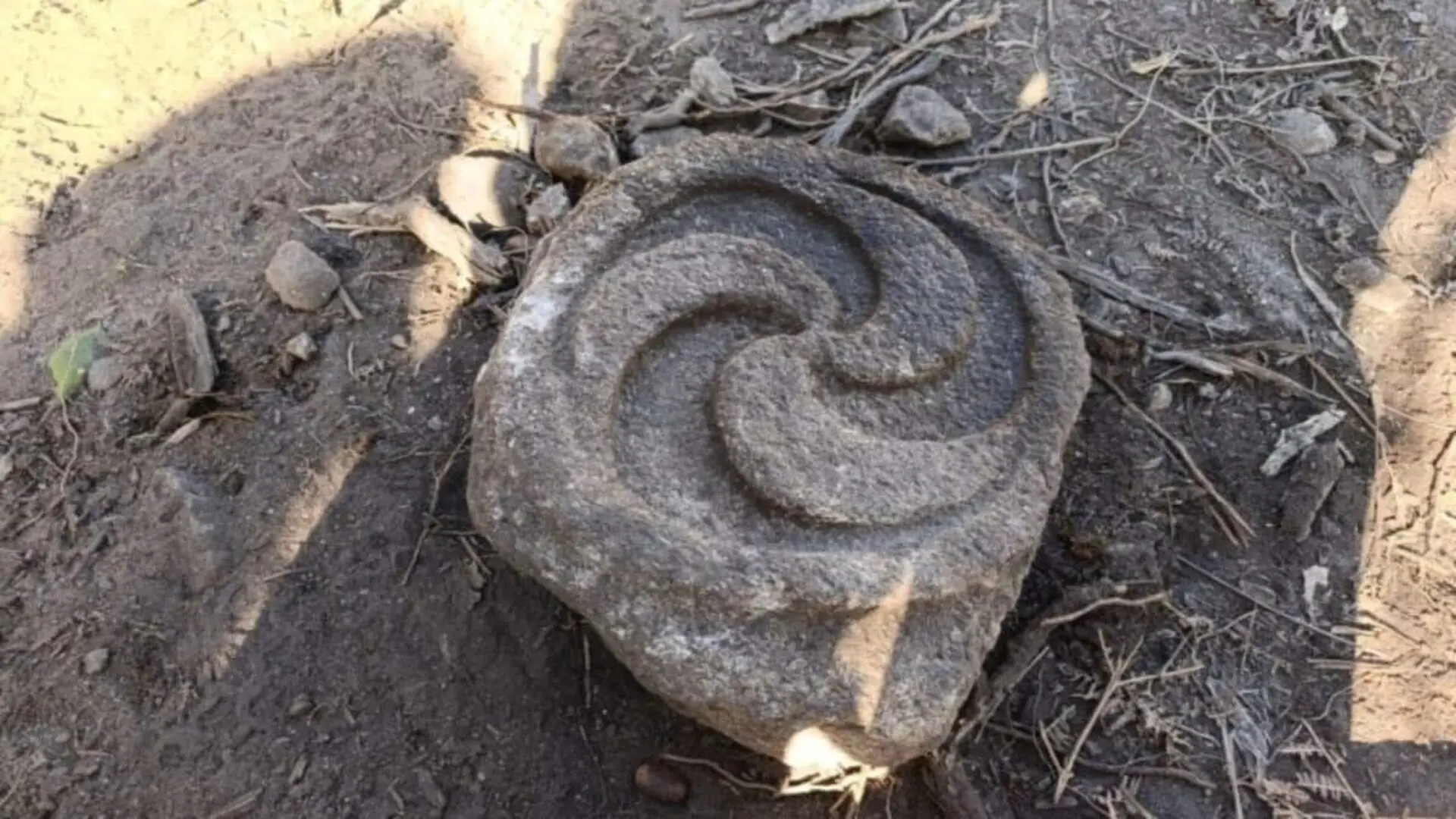
Archaeologists working at the Castro do Pico da Bandeira settlement in Galicia, Spain, have uncovered a granite artifact that challenges current understandings of local Iron Age symbolism. The stone, recovered from the ruins of a large circular structure near A Guarda, features two distinct carvings on opposite faces, sparking a debate among researchers regarding the timeline and intent behind its creation.
The primary side of the slab features a well-preserved, finely executed triskelion—a quintessential Celtic motif composed of three interlocking spirals radiating from a central point. The precision of the carving suggests a high degree of craftsmanship, likely shielded from environmental degradation for centuries by the collapsed remains of the building where it was discovered.
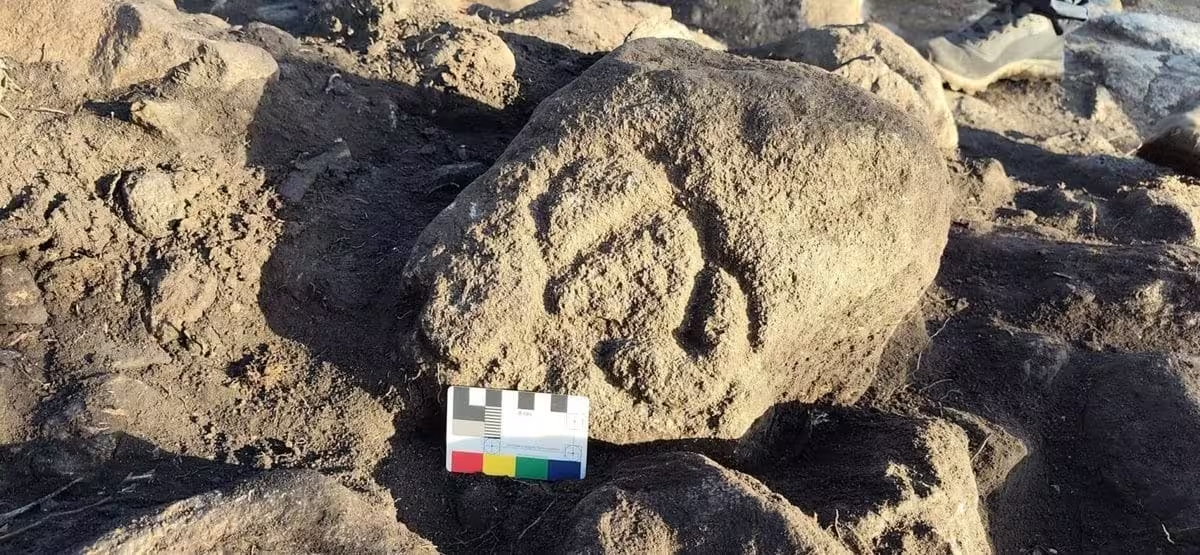
However, the reverse side presents a starkly different aesthetic. It contains a cruder, enigmatic petroglyph that has yet to be identified or linked to known regional traditions. As reported by the Spanish site Info Gauda, the discovery forces historians to consider whether the stone was a dual-purpose object or if it was repurposed long after its initial engraving.
The uncertainty surrounding the artifact is deepened by the site’s chronology. The building where the stone was unearthed dates back to the period between the 1st century BC and the 1st century AD. While the triskelion is a familiar feature of Iberian Iron Age architecture—often interpreted as a solar or religious symbol—the appearance of an unidentified, less refined design on the back invites comparisons to similar anomalies, such as a carved stone found in a thermal complex at Briteiros, Portugal. Despite this potential parallel, researchers maintain that it is currently premature to assume any shared cultural or functional context.
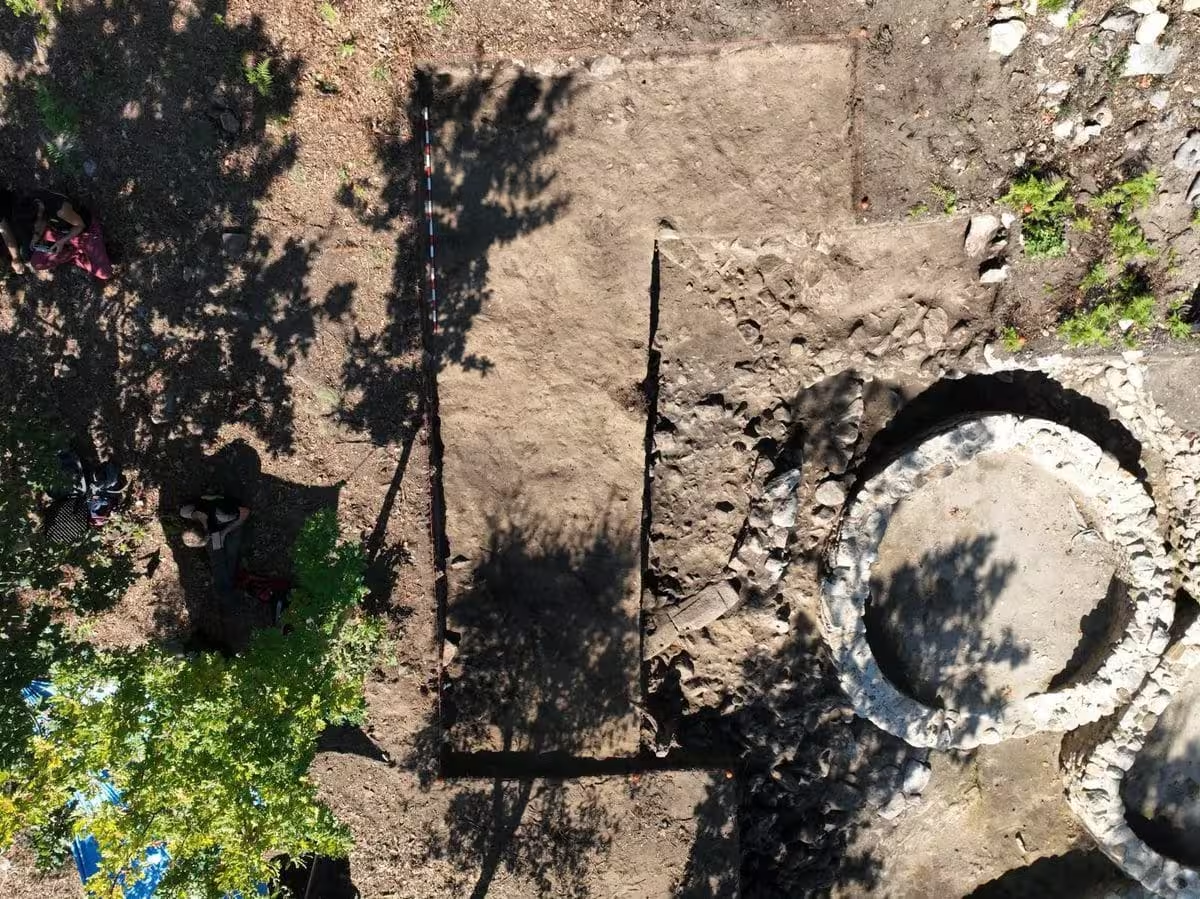
Excavations at Castro do Pico da Bandeira continue to yield significant finds, including fragments of Roman amphorae and various masonry elements. According to GEO France, with more than half of the structure yet to be explored, the site remains a major focus for understanding the complex transitions of ancient Galician societies.
This article has been fact checked for accuracy, with information verified against reputable sources. Learn more about us and our editorial process.
Last reviewed on .
Article history
- Latest version
Reference(s)
- Platas, David. “Pico da Bandeira: o castro do Baixo Miño que sorprende os arqueólogos cos seus achados.”, October 20, 2026 Historia de Galicia <https://historiadegalicia.gal/2026/10/pico-da-bandeira-o-castro-do-baixo-mino-que-sorprende-os-arqueologos-cos-seus-achados/>.
- Falco, Elodie. “En Espagne, deux mystérieux symboles ont été retrouvés sur une pierre vieille de 2000 ans.”, October 26, 2026 Geo.fr <https://www.geo.fr/histoire/en-espagne-deux-mysterieux-symboles-ont-ete-retrouves-sur-une-pierre-vieille-de-2000-ans-234182?shem=dsdf,sharefoc,agadiscoversdl,,sh/x/discover/m1/4>.
Cite this page:
- Posted by Vikram Desai