Scientists Just Uncovered Ancient Human Burials and a Mysterious Giraffe Species in the Serengeti
Archaeologists have unearthed a groundbreaking, previously undocumented human history hidden deep beneath Tanzania’s famous wildlife paradise.
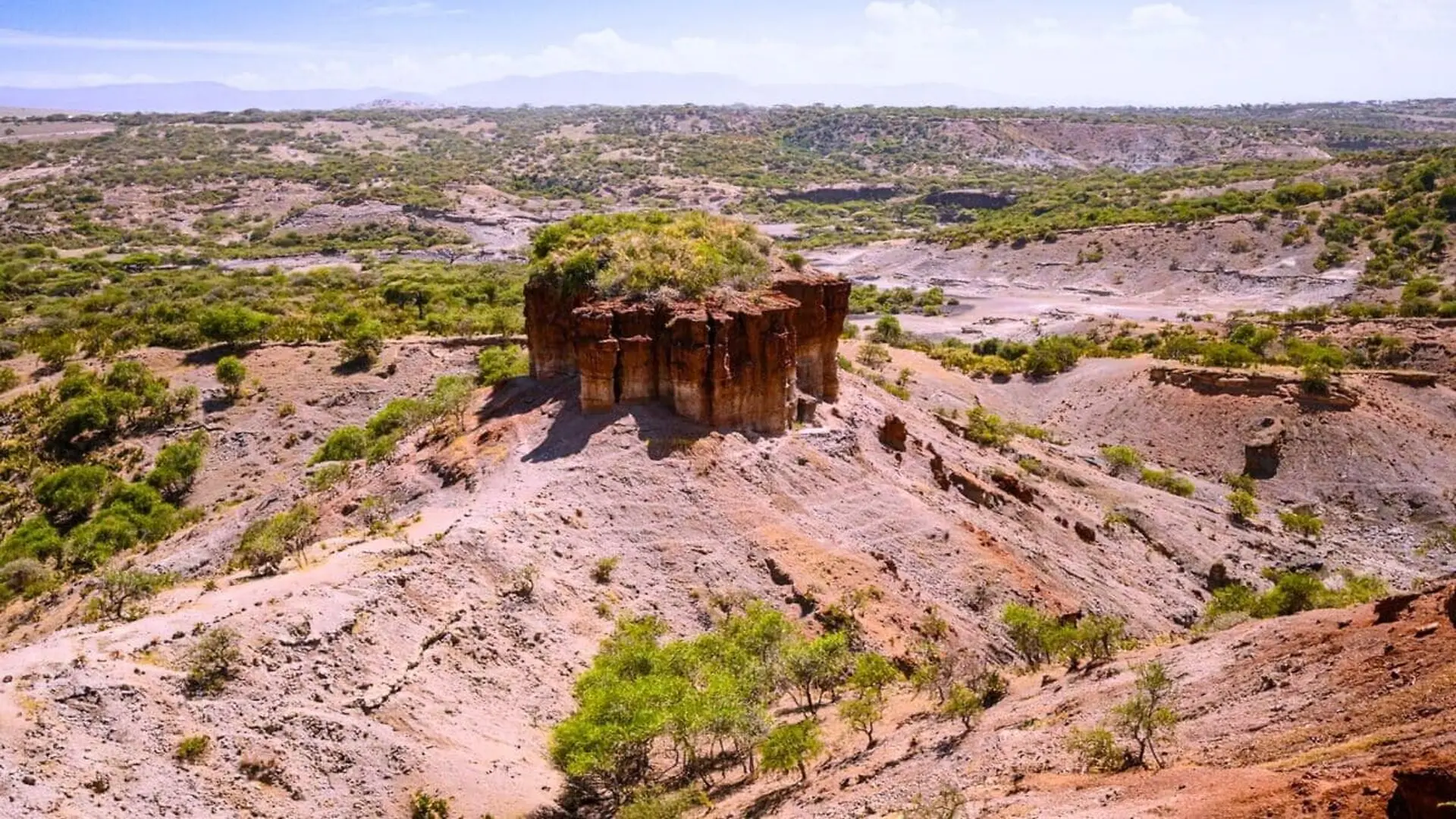
Archaeologists working in Tanzania’s Serengeti National Park have unearthed a trove of historical evidence, including the first ancient human burials ever recorded within the famed wildlife sanctuary. The discovery, which includes dozens of human remains and a near-complete fossilized giraffe skull, challenges the long-held assumption that the region lacks significant archaeological depth compared to nearby sites like Olduvai Gorge.
The research team, led by Professor Marta Osypińska of the University of Wrocław, initiated the project with a survey in 2024 that identified over 30 archaeological sites. During their most recent field season, the team faced an immediate encounter with local wildlife—a territorial hippopotamus—which led them to name their primary excavation site Kiboko, the Swahili term for “hippo.”
Unlocking the Serengeti’s Hidden Human History
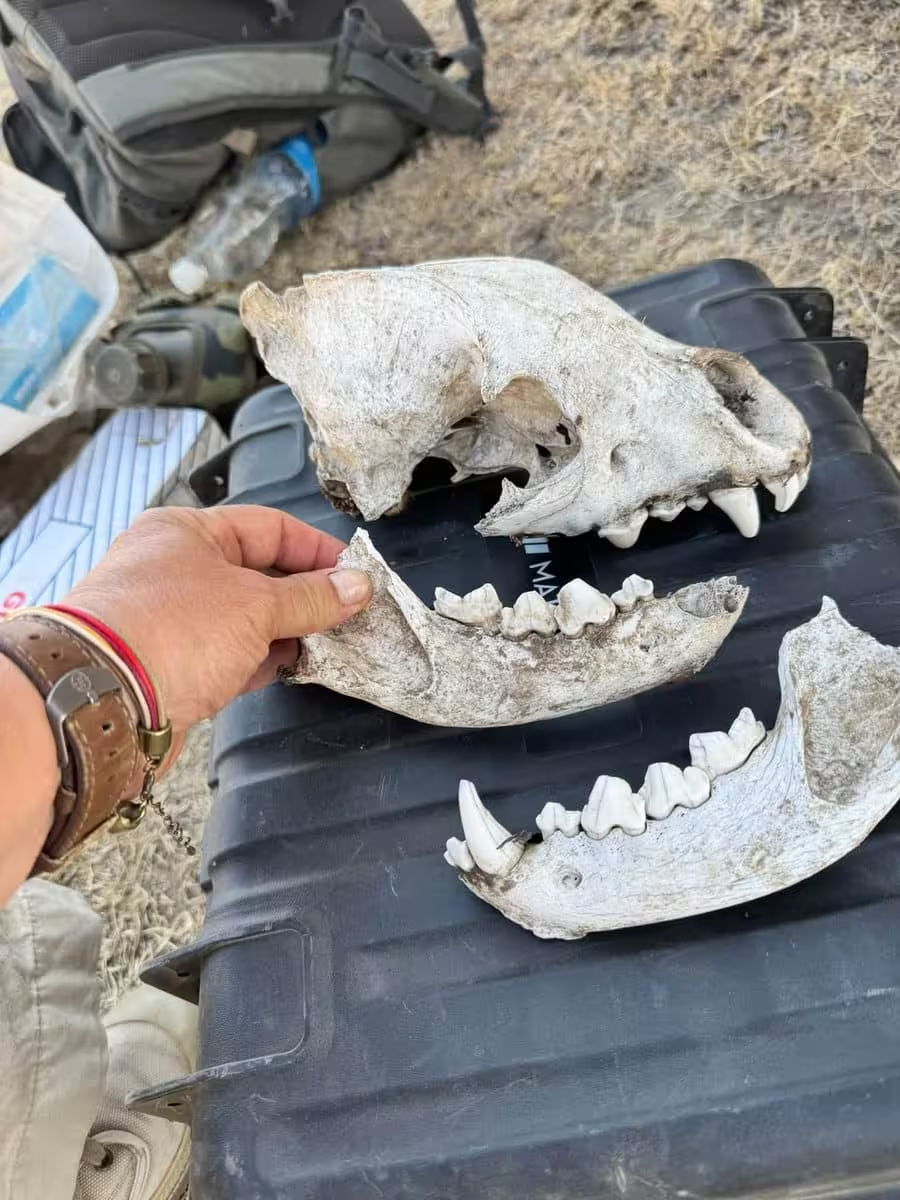
The Serengeti sits on a high plateau between Lake Victoria and the Great Rift Valley, a region globally recognized as the cradle of humankind. Despite its proximity to world-renowned paleoanthropological sites, the park itself has seen minimal excavation over the past few decades. The Polish team’s findings of Neolithic pastoralist remains—primarily teeth—provide a vital new window into the lives of ancient herders who thrived in the region thousands of years ago.
“The scale of the discoveries and the archaeological wealth of Serengeti completely surprised us,” Osypińska told the Polish Press Agency. She emphasized that because ancient humans lived in harmony with the environment, their footprints are subtle and often difficult to distinguish without systematic, large-scale investigation.
Broad Excavation Methods Yield Rich Returns
Departing from traditional archaeological techniques that utilize small, isolated test pits, the team opted for expansive excavation zones measuring up to 10 by 10 meters. This horizontal approach allowed the researchers to map entire living spaces, revealing the spatial relationship between hearths, tool clusters, and domestic refuse. This methodology resulted in a 300 percent increase in recorded Middle Stone Age finds within a single season.
Paleontological Discoveries
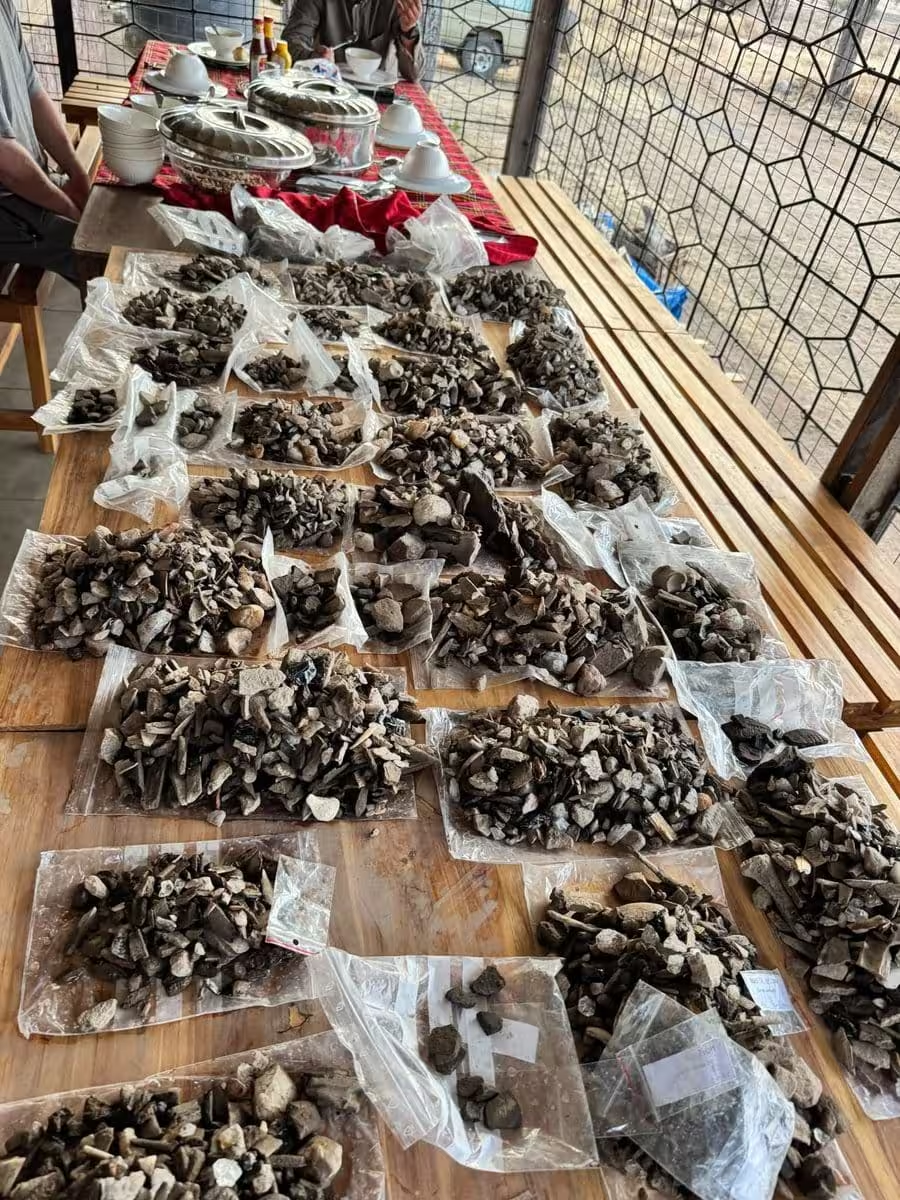
Beyond human history, the team recovered a nearly complete Pleistocene-era giraffe skull and a corresponding forearm bone. The specimen does not align with known species, sparking excitement among the team that it may represent a previously unknown animal. Accurate identification remains a challenge, as the Serengeti’s ecosystem has historically been home to a vast array of morphologically similar species, requiring expert analysis to differentiate between fossils.
Future Research and Collaboration
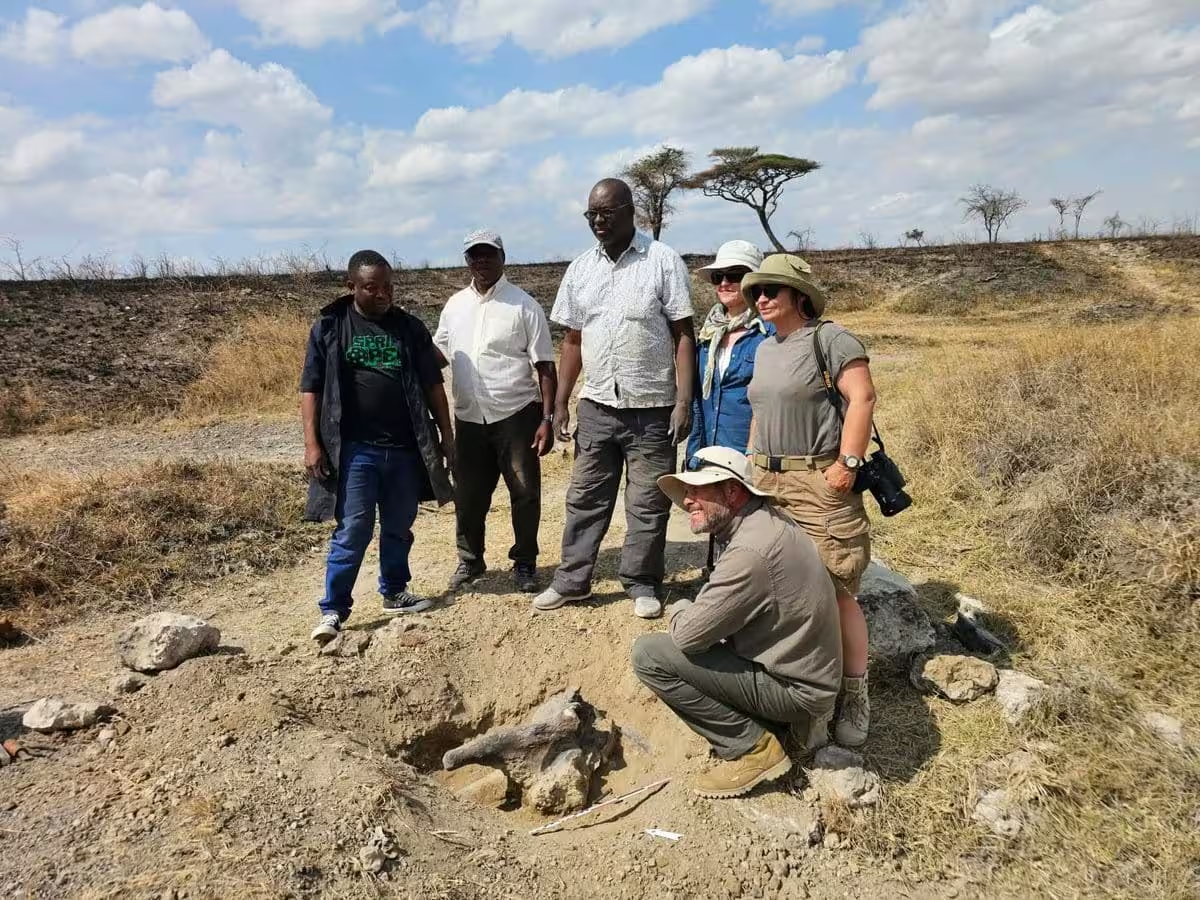
The findings, including samples from the Loyangalani site, have been sent to specialist laboratories in Europe and the United States for further analysis. These investigations aim to determine the dietary habits, health status, and origins of the pastoralist populations that occupied the area. The ongoing collaborative effort, which includes partners such as the University of Dar es Salaam and the Frankfurt Zoological Society, is set to return to the field in February 2027 to continue analyzing the recovered artifacts, with full-scale excavations scheduled to resume that July.
This article has been fact checked for accuracy, with information verified against reputable sources. Learn more about us and our editorial process.
Last reviewed on .
Article history
- Latest version
Reference(s)
- Krajczyńska-Wujec, Ewelina. “Tanzania / Neolityczne pochówki pasterzy, kości plejstoceńskiej żyrafy wśród polskich odkryć w Serengeti.”, October 27, 2026 Nauka w Polsce <https://naukawpolsce.pl/aktualnosci/news,115620,tanzania-neolityczne-pochowki-pasterzy-kosci-plejstocenskiej-zyrafy-wsrod>.
- <https://uwr.edu.pl/en/polish-scientists-explore-the-serengeti/>.
Cite this page:
- Posted by Vikram Desai