Why Emperor Claudius’s Massive Roman Engineering Project Ended In Chaos
In AD 52, Rome completed its most ambitious tunnel using 30,000 workers. Discover the dramatic history and engineering failures that defined this spectacle.
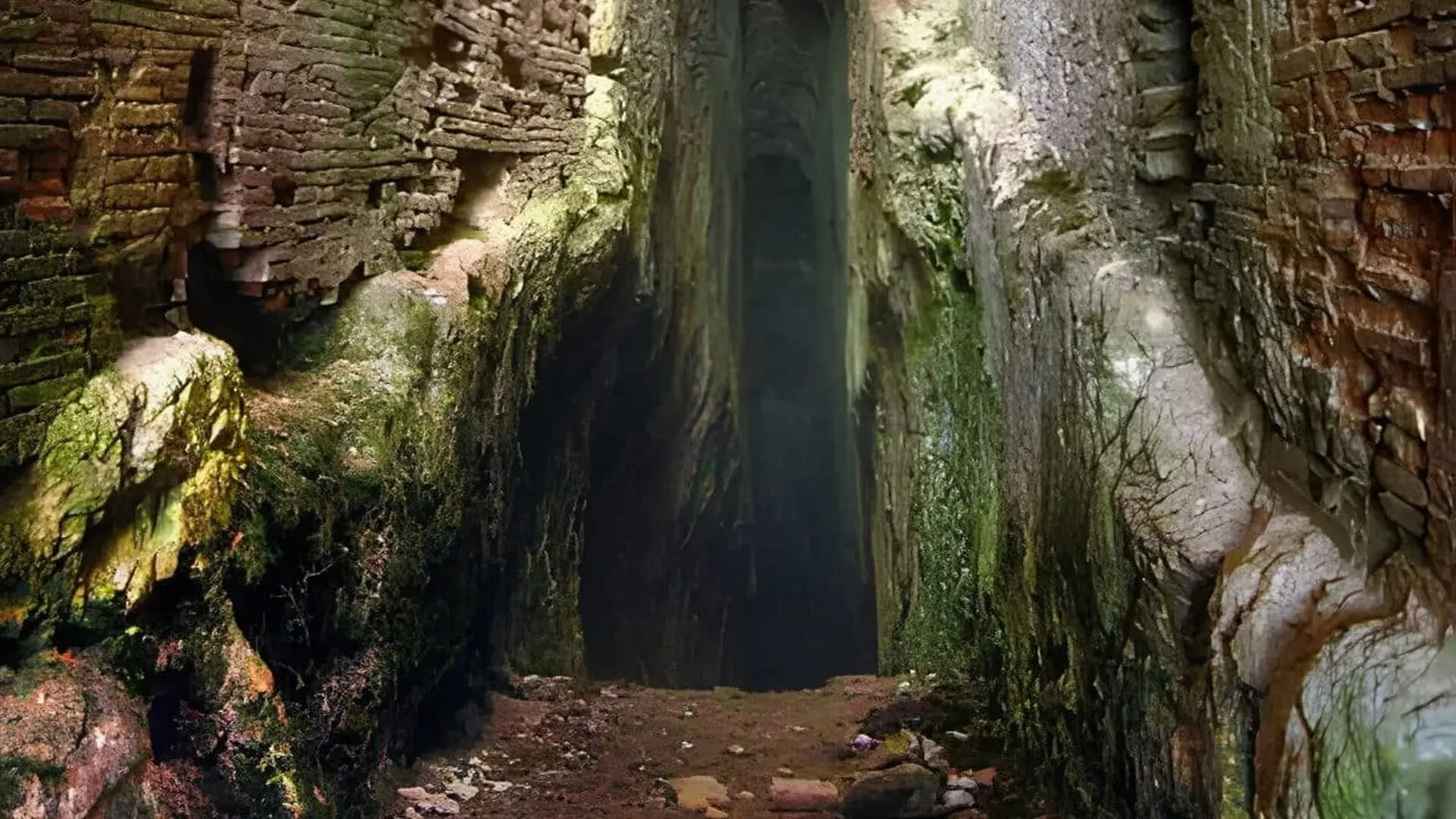
In AD 52, Emperor Claudius orchestrated an engineering spectacle intended to demonstrate Roman mastery over nature. To celebrate the inauguration of a monumental drainage tunnel designed to lower the waters of Lake Fucino, he ordered a massive naval battle featuring thousands of condemned prisoners. While the event was intended to project imperial power, the project itself was a flawed, arduous endeavor that required 30,000 workers to labor for over a decade. It would take more than 1,800 years before the lake was truly tamed.
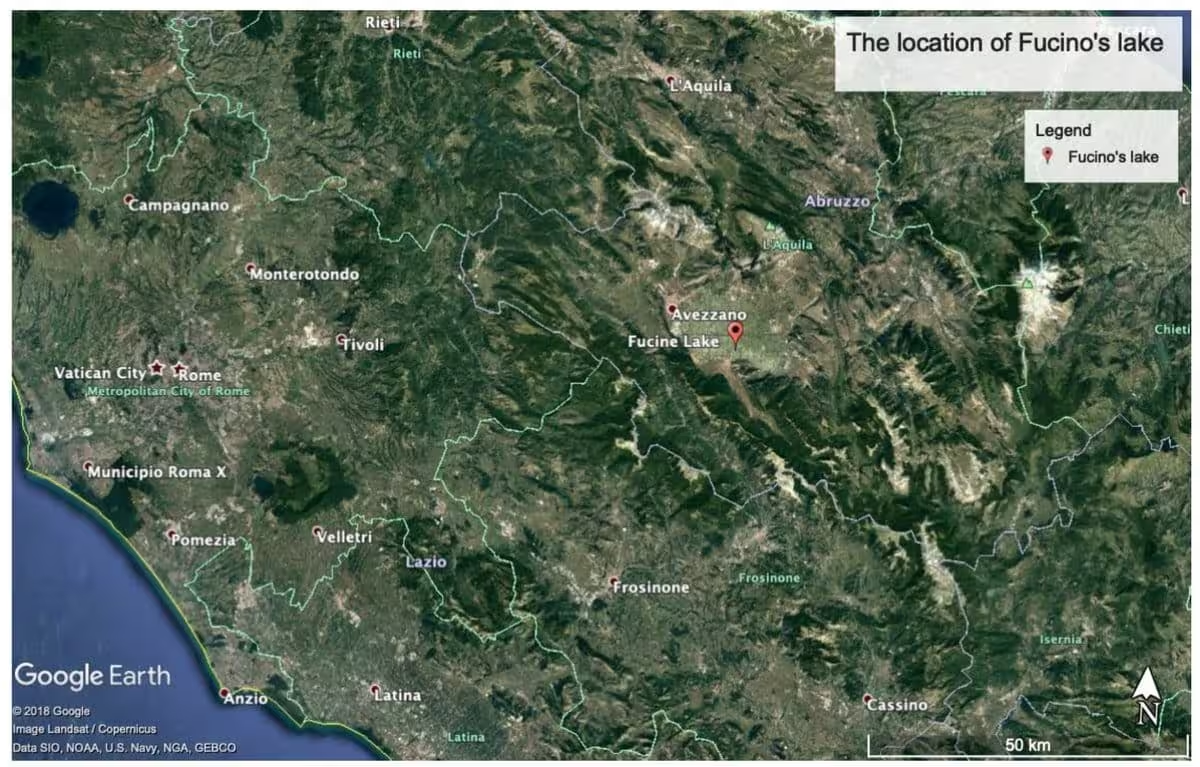
Located roughly 50 miles (80 km) east of Rome, Lake Fucino was historically Italy’s third-largest inland body of water. It suffered from a severe geographical deficiency: it was endorheic, meaning it lacked an outflowing river. The water level relied entirely on natural sinkholes; when these subterranean drains became obstructed, the lake would surge, inundating surrounding settlements. Although Julius Caesar had envisioned a solution to this recurring catastrophe, his assassination halted the plans. The initiative was eventually revived by Claudius, a leader often underestimated due to his physical disabilities and long-standing exclusion from the political sphere.
Engineering Through the Mountain
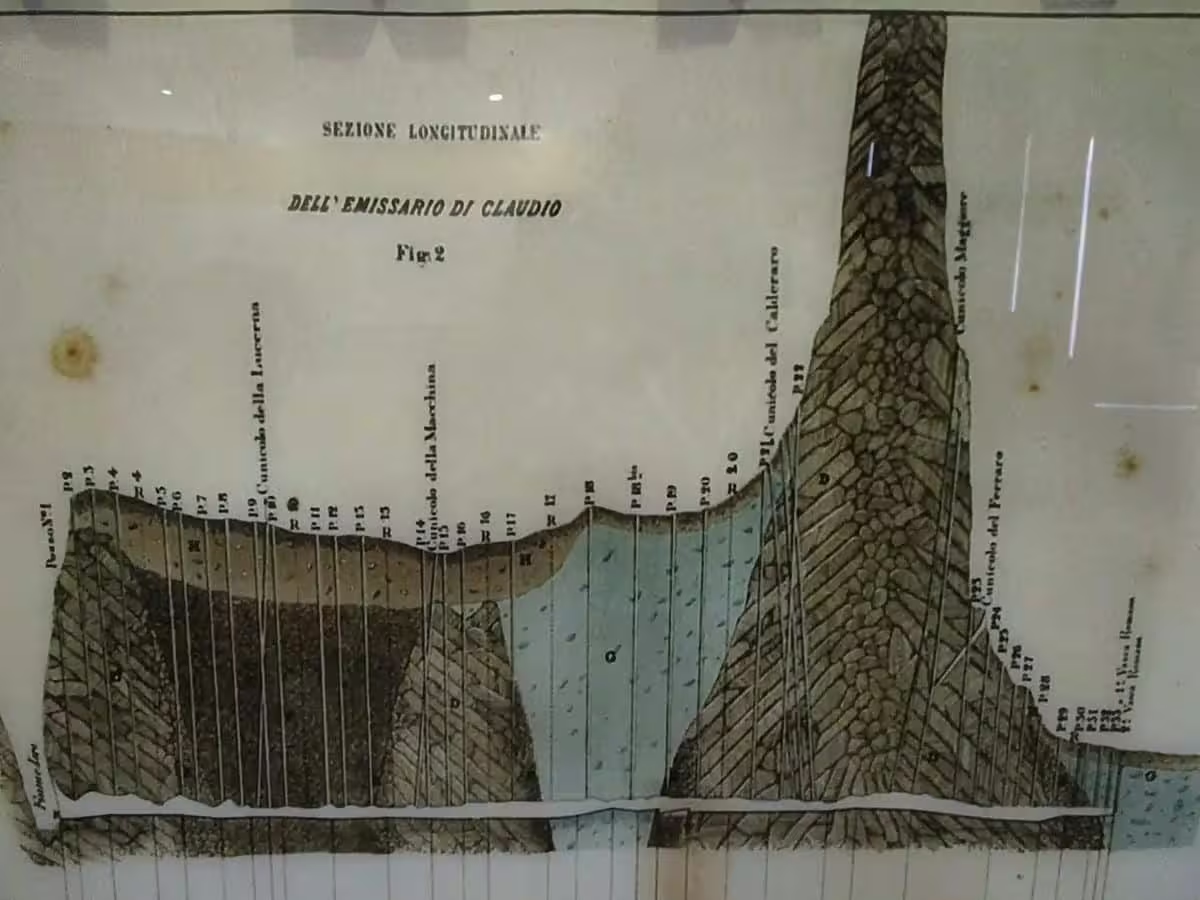
The Roman engineering corps faced a difficult choice. An open-air canal was considered, but officials feared that rerouting the water into the Tiber would risk flooding Rome. Instead, they opted for the more ambitious task of tunneling through Monte Salviano to redirect the overflow toward the Liri River. As detailed by LaBrujulaverde, the resulting tunnel spanned approximately 3.7 miles (6 km), with narrow passages measuring roughly 8 feet wide and 6.5 feet high (2.5 by 2 meters).
To expedite the work, surveyors employed vertical shafts—estimates suggest between 32 and 40—allowing crews to excavate from multiple points simultaneously. Precision was vital, as the tunnel dropped only 28 feet (8.44 m) over its entire length, leaving almost no margin for error in the gravity-fed system.
A Turbulent Debut
The inaugural event proved as chaotic as the engineering was complex. A study published in Sensors notes that the lake was filled with warships manned by an estimated 19,000 prisoners. According to accounts by Suetonius, when the crews offered the customary salute to the Emperor, Claudius reportedly responded with a quip that they interpreted as a pardon, leading them to refuse to fight. The Emperor was forced to walk the perimeter, using a mix of threats and persuasion to ensure the spectacle proceeded. The actual opening of the tunnel gates also faltered; the water surged with such unexpected violence that it destroyed the celebratory banquet site, prompting political infighting between the Emperor’s wife, Agrippina, and the project overseer, Narcissus.
Legacy of the Drained Lake
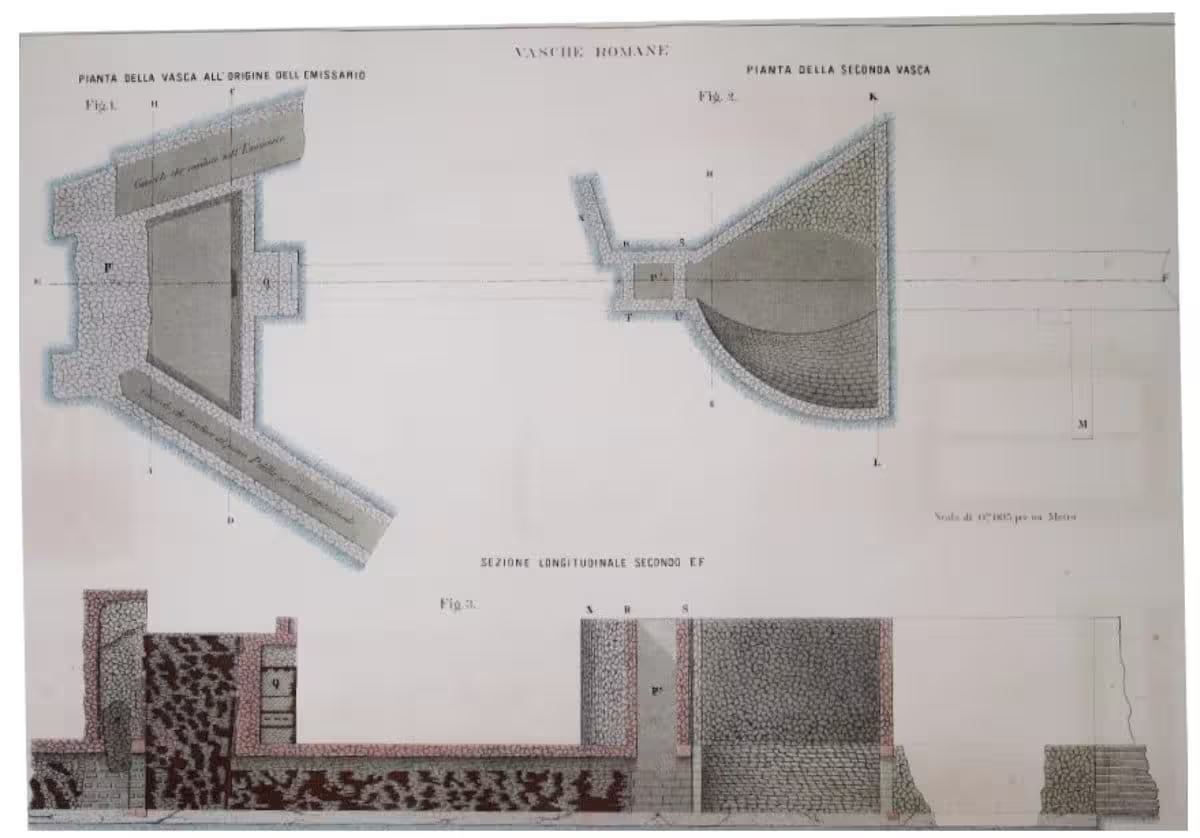
While the Roman tunnel successfully reduced the lake’s footprint, reclaiming between 6,000 and 8,000 hectares, the system required constant maintenance that later emperors, including Trajan and Hadrian, struggled to provide. Following the collapse of the Roman Empire, the tunnels fell into disrepair and blockage. Subsequent attempts by medieval rulers to restore the drainage failed to achieve long-term success.
The definitive solution arrived in the 19th century through the efforts of Alessandro Torlonia, a prominent banker. By securing a concession in 1852, Torlonia oversaw a massive reconstruction project that finally culminated in the total drainage of Lake Fucino on October 1, 1878. Today, the former lakebed serves as one of Italy’s most fertile agricultural zones, while the ancient tunnels remain accessible to the public at an archaeological park in Avezzano, offering a tangible link to Roman engineering ambition.
This article has been fact checked for accuracy, with information verified against reputable sources. Learn more about us and our editorial process.
Last reviewed on .
Article history
- Latest version
Cite this page:
- Posted by Vikram Desai