Vivid Evidence of Cannibalism Unearthed in 7,000 Year Old Spanish Caves
Archaeologists have uncovered gruesome evidence of ritual cannibalism, including human skulls fashioned into cups and bones processed for marrow consumption.
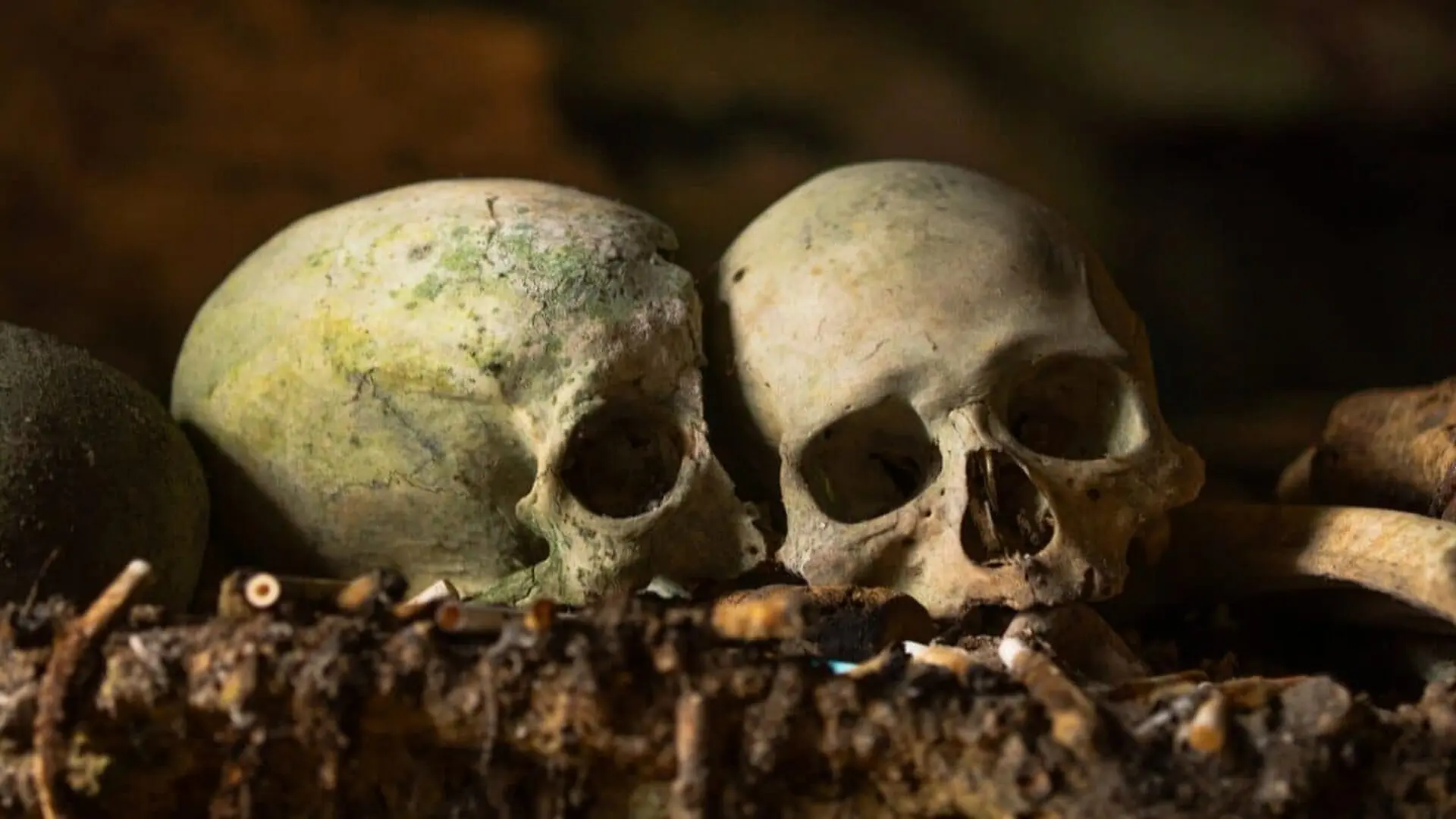
Archaeologists working in the caves of southern Spain have unearthed compelling evidence that suggests human bodies were systematically processed and consumed during the Neolithic period. The findings, centered on the Malalmuerzo, Carigüela, and Majolicas sites in the Granada province, point toward a practice that was likely not an isolated occurrence but a recurring event throughout the era.
Beyond Disturbed Graves: Evidence of Processing
While human remains in cave environments are often dismissed as the result of animal interference or post-burial displacement, the physical evidence at these sites tells a more calculated story. A team led by archaeologist Palmira Saladié of the Catalan Institute of Human Paleoecology and Social Evolution utilized high-resolution microscopy and radiocarbon dating to analyze the fragments, revealing distinct patterns of human intervention.
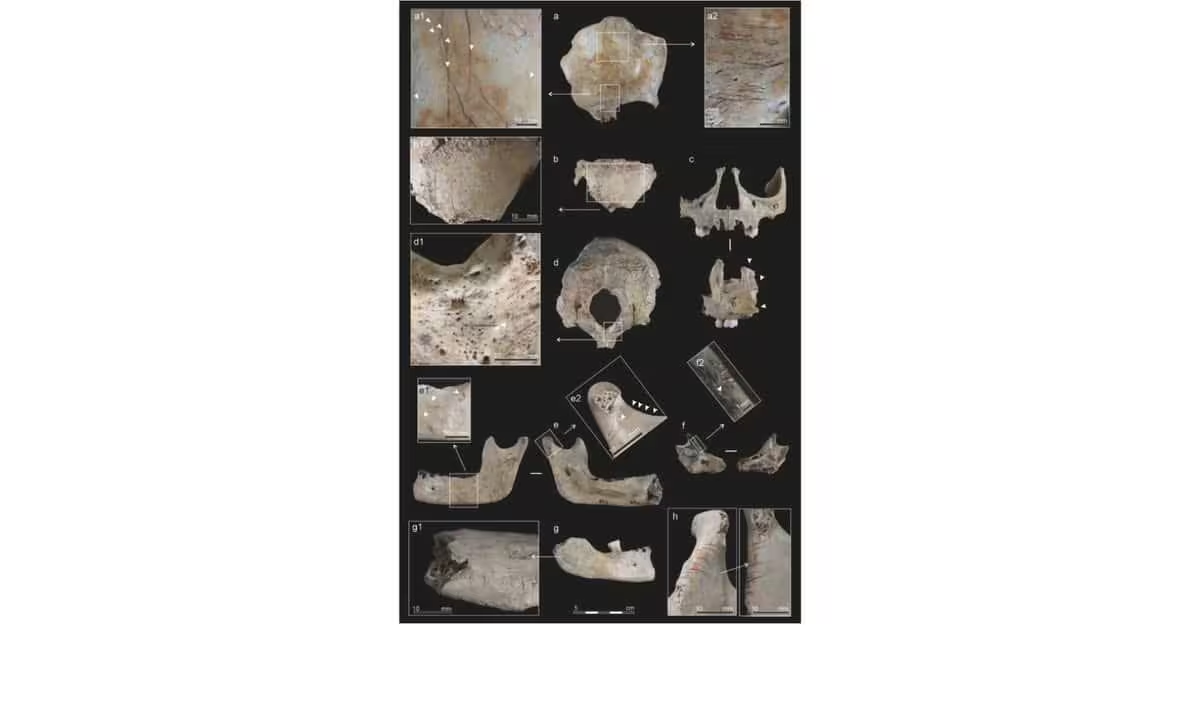
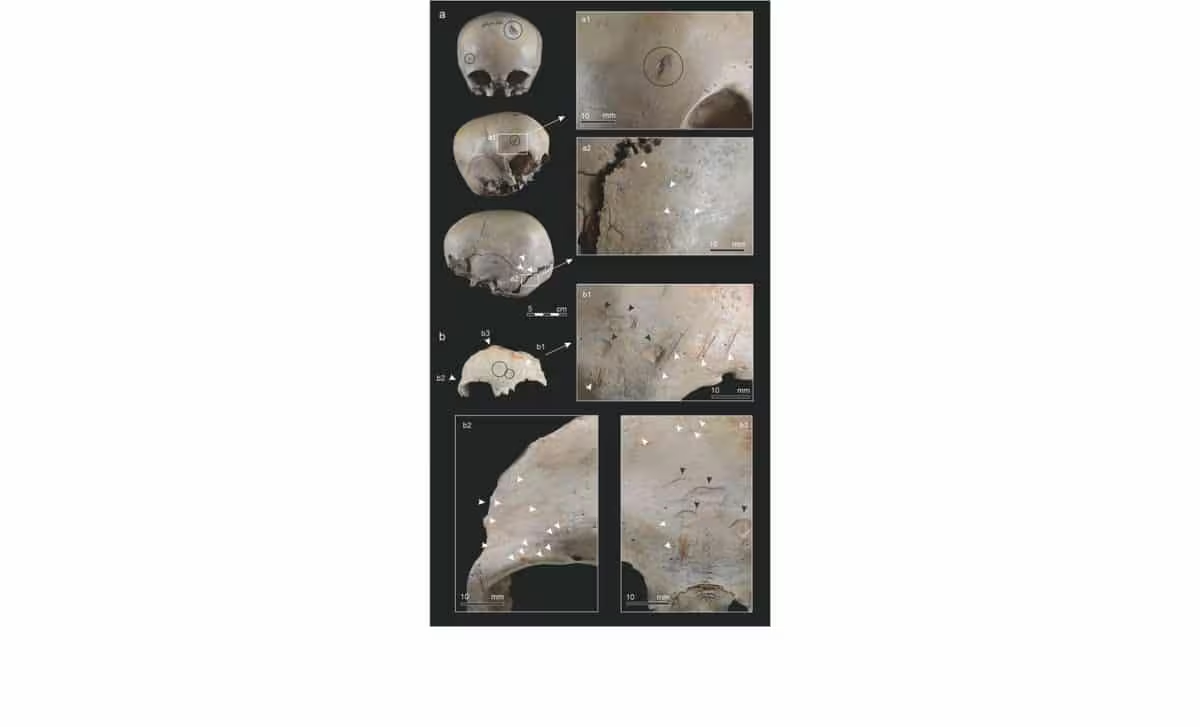
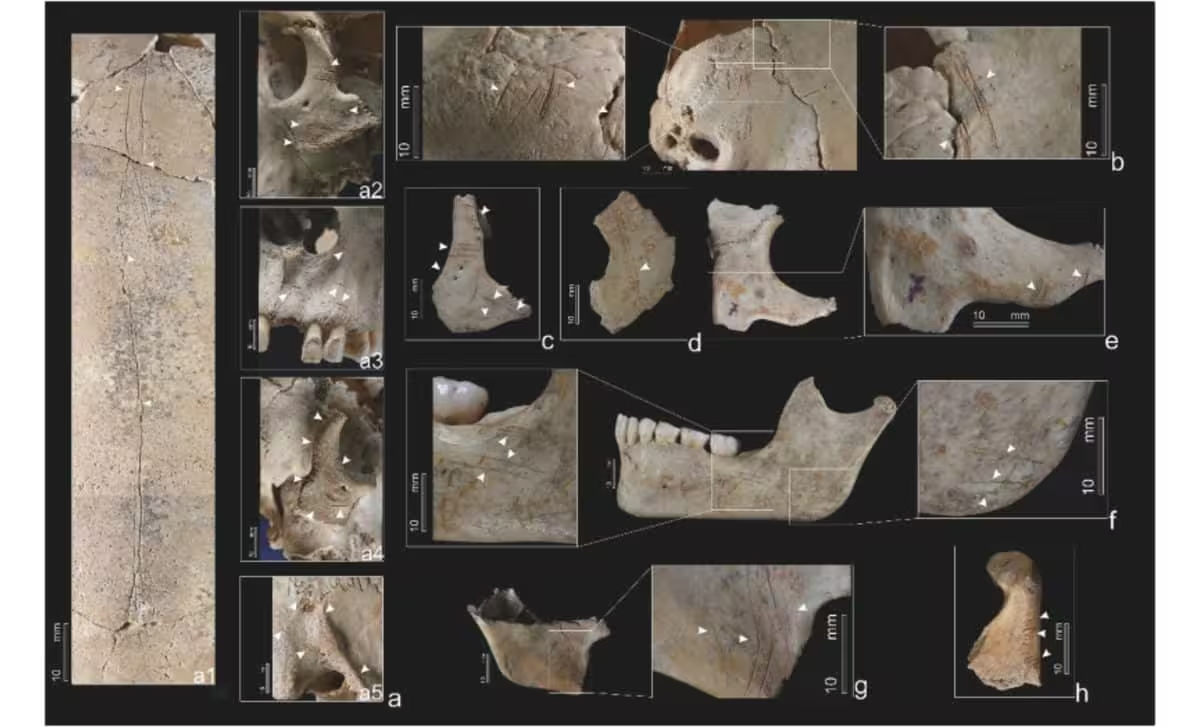
The remains exhibit clear cut marks indicative of flesh removal, alongside fractures consistent with the intentional breaking of bones to extract marrow. Furthermore, many specimens show thermal alterations—such as discoloration and translucency—that suggest the bones were subjected to heat or boiling. The study, which confirms suspicions that have lingered since the 1970s, identifies 714 fragments at Malalmuerzo alone, representing a minimum of 36 individuals dating back to approximately 5300 to 4950 B.C.E.
Cranial Modification and Complex Rituals
The condition of the skulls found at these sites suggests a targeted approach to dismantling the body. Researchers observed fractures consistent with the opening of the cranial cavity, likely to access the brain. The fracture patterns, characterized by irregular breaks, indicate that the processing occurred while the bone was still fresh, rather than long after death.
At the Carigüela site, the treatment of remains took on a more specialized form. Archaeologists discovered sections of human skulls that had been meticulously trimmed to create cup-like vessels, following the removal of facial structures and muscle tissue. Similar evidence of systematic dismemberment was observed on various long bones throughout the collection.
Symbolism and Red Pigment
The discovery at Majolicas adds a layer of cultural complexity. Several juvenile and young adult remains were coated in cinnabar, a bright red powdered mercury sulfide. This substance has historical associations with ritual practices in many prehistoric cultures, implying that the processing of the dead may have carried deep symbolic or spiritual weight.
However, the presence of animal bones similarly stained with the same pigment suggests the practice could be tied to broader site-wide activities, or perhaps accidental contamination. Because the treatment of the remains was not entirely uniform—with some bones left intact—researchers caution against assuming a singular motivation for these actions.
Interpreting Ancient Motivations
Distinguishing between the physical evidence of butchery and the social intent remains the central challenge for archaeologists. As highlighted in the team’s findings in the Journal of Archaeological Science, the bone analysis provides a window into what was done, but not necessarily why. Anthropological models typically offer two interpretations: exocannibalism, involving the consumption of enemies or outsiders, and endocannibalism, often linked to funerary rites or ancestral connections within a group.
The persistence of these practices in Neolithic Granada over such a long duration suggests that cannibalism was deeply ingrained in the social fabric of the region. Whether these acts were responses to resource stress, expressions of conflict, or fundamental parts of spiritual life, the evidence serves as a stark reminder of the diverse ways early societies navigated the boundaries of life and death.
This article has been fact checked for accuracy, with information verified against reputable sources. Learn more about us and our editorial process.
Last reviewed on .
Article history
- Latest version
Reference(s)
- “Saladié Ballesté, Palmira | Iphes.” <https://www.iphes.cat/en/saladi%C3%A9-ballest%C3%A9-palmira>.
- “New episode of cannibalism during the Late Neolithic uncovered at El Mirador cave (Atapuerca, Spain).”, August 7, 2025 <https://comunicacio.iphes.cat/eng/news/new/893/category/1/news.html>.
- Takagi, Kuranosuke. “Postnatal interaction of size and shape in the human endocranium and brain structures.” bioRxiv, January 21, 2025, pp. 2025.01.20.633848 bioRxiv, doi: 10.1101/2025.01.20.633848v1.full. <https://www.biorxiv.org/content/10.1101/2025.01.20.633848v1.full>.
- “Symbolism In Color: Red – NCMALearn.” <https://learn.ncartmuseum.org/resources/symbolism-in-color-red/>.
- Saladié, Palmira., et al. “Multiphase human cannibalism in Neolithic southern Iberia: Chronological and taphonomic evidence from Malalmuerzo, Carigüela, and Majolicas Caves.” Journal of Archaeological Science, vol. 194, October 1, 2026, pp. 106666 Elsevier BV, doi: 10.1016/j.jas.2026.106666. <https://www.sciencedirect.com/science/article/pii/S0305440326001962>.
Cite this page:
- Posted by Vikram Desai