Researchers Race to Identify Mysterious Object Possibly Linked to Amelia Earhart’s Lost Plane
A new discovery on a remote Pacific island has reignited the search for Amelia Earhart, but researchers now face an unexpected obstacle in the investigation.
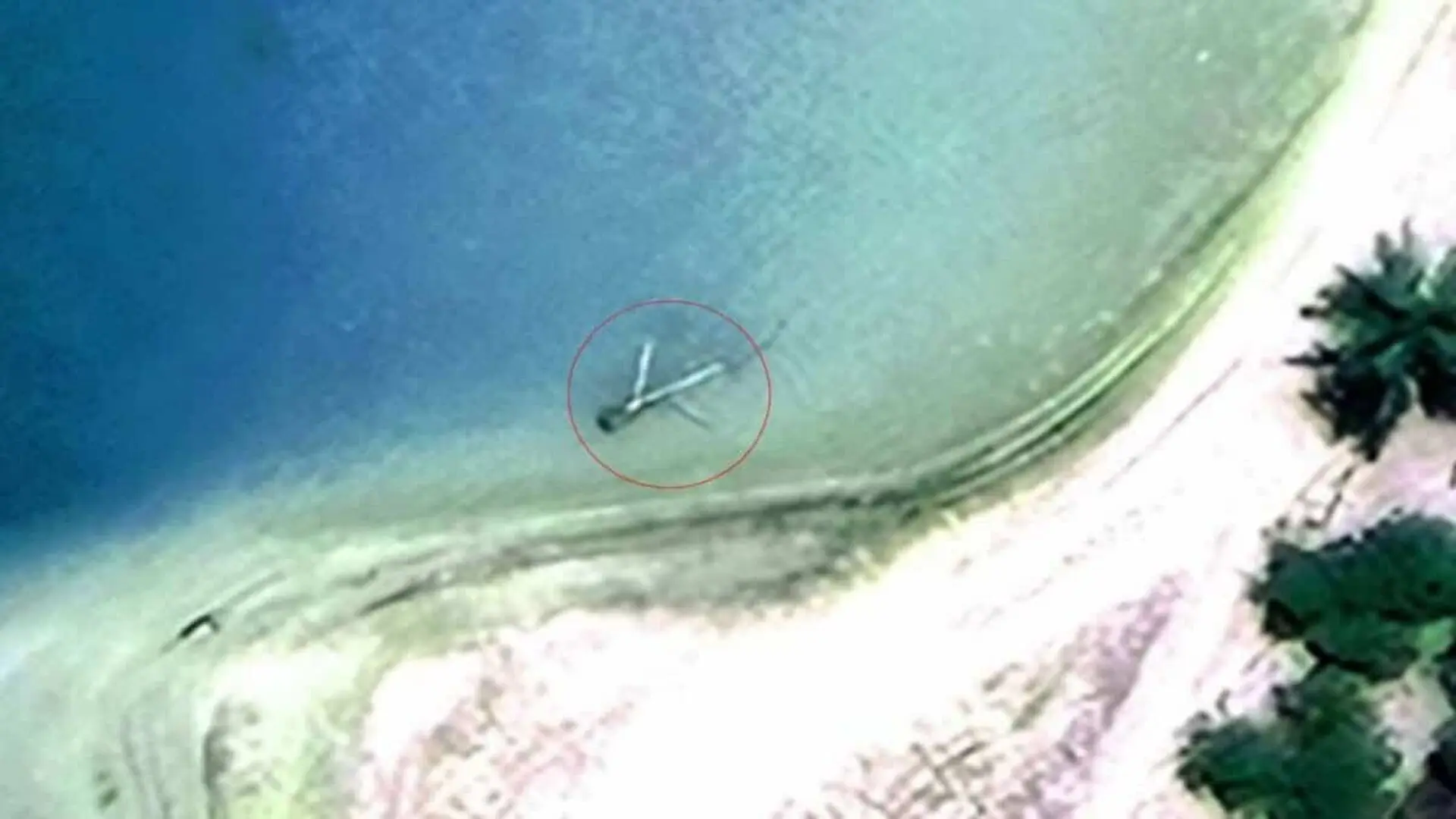
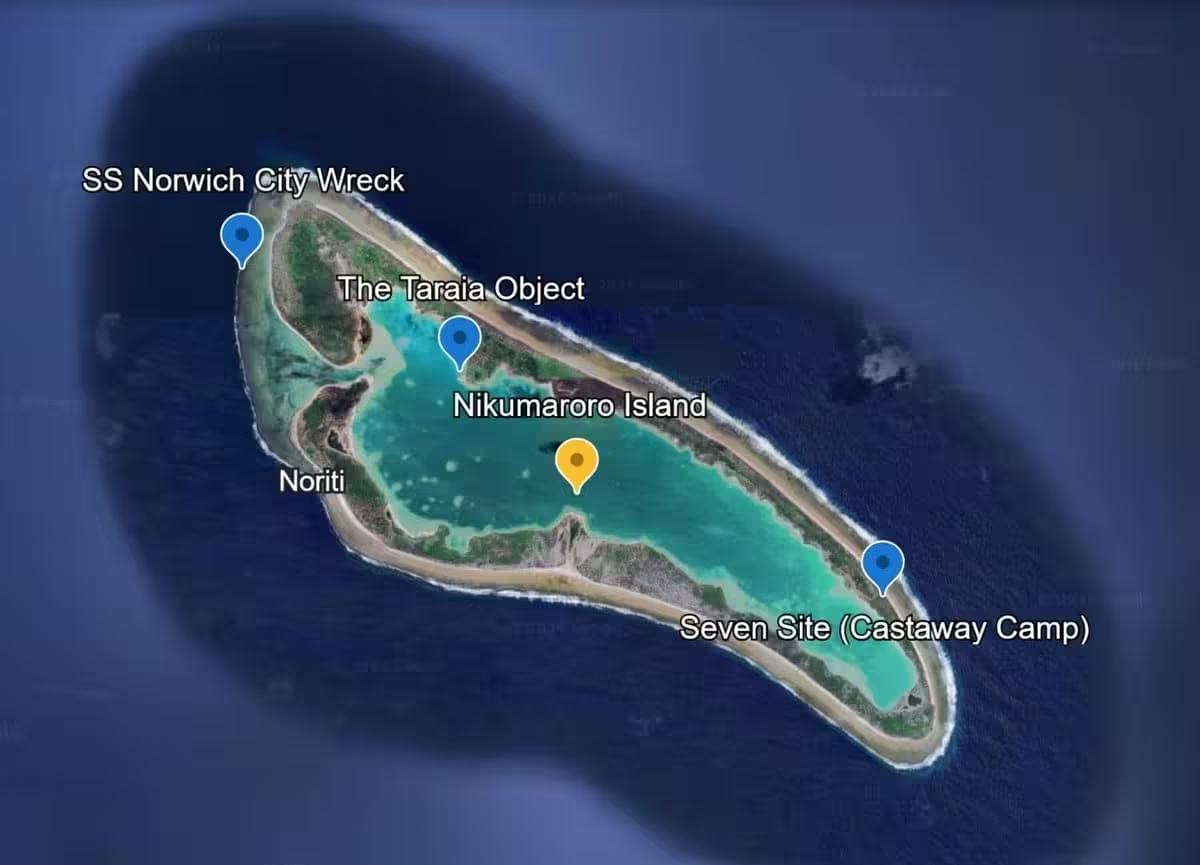
Rough weather conditions in the South Pacific have stalled an ongoing expedition to determine whether a mysterious underwater anomaly near Nikumaroro Island is the wreckage of Amelia Earhart’s missing Lockheed Electra 10-E. For the third consecutive day, hazardous maritime conditions have prevented researchers from accessing the site, where a feature known as the Taraia Object—first identified via satellite imagery in 2020—remains under investigation.
The mission, a collaborative effort involving the Archaeological Legacy Institute, the Purdue Research Foundation, and Purdue University, is currently anchored offshore. The expedition vessel, the Marin Mainiku, is forced to remain approximately one mile from the island due to the perilous reef system. Navigating the narrow passage known as the blasted channel—a path cut by British authorities in 1963—has become impossible under current conditions, which include sustained winds of 20 knots and gusts reaching 31 mph.
Despite the delays, the team is prepared to extend the mission timeline, with adequate supplies available to wait out the turbulent weather. Rick Pettigrew, executive director of the Archaeological Legacy Institute, emphasized that the safety of the crew remains the primary concern while the team works to verify their findings with precision.
Advanced Survey Technology in the Lagoon
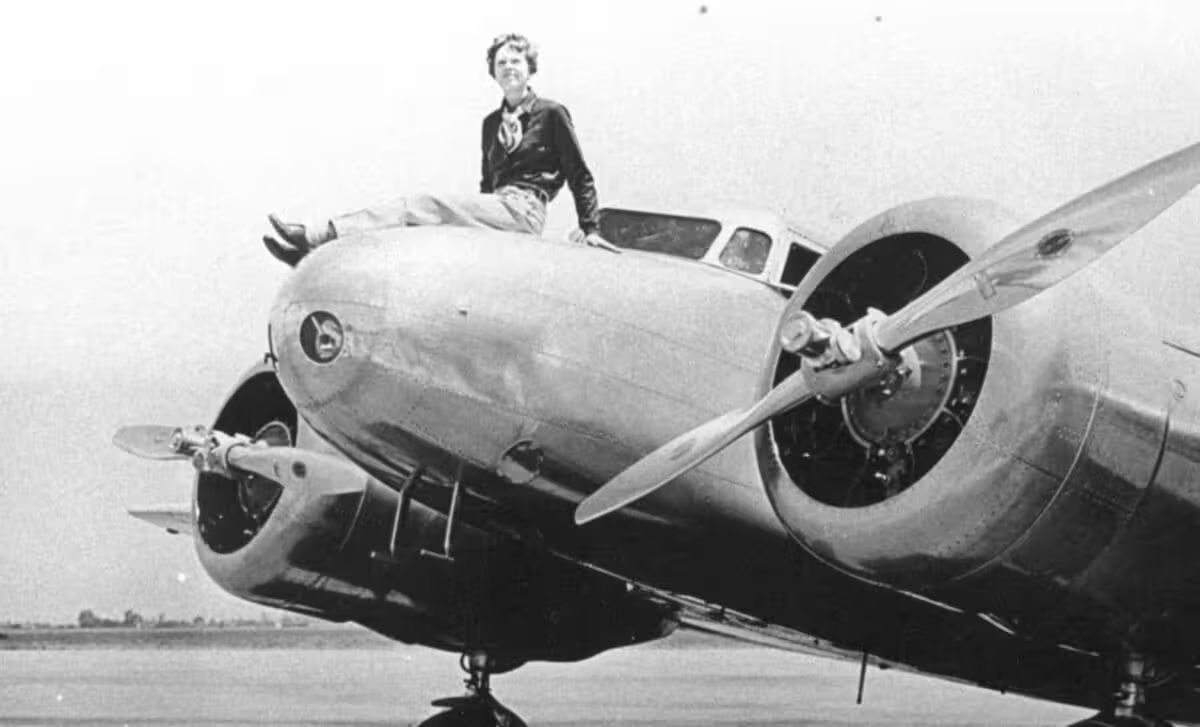
While shore-based exploration is on hold, the scientific team successfully conducted an initial underwater survey on October 14. Using sonar and magnetometer instrumentation, marine archaeologists from RECON Offshore began mapping the lagoon floor. These efforts are part of a broader, long-term project supported by Purdue University, where Earhart once served as an aeronautics adviser and women’s career counselor. The university’s historical connection to the aviator includes its role in financing the Flying Laboratory, the aircraft Earhart utilized during her ill-fated 1937 circumnavigation attempt.
Once the sea state stabilizes, the research team intends to deploy a hydroprobe to analyze the physical properties of the Taraia Object. This will be followed by the use of a water induction dredge, designed to clear overlying sediment and reveal the object’s structure.
Historical Context and Radio Evidence
The theory that Earhart and her navigator, Fred Noonan, landed on Nikumaroro after disappearing on July 2, 1937, has persisted for decades. One piece of evidence frequently cited by proponents is the account of Betty Klenck, who, as a teenager in 1937, claimed to hear distress calls on a shortwave radio. While she transcribed the phrase as New York City, researchers have speculated she may have misinterpreted Norwich City—a reference to a British merchant ship that was wrecked on the island’s reef in 1929.
Furthermore, historical radio bearings recorded by the U.S. Navy, U.S. Coast Guard, and Pan American Airways suggest that if Earhart were transmitting, her location aligned with the vicinity of Nikumaroro. As the current expedition waits for the weather to clear, the fundamental question remains whether the Taraia Object will finally provide a definitive answer to one of aviation’s most enduring mysteries.
This article has been fact checked for accuracy, with information verified against reputable sources. Learn more about us and our editorial process.
Last reviewed on .
Article history
- Latest version
Cite this page:
- Posted by Divya Iyer