Deep Sea Observatory Captures Rare Moment The Ocean Floor Tore Open At Incredible Speed
An isolated observatory between Antarctica and Australia has captured the unprecedented moment the ocean floor is tearing apart in real-time.
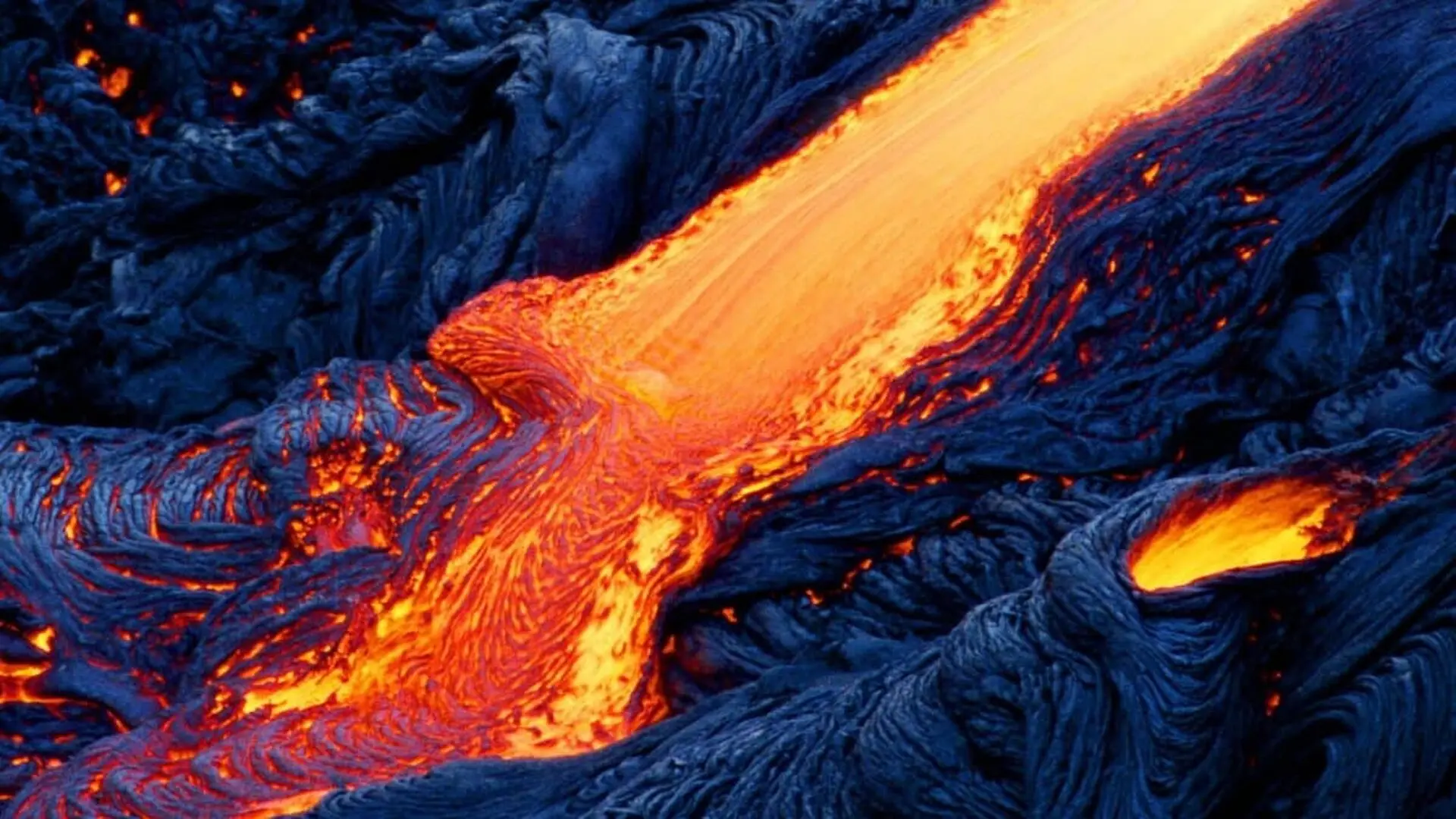
The vast majority of Earth’s surface remains hidden beneath the global ocean, where tectonic forces constantly reshape the planet’s crust. While we know that mid-ocean ridges serve as the primary sites where tectonic plates diverge to allow new crust to form from rising magma, observing these dynamic processes in real-time has historically been a significant challenge for geophysicists.
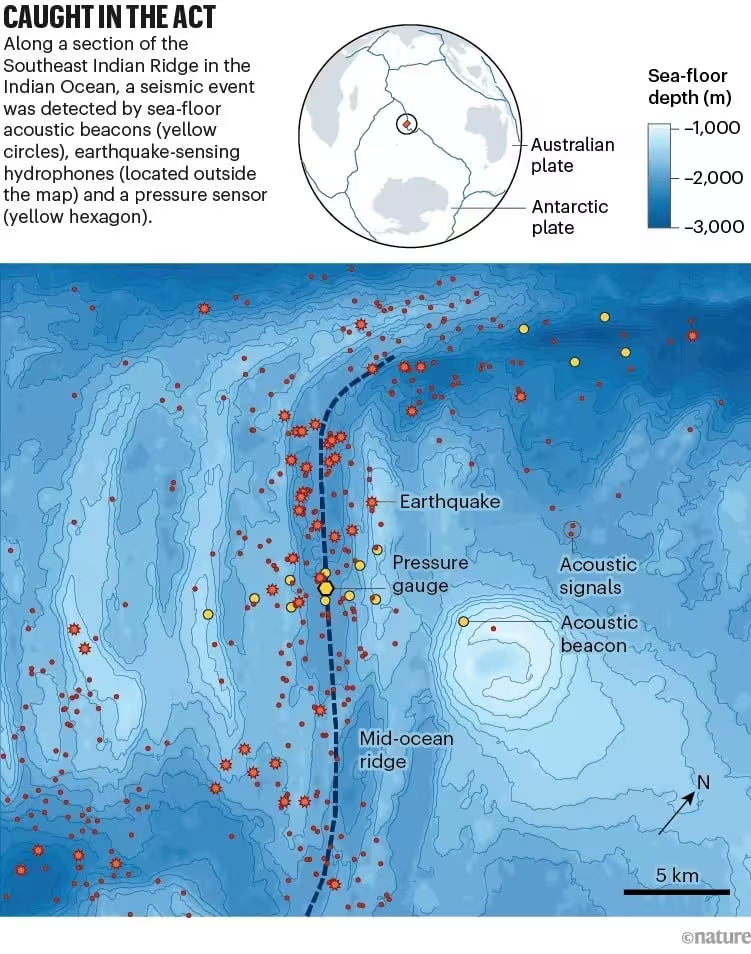
To bridge this knowledge gap, a team led by marine geophysicist Jean-Yves Royer of the French National Center for Scientific Research (CNRS) deployed the Observatory with Hydro-Acoustics and Geodesy, known as OHA-GEODAMS, near the Saint Paul-Amsterdam volcanic plateau. Positioned between Antarctica and Australia, the instrument was tasked with monitoring the Southeast Indian Ridge, a region where the mechanics of seafloor spreading have long remained elusive due to the sporadic nature of volcanic activity.
Capturing the Rhythms of the Deep Seafloor
Spanning approximately 40,400 miles (65,000 kilometers), the global network of mid-ocean ridges is where tectonic plates pull apart, creating conduits for magma to rise and solidify into basalt. According to a recent study published in Nature, these spreading events often occur as discrete, intense episodes rather than steady, continuous motion. Researchers characterize these as quantum events, where decades of accumulated stress are released during sudden bursts of seismic and magmatic activity.
Subsurface Magma Injections Drive Rapid Crustal Change
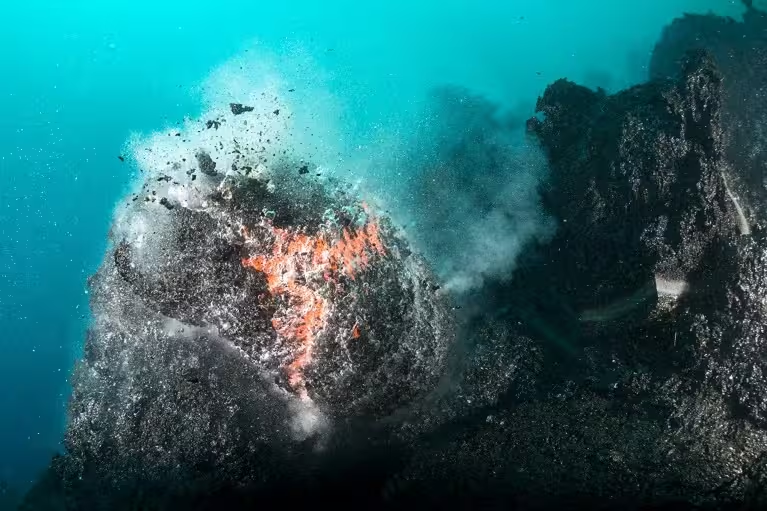
The OHA-GEODAMS array, consisting of five autonomous hydrophones, successfully captured a major geological event in late April 2024. Observations revealed a massive intrusion where approximately 5.3 billion cubic feet (150 million cubic meters) of molten rock forced its way into fractures beneath the seafloor. While such magma-driven events often correlate with tectonic plate displacement, the researchers noted that much of this initial movement was aseismic, meaning it occurred without the expected strong tremors typical of fault shifts.
This finding explains why earlier surveys of the region often lacked sufficient earthquake data to fully map the ridge’s behavior. It was only after the magma had ceased its initial expansion that the team recorded significant strike-slip seismic activity, likely resulting from horizontal adjustments along neighboring faults.
The Mechanical Collapse of the Ocean Crust
The study highlights a complex chain reaction: as the underground magma reservoir drained, the seafloor above experienced a localized collapse. This structural shift triggered further fault activity, causing the crust to separate at a staggering speed of five centimeters per minute—roughly 500,000 times faster than the average pace of plate movement.
According to Jean-Yves Royer, these observations provide rare, direct evidence of the combined magmatic and tectonic processes that define mid-ocean ridge evolution. The data suggests that spreading segments endure long periods of quiescent tension, punctuated by sudden releases of energy that clarify how tectonic boundaries slowly accumulate and discharge displacement over geological time.
This article has been fact checked for accuracy, with information verified against reputable sources. Learn more about us and our editorial process.
Last reviewed on .
Article history
- Latest version
Reference(s)
- “Ocean floor witnessed splitting apart for the first time — releasing lava.”, July 8, 2026 <https://www.nature.com/articles/d41586-026-02139-7?utm_source=x&utm_medium=social&utm_campaign=nature&linkId=62706277>.
- <https://www.researchgate.net/scientific-contributions/Jean-Yves-Royer-2121338785>.
Cite this page:
- Posted by Vikram Desai