Rare 2,000 Year Old Roman Anchor Discovered Preserved on the North Sea Seabed
A 2,000-year-old Roman anchor has been discovered preserved in the North Sea, revealing remarkable insights into ancient maritime history and shipwrecks.
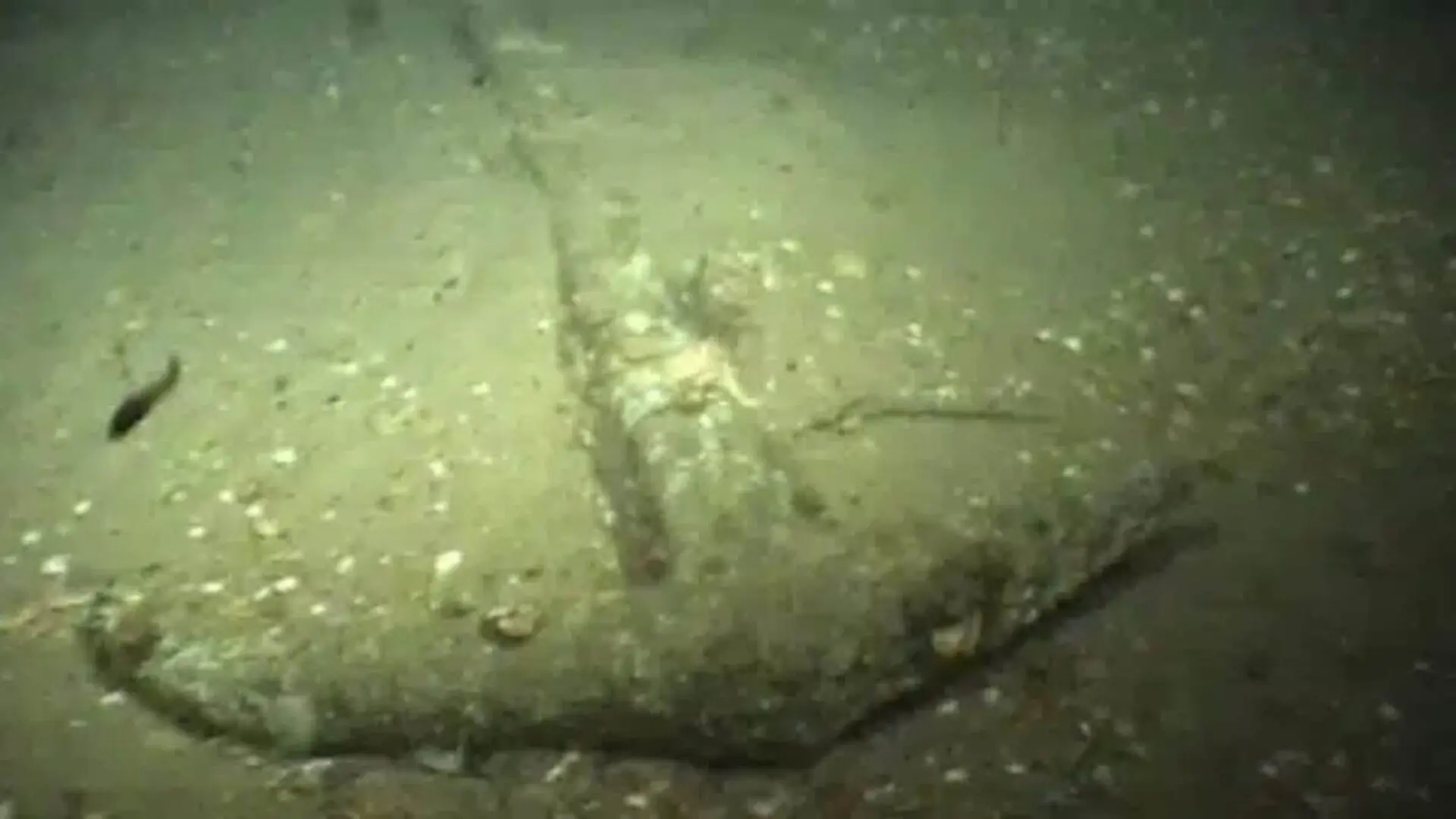
Maritime archaeologists are currently studying a rare Roman anchor recently recovered from the seabed off the Suffolk coast, a discovery that offers a unique glimpse into the ancient maritime history of northern Europe. Estimated to be nearly 2,000 years old, the artifact is one of only three pre-Viking anchors ever salvaged from waters in this region outside the Mediterranean, making it a find of profound historical significance.
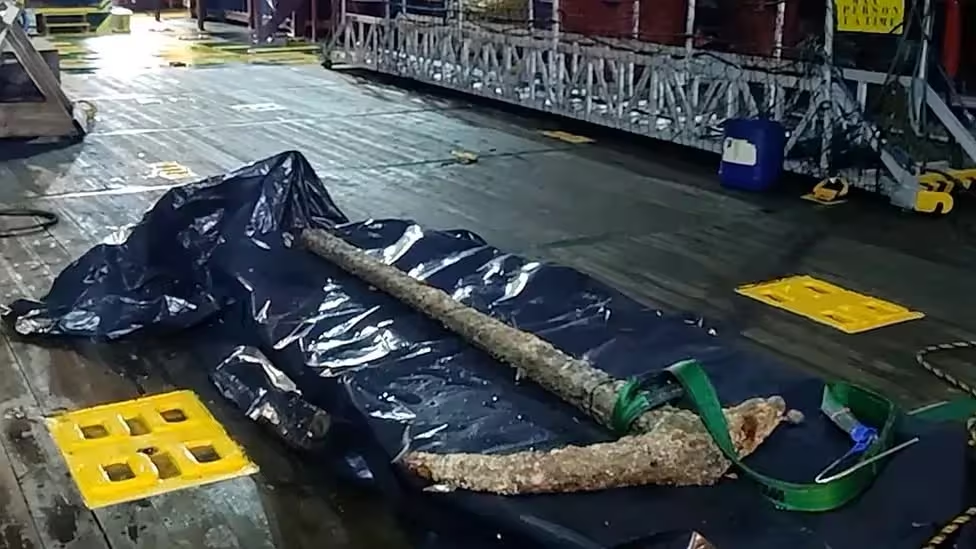
The anchor, which measures over two meters in length and weighs approximately 100 kilograms, was preserved in an exceptional state due to its burial in oxygen-deprived sand. In most marine environments, iron and wood decompose rapidly, often vanishing within decades. However, this anoxic environment effectively stalled the biological and chemical processes of decay, keeping the structure remarkably intact.
Infrastructure Projects Uncover Hidden Chapters of History
The discovery was made during routine seafloor mapping conducted for the East Anglia ONE offshore wind farm, located roughly 40 kilometers off the English coast. When survey crews first identified the anomaly in 2018, project developers at ScottishPower Renewables established a protective exclusion zone around the site. The artifact was carefully raised in 2021, initiating an intensive stabilization and analysis process.
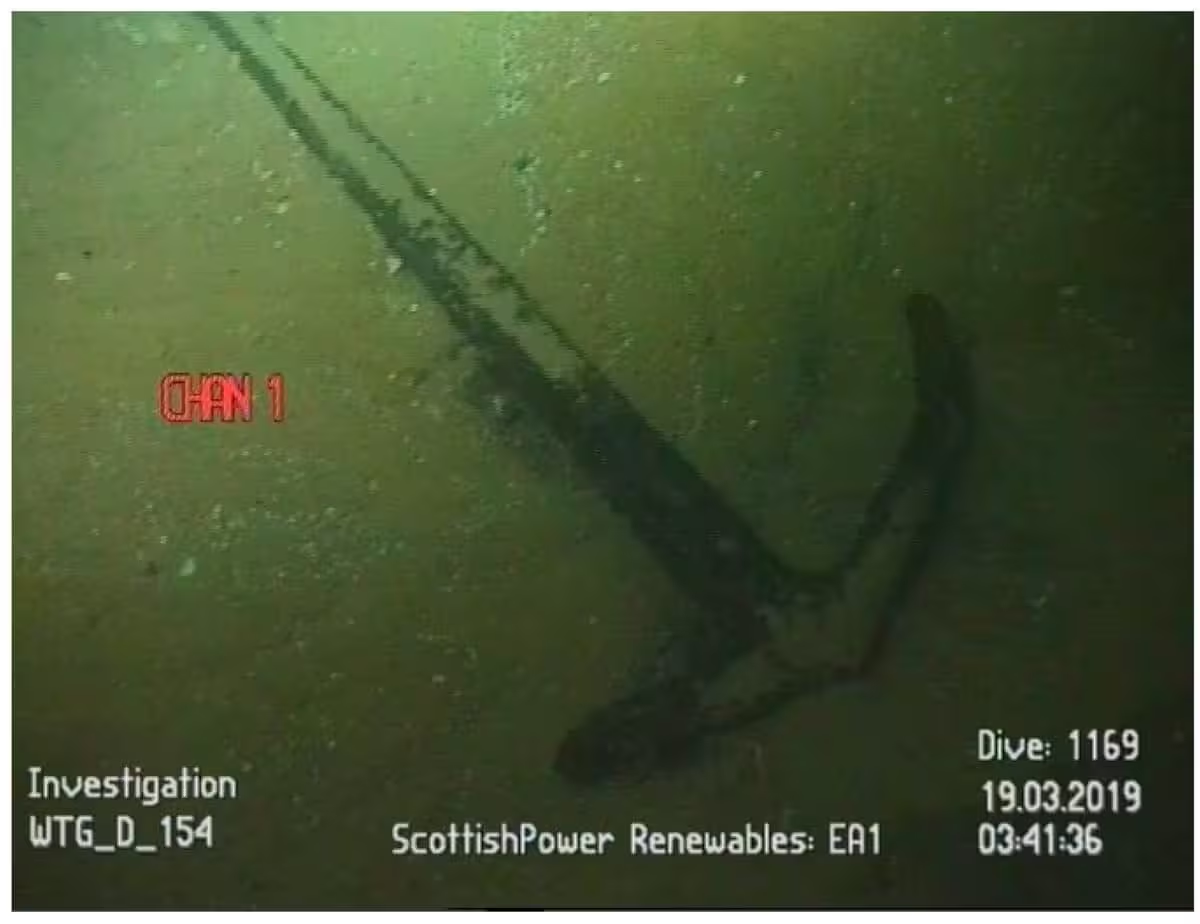
Stuart Churchley, a Marine Planning Archaeological Officer at Historic England, noted that the unprecedented level of detail in the wind farm’s survey work provided a rare opportunity to map previously unexplored sections of the southern North Sea, leading to this unexpected find.
Preservation in an Anoxic Deep
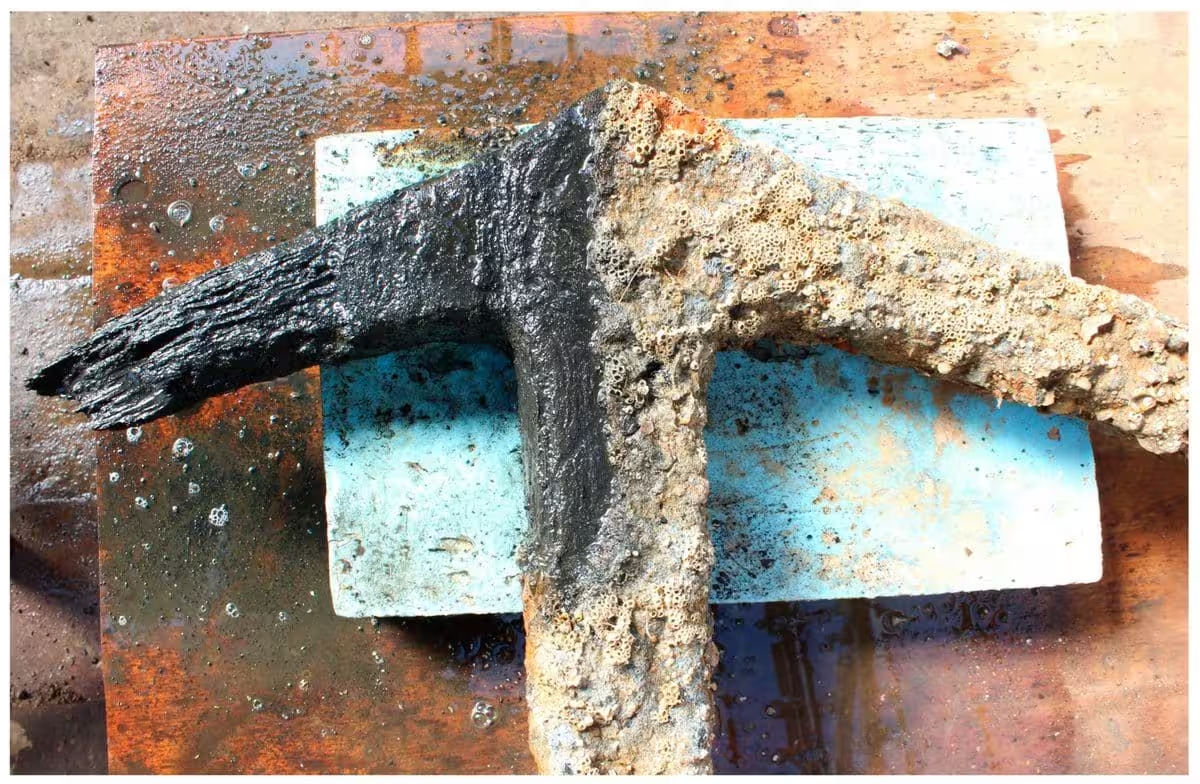
According to findings published in the journal Heritage, the anchor owes its survival to being encased in thick, protective layers of sediment. This isolation from oxygen prevented the typical corrosion and wood-boring organisms that usually consume submerged relics. Currently, experts from Maritime Archaeology Ltd and Mary Rose Archaeological Services are employing advanced imaging techniques to investigate the artifact’s construction and confirm its precise origins.
Mapping Ancient Maritime Trade
While historians have long recognized the importance of Roman shipping lanes in the waters off East Anglia, physical evidence has remained scarce. As noted by Brandon Mason of Maritime Archaeology in a report cited by Arkeonews, the discovery acts as a vital bridge between theoretical historical records and material reality.
“Everything points to this being a Roman anchor of almost 2,000 years old, which is an incredibly rare piece of history. If this date is confirmed, it would be hard to overstate its significance – we only know about three pre-Viking anchors from northern European waters outside the Mediterranean region and only two actually survived.”
The region was a vital thoroughfare for military vessels, merchant ships transporting grain and pottery, and later, defensive patrols against Saxon and Frankish raiders, as detailed by BBC Newsround. The site also yielded other historical treasures, including a First World War German submarine, a 4,000-year-old Neolithic wooden trackway, and a 6,000-year-old aurochs skull, revealing that the North Sea floor holds a dense, layered chronicle of human and environmental history.
This article has been fact checked for accuracy, with information verified against reputable sources. Learn more about us and our editorial process.
Last reviewed on .
Article history
- Latest version
Reference(s)
- <https://www.scottishpowerrenewables.com/w/incredibly-rare-underwater-discovery-could-anchor-windfarms-place-in-history>.
- <https://www.mdpi.com/2571-9408/7/5/122>.
- Buyukyildirim, Kayra. “2000-year-old anchor discovered at the bottom of the North Sea.”, September 26, 2022 arkeonews.net <https://arkeonews.net/2000-year-old-anchor-discovered-at-the-bottom-of-the-north-sea/>.
- <https://www.bbc.co.uk/newsrond/63035687>.
Cite this page:
- Posted by Vikram Desai