Archaeologists Discover Mummified Dog Placed Atop Ancient Human Remains in Egyptian Tomb
Archaeologists uncovering a chaotic Egyptian tomb discovered surprising evidence that challenges long-held theories about ancient burial organization.
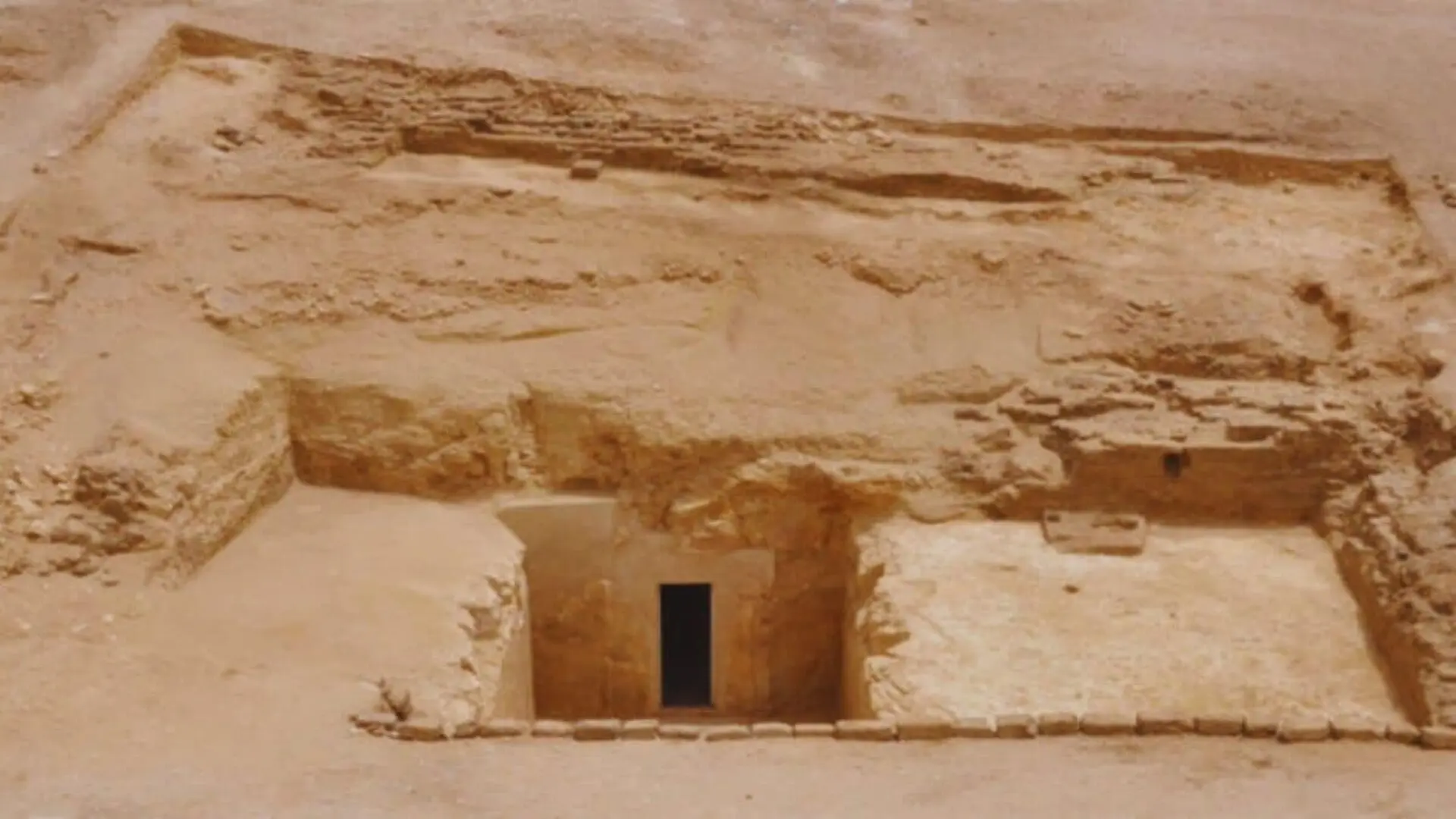
Archaeologists working in the western Theban necropolis near Luxor have uncovered a rare, multi-layered burial site that offers a window into the evolution of ancient Egyptian funerary practices. Excavations within Side Chamber 3 of Theban Tomb 209 (TT 209) revealed the remains of 16 individuals and a single mummified dog, all meticulously positioned within a space that was repurposed and filled over three centuries.
The research, published in Frontiers in Environmental Archaeology, was led by Jared Carballo-Pérez of the University of La Laguna and Leiden University. By mapping the spatial relationships between the bodies and their accompanying artifacts, the team reconstructed a timeline of how the chamber’s use shifted from the Twenty-fifth Dynasty through the Persian period.
A Shifting Landscape of Rest
During the earliest phase of the tomb’s use, between 754 and 656 BCE, the chamber was organized with deliberate, orderly spacing. The primary occupants—two men in the eastern corner and two women in the southwest—were interred in wooden coffins, accompanied by prestige items such as faience beads, a scarab, and large Phoenician storage jars. These initial burials indicate a level of social standing that allowed for individual space within the tomb.
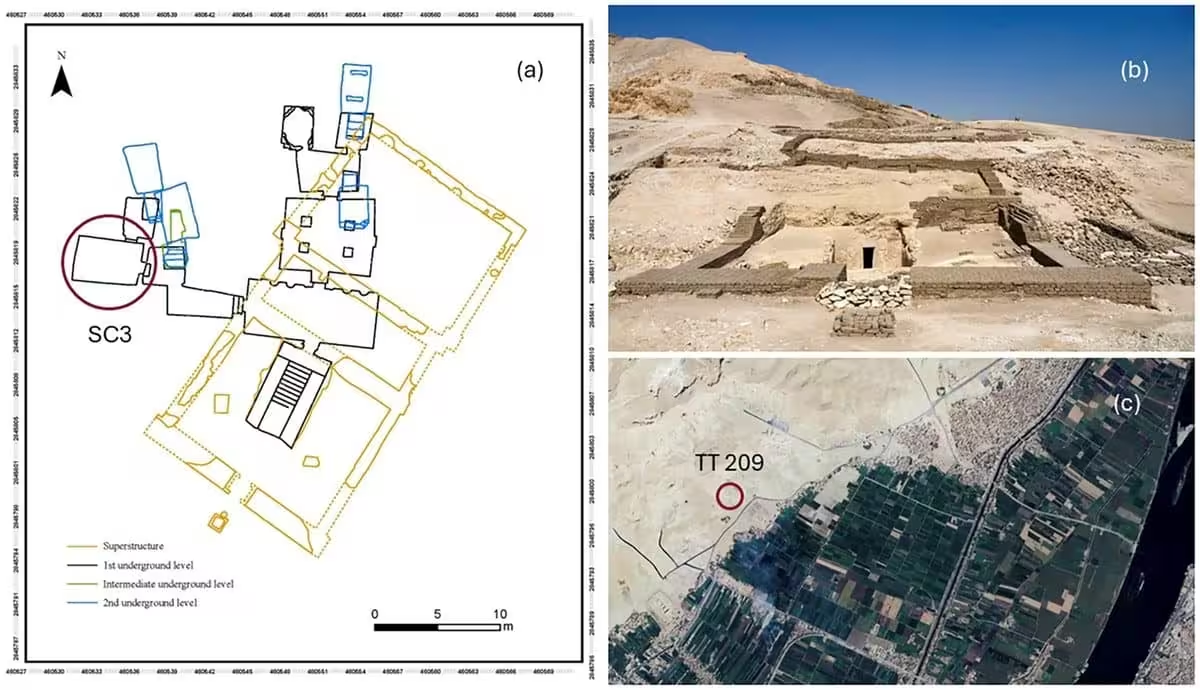
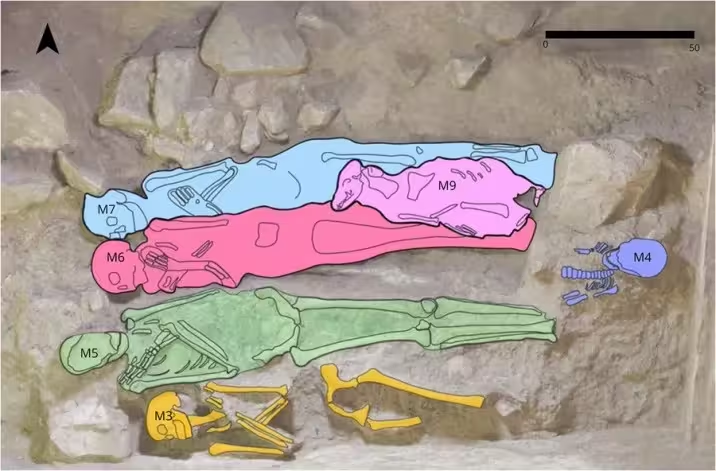
As the centuries progressed, the necropolis saw an increase in demand for burial space. From roughly 680 to 404 BCE, the once-open floor plan was replaced by a more congested arrangement. Researchers noted that approximately two-thirds of the remains were stacked atop or pressed against earlier burials. In one instance, a woman between 17 and 20 years old was interred directly above a man over the age of 60.
According to Carballo-Pérez, the absence of coffins in later layers does not necessarily imply a drop in socioeconomic status. Despite the lack of wooden enclosures, the bodies remained carefully mummified, and the funerary positioning evolved to reflect changing religious conventions, specifically a shift toward the Osiris-linked pose with arms crossed over the chest.
An Enigmatic Animal Companion
Perhaps the most striking find within the chamber was the inclusion of a mummified dog. Located in the southeastern corner, the remains of the animal were placed across the legs of two human occupants, a man and a woman, who had been buried together during the Persian period.
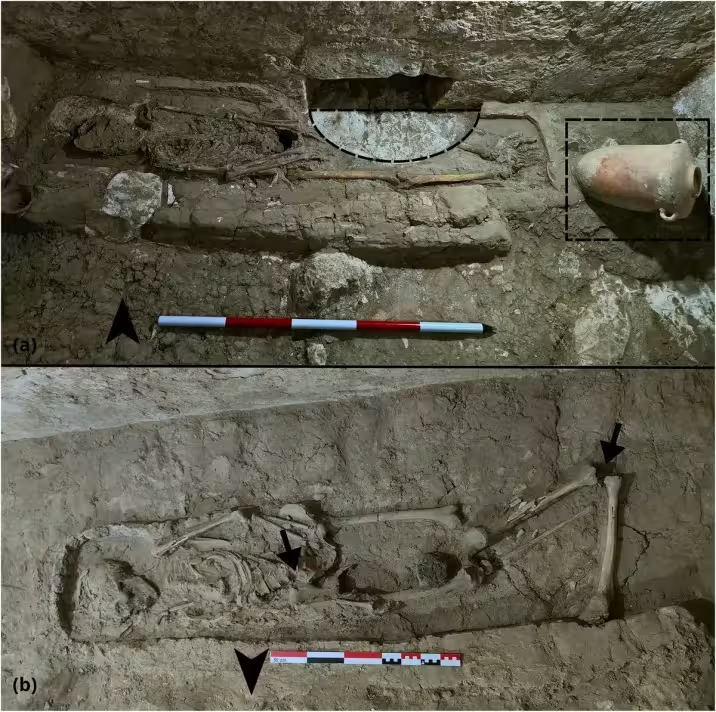
Senior study author Miguel Ángel Molinero Polo suggests that the dog may have functioned as a psychopomp, a symbolic guide intended to assist the deceased on their transition into the afterlife. The intentionality of the placement—directly over the human remains rather than being discarded or stored elsewhere—points toward a significant ritualistic purpose.
The site has faced historical challenges, including flood damage and the presence of burned bone fragments representing at least four other individuals. Despite these disruptions, the meticulous documentation of the remaining connections between the skeletons has allowed the team to decode the complex, long-term history of this sacred space.
This article has been fact checked for accuracy, with information verified against reputable sources. Learn more about us and our editorial process.
Last reviewed on .
Article history
- Latest version
Reference(s)
- Carballo-Pérez, Jared., et al. “From individualized mummies to collective accumulations: an archaeothanatological analysis of funerary reuse in Theban Tomb 209 (Twenty-Fifth Dynasty–Ptolemaic Egypt).” Frontiers in Environmental Archaeology, vol. 5, August 18, 2026 Frontiers Media SA, doi: 10.3389/fearc.2026.1888379. <https://doi.org/10.3389/fearc.2026.1888379>.
- <https://www.researchgate.net/profile/Jared-Carballo-Perez>.
- gciencia, “Miguel Ángel Molinero Polo -.”, September 6, 2021 <https://www.ull.es/portal/cienciaull/miguel-angel-molinero-polo/>.
Cite this page:
- Posted by Vikram Desai