Miners Searching for Diamonds in a Namibian Desert Uncover a 500 Year Old Shipwreck Filled With Gold
A 500-year-old shipwreck filled with gold coins has been unearthed in a Namibian diamond mine, revealing secrets of a vanished maritime trading world.
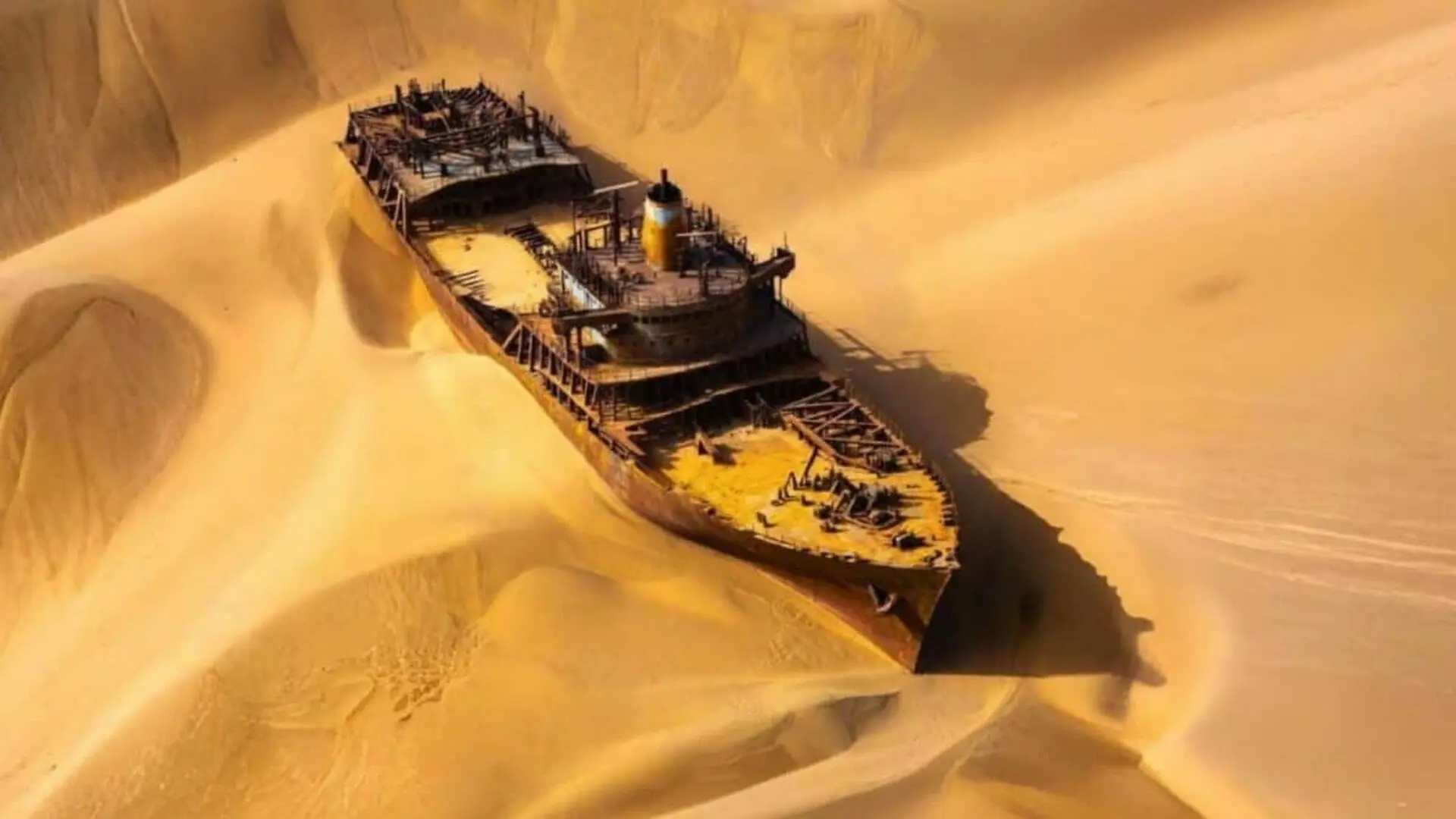
In April 2008, miners scouring Namibia’s Atlantic coast for diamonds stumbled upon a historical treasure far more significant than the gems they were seeking. Deep within the Sperrgebiet, a heavily guarded mining zone near the Orange River mouth, excavation work unearthed the wreckage of the Bom Jesus, a Portuguese merchant vessel that vanished in 1533 while en route to India.
An Unexpected Discovery in the Diamond Fields
The survival of the Bom Jesus is an archaeological anomaly. The ship did not merely rest on the seabed; it was entombed within a coastal environment that, while harsh, acted as a natural preservation chamber. Heavy cargo helped anchor the vessel, while shifting sands shielded the wood from the typical decay caused by marine organisms and shifting tides. The site was managed by Namdeb, a joint venture between the Namibian government and the De Beers Group, which halted operations to allow specialists to document the find.
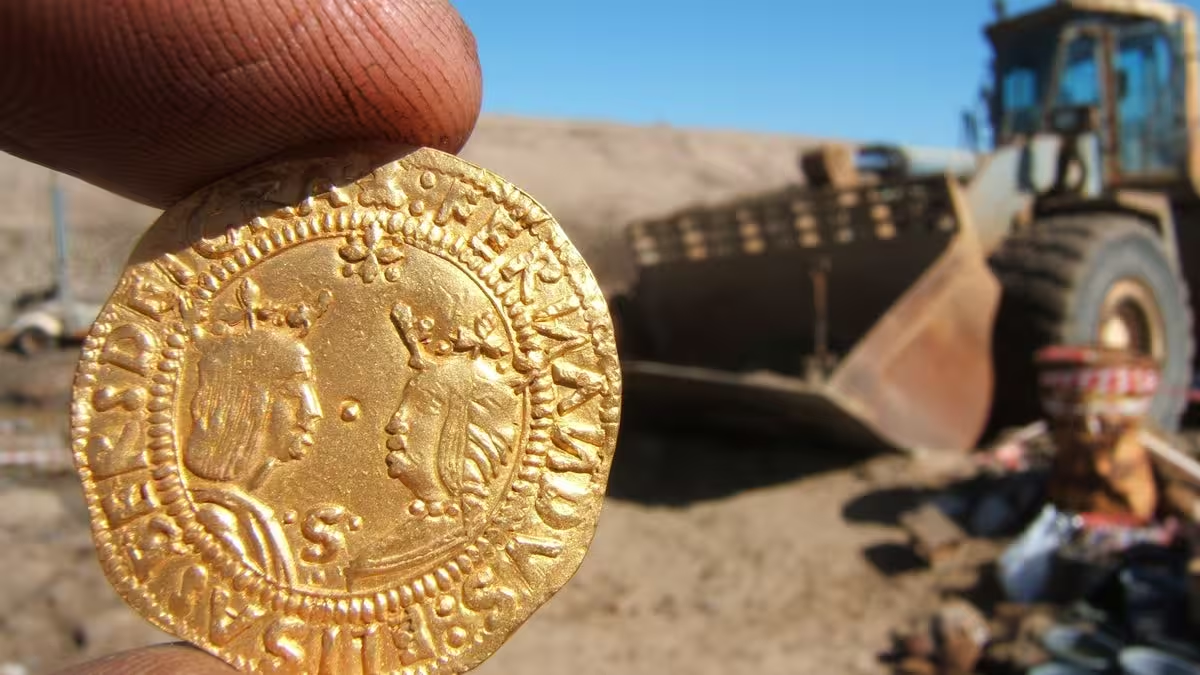
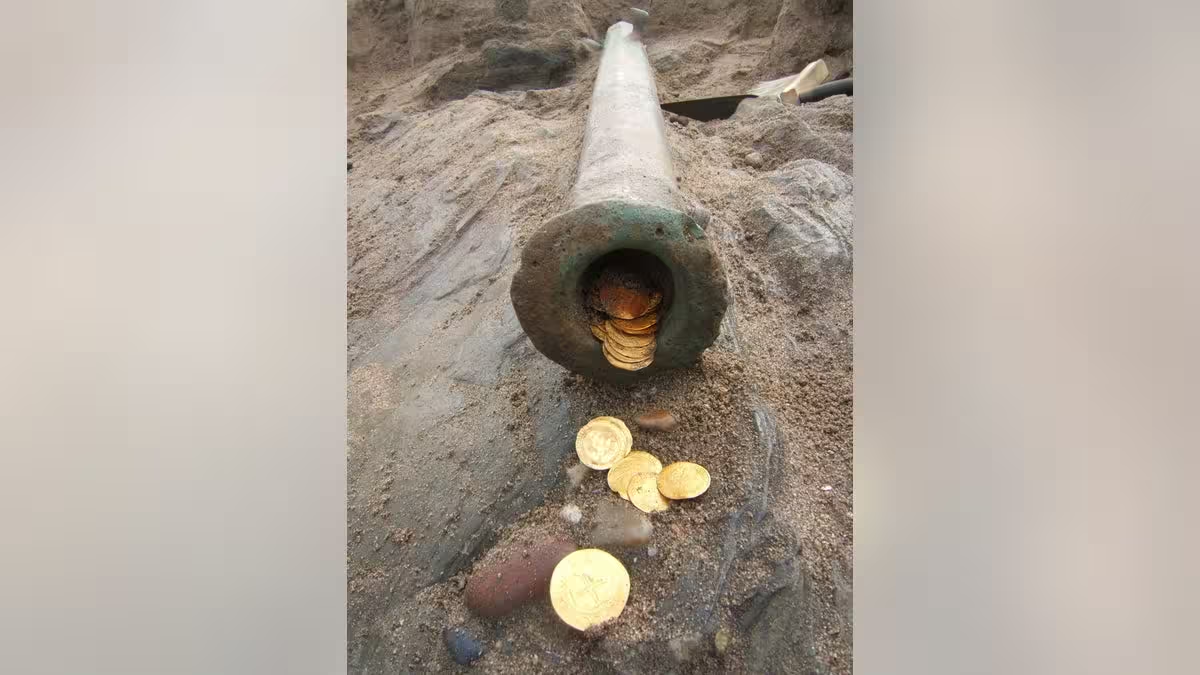
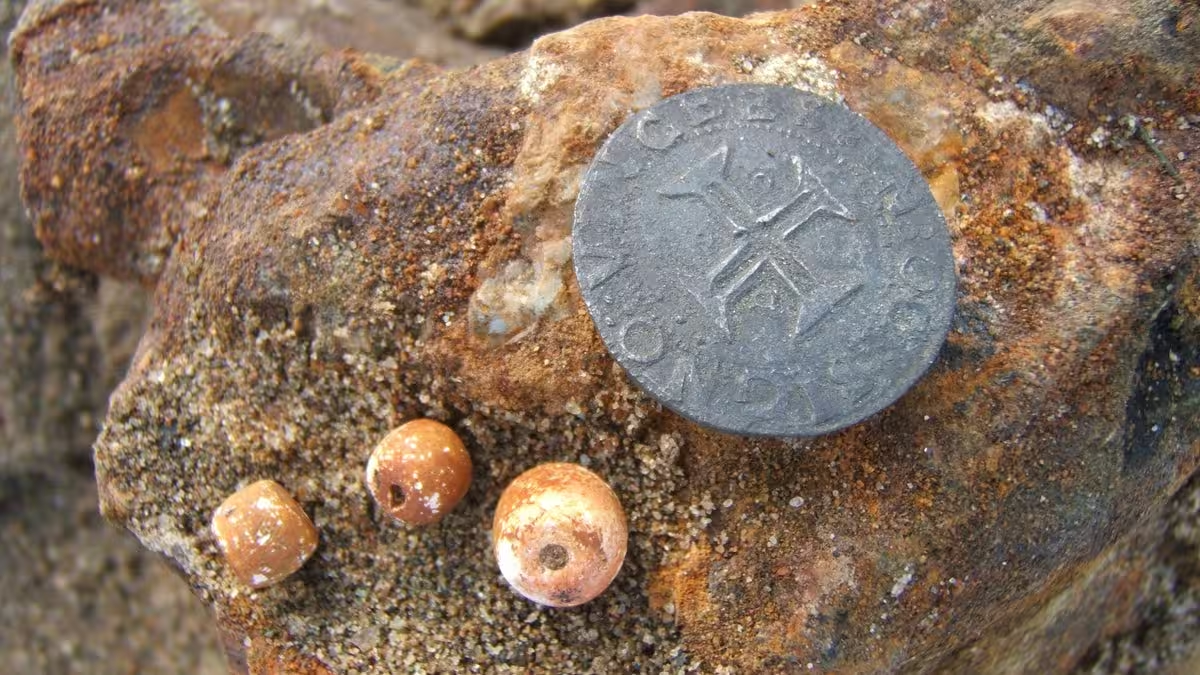
The cargo revealed a sophisticated snapshot of 16th-century global commerce. Among the debris, archaeologists recovered 22 tons of copper ingots, many bearing the trident stamp of the Fugger family, prominent bankers in Renaissance Europe. Alongside the metal were ivory tusks, navigation tools, weaponry, and a staggering collection of over 2,000 gold coins weighing nearly 23 kilograms. The presence of these coins, minted during the reign of King João III, helped researchers anchor the wreck to the early 1500s.
Tracing the Lost Voyage
While the ship’s identity is widely attributed to the Bom Jesus, commanded by Dom Francisco de Noronha, confirming the exact details has proven difficult. Much of the primary archival evidence regarding early Portuguese voyages was lost during the devastating 1755 Lisbon earthquake, fires, and tsunamis. Consequently, historians have relied on the recovered physical cargo to map the vessel’s intended route and its role in the global trade networks that bridged Europe, Africa, and Asia.
Archaeologist Dieter Noli, who has extensively documented the region, notes that the maritime conditions along the Namibian coast are notoriously unforgiving. The fate of the crew remains a mystery, as the lack of human remains at the site suggests that those aboard may have attempted to reach shore after the ship foundered. “A winter storm along this coast is no joke,” Noli observed in reports regarding the site.
Preserving a Submerged Legacy
The recovery process initiated after the find adheres to the UNESCO Convention on the Protection of the Underwater Cultural Heritage, which mandates the careful conservation of recovered artifacts to prevent rapid deterioration upon exposure to air. This scientific rigor ensures that the items, once separated by centuries of neglect, are managed to maintain their integrity for ongoing research.
For modern historians, the Bom Jesus provides more than just gold and artifacts; it offers a rare, intact look at the transoceanic trade networks that defined the early modern era. By connecting the financial interests of European banking dynasties with the extraction of African resources and the massive demand in Asian markets, the wreck serves as a physical testament to an interconnected world that existed long before the modern age of globalization.
This article has been fact checked for accuracy, with information verified against reputable sources. Learn more about us and our editorial process.
Last reviewed on .
Article history
- Latest version
Reference(s)
- “Convention on the Protection of the Underwater Cultural Heritage.”, April 29, 2026 <https://www.unesco.org/en/legal-affairs/convention-protection-underwater-cultural-heritage>.
- <https://www.sciencedirect.com/science/article/abs/pii/S1040618214003636>.
Cite this page:
- Posted by Vikram Desai