Only Two Viking Helmets Have Ever Been Found And Neither Had Horns
While the Vikings hold a legendary reputation, archaeologists still lack a complete understanding of their most iconic piece of gear: the helmet.
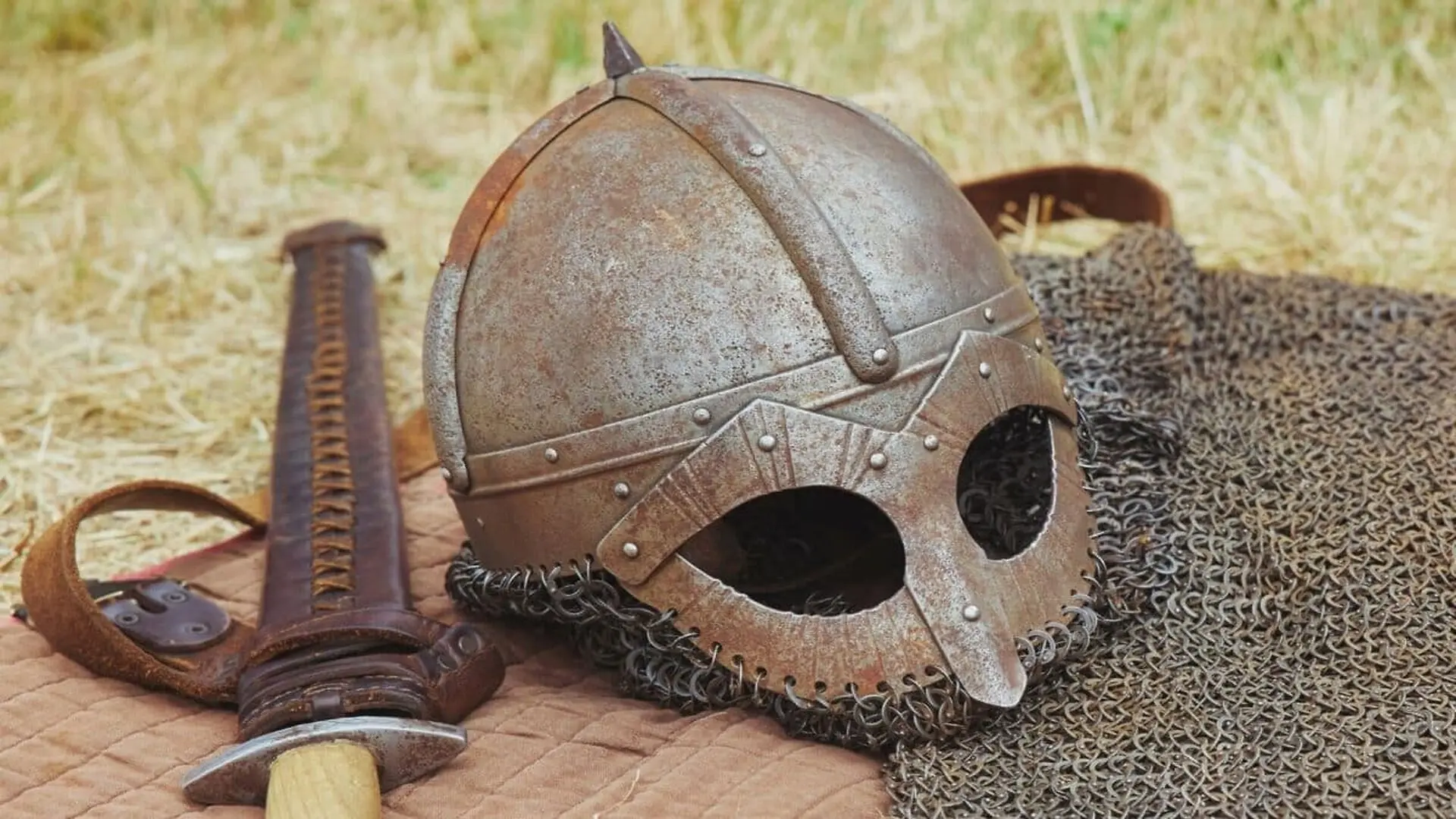
Despite their enduring reputation as fearsome maritime raiders who left an indelible mark on history, the Vikings remain surprisingly elusive in the archaeological record when it comes to their combat gear. Among the most striking gaps in our knowledge is the scarcity of protective headgear, with only two near-complete helmets recovered from the entirety of the Viking Age.
The Rarity of Norse Protective Gear
Spanning from the late eighth to the 11th century, the reach of Viking influence extended from the shores of North America to the heart of the Middle East. While excavations have uncovered vast quantities of weaponry, trade goods, and settlement remains, the physical evidence for the helmets they wore is exceptionally thin. The Gjermundbu helmet, unearthed in Norway, and the Yarm helmet, found in England, represent the only significant survivors of their kind. These findings do more than just document ancient armor; they systematically dismantle the popular myth of the horned Viking warrior.
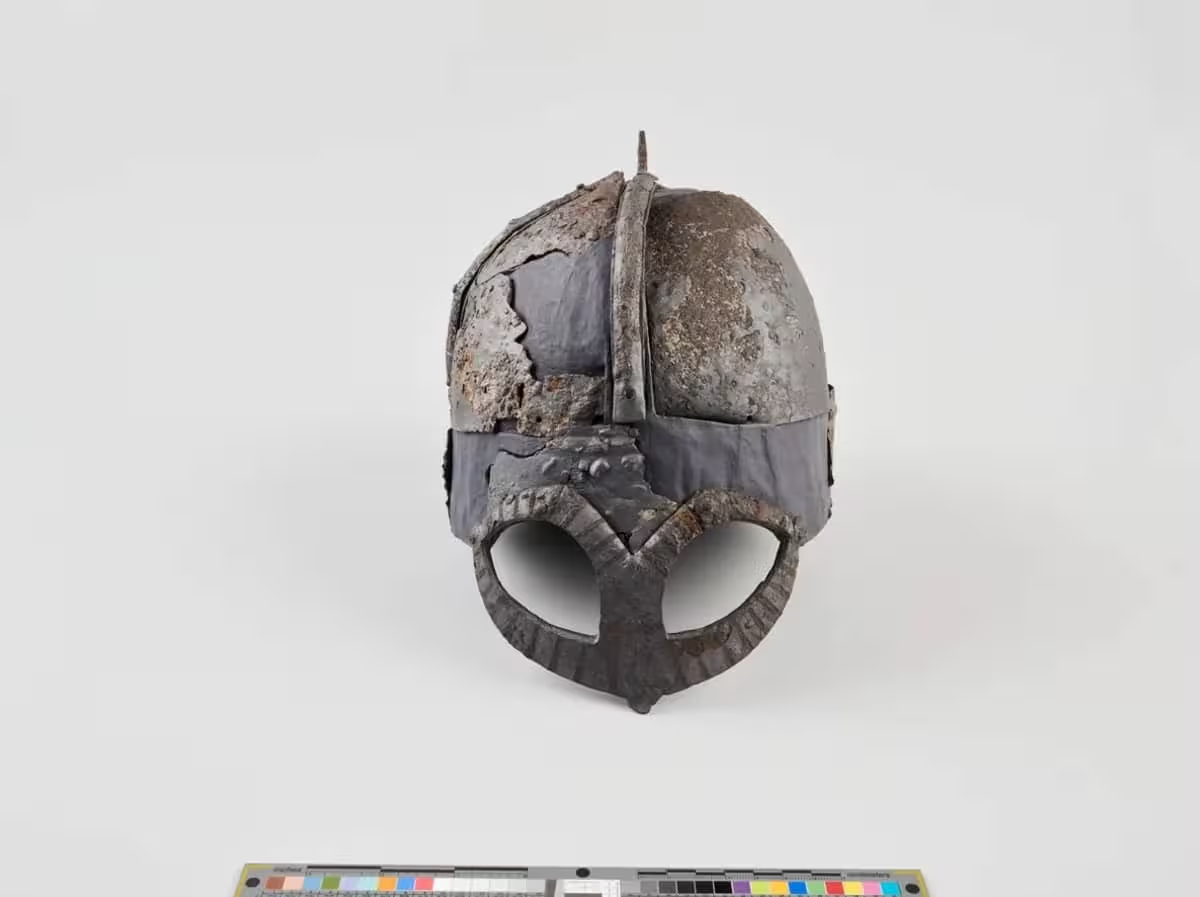
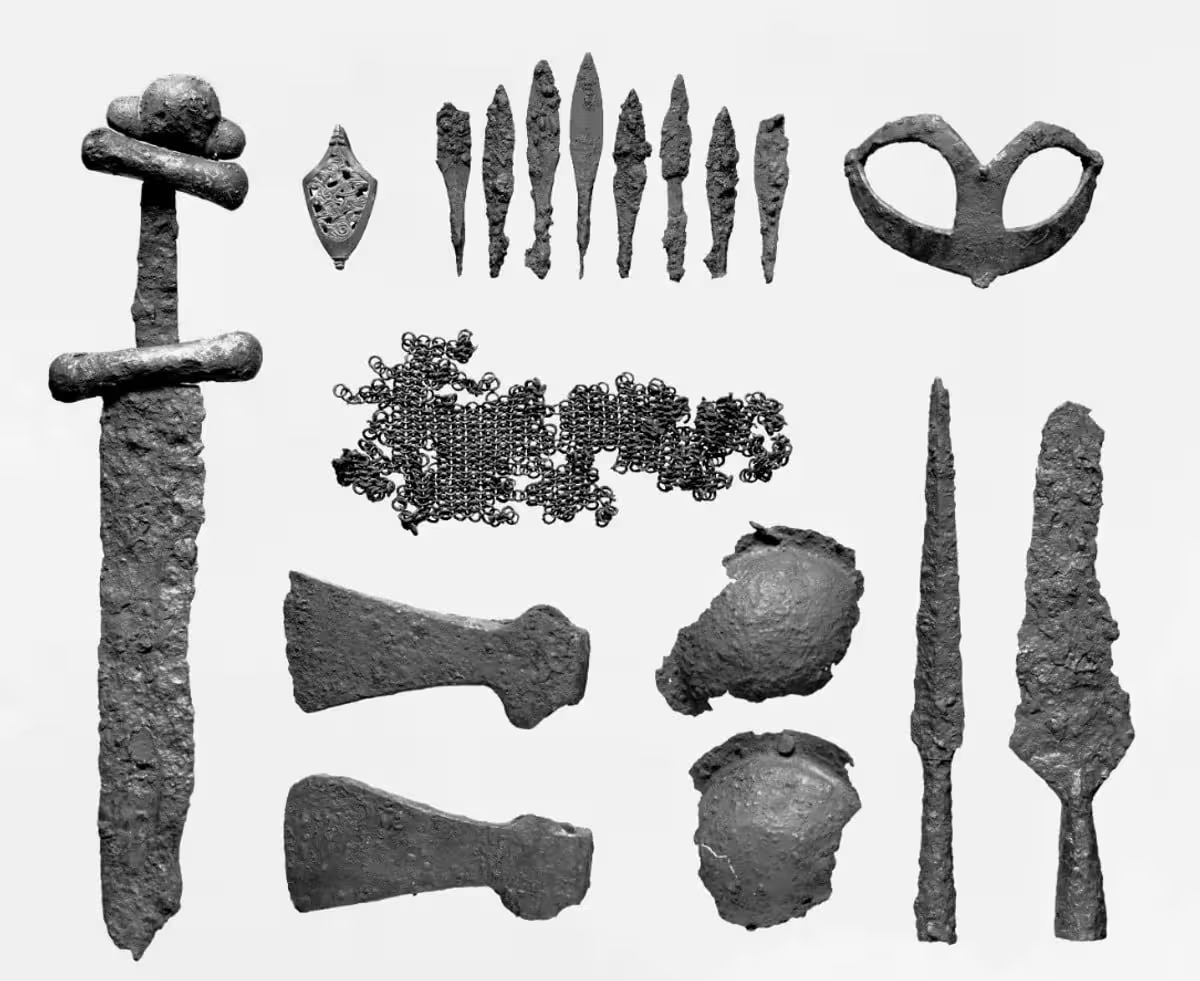
The Gjermundbu helmet, discovered in 1943 within a Ringerike burial mound, offers the most detailed glimpse into Norse craftsmanship. Recovered in nine fragments and dating back to approximately 950–975 CE, it was found alongside the remains of a high-status warrior. It remains the singular near-complete example of a helmet from Scandinavia. According to Marianne Moen, Head of Archaeology at the Museum of the Viking Age, the dearth of such artifacts likely stems from the perishable materials used in their construction. She notes that many helmets may have been crafted from organic components that simply did not survive the rigors of time, or perhaps they were far less common than modern portrayals suggest.
Deconstructing the Horned Helmet Myth
The image of a Viking adorned with horns is a staple of global pop culture, yet there is zero archaeological evidence to support it. Moen points out that historical artwork from the preceding Vendel period depicts figures in ritualized contexts, such as weapon dancers, who appear to be wearing horned headpieces. However, she argues that these are likely ceremonial depictions of mythological beings rather than practical battlefield equipment.
The persistence of the horned stereotype is a modern invention, largely cemented in the 19th century by costume designers for Richard Wagner’s opera cycle, Der Ring des Nibelungen. While these theatrical designs became synonymous with Norse warriors, the actual archaeological record tells a more grounded story of functional, iron-based protection that lacks the theatrical flair of modern cinema.

This article has been fact checked for accuracy, with information verified against reputable sources. Learn more about us and our editorial process.
Last reviewed on .
Article history
- Latest version
Cite this page:
- Posted by Vikram Desai