Rare 13 Foot Doomsday Fish Found on Indonesian Beach Sparks New Debate Over Ancient Legends
A rare 13-foot oarfish found on Indonesia’s Komodo Island has sparked intrigue due to persistent Japanese legends linking the species to impending disasters.
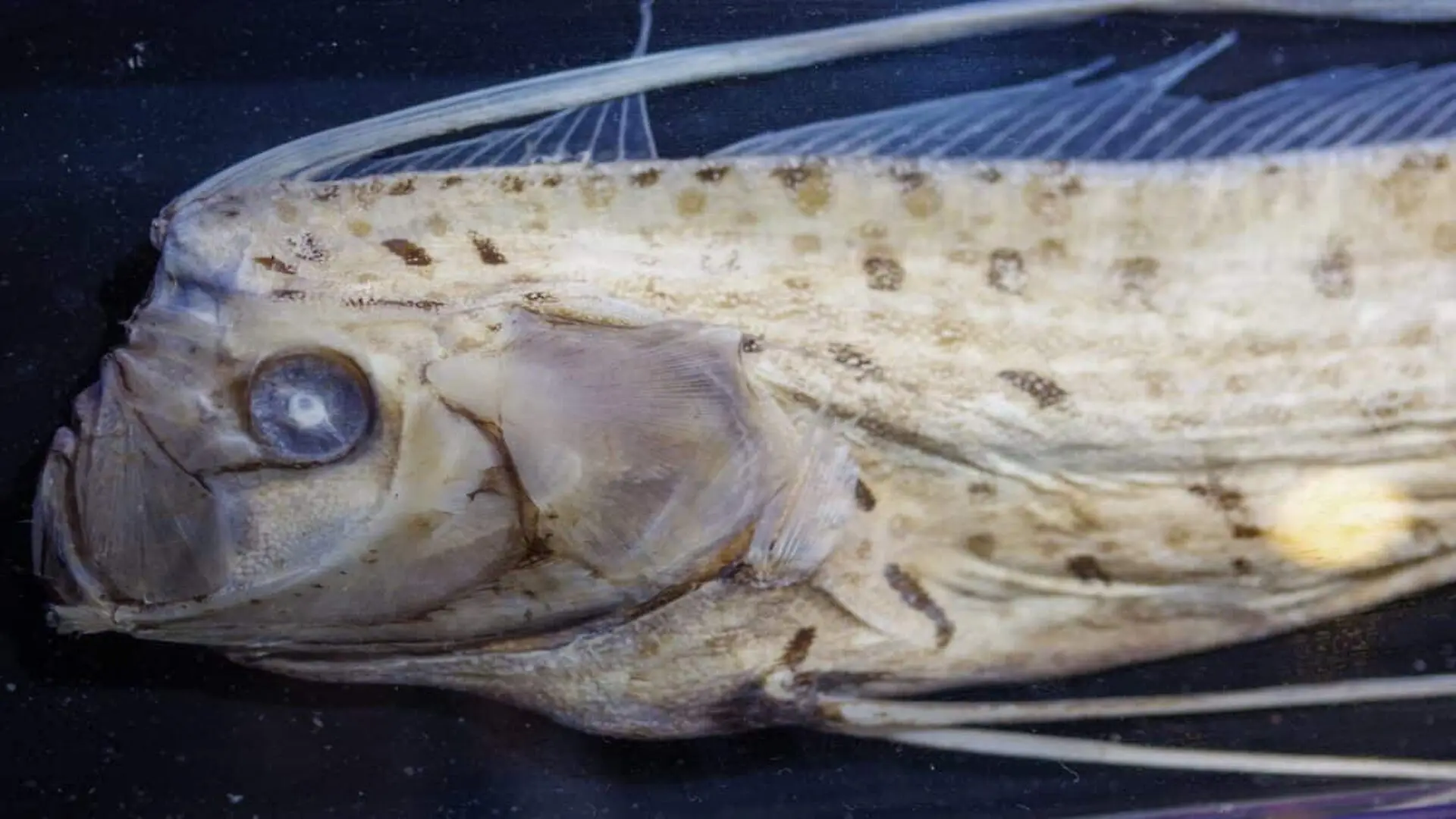
A rare, 13-foot-long oarfish surfaced on the southeastern coast of Indonesia’s Komodo Island this Tuesday, drawing significant public attention and reigniting long-standing debates over its mythical reputation. Discovered at approximately 7:30 a.m. by a visitor camping in the area, the massive specimen was eventually cleared from the shore by locals, as reported by detikBali.
Myth Versus Reality in Deep-Sea Biology
Often dubbed the doomsday fish, the oarfish occupies a unique space in cultural history. In Japanese folklore, these elusive creatures are frequently cast as harbingers of seismic upheaval, traditionally viewed as messengers sent from the palace of the sea god to warn of impending earthquakes or tsunamis. This perception has persisted for generations, despite a complete lack of empirical evidence linking the appearance of these deep-sea dwellers to tectonic activity.
Marine experts and biologists have consistently dismissed these disaster-related associations as myth. While the spectacle of such a large, rarely seen fish washing ashore is naturally alarming, scientists maintain that these events are likely driven by biological factors, such as injury, illness, or shifts in ocean currents that push the creatures out of their typical deep-water habitats.
— memeng 2 (@DambaanA) August 25, 2026
A History of Unusual Strandings
Public fascination with the oarfish often spikes following major seismic events. A frequently cited, though scientifically unproven, case involves the discovery of nearly two dozen oarfish off the coast of Japan in the lead-up to the 2011 Tōhoku earthquake. Similar claims have emerged following smaller tremors in the Philippines, India, and California, yet the scientific community remains resolute: there is no established mechanism by which these fish can predict geological shifts.
Not every encounter with an oarfish is tied to catastrophe. Earlier this year, in February 2026, beachgoers in Cabo San Lucas, Mexico, discovered two large oarfish in shallow waters. In that instance, the tourists, including Monica Pittenger and her sister, successfully assisted the fish, returning them to deeper, safer waters where they were able to swim away. That incident served as a rare, positive reminder that these creatures are often simply disoriented rather than predictors of disaster.
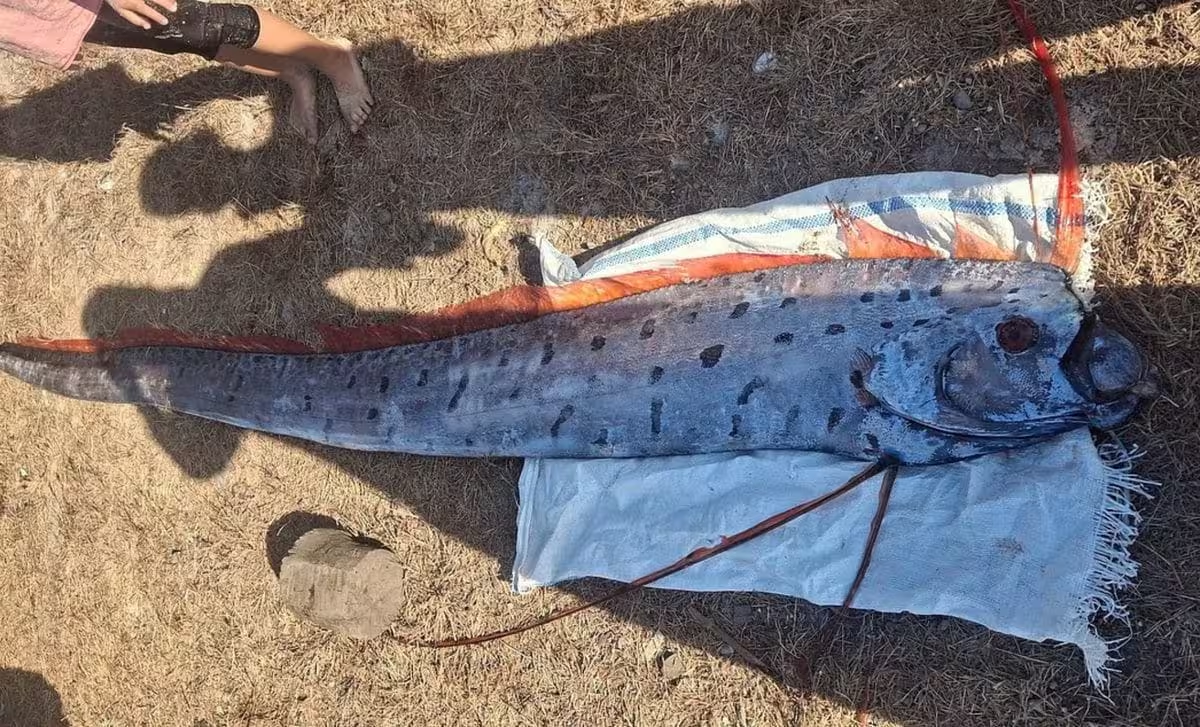
As researchers continue to study these extraordinary marine animals, the focus remains on understanding their biology and the environmental pressures of their deep-sea habitats. While the Indonesian discovery has prompted a wave of online discourse, it ultimately serves as a reminder of the divide between human superstition and the complex, often mysterious reality of life beneath the waves as reported by the DailyMail.
This article has been fact checked for accuracy, with information verified against reputable sources. Learn more about us and our editorial process.
Last reviewed on .
Article history
- Latest version
Reference(s)
- Ardi, Sanusi. “Heboh Ikan 'Kiamat' Oarfish 4 Meter Terdampar di Pantai Pink Lombok.”, August 25, 2026 detikcom <https://www.detik.com/bali/nusra/d-8634160/heboh-ikan-kiamat-oarfish-4-meter-terdampar-di-pantai-pink-lombok>.
- Liberatore, Stacy. “Ominous 13ft 'doomsday fish' washes up dead as eerie legend claims catastrophe could follow.”, August 26, 2026 Daily Mail <https://www.dailymail.com/sciencetech/article-16081981/doomsday-fish-washes-ashore-indonesia.html?ns_mchannel=rss&ns_campaign=1490&ito=1490>.
Cite this page:
- Posted by Vikram Desai