Hidden Louisiana Swamp Mounds Reveal Ancient Builders Long Before The Pyramids
Archaeologists have unearthed a 5,000-year-old site that challenges everything we knew about the engineering capabilities of ancient civilizations.
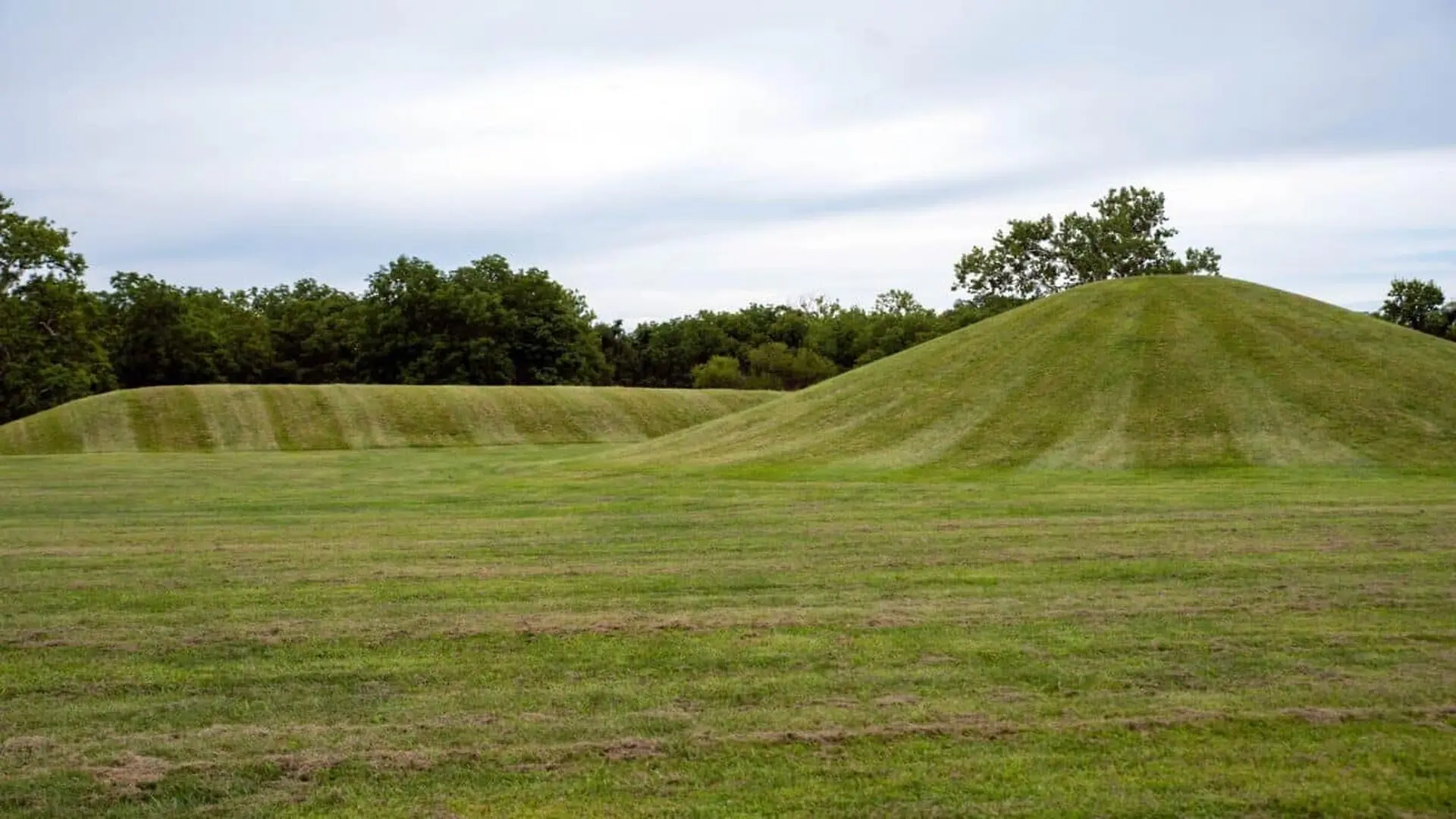
Deep within the wetlands of the Ouachita River Valley in Louisiana lies a monumental architectural feat that has fundamentally reshaped our understanding of early human history. Known as Watson Brake, this 5,400-year-old complex of earthen mounds proves that hunter-gatherer societies were capable of large-scale, organized engineering nearly two millennia before the construction of Egypt’s most famous pyramids.
Rewriting the History of Ancient Civilizations
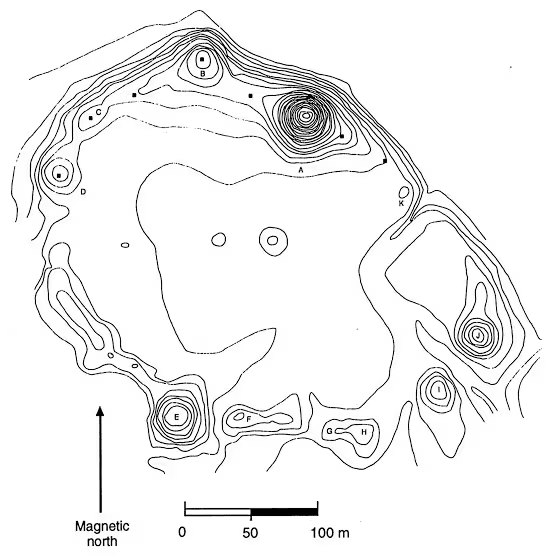
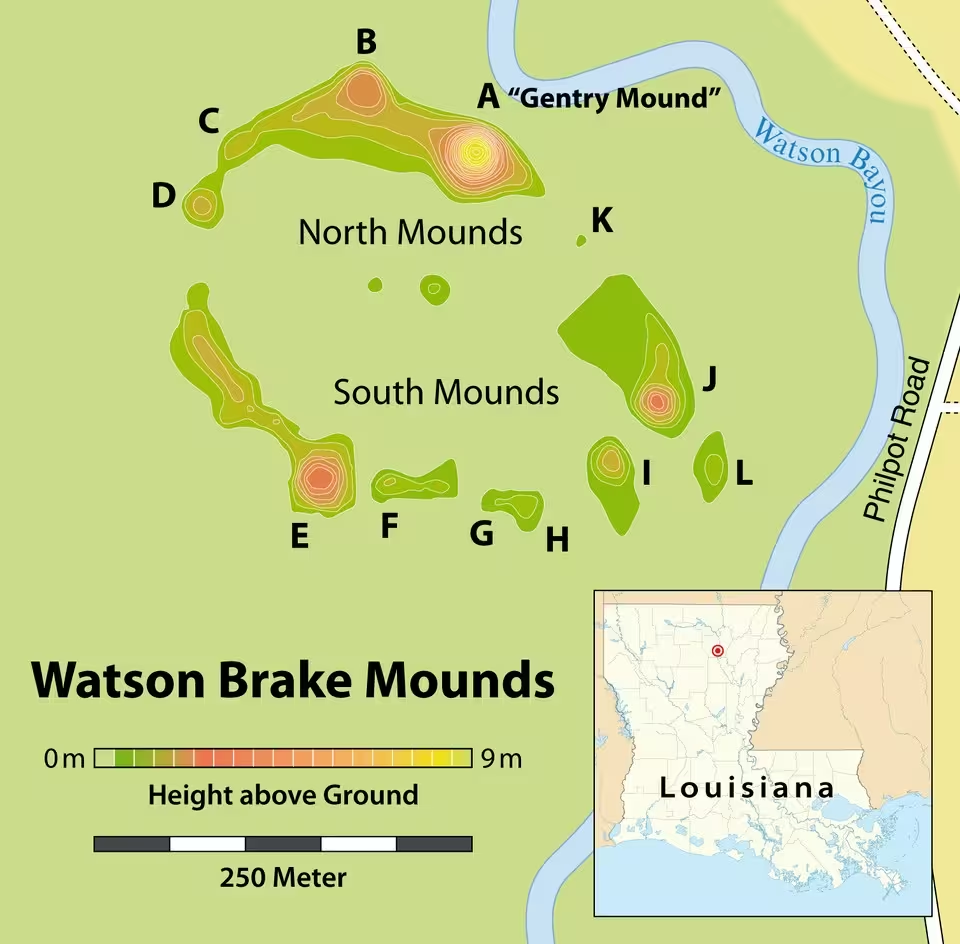
For generations, these ancient earthworks were obscured by dense forest and swamp vegetation, remaining largely invisible to the untrained eye. It was not until 1981 that amateur archaeologist Reca Jones recognized that the peculiar, structured formations in the terrain were not products of nature. After local logging operations cleared away the overgrowth, Jones identified a sophisticated circular arrangement of eleven mounds linked by a series of man-made ridges.
The site eventually caught the attention of professional archaeologists, including Joe Saunders, who conducted extensive research into Louisiana’s ancient landscapes. While the Poverty Point site was previously celebrated as the pinnacle of early mound construction in the region, Watson Brake pushed the timeline of North American monument building back significantly further.
Chronology and Engineering Precision
Rigorous radiocarbon dating in the 1990s confirmed that the site was constructed around 3400 B.C.E., with development spanning roughly 400 years. A landmark 1997 study published in Science, led by Joe Saunders and soil scientist Thurman Allen, established that Watson Brake predated other known enclosed mound complexes in North America by approximately 1,900 years.
The builders employed advanced techniques, including the intentional compaction of soil to ensure the longevity of the structures. With the largest mound reaching heights of roughly 25 feet, researchers estimate the project demanded at least 100,000 hours of human labor, indicating a high degree of communal cooperation.
Life Within the Evans Culture
The architects of this site were members of the Evans culture, a nomadic group that thrived on hunting, fishing, and gathering rather than permanent agriculture. Evidence gathered at the site—including projectile points, animal bones, shells, and cooking stones—suggests a community deeply connected to the seasonal availability of aquatic and plant resources. Notably, they collected specific plants that would eventually become the earliest domesticated crops in eastern North America.
This discovery has challenged long-held anthropological theories that monumental architecture was exclusively a product of sedentary, agricultural civilizations with rigid hierarchies. Instead, Watson Brake reveals that mobile groups were capable of impressive social coordination without the presence of a central authority figure or a permanent city.
A Legacy of Archaeological Discovery
Current research suggests that Watson Brake served as a seasonal hub, a place where disparate groups returned periodically to collaborate on a shared architectural vision. This revelation has triggered a new wave of interest in North American antiquity, leading to further discoveries such as the Monte Sano mounds near Baton Rouge, which date back roughly 7,000 years.
Ultimately, Watson Brake stands as a testament to the sophistication of early human societies. It serves as a reminder that the history of human achievement is far older and more complex than traditional narratives often suggest.
This article has been fact checked for accuracy, with information verified against reputable sources. Learn more about us and our editorial process.
Last reviewed on .
Article history
- Latest version
Reference(s)
- Saunders, Joe W.., et al. “A Mound Complex in Louisiana at 5400-5000 Years Before the Present.” Science, vol. 277, no. 5333, September 19, 1997, pp. 1796-1799. American Association for the Advancement of Science (AAAS), doi: 10.1126/science.277.5333.1796. <https://www.science.org/doi/abs/10.1126/science.277.5333.1796>.
- “Arkansas Democrat Gazette.” <https://www.arkansasonline.com/obituaries/2017/sep/18/joe-saunders-2017-09-18/>.
- projects, Contributors. “archaeological site in Ouachita Parish, Louisiana, United States.”, June 22, 2005 Wikimedia Foundation, Inc. <https://en.wikipedia.org/wiki/Watson_Brake>.
Cite this page:
- Posted by Vikram Desai