Archaeologists Are Exploring a Massive Lost Roman Port Found Beneath the Bay of Naples
An ancient sunken city is emerging off Italy’s coast after 2,000 years, revealing extraordinary archaeological finds that could change history forever.
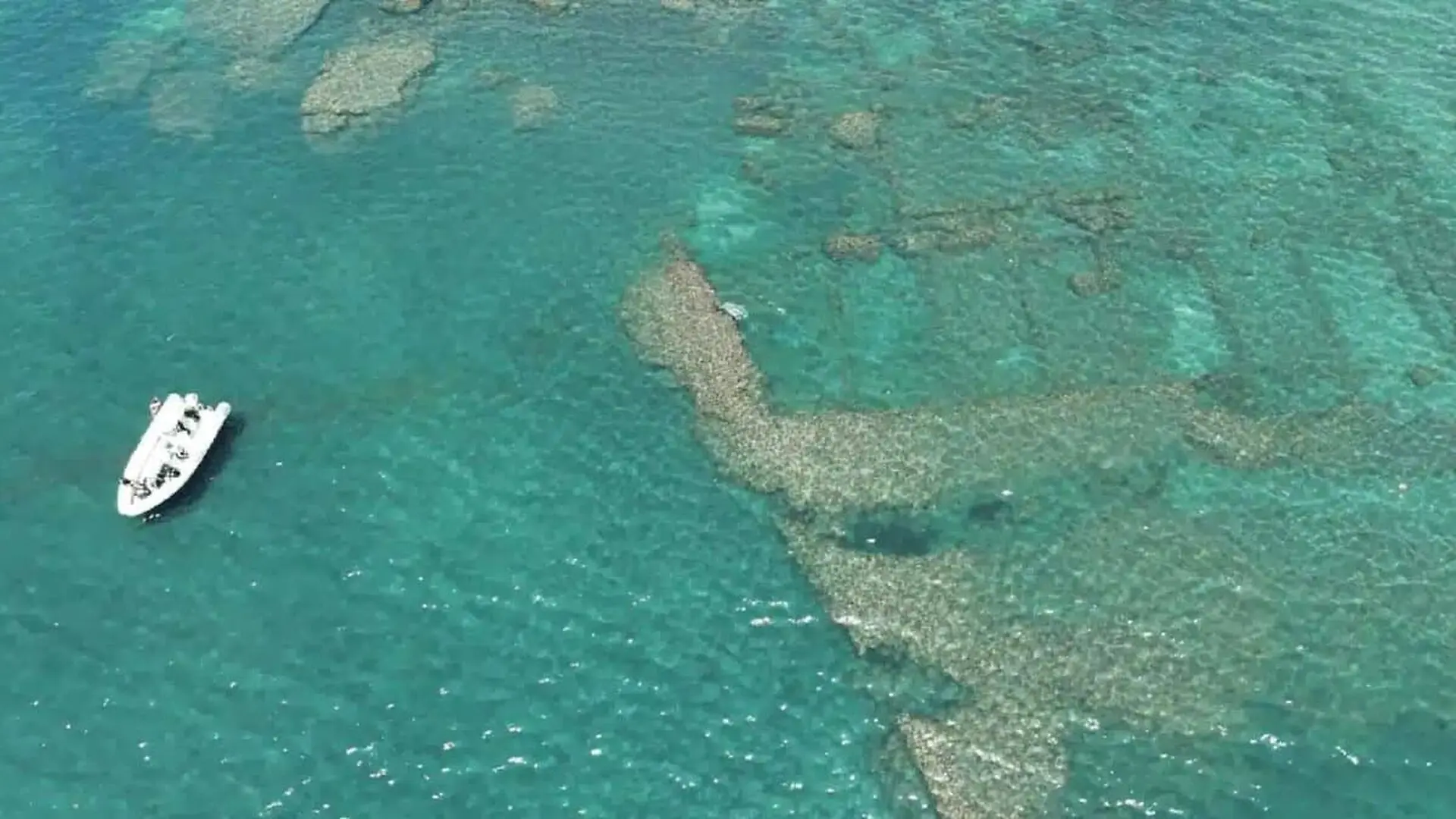
Hidden beneath the gentle waves of the Bay of Naples, the ancient port of Puteoli is slowly revealing the secrets of its former glory. Once the premier commercial gateway for the Roman Empire, the city now sits just three to five meters underwater, preserved by centuries of geological transformation. This submerged archaeological landscape offers a rare, intact glimpse into the industrial and mercantile engine that once powered Rome’s Mediterranean dominance.
The city’s decline into the sea was driven by bradyseism, a volcanic process characteristic of the Campi Flegrei region that causes the ground to rise and fall over long periods. This slow, persistent subsidence eventually reclaimed nearly two kilometers of the ancient harbor district, effectively sealing workshops and warehouses in a watery tomb for nearly two millennia.
Mapping a Lost Maritime Metropolis
A multi-year research initiative, spanning from 2021 to 2027, is currently employing advanced technology to document the site. Led by Dr. Michele Stefanile of the Italian Institute for Maritime Archaeology and Underwater Structures, the team is utilizing a combination of remotely operated vehicles (ROVs), precise 3D modeling, and GIS mapping to reconstruct the harbor’s original layout.
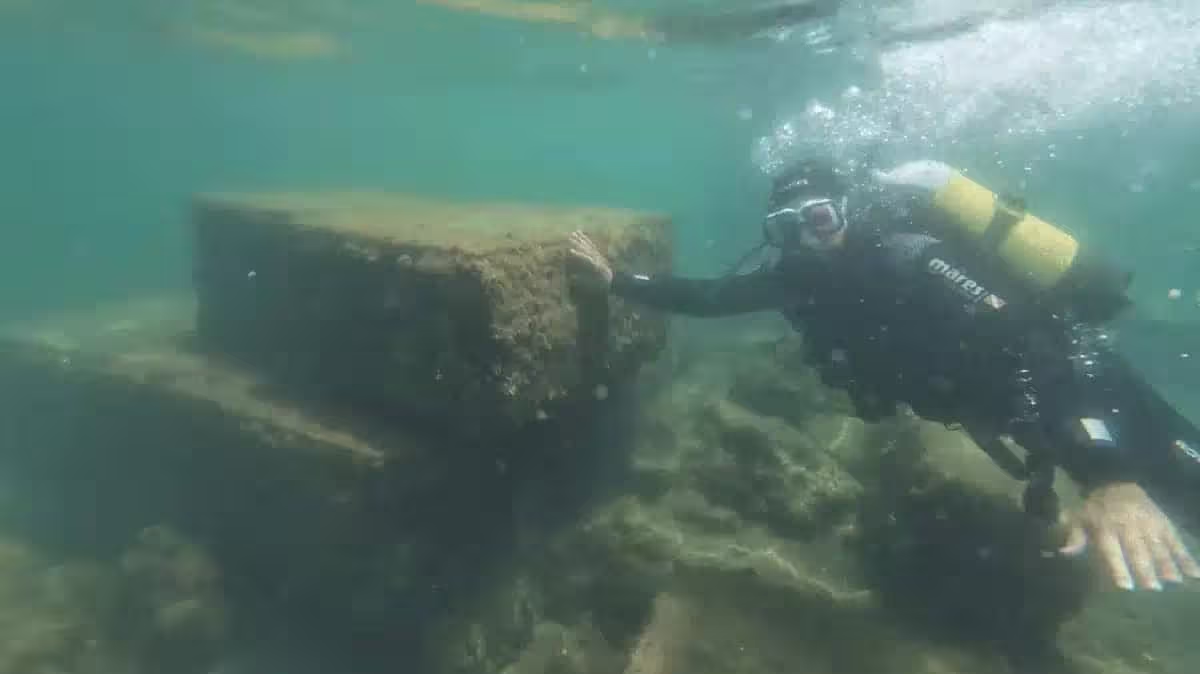
During underwater expeditions, researchers including Dr. Stefanile and Darius Arya of Ancient Rome Live have documented remarkably preserved structures, including marble-processing workshops and walls that still retain their original wooden framing.
The Discovery of a Rare Nabataean Sanctuary
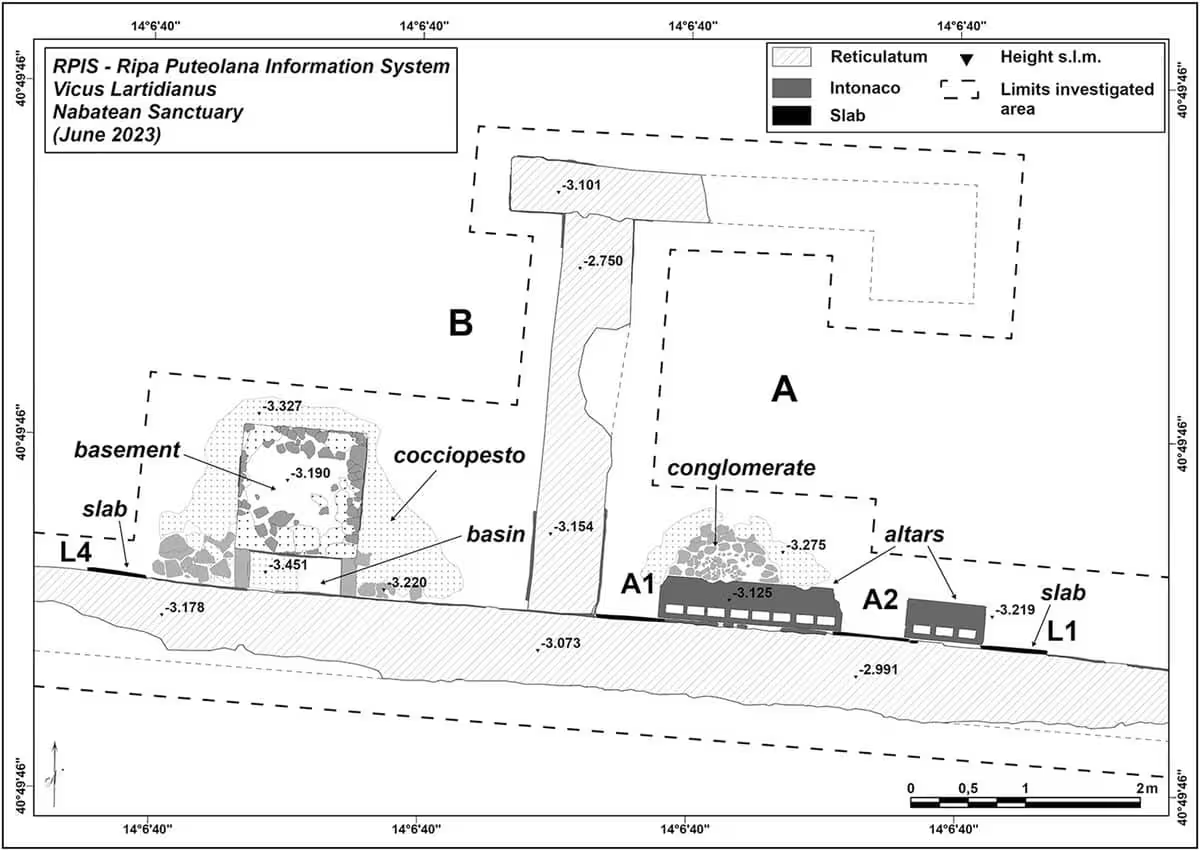
Perhaps the most significant find is the re-emergence of a Nabataean temple. Archaeologists believe this structure is unique, representing the only known example of a Nabataean place of worship situated outside the borders of the ancient Nabataean Kingdom. While initial evidence of the site was noted in the 1980s, funding shortages left the temple largely unexplored for decades. The current team successfully relocated the structure in 2021, revealing that it was fortified with layers of Roman concrete during the 2nd century AD, likely following the annexation of the Nabataean territory by Emperor Trajan.
Insights into the Roman Supply Chain
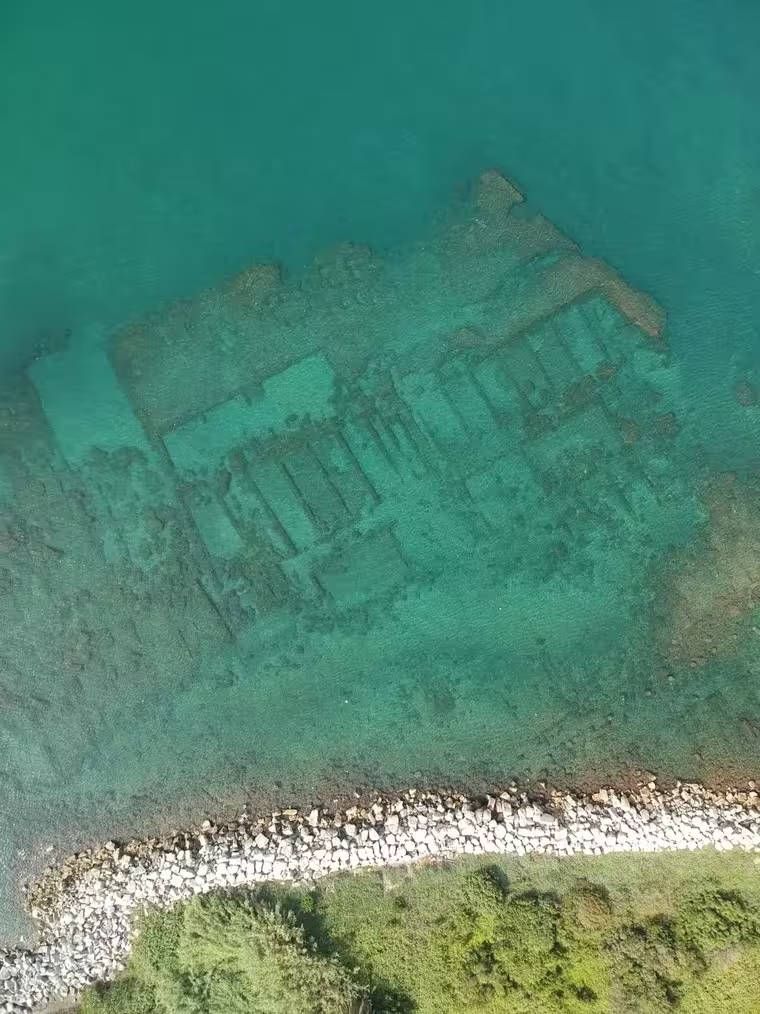
Beyond its monumental architecture, Puteoli served as a critical hub for the Roman grain supply. Researchers are currently analyzing the submerged granaries of the vicus Annianus, where Egyptian grain was processed and stored before distribution. These findings align with historical records, such as the Sulpicii wax tablets, which detail financial loans and logistics involving the very warehouses now under investigation.
Dr. Stefanile emphasizes the unparalleled archaeological value of the site, noting that the presence of well-preserved wooden fittings and structural elements provides a rare opportunity to study the internal mechanics of a Roman granary. “This may be the only site in the world where we can observe the internal organization of a Roman granary in such detail,” he remarked.
For experts like Darius Arya, Puteoli represents an essential yet overlooked chapter in Roman history. He identifies the site as the primary port for the empire, operating long before the construction of Ostia. While the gradual encroachment of the sea remains a tragedy for historical preservation, it has also created a unique underwater laboratory that continues to rewrite our understanding of how ancient Rome managed its vast network of trade and connectivity.
This article has been fact checked for accuracy, with information verified against reputable sources. Learn more about us and our editorial process.
Last reviewed on .
Article history
- Latest version
Reference(s)
- <https://independent.academia.edu/StefanileMichele>.
- “Ancient Rome Live | News | Rediscovering Rome's Forgotten Port: Puteoli Underwater.”, July 17, 2026 Ancient Rome Live <https://ancientromelive.org/news/rediscovering-romes-forgotten-port/>.
Cite this page:
- Posted by Vikram Desai