Europe Retires Sentinel-1A After 12 Years, Paving Way for Next-Gen Radar Satellites
ESA ends Sentinel‑1A after 12 years, closing a pioneering radar Earth‑observation era and clearing the path for next‑gen missions.
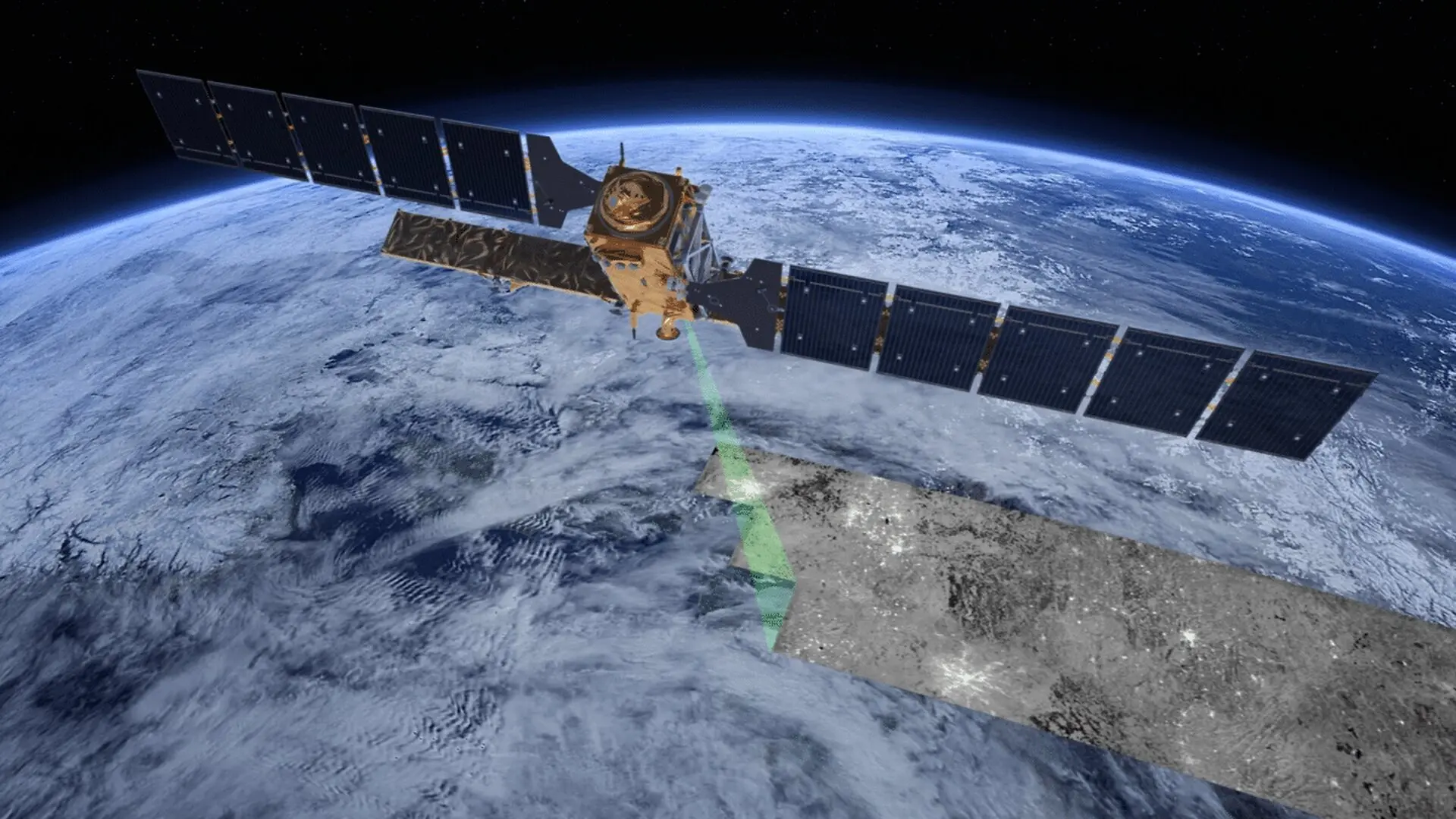
European space agencies have announced the retirement of Sentinel‑1A, the inaugural radar platform of the Copernicus Earth‑observation series. After more than ten years of uninterrupted synthetic‑aperture radar imaging, the satellite has reached the end of its service life, paving the way for the next generation of orbital radar assets.
Pioneering the Copernicus Radar Network
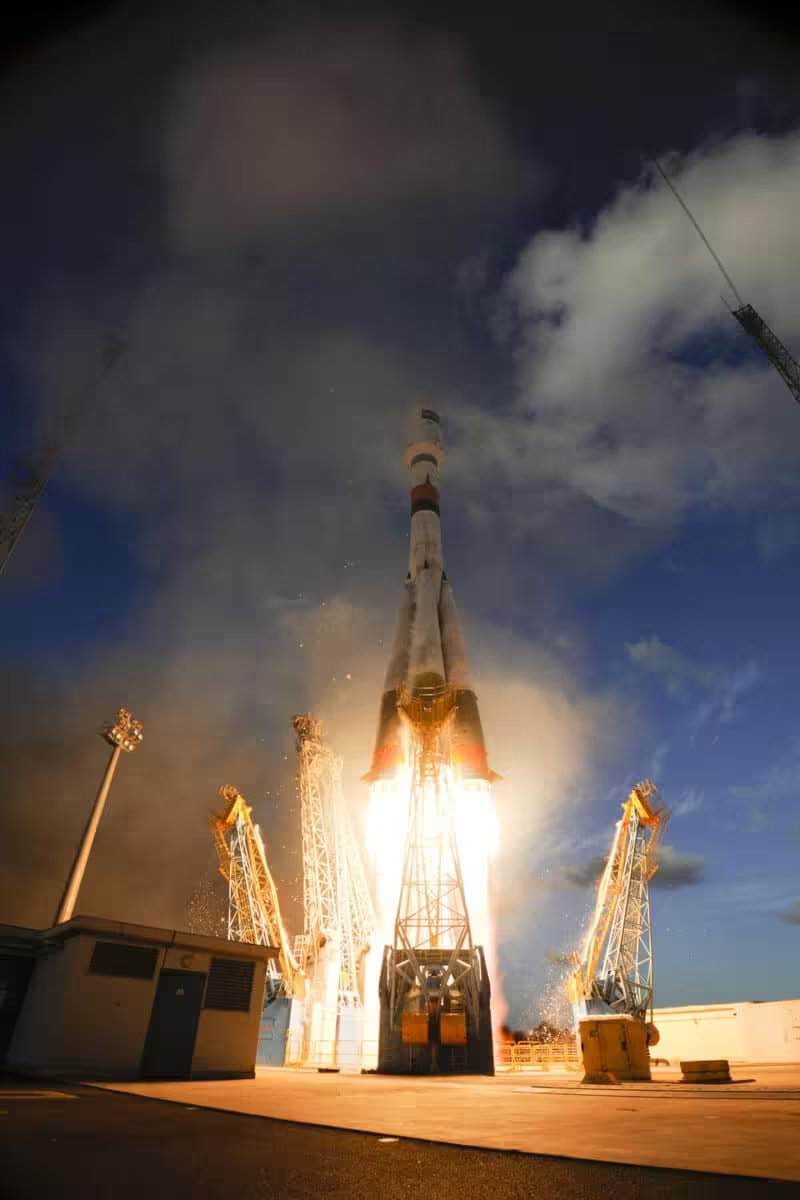
Launched in April 2014, Sentinel‑1A marked the beginning of the Copernicus programme and set a new benchmark for freely available, high‑resolution radar observations. Although it was originally slated for a seven‑year mission, the spacecraft exceeded expectations, delivering almost twice the planned lifespan and feeding a steady stream of data to climate monitors, disaster responders, and researchers worldwide.
Operating in the C‑band, the satellite could capture images day or night and through clouds, providing a reliable window on Earth’s surface dynamics. Its contributions ranged from tracking Arctic sea‑ice thickness to mapping flood extents and measuring subtle ground movements, establishing a cornerstone for global Earth‑system analyses.
As demand for radar information grew in fields such as climate science, maritime surveillance and emergency management, Sentinel‑1A’s role expanded beyond its initial scope, reinforcing the importance of long‑duration observation platforms for building continuous environmental records.
Extended Service After the Loss of Its Twin
When Sentinel‑1B suffered a power‑system failure in 2021, the remaining spacecraft took on an increased workload, preserving Europe’s radar monitoring capability during a critical interval. ESA’s mission brief notes:
“Sentinel‑1A remains at the forefront of Earth observation and continues to play a key role in enabling the application of artificial intelligence in data and services. After years of outstanding service, Sentinel‑1A has earned a well‑deserved retirement.”
The episode highlighted the robustness of the Copernicus architecture, which relies on coordinated constellations rather than single assets. Continuous data flow from Sentinel‑1A proved vital for both European and international users that depend on near‑real‑time radar products for environmental monitoring and security operations.
During its extended tenure, the mission also spurred advances in data processing, including machine‑learning pipelines that draw on large radar archives, cementing the satellite’s influence well beyond its operational period.
Handing Over to the Next‑Gen Constellation
With Sentinel‑1A now offline, ESA has already shifted focus to the newer pair, Sentinel‑1C and Sentinel‑1D. Positioned opposite each other in orbit, the twins provide 180‑degree separation, enhancing global coverage and ensuring smoother data continuity.
ESA officials emphasized the smooth transition, stating:
“Over the past few years, the teams have worked tirelessly to dispose of one satellite and commissioning two new ones. Today, Sentinel‑1C and Sentinel‑1D are performing very well and offer improved capabilities with respect Sentinel‑1A. This gives us great confidence as we look to the future of the mission.”
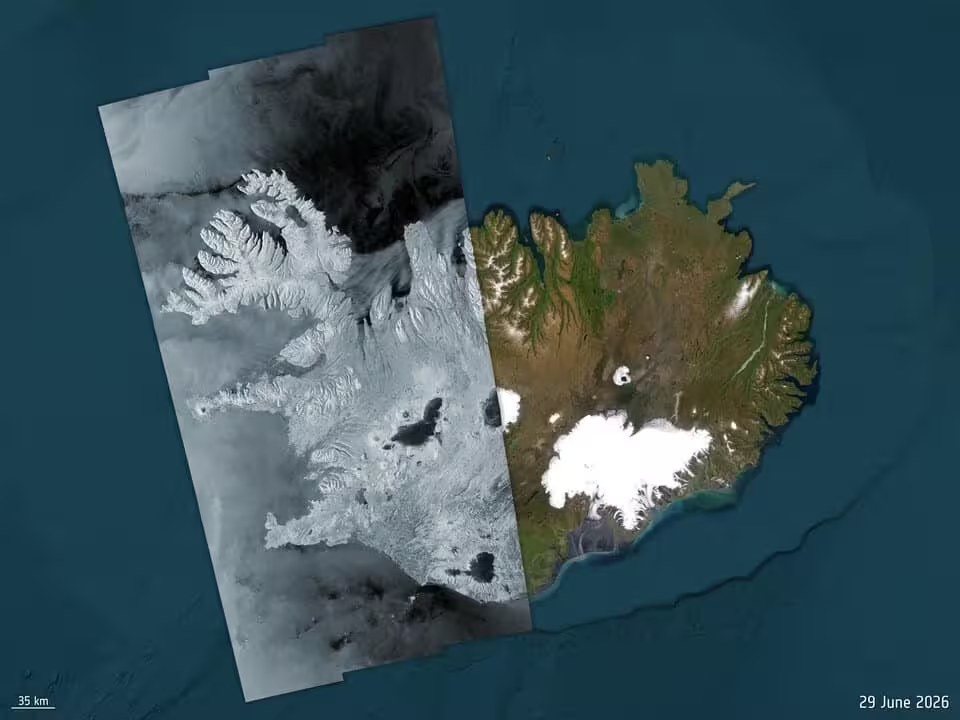
The newer platforms carry upgraded radar instruments and added payloads such as Automatic Identification System sensors for maritime tracking. Their dual‑satellite configuration enables more frequent revisits and richer global monitoring compared with the earlier single‑satellite phase.
Meticulous orbital adjustments and mission planning have been essential to maintain uninterrupted service, allowing Sentinel‑1C and Sentinel‑1D to become the backbone of Europe’s radar‑based Earth‑observation network.
Enduring Scientific Value
Although its active phase is concluding, Sentinel‑1A leaves behind a vast archive that will serve researchers for decades. The dataset represents one of the most extensive radar records ever assembled, underpinning studies of climate trends, land subsidence, glacier movement and ocean dynamics.
Reflecting on the mission’s impact, ESA’s Director of Earth Observation Programmes remarked:
“Sentinel‑1A was far more than a satellite, it opened the Copernicus era. For over a decade, it delivered vital data every day, helping us better understand our planet and respond to some of society’s most pressing challenges.
“As we bid farewell to this remarkable satellite, we celebrate an extraordinary legacy and look forward with confidence as Sentinel‑1C and Sentinel‑1D carry that legacy into the years ahead.”
In the coming months, ESA will execute a controlled de‑orbit maneuver in line with orbital‑debris mitigation protocols, safely removing the spacecraft from active service. While the instruments will no longer be operational, the historical data continue to feed global environmental‑monitoring systems that rely on Sentinel‑1A’s long‑term observations.
The retirement of Sentinel‑1A marks a milestone in space‑based Earth science, confirming that continuous radar surveillance has become a permanent fixture in humanity’s toolkit for tracking a rapidly changing planet.
This article has been fact checked for accuracy, with information verified against reputable sources. Learn more about us and our editorial process.
Last reviewed on .
Article history
- Latest version
Cite this page:
- Posted by Vikram Desai