Ancient Maya Settlement Found Without Temples Reveals How Ordinary People Actually Lived
Archaeologists have uncovered a Maya settlement in Yucatán, offering new insights into the daily lives of commoners outside the civilization’s elite.
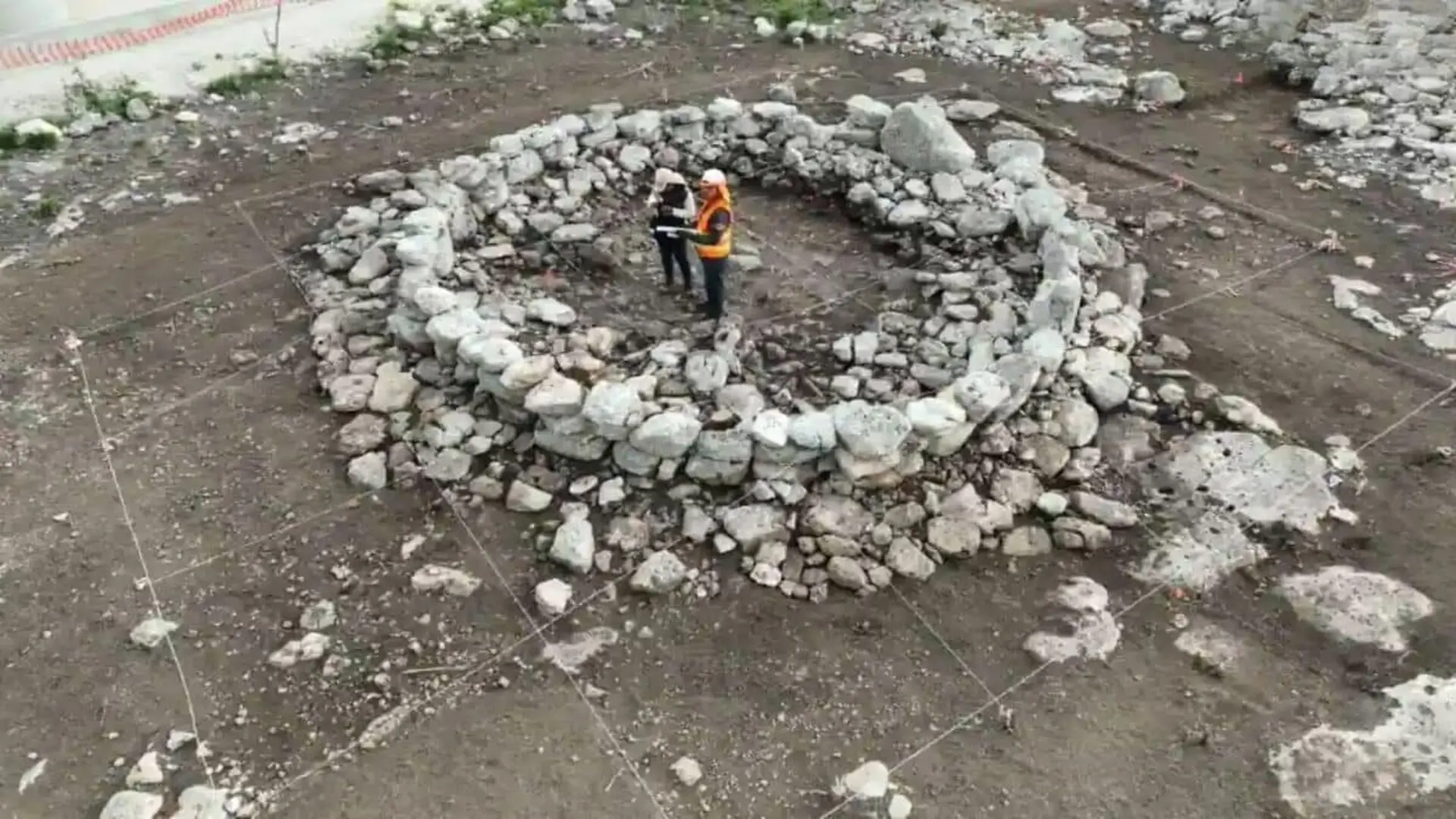
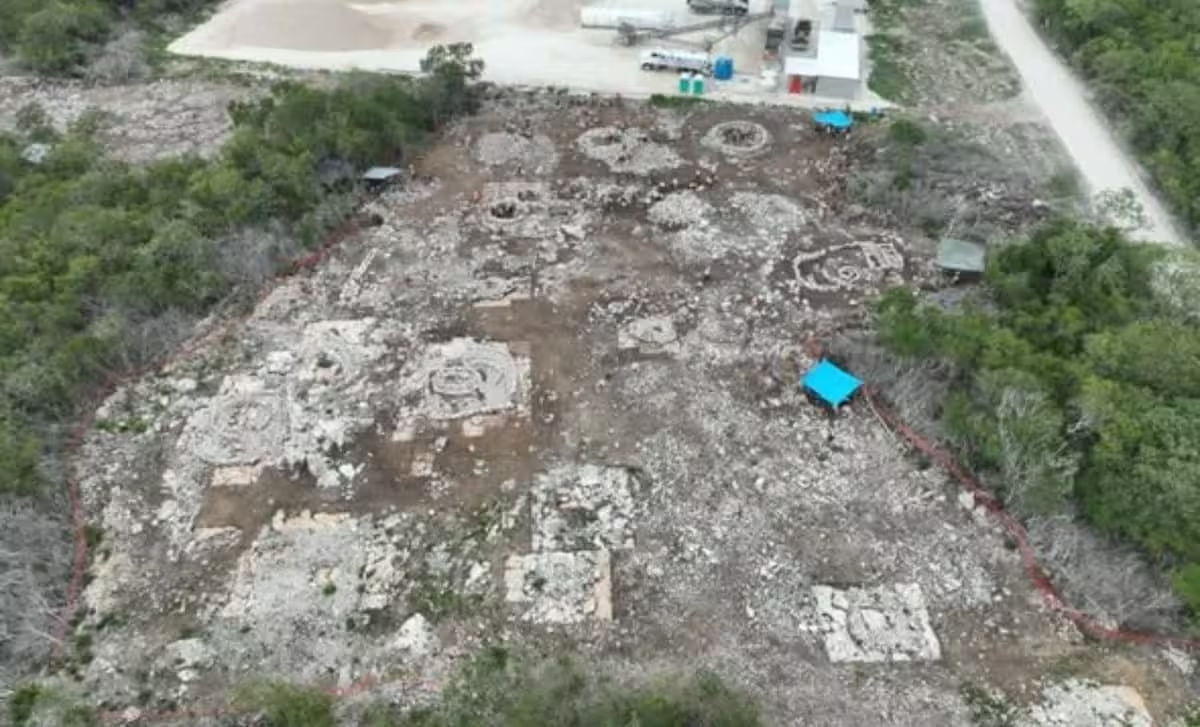
A recent archaeological survey has unearthed a rare glimpse into the lives of non-elite Maya families, shifting the focus away from the typical grand temples and royal palaces toward the practical, domestic realities of ancient daily life. Located in Mexico, the settlement known as K’oxol Ja’ II spans approximately 2,257 square meters and reveals a community that thrived for over a millennium.
According to findings from Mexico’s National Institute of Anthropology and History (INAH), ceramic analysis suggests the site was occupied from the Preclassic period, starting around 400 B.C., through the end of the Late Classic period around A.D. 900. Unlike major urban centers, this location serves as a window into the residential organization of the Maya people who rarely appear in historical accounts of kings and high priests.
Water Management and Local Infrastructure
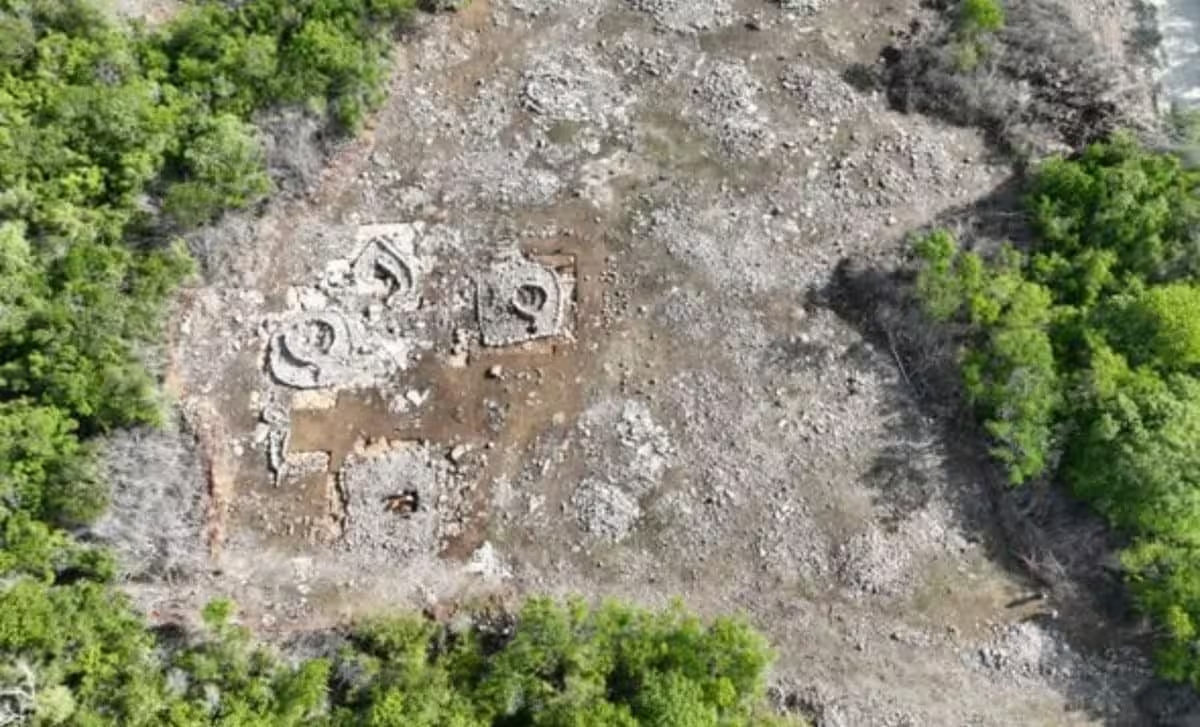
The layout of the settlement suggests that water management was central to the inhabitants’ daily routine. David Medina Arona, who served as field chief for the rescue project at the Progreso Multimodal Terminal, noted that the site features both seasonal and permanent water sources. The community clearly invested in their infrastructure, as evidenced by a cenote modified with a stone curb, likely designed to regulate water access for the residents.
The name of the site itself, derived from Maya terminology, translates to roughly “water of the flies” or “where the flies emerge,” acknowledging the persistent insect life common in the area. Researchers believe K’oxol Ja’ II functioned as a settlement of intermediate importance, potentially relying on the nearby site of El Chiik as a larger governing hub.
Evidence of a Modest Domestic Life
While the architectural remains—including stone house foundations—are well-preserved, the relative scarcity of pottery suggests a reliance on tools crafted from perishable materials that have since decomposed. The absence of human burials at the site is likely a consequence of local geology rather than cultural practice; the houses were constructed directly upon shallow layers of soil over coastal bedrock, leaving no room for traditional interments.
The team, led by coordinator Susana Echeverría Castillo alongside specialists including Abraham Alarcón Carmona, Carlos Avendaño Rincón, and Darwin Velázquez González, successfully documented 21 distinct monuments. Among the most significant finds were two offerings placed during the initial construction of building foundations, signaling the spiritual significance the residents attached to their homes.
Ensuring Long-Term Preservation
Following the completion of fieldwork, the site has been stabilized, with walls cleaned and restored. INAH has established a formal protection polygon in collaboration with the Secretariat of National Defense to ensure the ruins remain undisturbed by the development of the Maya Freight Train project. This in situ preservation allows researchers to continue their laboratory analysis of ceramics, stone tools, and soil samples.
For archaeologists, the true value of K’oxol Ja’ II is its silence; it represents the millions of Maya citizens who, as Medina Arona noted, “left nothing written.” By documenting the homes and water management systems of these non-elite groups, scholars can finally begin to reconstruct the history of the ordinary people who underpinned the stability and longevity of Maya society.
This article has been fact checked for accuracy, with information verified against reputable sources. Learn more about us and our editorial process.
Last reviewed on .
Article history
- Latest version
Cite this page:
- Posted by Vikram Desai