How A 3,000 Year Old Sealed Oak Coffin Is Changing Everything We Know About The Bronze Age
A Danish farmer’s discovery of an ancient coffin has unearthed a unique Bronze Age mystery that is challenging everything we knew about the past.
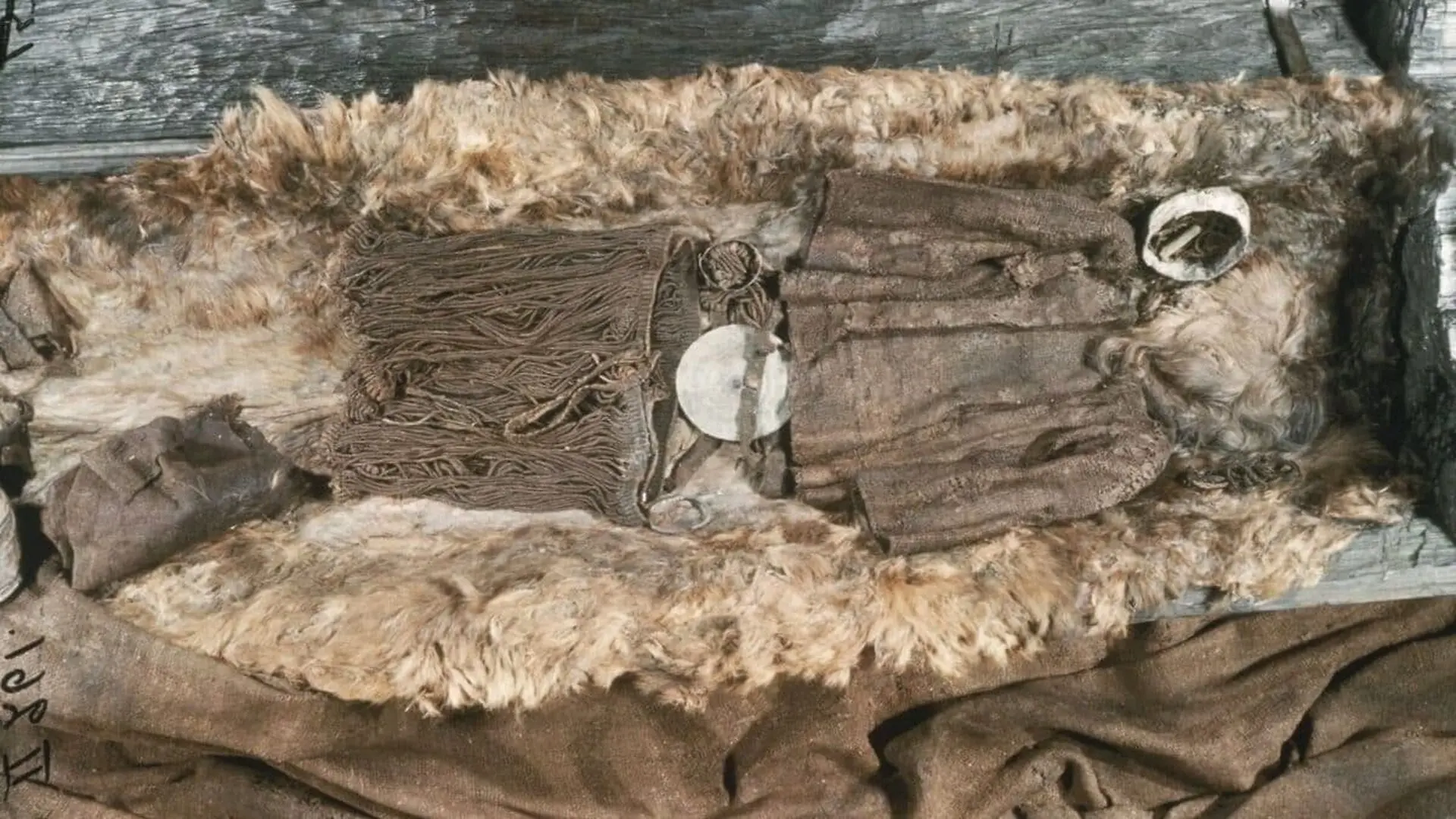
More than three millennia after her burial, the individual known as the Egtved Girl continues to reshape our understanding of Bronze Age Europe. When her sealed oak coffin was unearthed in a Danish burial mound in 1921, it provided an unprecedented window into the past, preserving not only her physical remains but also the textiles, tools, and ritual items that defined her existence.
The National Museum of Denmark has long championed the study of this remarkable find, which challenges previous assumptions about the isolation of prehistoric societies. The discovery suggests a world defined by long-distance connectivity, sophisticated craftsmanship, and complex cultural exchanges.
An Accidental Discovery Reveals a Time Capsule
The journey of the Egtved Girl back into modern consciousness began when a farmer clearing a burial mound near the town of Egtved, Jutland, struck an unusual object. What he initially took for simple earth turned out to be a massive oak tree trunk, hollowed out to serve as a coffin. Because it had remained hermetically sealed since the Bronze Age, the contents were exceptionally well-preserved.
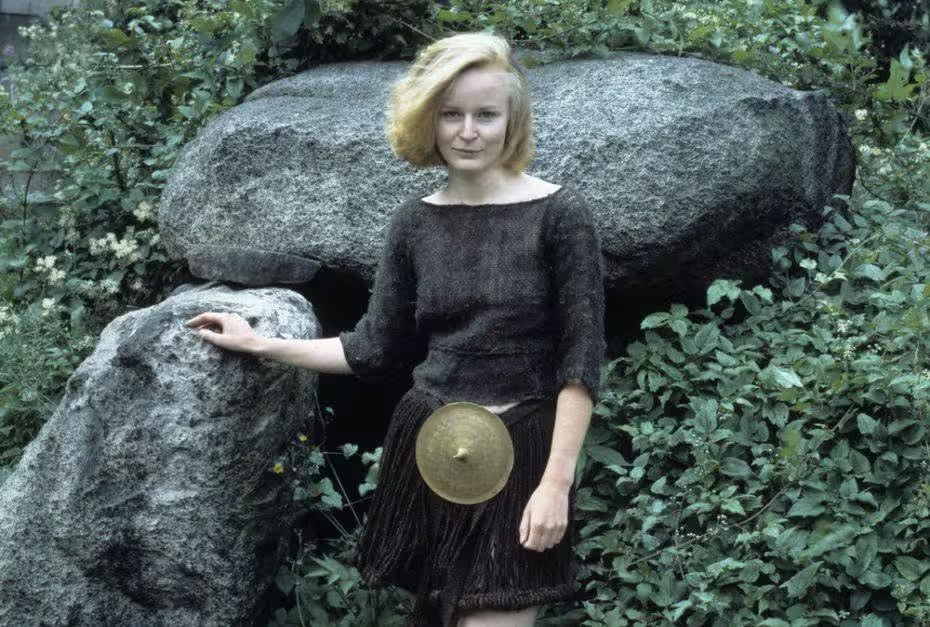
Inside, investigators identified a young woman, estimated to be between 16 and 18 years old and approximately 160 centimeters tall. Her attire was remarkably intact, featuring a woolen tunic and a sophisticated corded skirt, fastened with a woven belt and a large bronze disc. Leather footwear and bronze bracelets completed her ensemble, serving as a testament to the advanced textile and metalworking capabilities of her era.
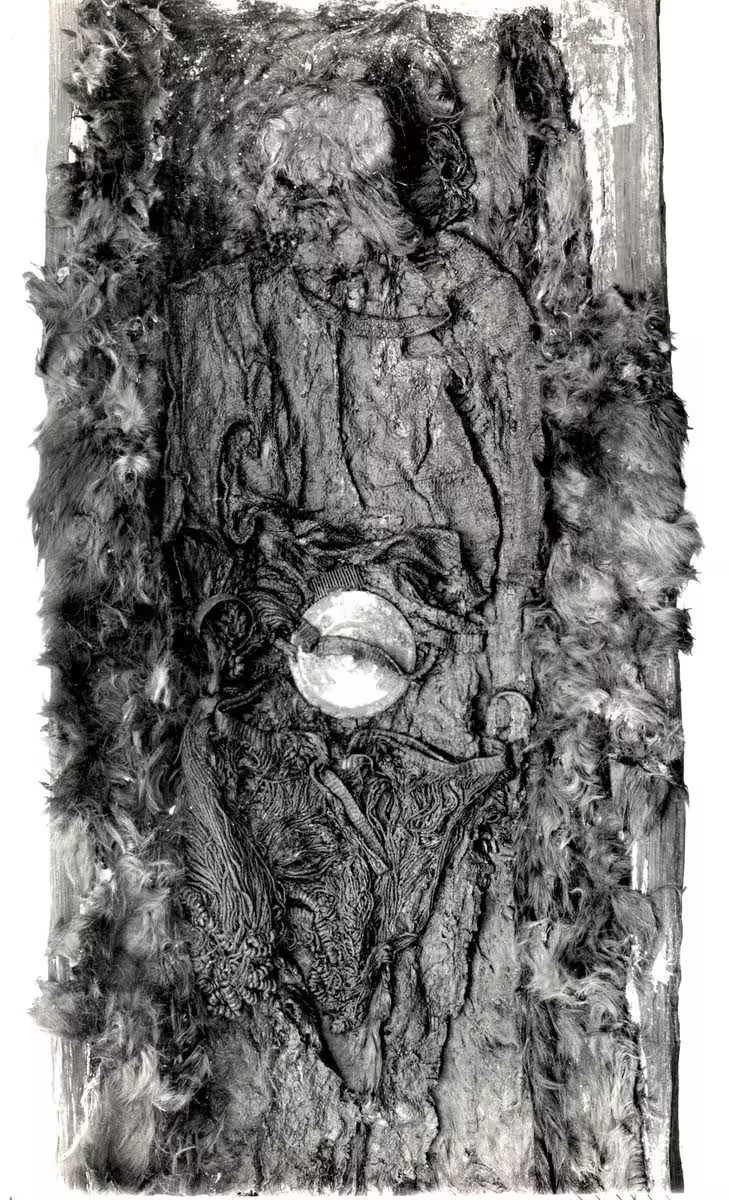
Despite the passage of time, the grave held fragile biological remnants, including hair, teeth, fingernails, and even traces of brain tissue. A cowskin hide lining the coffin provided a distinct impression of her body, and at her feet lay the cremated remains of a child, adding a layer of mystery regarding their relationship.
Daily Life and Rituals in the Bronze Age
The artifacts interred with the girl offer a glimpse into the domestic and ritualistic aspects of her culture. Near her head, archaeologists recovered a bark container holding a bronze awl, dress pins, and a delicate hair net fashioned from horsehair. Another vessel found at the foot of the coffin contained the residue of a fermented beverage, likely a beer or mead brewed with honey, wheat, bog-myrtle, and lingonberries.
Further analysis of the burial site revealed clues about the season of her interment. The presence of a white yarrow flower near her knee strongly indicates that the burial ceremony was conducted during the summer months. These details paint a picture of a society that maintained sophisticated funerary traditions and placed significant value on personal adornment and ritualized offerings.
Scientific Debates Over Her Origins
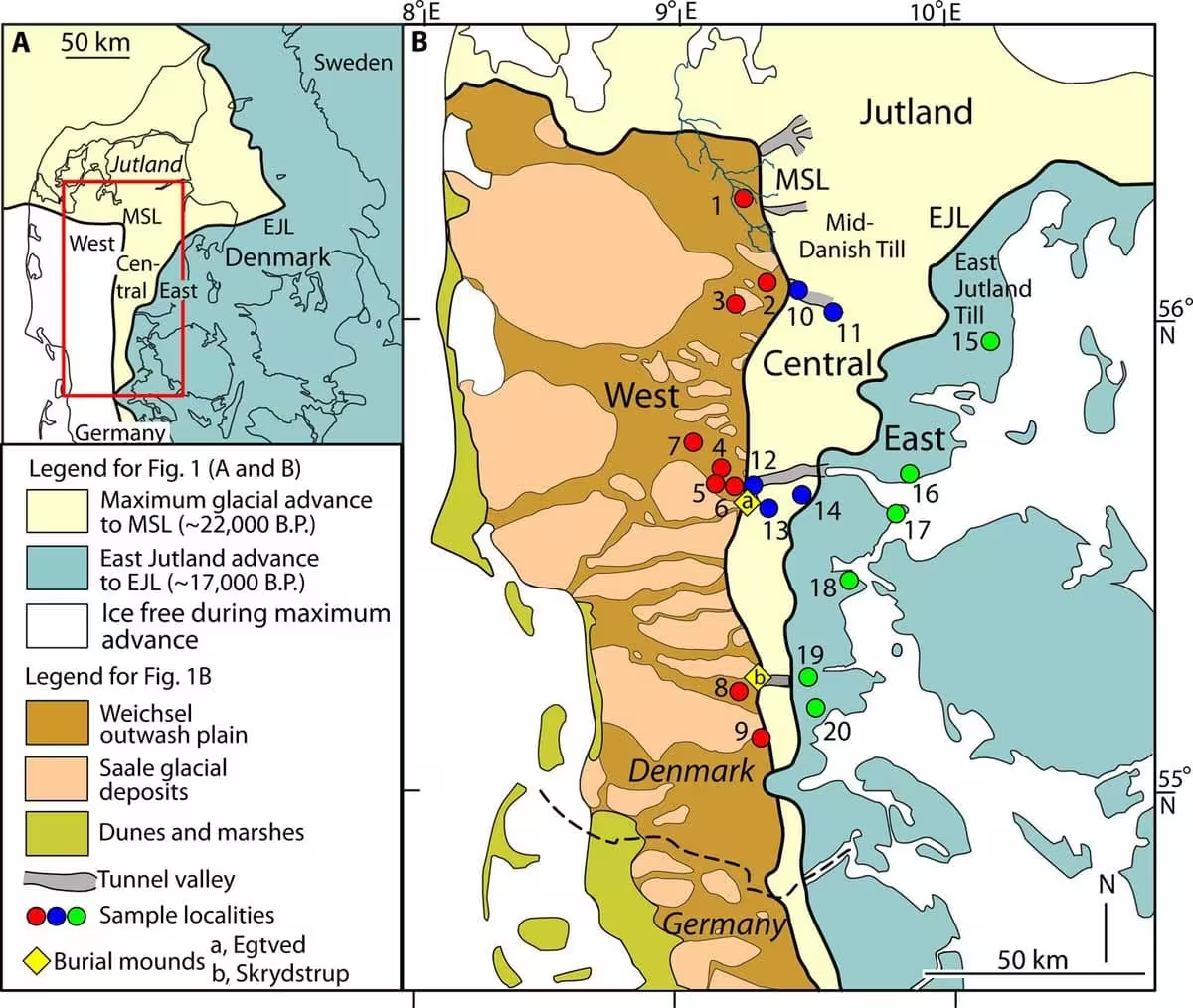
The question of where the Egtved Girl originated has become a focal point of modern archaeological research. Scientists have employed strontium isotope analysis, which measures geological markers embedded in human teeth and hair, to track an individual’s geographic movements during their formative years.
Initial studies suggested a startling possibility: that the girl spent her youth in the Black Forest region of southern Germany before migrating to Denmark. However, this interpretation has met with healthy scientific skepticism. Some experts argue that variations in local soil chemistry and the impact of modern agricultural fertilizers may have skewed the data. Others contend that her isotope profile could just as easily align with locations within Scandinavia. While her specific place of birth remains a subject of ongoing investigation, the existence of such a high-profile burial confirms that Bronze Age populations were far more mobile and interconnected than researchers once believed.
This article has been fact checked for accuracy, with information verified against reputable sources. Learn more about us and our editorial process.
Last reviewed on .
Article history
- Latest version
Reference(s)
- “the Egtved Girl.” National Museum of Denmark <https://en.natmus.dk/historical-knowledge/denmark/prehistoric-period-until-1050-ad/the-bronze-age/the-egtved-girl/>.
Cite this page:
- Posted by Vikram Desai