Archaeologists Discover 2,000 Year Old Human Remains Inside Ancient Scottish Ritual Well
Archaeologists have unearthed ancient human remains at a forgotten Scottish Highlands site, sparking a mystery that dates back over 2,000 years.
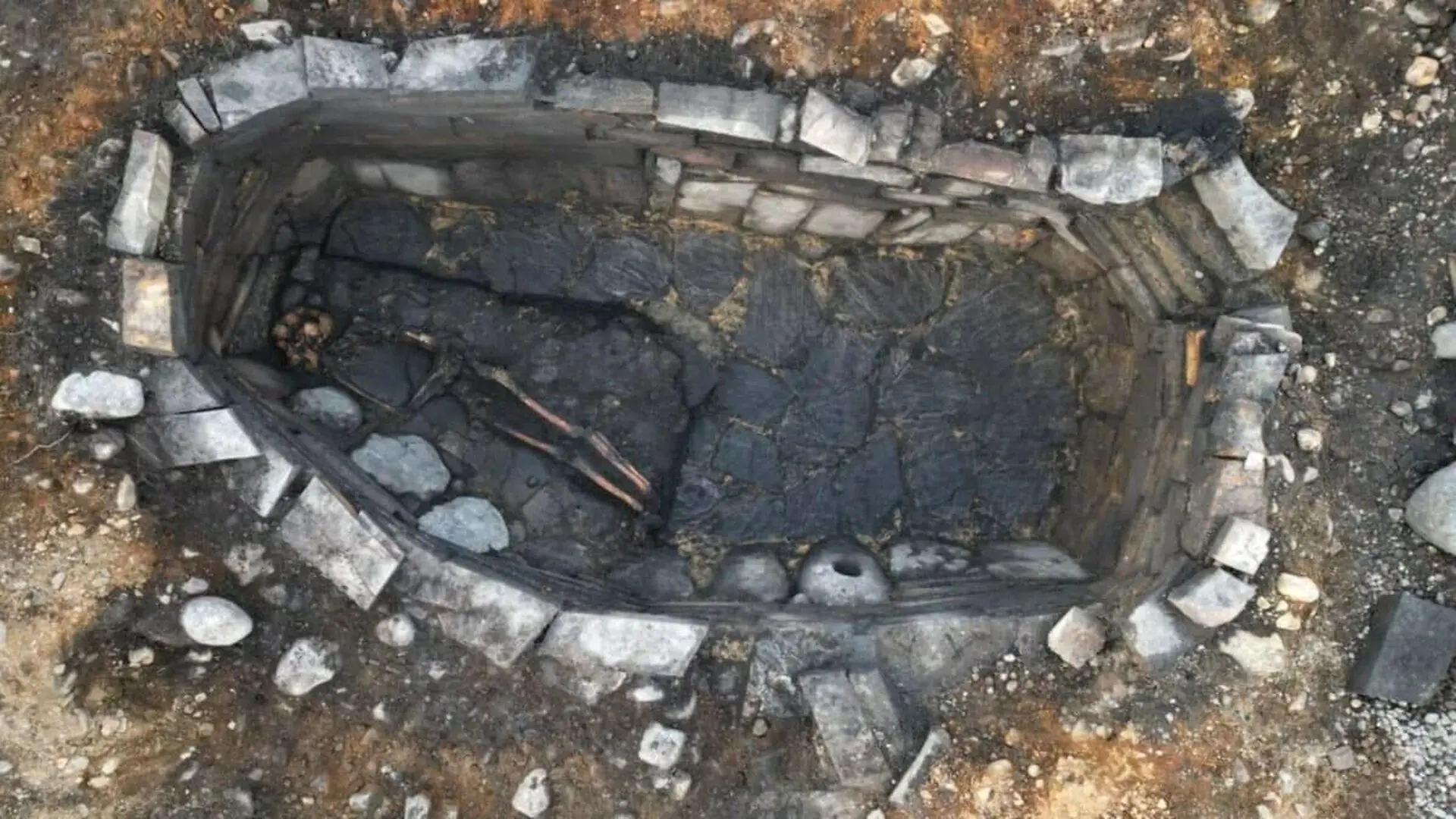
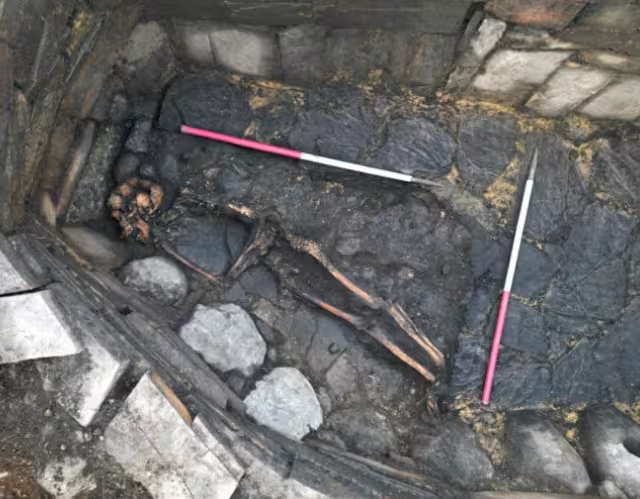
Archaeologists working in northern Scotland have uncovered the 2,000-year-old remains of an individual buried within a stone-lined well, a find that suggests the Iron Age community may have performed a ceremonial rite to mark the closure of the water source.
The discovery was made by Highland Archaeology Services during a routine survey ahead of a quarry expansion. Given the scarcity of Iron Age burials in this part of Scotland, the find offers a rare window into the funerary customs and symbolic landscapes of the era.
A Symbolic Final Act
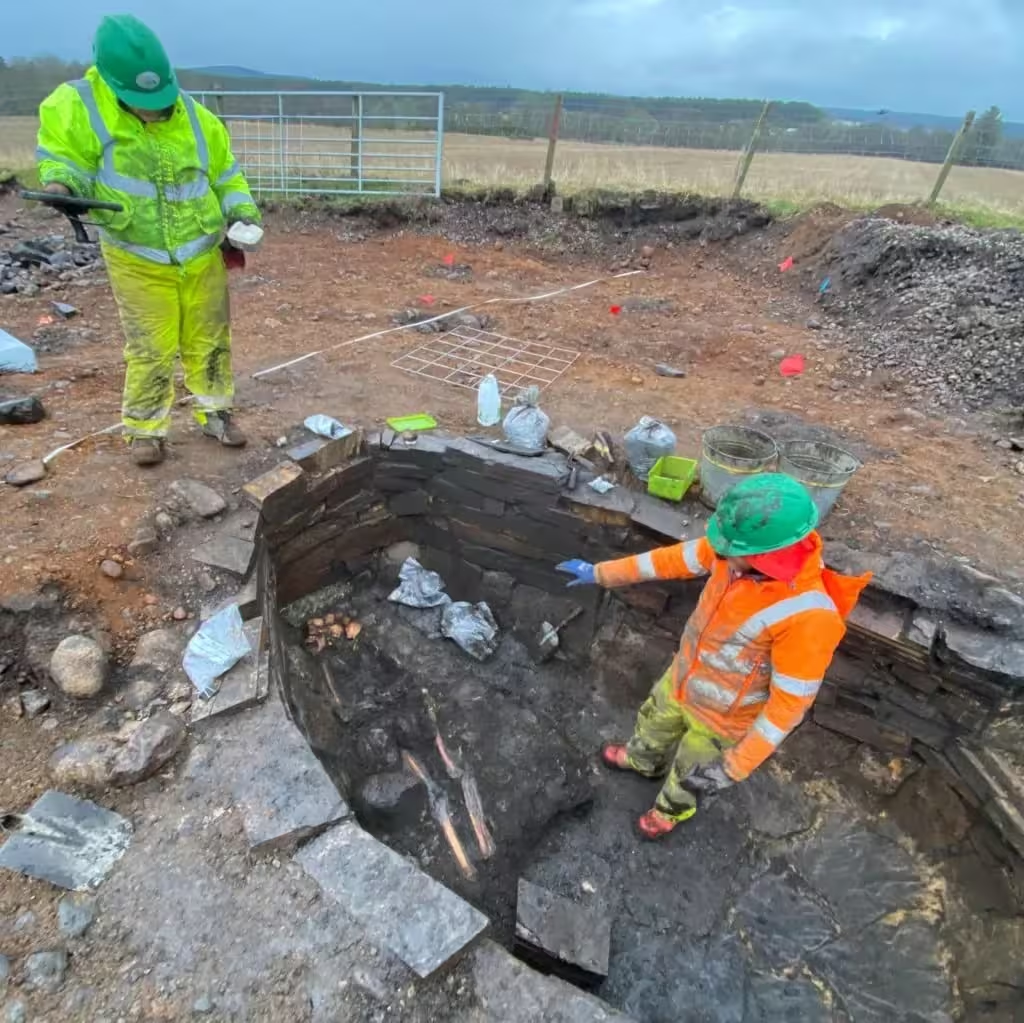
The remains were found at the base of a structure approximately 3 meters (10 feet) long and 1 meter (3 feet) deep. The well was meticulously engineered, featuring stone slabs at the base and clay packed into the masonry joints to ensure watertight integrity while the feature was in use. The presence of animal bones interred above the human remains, coupled with the absence of typical grave goods like weaponry or personal ornaments, points toward a non-traditional burial.
Lachlan McKeggie, co-director of Highland Archaeology Services, noted that such findings are uncommon for the region. The team is currently analyzing whether the interment was a deliberate “closing ceremony,” a practice where significant sites—including caves and wells—were ritually sealed upon their abandonment.
Precedents for Ritual Site Abandonment
Researchers are drawing comparisons to other notable Scottish sites, such as the High Pasture Cave on the Isle of Skye. At that location, the remains of a woman and two infants were found at a cave entrance that appeared to have been intentionally blocked. These discoveries suggest that Iron Age inhabitants perceived these features as conduits of deeper, perhaps spiritual, significance.
Whether the burial at the quarry represents a memorial, an offering, or a profound shift in how the community viewed the site remains the subject of ongoing investigation.
Contextualizing the Find
The proximity of the well to the ancient settlement at Camore Wood adds another layer of complexity to the excavation. That site features at least 20 hut circles and potential roundhouses, located roughly 1.6 kilometers (1 mile) from the burial. While a direct link between the settlement residents and the individual in the well has not been established, the spatial relationship is a primary focus for the team.
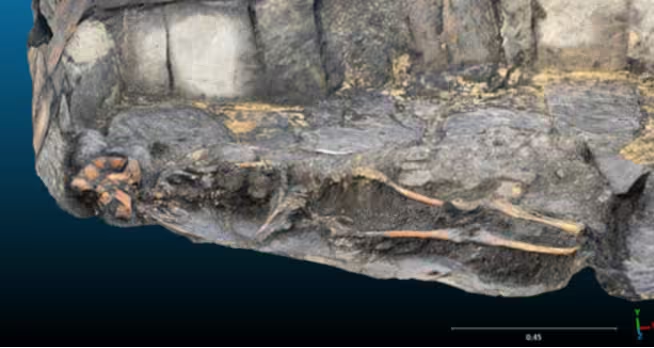
To deepen their understanding, the archaeologists are employing 3D scanning technology to document the site in high fidelity. These digital models, alongside laboratory analysis of soil samples, ecofacts, and the human remains, are expected to provide insights into the individual’s age, sex, and health status, while helping to refine the chronology of the site’s use.
This article has been fact checked for accuracy, with information verified against reputable sources. Learn more about us and our editorial process.
Last reviewed on .
Article history
- Latest version
Cite this page:
- Posted by Vikram Desai