Experts Are Still Baffled By Six Mysterious Texts Hidden Inside An Ancient Medieval Codex
Six mysterious papyri discovered inside an eighth-century codex remain undeciphered, leaving experts puzzled over their origin and linguistic roots.
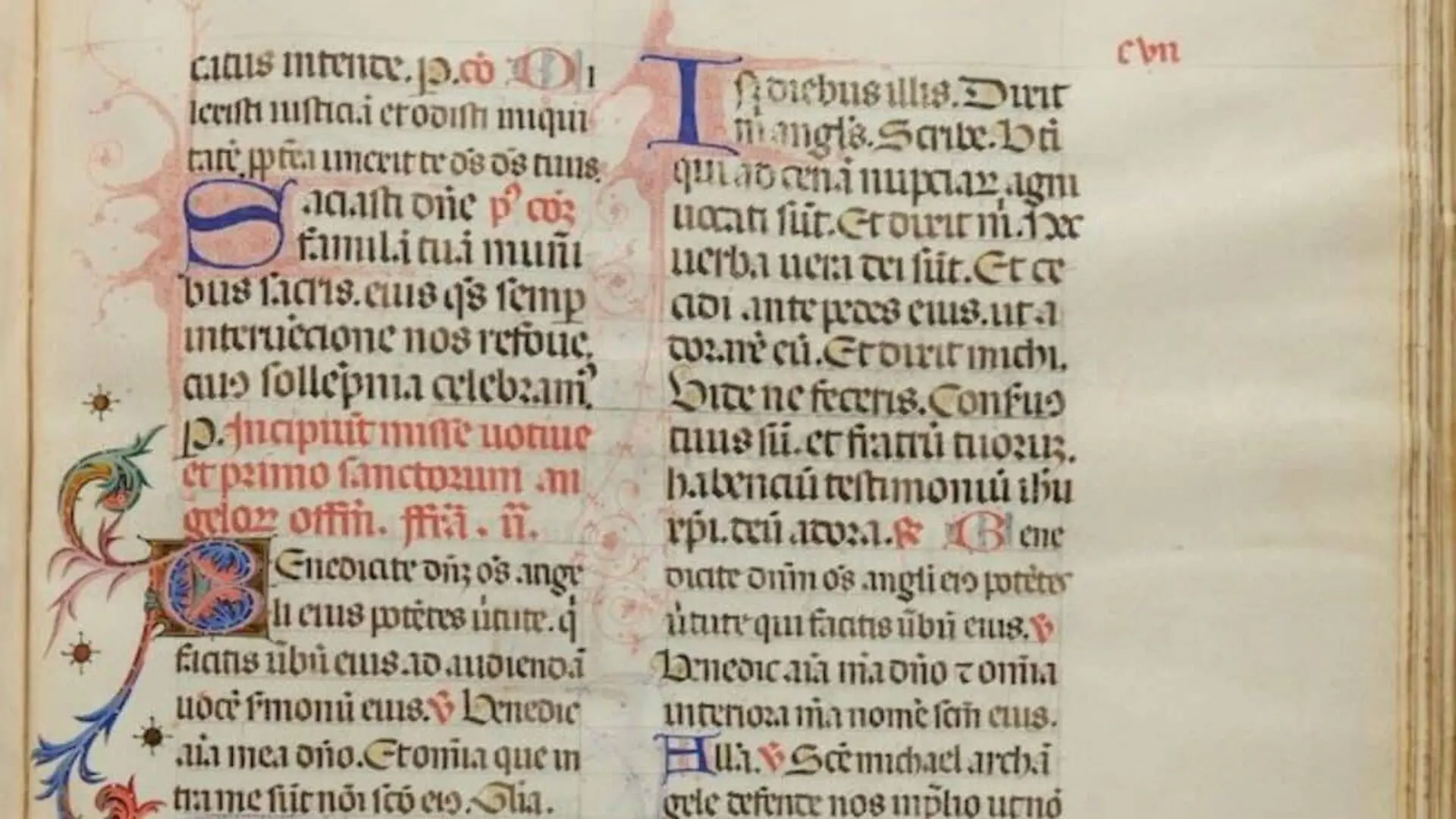
Ten mysterious papyrus fragments, discovered tucked away within the binding of a medieval manuscript at the Barcelona Cathedral, continue to challenge researchers nearly a century after they were first identified. While scholars have successfully decoded parts of the collection, six of the fragments remain stubbornly silent, their inscriptions defying definitive classification.
The fragments were extracted from Codex 120, a seventh or eighth-century volume containing homilies by Gregory the Great. The discovery is a classic example of medieval recycling, where scribes and bookbinders repurposed older, discarded documents as structural reinforcement for newer works. These papyri, long trapped within the codex’s spine, were brought to light in the early 20th century before being sent to the Vatican in 1927 for professional restoration by the renowned specialist Hugo Ibscher.
Hidden Secrets of an Ancient Binding
The Codex 120 itself is a rich historical artifact, containing not only the homilies of Gregory the Great but also records of a 595 Roman synod and the Sermon on Mortality. As noted in research published in Scrinium, the manuscript’s composition suggests a complex provenance. The binding process incorporated a variety of extraneous materials, including a parchment fragment from Gregory’s Dialogues and an eleventh-century glossary related to the Rule of Saint Benedict.
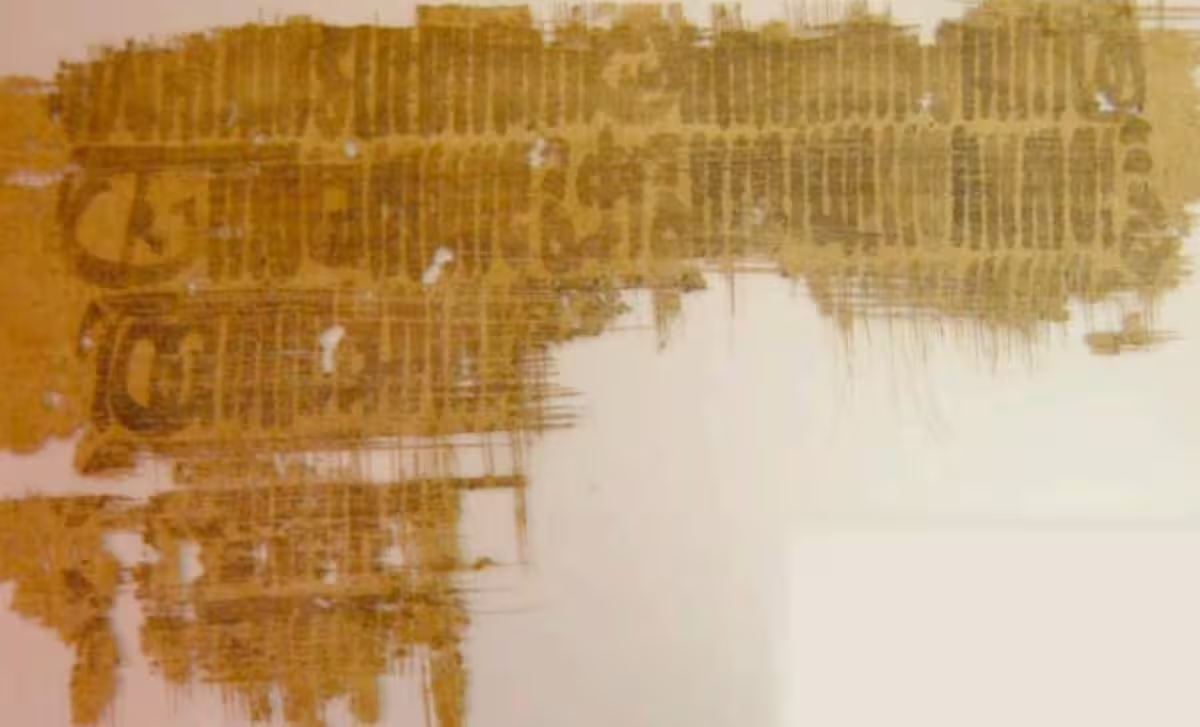
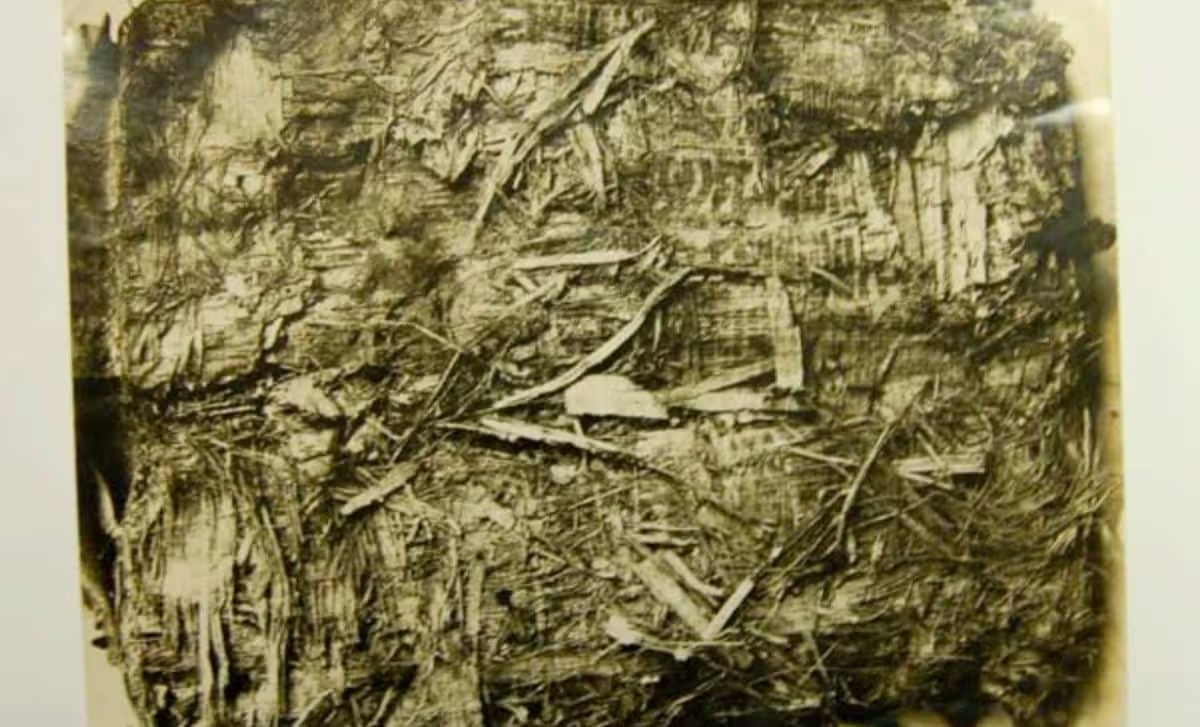
Of the ten papyrus fragments recovered, researchers have successfully identified two. One features a fine minuscule cursive script consistent with a seventh-century Merovingian royal document, while another displays the New Roman cursive style typical of the fifth or sixth century. The remaining six pieces, however, are distinct; they are characterized by heavy, thick brushstrokes rather than the precise pen work found on the other identified items. Several of these show Latin script on their reverse, confirming that the papyrus underwent multiple stages of reuse before reaching the cathedral archive.
The Quest to Decipher Lost Markings
The six unidentified fragments have sparked debate among experts, including researchers Montserrat Tudela and Teresa Noël. One prominent theory suggests these marks might be Stempelschrift, or protocol writing—a type of identification mark used by papyrus manufacturers in Byzantine Egypt to denote the quality, origin, or production date of the material. However, because such markings are exceptionally rare in the archaeological record, the classification remains speculative.
The manuscript’s origin is also a subject of academic focus. Paleographic evidence points toward Merovingian France, with some scholars suggesting the work may have been produced near the lower Rhône or the vicinity of Visigothic Narbonne. The presence of a Merovingian royal document within the binding serves as a potential geographical tether, suggesting the codex was assembled in the same region where the papyrus was originally sourced.
Today, these fragments are securely preserved within the Chapter Archive of Barcelona Cathedral, an institution that houses over 40,000 historical documents. As Montserrat Tudela and Teresa Noël continue their investigation, these remnants of antiquity serve as a tangible link to a world of medieval scriptoria, offering a silent narrative that researchers are still working to translate into history. For more information on the archives, visit La Dada.
This article has been fact checked for accuracy, with information verified against reputable sources. Learn more about us and our editorial process.
Last reviewed on .
Article history
- Latest version
Reference(s)
- “Vista de Còdex 120, segle VII-VIII.” <https://raco.cat/index.php/Scrinium/article/view/405753/499749>.
- Cristià, Elisenda. “ArxiRuta: l’Arxiu Capitular de Barcelona.”, January 17, 2025 ArxiRuta: l’Arxiu Capitular de Barcelona <https://ladada.arxivers.com/arxiruta-larxiu-capituar-de-barcelona/>.
Cite this page:
- Posted by Vikram Desai