Scientists Are Using Eggshells To Create Stronger And Lighter Metal Alloys
Researchers have developed a sustainable method to create high-quality magnesium alloys using inexpensive, biogenic waste materials.
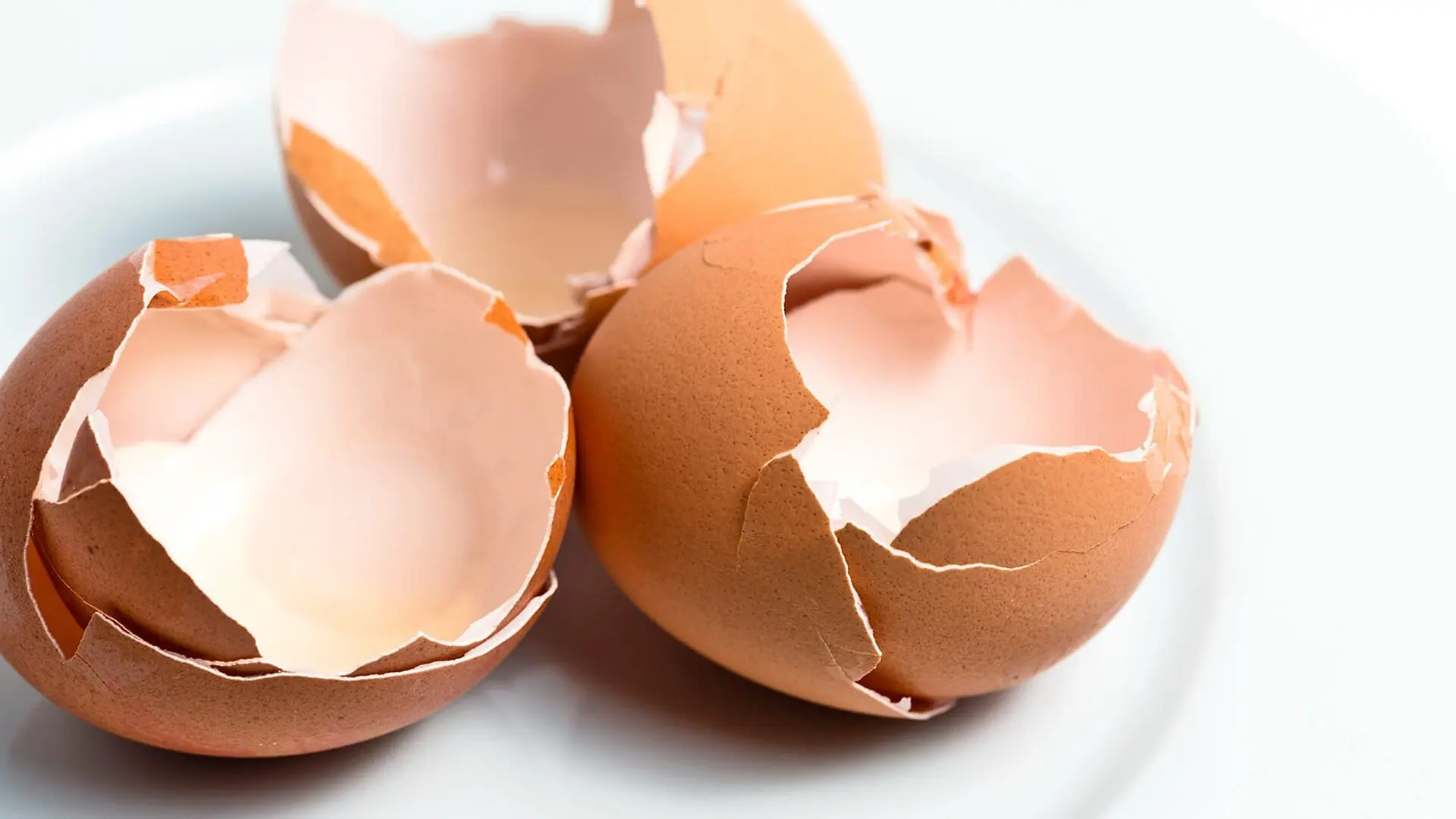
Sustainable Metal Innovation: Turning Kitchen Waste into Advanced Aerospace Materials
Materials scientists have pioneered a novel method to create high-performance magnesium alloys by repurposing a common household byproduct: chicken eggshells. This breakthrough offers a path toward more sustainable manufacturing, replacing energy-intensive ore processing with a readily available, biogenic waste source.
The research, published in the Journal of Magnesium and Alloys, details how eggshells, which consist of approximately 95 percent calcium carbonate, can be integrated into metallic structures to enhance their mechanical properties. These reinforced magnesium alloys are increasingly sought after for their high strength-to-weight ratios, making them ideal candidates for the aerospace, automotive, and biomedical industries.
According to Bharat Gwalani, an assistant professor of materials science and engineering at North Carolina State University and the study’s lead author, the new technique streamlines the traditional production cycle. By bypassing the need to refine raw ore into calcium carbonate or calcium oxide, manufacturers can significantly reduce energy consumption and rely on a more stable, eco-friendly supply chain.
The transformation process centers on a technique known as friction stir extrusion. Researchers prepare a cylindrical magnesium block by drilling precision holes, which are then packed with finely pulverized eggshell powder. This assembly is placed into a steel chamber where a rotating mandrel acts as a high-pressure pestle. As the mandrel spins at 300 rotations per minute, it generates intense friction that facilitates a chemical transformation. Under these conditions, the calcium carbonate from the eggshells is converted into calcium oxide and nascent calcium, which then bonds with the magnesium to form a high-strength Mg2Ca alloy. The downward force of the mandrel simultaneously extrudes the resulting composite through a central opening, creating a finished, hardened rod.
The implications of this work extend beyond simple waste management. The study demonstrates that biogenic materials can be effectively leveraged to engineer advanced composites that perform as well as, or better than, those created through conventional, cost-heavy methods. Gwalani notes that the team’s success with magnesium is not an isolated achievement; they have previously utilized similar friction stir extrusion techniques to incorporate magnetic samarium-cobalt powders into scrap aluminum, proving the versatility of the method for various industrial applications.
The research was conducted through a multi-institutional collaboration involving North Carolina State University, the Pacific Northwest National Laboratory, the City University of Hong Kong, and the Indian Institute of Technology Delhi. The project received support from the Office of Naval Research Global and the Pacific Northwest National Laboratory.
This article has been fact checked for accuracy, with information verified against reputable sources. Learn more about us and our editorial process.
Last reviewed on .
Article history
- Latest version
Reference(s)
- Malakar, Aniruddha., et al. “Circular manufacturing of Mg–eggshell composites: Transforming biogenic waste into functional reinforcements.” Journal of Magnesium and Alloys, vol. 24, November 1, 2026, pp. 102290 Elsevier BV, doi: 10.1016/j.jma.2026.102290. <https://doi.org/10.1016/j.jma.2026.102290>.
Cite this page:
- Posted by Rohan Kumar