Deadly Lab Accident in Siberia Sparks Fears Over History of Weaponized Plague
A 28-year-old lab worker in Russia has died from pneumonia after a reported exposure to Yersinia pestis, the bacterium responsible for the bubonic plague.
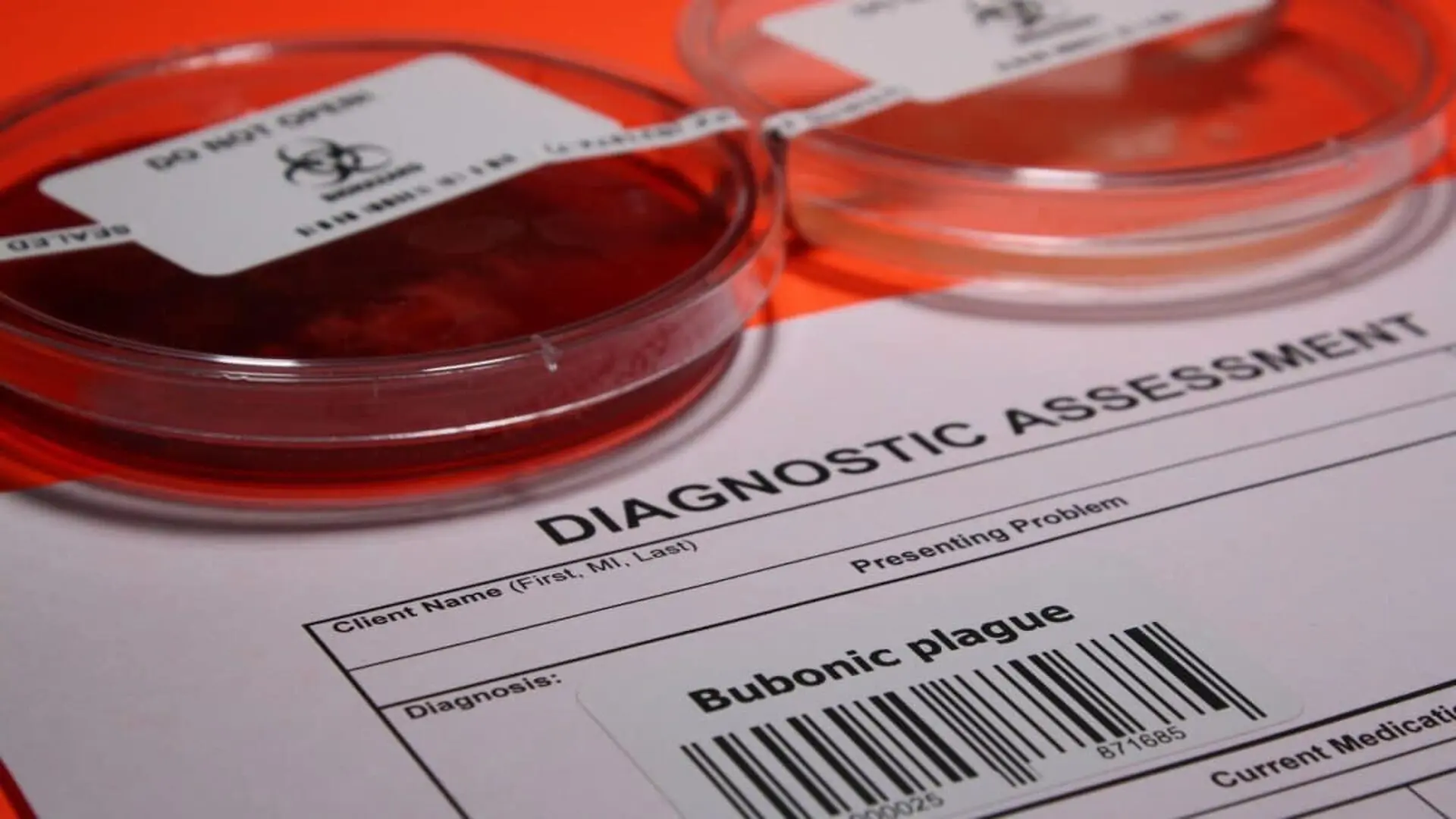
Recent reports concerning the death of Darya Shipilova, a researcher at the Anti-plague Research Institute of Siberia in Irkutsk, have sparked global concern regarding laboratory safety and the handling of dangerous pathogens. While details remain unverified, local media outlets suggest that Shipilova may have succumbed to a Yersinia pestis infection following a potential exposure incident involving a test tube at the biodefense facility.
The incident has drawn immediate comparisons to Biological War: a Scenario, a 2026 work by author Annie Jacobsen that explores the terrifying possibility of an engineered pneumonic plague escaping from a Siberian high-containment laboratory. Jacobsen’s narrative centers on a similar initial accident, prompting a reexamination of the dark history of Soviet biological warfare programs.
The Legacy of Weaponized Pathogens
The history of plague as a weapon extends back to the 14th century, but 20th-century Soviet researchers pushed these capabilities into the realm of modern genetic engineering. Under the clandestine Biopreparat program, scientists reportedly developed “chimeras,” merging Y. pestis with various toxins to create strains that bypassed conventional medical interventions. According to Popular Mechanics, one such effort involved integrating myelin toxin genes into the plague bacterium, designed to induce paralysis if a patient attempted treatment with standard antibiotics.
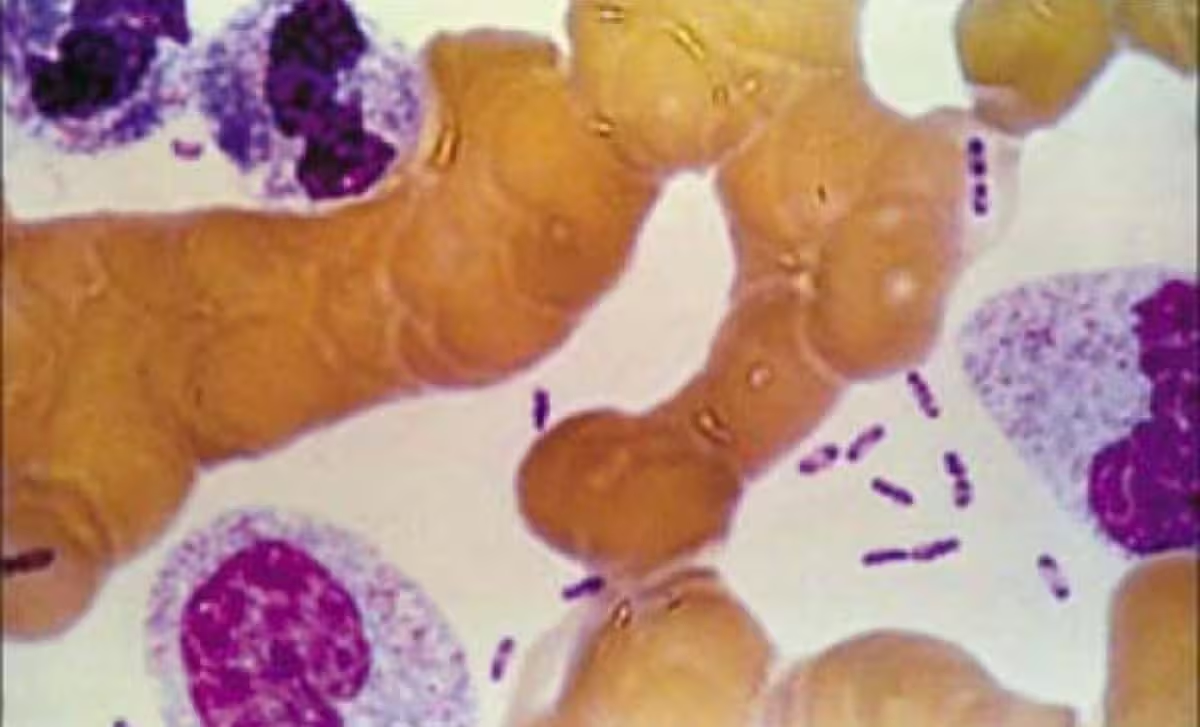
Other experiments under the Soviet regime included chimeras involving Venezuelan Equine Encephalitis, intended to be lethal within a week despite antibiotic administration. While these weapons were never deployed, the research highlights the severe risks inherent in high-security facilities like the Irkutsk institute, which operates under Biosafety Level 3 protocols.
From Lab Mishap to Global Crisis
In Jacobsen’s book, the fictionalized outbreak begins at the Vector institute—a facility operating at Biosafety Level 4, the most secure tier. Much like the reports surfacing from Irkutsk, the disaster starts with a single infected worker. However, the scenario quickly escalates as the engineered pathogen exhibits a long, symptom-free incubation period. This allows the disease to travel undetected across borders via international transit hubs.

Unlike the more commonly known bubonic plague, the pneumonic form featured in these accounts attacks the lungs directly. Jacobsen depicts the harrowing progression of the disease, noting that once the acute phase sets in, victims experience severe hemoptysis, effectively turning them into biological vectors that spread the pathogen through the air. As the fictional scenario unfolds, the lack of transparency from state authorities prevents an effective global response, leading to a total collapse of public order.
Societal Breakdown and Government Response
As the infection overwhelms municipal services in places like Los Angeles, Jacobsen’s narrative describes a descent into chaos marked by rioting and the failure of critical infrastructure. In the face of a pathogen designed to resist treatment, national security measures such as the “Devolution of Operations Plan” are triggered to ensure continuity of government from secure, remote locations.
While Jacobsen’s work paints a grim picture of societal collapse and mass casualties, it remains a work of speculative fiction. The current situation in Irkutsk, while serious, has not manifested into such a catastrophe. As investigators continue to look into the specifics of Shipilova’s death and the potential Yersinia pestis exposure, the incident serves as a stark reminder of the delicate balance between scientific research and the catastrophic potential of contained pathogens.
This article has been fact checked for accuracy, with information verified against reputable sources. Learn more about us and our editorial process.
Last reviewed on .
Article history
- Latest version
Reference(s)
- <https://inss.ndu.edu/Media/News/article/848285/the-soviet-biological-weapons-program-and-its-legacy-in-todays-russia/>.
- Gorman, Shawn. “A Russian Lab Worker Is Dead After a Possible Plague Exposure. We Should Be Terrified of What May Happen Next..”, October 5, 2026 Popular Mechanics <https://www.popularmechanics.com/science/a74033610/russia-plague-lab-worker-dies/>.
- “Checking your browser - reCAPTCHA.” <https://pmc.ncbi.nlm.nih.gov/articles/PMC1200711/>.
Cite this page:
- Posted by Rohan Kumar