Hidden Thaw Beneath The Surface Is Triggering A Dangerous New Climate Feedback Loop
Thawing Arctic permafrost is releasing trapped greenhouse gases, threatening the climate and destabilizing vital infrastructure across the northern region.
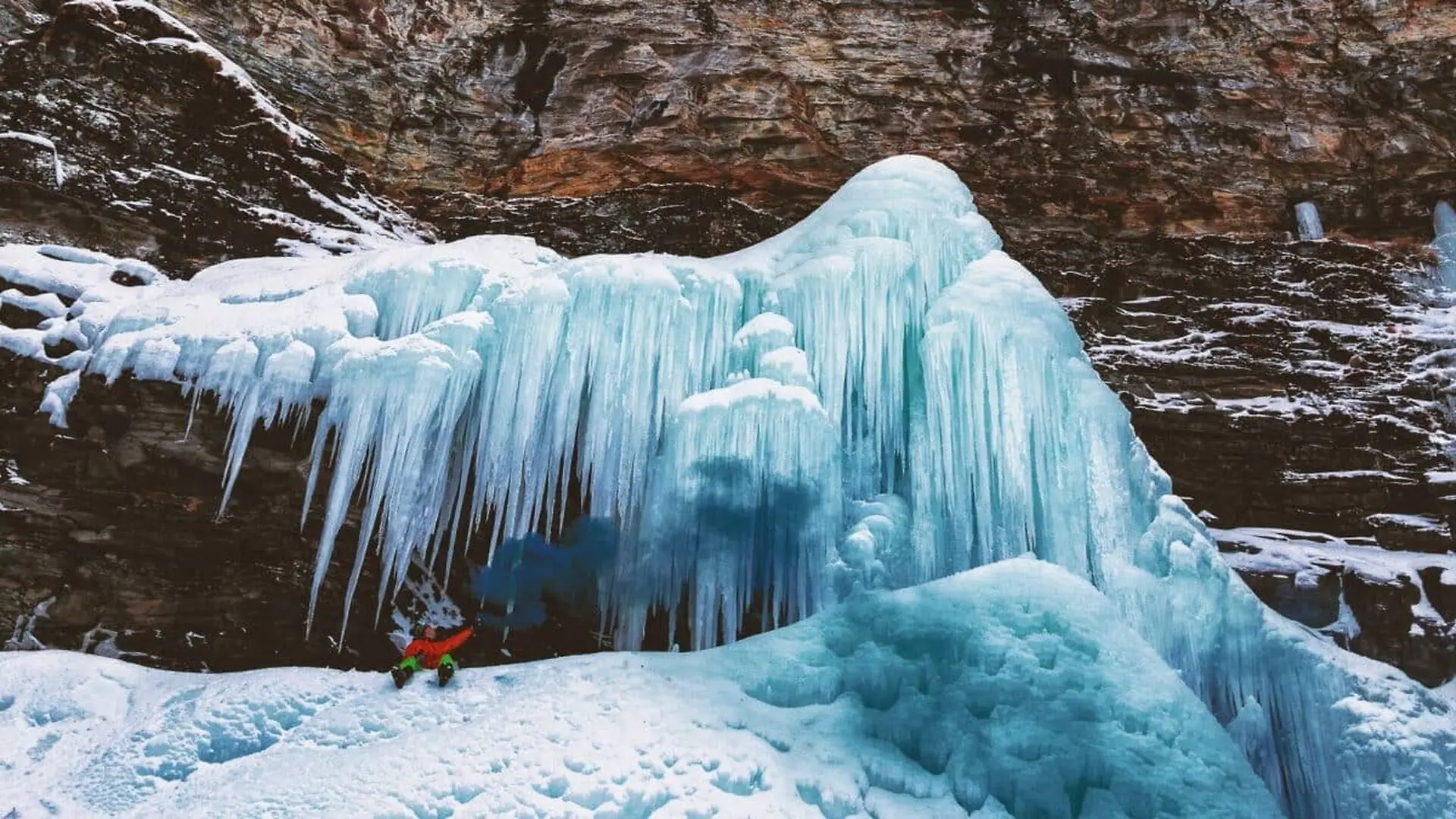
From the frozen plains of Siberia to the rugged peaks of the European Alps, the world’s permafrost is undergoing a significant and rapid transformation. New research indicates that the seasonal thaw—the top layer of ground that melts during warmer months—is penetrating deeper into the earth than ever before, signaling a broad-scale degradation of landscapes that have remained frozen for millennia.
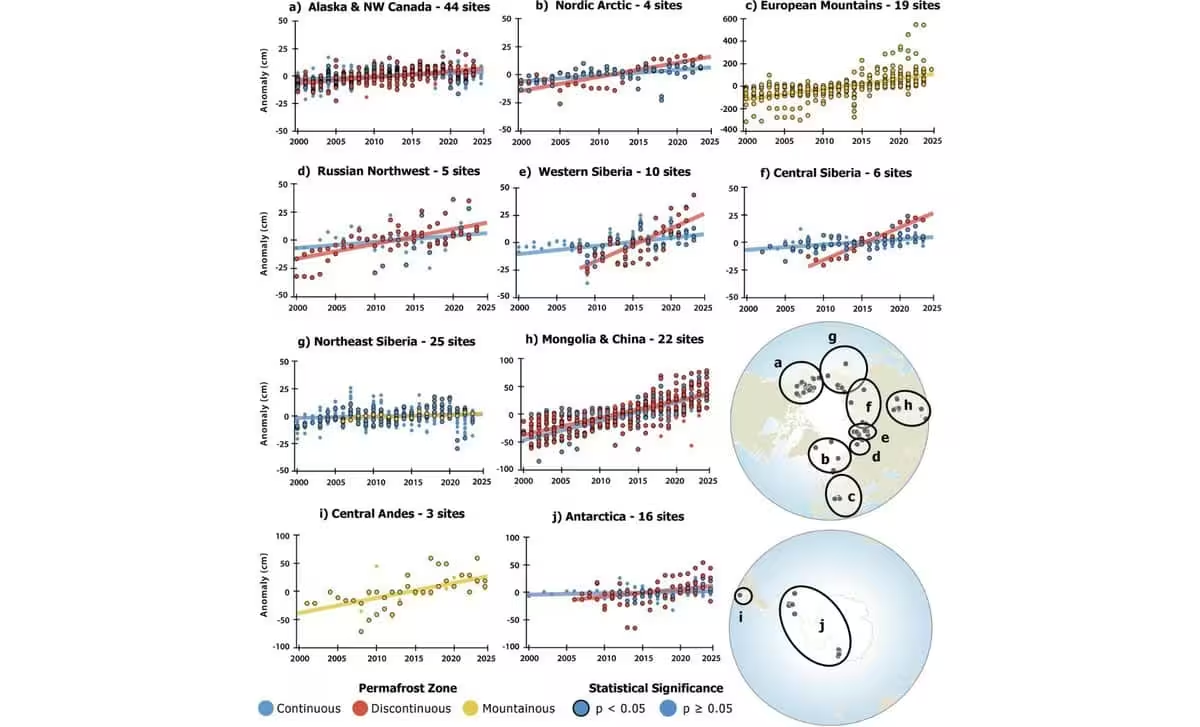
Permafrost is defined as ground that maintains temperatures at or below 0 degrees Celsius (32 degrees Fahrenheit) for at least two consecutive years. Sitting atop this frozen foundation is the active layer, a surface zone that thaws annually. According to a study published in Communications Earth & Environment, scientists monitoring 156 sites between 2000 and 2024 observed consistent deepening of this layer across multiple continents.
A Global Shift in Frozen Landscapes
The extent of this thaw varies significantly by geography. In Arctic regions, where the change is most extensive in total area, the active layer expanded by an average of 0.8 centimeters per year. However, the most dramatic shifts occurred in mountainous terrain. High-elevation sites in Europe showed an average increase of 10.3 centimeters per year, with some locations, such as Switzerland’s Schilthorn site, recording active-layer depths exceeding 1,300 centimeters by 2022. Similarly, high-altitude regions in China and Mongolia reported an average annual increase of 3.2 centimeters.
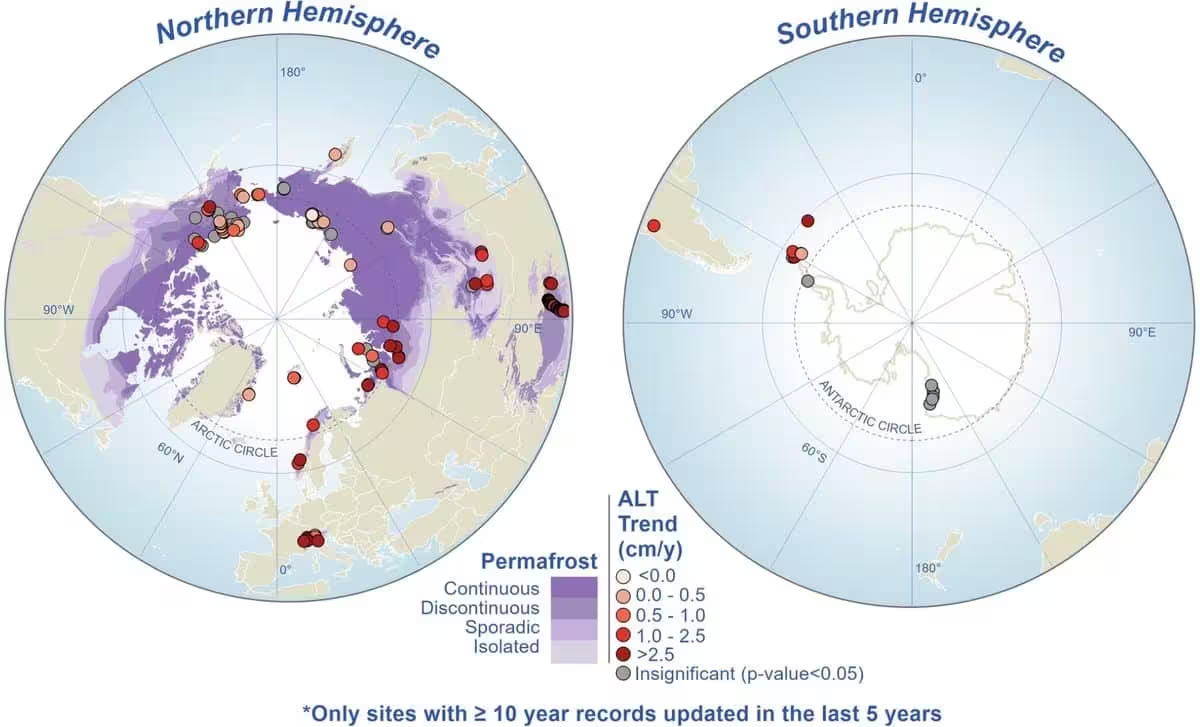
Researchers identified summer warmth as the primary driver for these changes, noting that every unit increase in the square root of thawing degree days resulted in a roughly one-centimeter increase in active-layer thickness. The physical impacts of this thawing are already visible: as ground ice melts, the structural integrity of the soil fails, leading to land subsidence and the formation of thousands of thaw slumps, with satellite data identifying over 40,000 such features across the Arctic.
The Climate Feedback Loop
Beyond the immediate physical damage to infrastructure and ecosystems, the thaw poses a major atmospheric risk. Frozen soil holds vast quantities of organic matter accumulated over thousands of years. As the ground warms, microbes begin to decompose this material, releasing carbon dioxide in dry environments and methane in waterlogged conditions.
A 2012 study previously estimated that permafrost holds approximately 1,700 petagrams of carbon, a figure that could lead to significant global temperature increases by 2300. Recent analysis has sought to integrate these emissions into broader Earth-system models, which have historically struggled to fully account for the combined impact of permafrost degradation, wetland emissions, and wildfire activity.
A 2026 study led by Sam Abernethy found that for every degree of global warming, these natural sources could release an additional 97 teragrams of methane and 7 petagrams of carbon dioxide annually. Using the MAGICC climate model, the team estimated that these warming-induced emissions could contribute an additional 0.2 to 0.4 degrees Celsius to global temperatures by 2100, depending on the emissions scenario.
This creates a self-reinforcing cycle: current warming forces the thaw of deep-seated carbon, which in turn releases greenhouse gases that accelerate global temperature rise. As the active layer continues to expand, the window for mitigating this specific climate feedback continues to narrow.
This article has been fact checked for accuracy, with information verified against reputable sources. Learn more about us and our editorial process.
Last reviewed on .
Article history
- Latest version
Reference(s)
- Streletskiy, Dmitry. “Long-term monitoring of active layer thickness confirms global permafrost degradation - Communications Earth & Environment.”, vol. 7, no. 1, August 26, 2026, pp. 671 Nature, doi: 10.1038/s43247-026-03824-1. <https://www.nature.com/articles/s43247-026-03824-1>.
- MacDougall, Andrew. “Significant contribution to climate warming from the permafrost carbon feedback - Nature Geoscience.”, vol. 5, no. 10, pp. 719-721. Nature, doi: 10.1038/ngeo1573. <https://www.nature.com/articles/ngeo1573>.
- Abernethy, Sam., et al. “Projected amplification of global warming by warming-induced greenhouse gas emissions.” Environmental Research Letters, vol. 21, no. 17, September 10, 2026, pp. 174022 IOP Publishing, doi: 10.1088/1748-9326/ae9e24. <https://iopscience.iop.org/article/10.1088/1748-9326/ae9e24>.
Cite this page:
- Posted by Zara Tariq