Ordinary Church Chest Turns Out To Be A Centuries Old Historical Treasure
A mysterious wooden chest discovered in a village presbytery is sparking debate among experts as they work to uncover its true age and historic purpose.
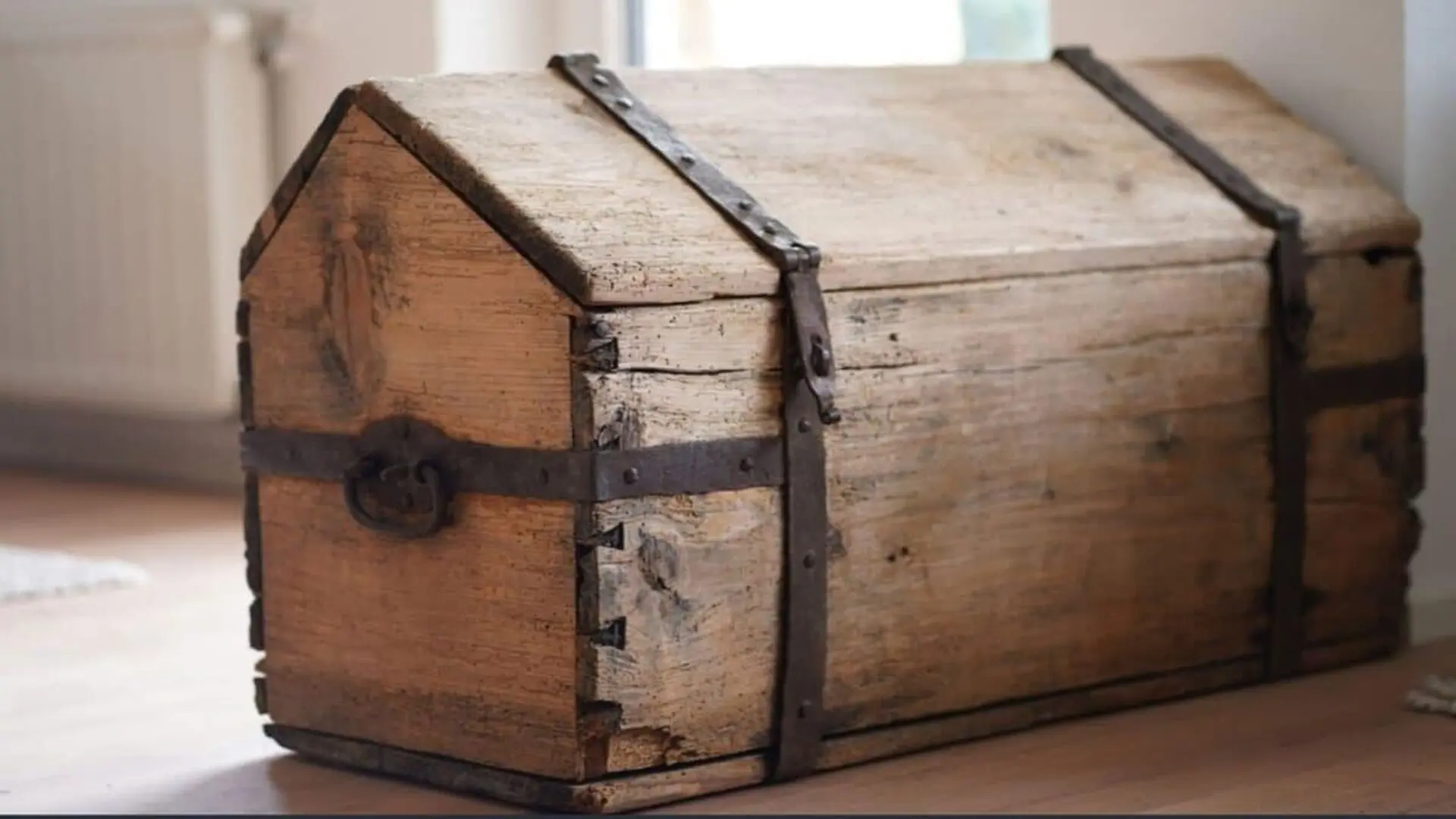
An unassuming wooden chest, long overlooked in a village church in Seine-et-Marne, France, is the subject of new historical interest after experts suggested it may be a centuries-old artifact. Although the object had been identified years ago in a presbytery cellar, its significance was not fully realized until a diagnostic assessment of the church’s structure in 2024 triggered a deeper investigation.
The church itself has been recognized as a historic monument since 1927, but the origin of the chest remained a mystery until recent inquiries by former municipal councillor Stéphane Devillers and independent experts began to uncover its potential age. Local authorities now suspect the container served as a money changer’s chest, a specialized device once used to store parish offerings, including fees from wealthy families for high-profile religious ceremony proceedings.
Advanced Dating Techniques Planned for Mystery Find
Mayor Michael Rousseau of Jouy-sur-Morin has highlighted the peculiar construction of the piece, noting that both its locking mechanism and physical design are highly unusual. While these features hint at a sophisticated history, they do not provide a definitive timeline for the artifact’s creation.
To move past speculation, the municipality is working to commission a dendrochronological study—a method of dating the chest by analyzing its wooden growth rings. According to Mayor Rousseau, the town is currently awaiting a quotation from a specialist. The project has faced minor delays due to the expert’s current workload, but it remains a priority for the local government to confirm the age of the object.
Seeking Official Heritage Status
Should the scientific analysis confirm the chest’s age, the local government plans to petition the Direction régionale des affaires culturelles (DRAC) to grant it official heritage classification. This status would ensure the artifact receives proper conservation and legal protection as a piece of significant cultural property.
“We will then prepare a file with the Direction régionale des affaires culturelles (DRAC) so that it can be classified and protected,” Michael Rousseau said.
As reported by actu.fr and RSE Magazine, the discovery serves as a reminder of the historical treasures that can remain hidden in plain sight within small communities. Until the technical assessment is completed, the true origins of the chest remain an open question for researchers and the local parish alike.
This article has been fact checked for accuracy, with information verified against reputable sources. Learn more about us and our editorial process.
Last reviewed on .
Article history
- Latest version
Reference(s)
- Delin, Gerald. “Un coffre vieux de plusieurs centaines d'années découvert dans une église de Seine-et-Marne.”, September 27, 2026 actu.fr <https://actu.fr/ile-de-france/jouy-sur-morin_77240/un-coffre-vieux-de-plusieurs-centaines-dannees-decouvert-dans-une-eglise-de-seine-et-marne_64839640.html>.
- Prat, Clément. “Un coffre vieux de plusieurs siècles dormait sous l'autel d'une église de Seine-et-Marne : « On passait devant tous les dimanches sans savoir ».”, September 30, 2026 RSE Magazine <https://www.rse-magazine.com/un-coffre-vieux-de-plusieurs-siecles-dormait-sous-lautel-dune-eglise-de-seine-et-marne-on-passait-devant-tous-les-dimanches-sans-savoir/>.
Cite this page:
- Posted by Zara Tariq