NASA’s Swift Observatory Is Making One Final Science Run Before Its Fiery Reentry to Earth
A high-stakes $30 million rescue mission has ended in failure, stalling just miles from its target destination.
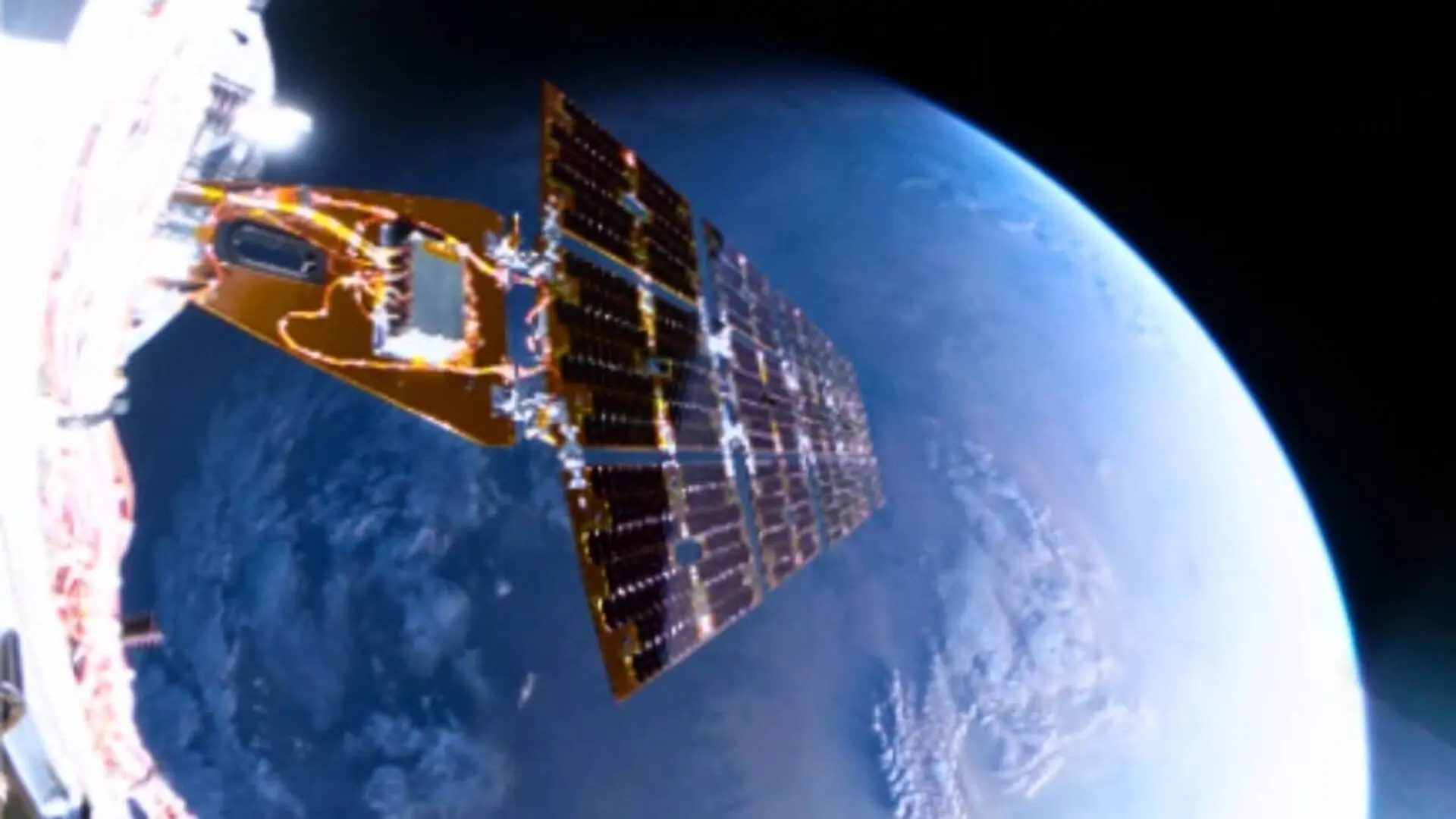
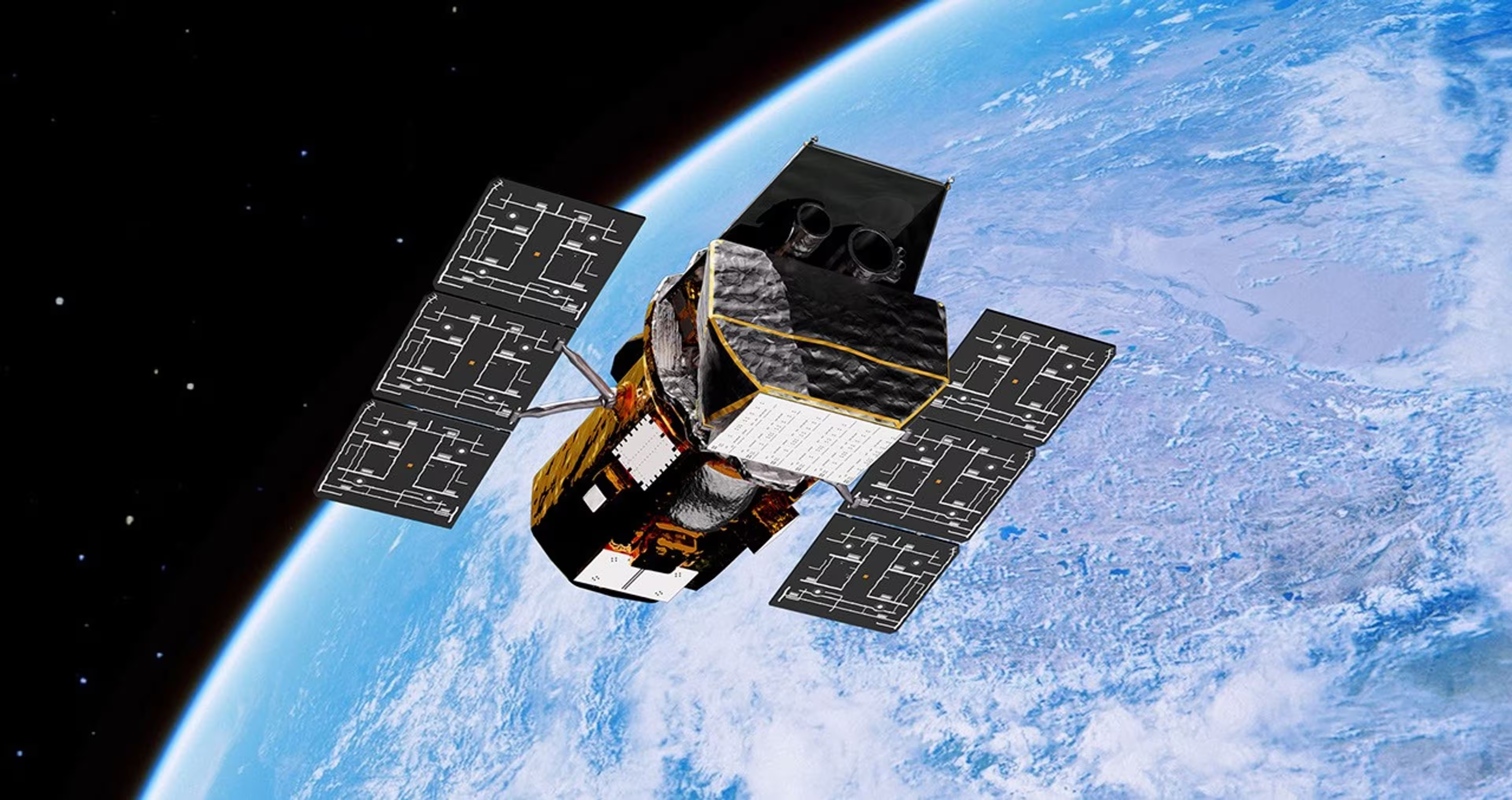
After a five-month hiatus, NASA’s Neil Gehrels Swift Observatory has returned to its primary mission, scanning the heavens for the universe’s most violent phenomena. On September 18, the spacecraft’s gamma-ray detector began capturing high-energy light once more, and by September 21, ground controllers had restored the telescope’s autonomous slewing capability, allowing it to pivot toward transient cosmic events without human intervention.
This final act of scientific discovery, however, comes at a significant cost to the observatory’s lifespan. Having launched in November 2004, the aging satellite is now in a decaying orbit, with no remaining options for a rescue mission to extend its tenure. NASA reports that Swift is currently hovering approximately 200 miles (325 kilometers) above Earth. As it drops toward the 185-mile (300-kilometer) threshold, drag from the thinning upper atmosphere will likely render continued operations impossible, a milestone expected as early as mid-October. Current projections indicate that the spacecraft will undergo a destructive atmospheric reentry in early November.
The Failed Attempt to Save a Scientific Icon
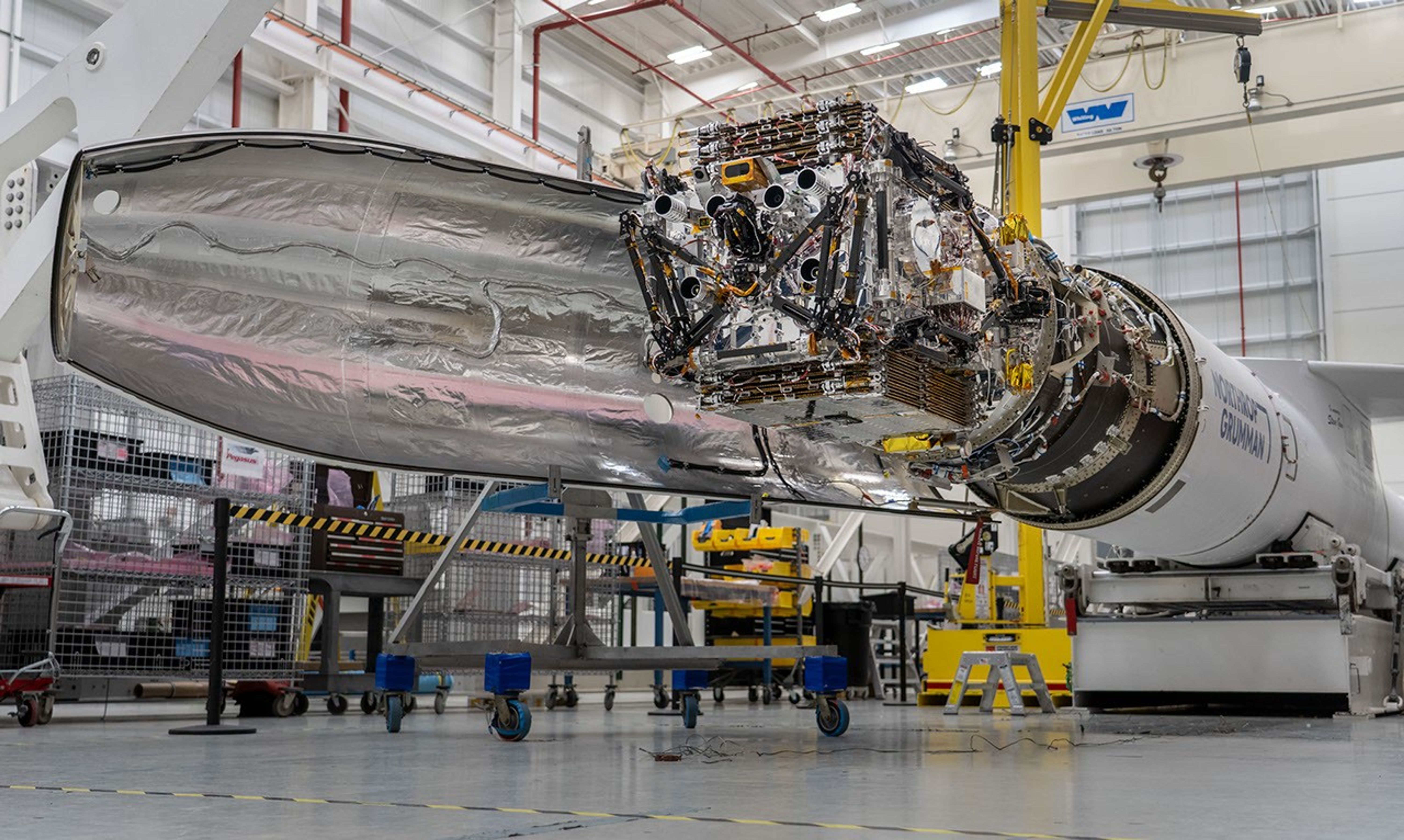
The mission’s precarious situation prompted a $30 million effort led by Flagstaff-based firm Katalyst Space. NASA tasked the company with designing and launching a robotic craft, known as LINK, to rendezvous with Swift and boost it into a higher, more stable orbit. The mission launched in July aboard a Northrop Grumman Pegasus XL rocket, but the effort faced immediate technical hurdles, including persistent communication losses and orientation control issues.
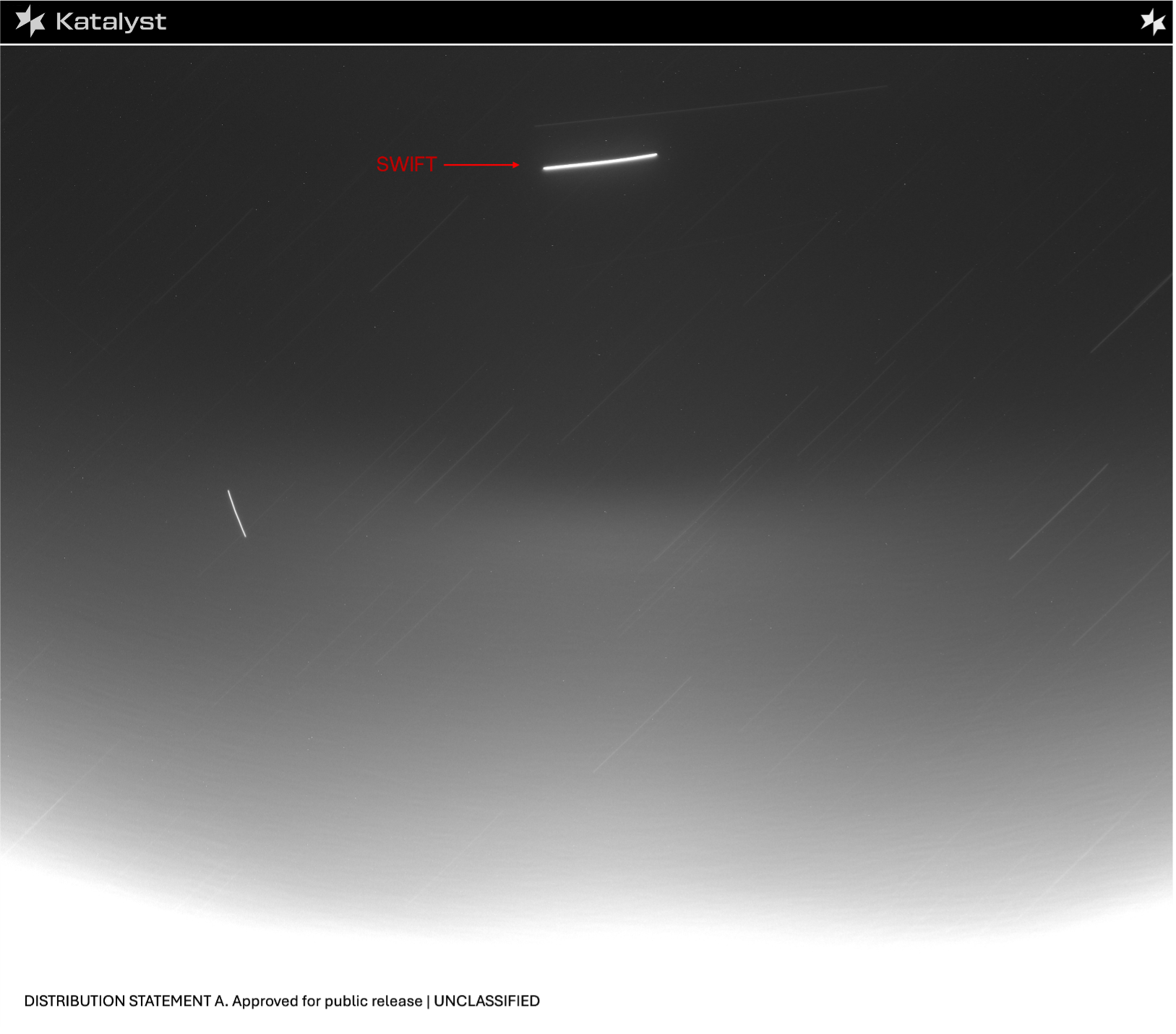
While engineers successfully stabilized the LINK craft with new software, the maneuver consumed critical propellant reserves, forcing NASA and Katalyst to abandon the rescue on August 19. Despite the setback, the team utilized LINK as a technology demonstrator. In early September, the craft performed a flyby, approaching within 7.5 to 9 miles (12 to 15 kilometers) of the observatory and testing its robotic arm capabilities. LINK concluded its mission on September 25, burning up upon reentry after 85 days in orbit. Katalyst CEO Ghonhee Lee characterized the venture as a foundational step for future satellite servicing.
Managing Atmospheric Drag to Extend Operations
Swift’s orbital decline has been accelerated by intense solar activity. As the Sun approached the peak of its 11-year cycle throughout 2024, solar flares and coronal mass ejections caused the Earth’s atmosphere to expand, significantly increasing drag on low-altitude satellites. To compensate, controllers at Penn State’s Mission Operations Center spent months meticulously reorienting the spacecraft to minimize air resistance, often sacrificing scientific observation time to conserve altitude.
By February 2026, every move the spacecraft made was dictated by the need to combat drag. The observatory’s ultraviolet, optical, and X-ray instruments were shuttered to save power, followed by the deactivation of the Burst Alert Telescope in April. Following the cancellation of the rescue, these constraints were lifted. On August 26, the team reactivated the X-ray telescope, which promptly imaged the remnants of Tycho’s supernova, followed by the restart of the gamma-ray detector in September.
The Final Descent
Experts from space-tracking firm LeoLabs have noted that while the majority of the observatory will disintegrate during its descent, the spacecraft’s substantial size means some structural components may survive the fiery transit through the atmosphere. The risk of damage or injury is considered extremely low, as any potential debris is projected to land in the ocean or remote, uninhabited regions.
The loss of Swift marks the end of a two-decade era in high-energy astrophysics. The observatory served as a critical nexus in the global astronomy network, providing real-time alerts on ephemeral events like gamma-ray bursts and black hole flares. Currently, no dedicated successor exists to fill the void left by Swift’s departure, leaving a significant gap in our ability to monitor the most volatile events in the cosmos.
This article has been fact checked for accuracy, with information verified against reputable sources. Learn more about us and our editorial process.
Last reviewed on .
Article history
- Latest version
Reference(s)
- “LINKSwiftImage.” <https://assets.science.nasa.gov/dynamicimage/assets/science/missions/swift-observatory/news/2026/lessons-learned/LINKSwiftImage.png?w=1627&h=1430&fit=clip&crop=faces%2Cfocalpoint>.
- “NE201073.” <https://assets.science.nasa.gov/dynamicimage/assets/science/cds/svs/a010000/a015000/a015062/NE201073.jpg?w=6000&h=3593&fit=clip&crop=faces%2Cfocalpoint>.
Cite this page:
- Posted by Aisha Ahmed