ESA’s Arrakihs Mission to Unveil Hidden Galaxy Halos and the Milky Way’s Secret Past
Uncover the hidden history of galaxies with ESA’s Arrakihs mission probing elusive galactic haloes
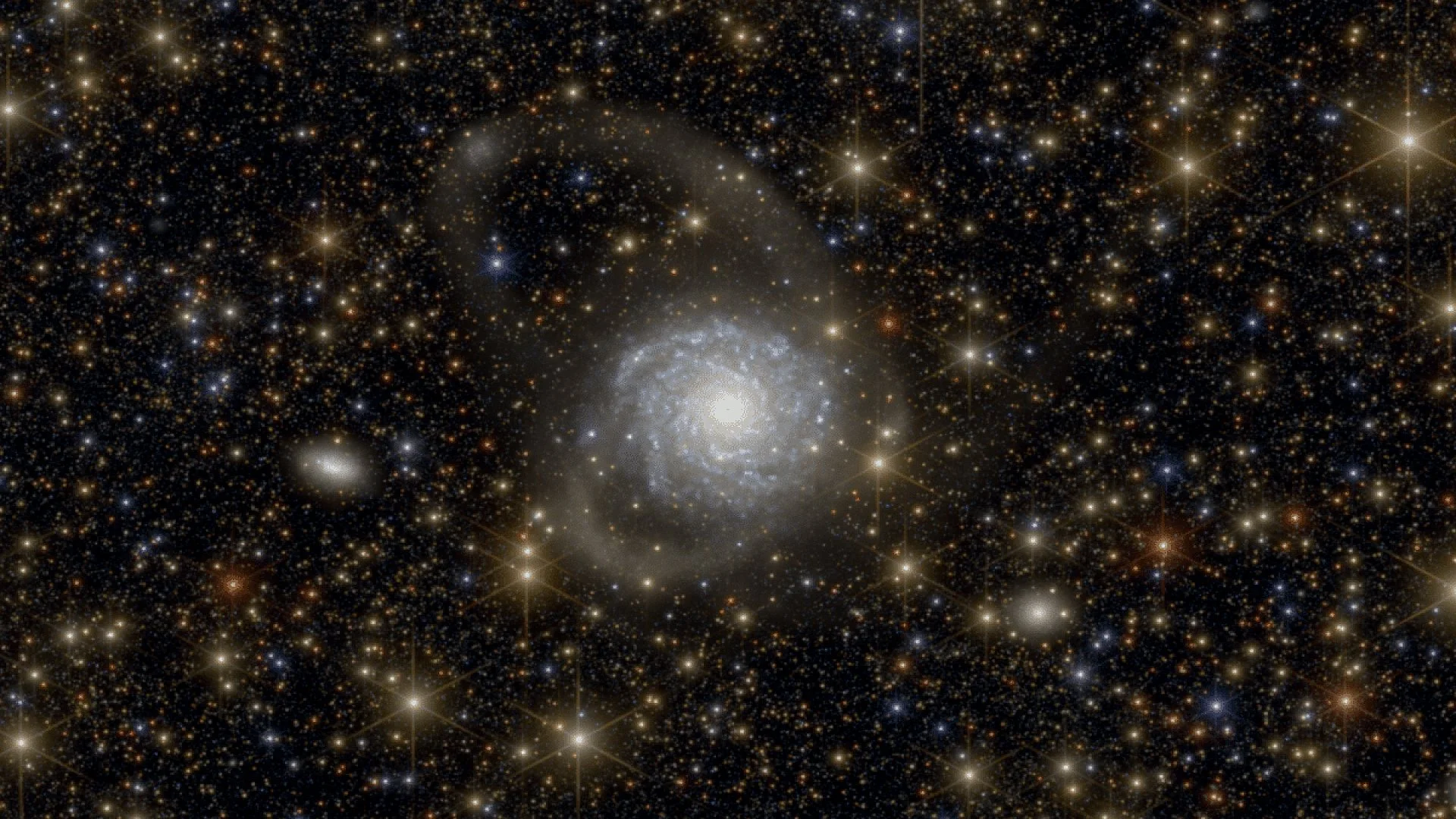
The European Space Agency has given the green light to its next galactic‑archaeology venture, Arrakihs, with a target launch before the close of 2030. The probe is designed to detect the extremely faint glow that surrounds galaxy haloes – the diffuse outskirts that encode the formative history of systems like the Milky Way (ESA).
Peering Into the Dark Spheres Around Galaxies
Beyond the bright spiral arms that dominate most images, a massive, roughly spherical halo extends far into space. These regions are dominated by dark matter and contain sparse stars and gas that preserve the imprint of ancient mergers. Arrakihs will concentrate on these low‑brightness structures, tracing stellar streams that are the torn remnants of smaller galaxies swallowed over billions of years. By charting such streams, researchers aim to piece together a detailed chronology of how large galaxies assembled, offering fresh insight into the interplay between visible matter and the invisible dark matter framework.
Cutting‑Edge Optics for Ultra‑Faint Light
To capture light that evades most observatories, the spacecraft will carry a single payload consisting of two binocular telescopes equipped with four cameras that operate from the near‑ultraviolet to the near‑infrared. This suite, built by a European consortium led by Spain with partners in Switzerland, Austria, Belgium, Norway, Portugal and Sweden, is being funded through ESA’s Prodex programme. The collaborative effort ensures that every photon harvested from the halo regions translates into high‑precision measurements.
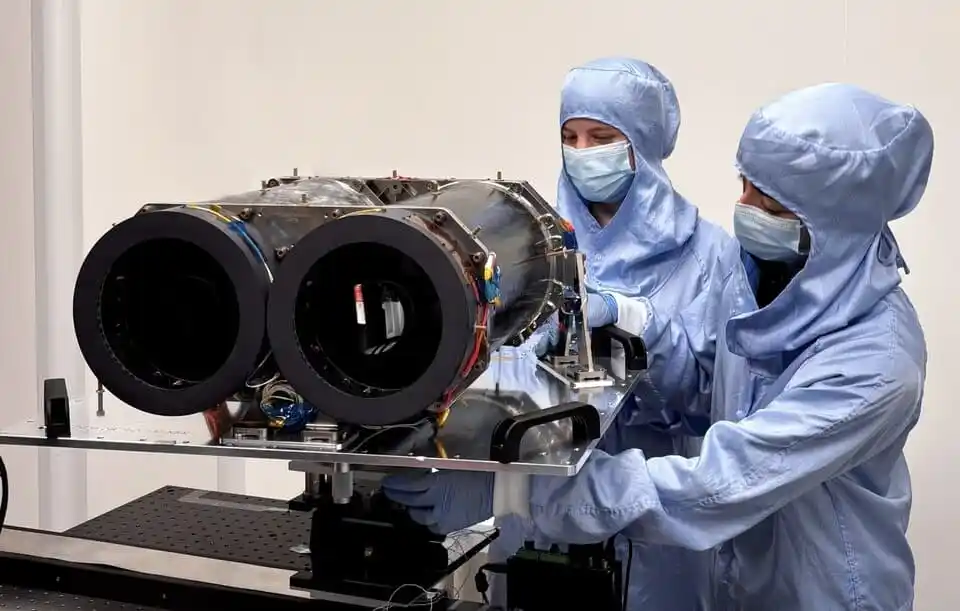
Credit: Satlantis / Arrakihs Mission Consortium
Statistical Survey of Milky Way‑Like Galaxies
The mission will observe at least 80 galaxies whose mass rivals that of the Milky Way, providing a dataset large enough to assess whether our own galaxy follows typical evolutionary pathways. “Arrakihs is a ground‑breaking and unique galactic archaeology mission. By uncovering hard‑to‑see galaxy haloes, it will reveal new details of how galaxies form and whether the Milky Way galaxy is unique. Its rapid development showcases the flexibility and breadth of ESA’s Science Programme,” said Professor Carole Mundell, ESA’s Director of Science. Each mapped stream will act as a snapshot of past accretion events, illustrating how larger galaxies grow by assimilating smaller companions.
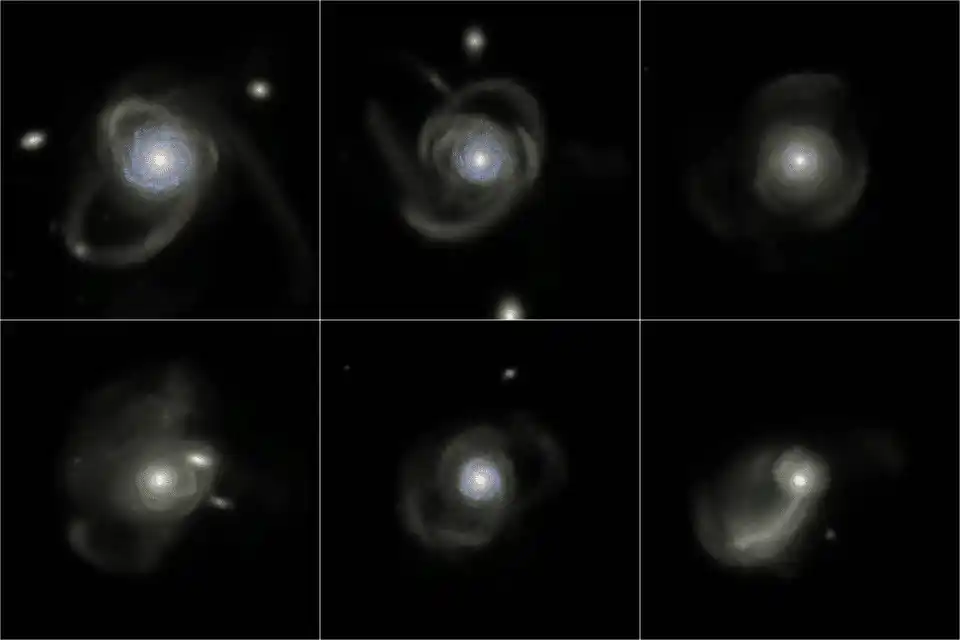
Credit: Yves Revaz (EPFL) ; CC BY 4.0 INT
Fast‑Track Development Under Cosmic Vision
Classified as an “F‑class” or fast mission within ESA’s Cosmic Vision framework, Arrakihs was selected in 2022 and has now moved from concept studies to hardware construction, integration and testing. The accelerated schedule—under ten years from selection to launch—highlights ESA’s capacity to respond swiftly to emerging scientific priorities. As part of the agency’s suite of Cosmic Observers, Arrakihs will address fundamental questions about the universe’s origins, composition and governing physical laws. ESA notes that the mission’s rapid progress reflects both technical innovation and organizational agility.
This article has been fact checked for accuracy, with information verified against reputable sources. Learn more about us and our editorial process.
Last reviewed on .
Article history
- Latest version
Reference(s)
- “ESA adopts galactic archaeology mission Arrakihs.” <https://www.esa.int/Science_Exploration/Space_Science/ESA_adopts_galactic_archaeology_mission_Arrakihs>.
Cite this page:
- Posted by Aisha Ahmed