Catch the Rare Daytime Arietid Meteor Shower Before Sunrise on June 10
Juin: observez des météores diurnes rares avant l’aube et via radio
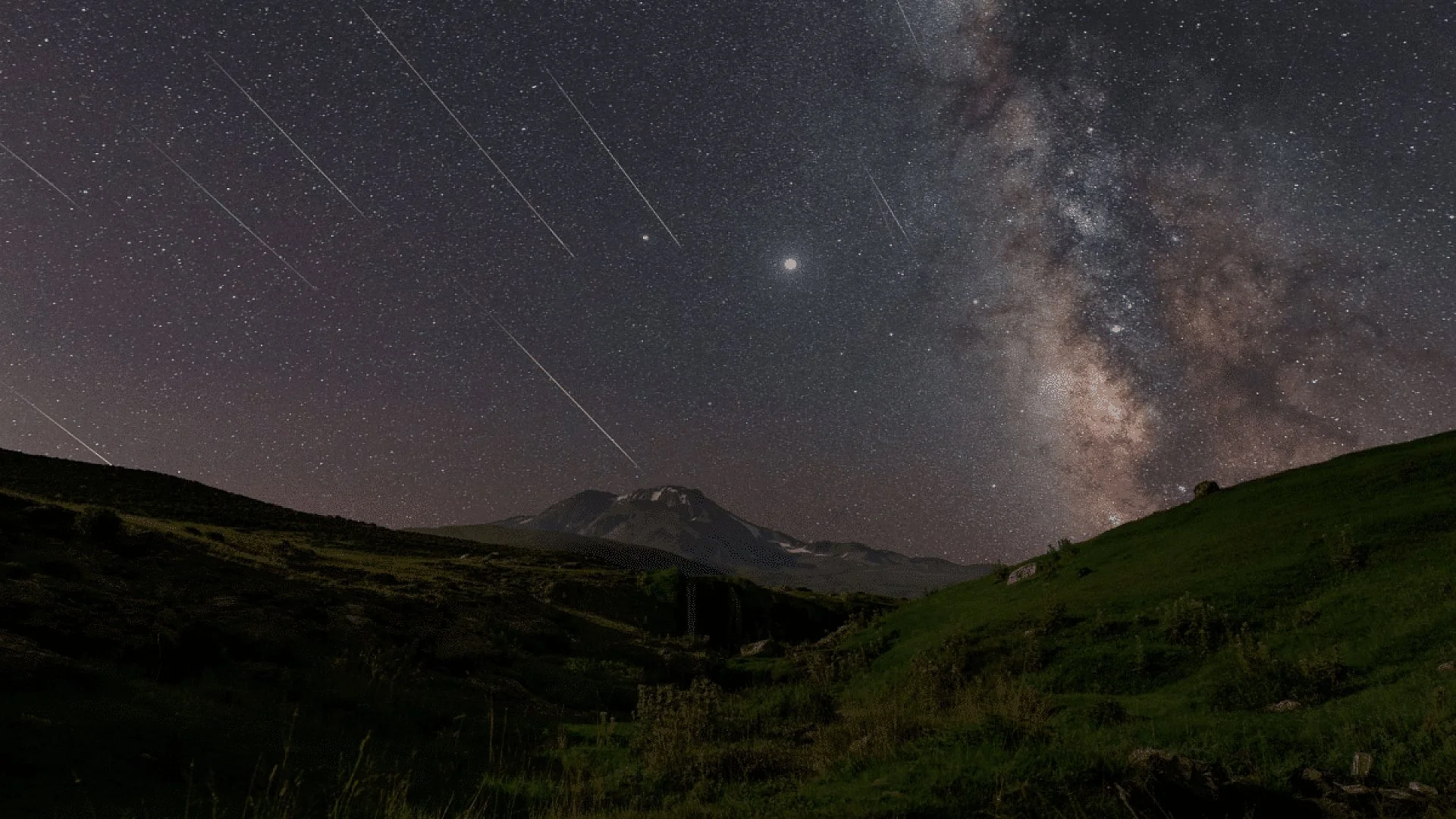
Early June offers a short-lived opportunity to see the Arietid meteor shower, a celestial event that normally stays concealed by daylight. The peak occurs in the pre‑dawn hours of June 10, 2026, delivering a fleeting but impressive show just before the sun rises. Unlike the classic night‑time showers, the Arietids demand a different observing strategy to capture these brief streaks.
When to Look: The Critical Dawn Window
Active from May 22 to July 3, the Arietids reach their maximum in early June. The optimal moment falls 45 to 60 minutes before sunrise, when the eastern sky begins to brighten but the sun remains below the horizon. In this interval the meteors become visible to the naked eye. Observers note that the fireballs seem to emerge from the horizon rather than descend from overhead, a result of the shower’s radiant near the star 41 Arietis in the Aries constellation.
Standard optical gear such as binoculars or telescopes should be avoided; with the sun only slightly below the horizon, any stray light can cause eye injury. The safest approach is to choose a comfortable spot with an unobstructed view of the east, protect your eyes from direct sunlight, and watch the meteors glide horizontally across the upper atmosphere. Many watchers describe the sight as meteors skimming the sky instead of plunging from above.

A Rare Daytime Meteor Display
Daytime meteor showers are an uncommon treat for amateur skywatchers. While famous nocturnal events like the Perseids dominate the night sky, the Arietids require observers to adjust to daylight conditions. The brief viewing period and subtle brightness of the meteors foster a close, almost personal, encounter with the heavens. Because the radiant hugs the horizon, the fireballs appear to shoot straight upward, enhancing the dramatic effect.
Enthusiasts can also tap into the Arietids using basic radio astronomy. As meteors vaporize in the upper atmosphere they generate ionized trails that bounce radio waves. By tuning a simple FM radio to distant static, listeners can hear brief bursts of sound that correspond to meteoric passages, adding an auditory layer to the visual experience even when the sun hides the sky.
How to Get the Most Out of Your Viewing Session
Arriving early is essential; aim to be at your chosen site before the first light of dawn. A clear, wide view of the eastern horizon is crucial, and locations away from city lights—such as rural fields or elevated spots—provide the best conditions. Dress for cool pre‑sunrise temperatures and bring a comfortable seat for extended observation.
Unlike many meteor showers that encourage the use of optical aids, the Arietids are best appreciated with the naked eye. Prioritise safety by avoiding direct exposure to the sun’s edge. Staying relatively still allows your eyes to adapt, making the faint streaks easier to detect.
What Sets the Arietids Apart
The daytime timing, radiant placement, and observational challenges of the Arietids give both hobbyist and professional astronomers a unique target. The event underscores the continuous interaction between Earth’s atmosphere and incoming space debris, reminding observers that the sky is never truly still.
Even though the shower has been recorded for decades, its daytime character continues to intrigue. Space.com notes that the phenomenon still captures the imagination of those willing to adjust their routines for a brief glimpse of cosmic activity.
This article has been fact checked for accuracy, with information verified against reputable sources. Learn more about us and our editorial process.
Last reviewed on .
Article history
- Latest version
Reference(s)
- Malartre, Jules-Pierre. “Rare daytime meteor shower peak this week — here's how to see (and even hear) them.”, June 8, 2026 Space <https://www.space.com/stargazing/meteor-showers/rare-daytime-meteors-peak-this-week-heres-how-to-see-and-even-hear-them>.
Cite this page:
- Posted by Aisha Ahmed