Massive 600 Year Old Coin Hoard Discovered in Russia May Solve a Medieval Mystery
Archaeologists in the Russian city of Kolomna have unearthed a hidden hoard of over 2,600 silver coins buried in a ceramic jug nearly 600 years ago.
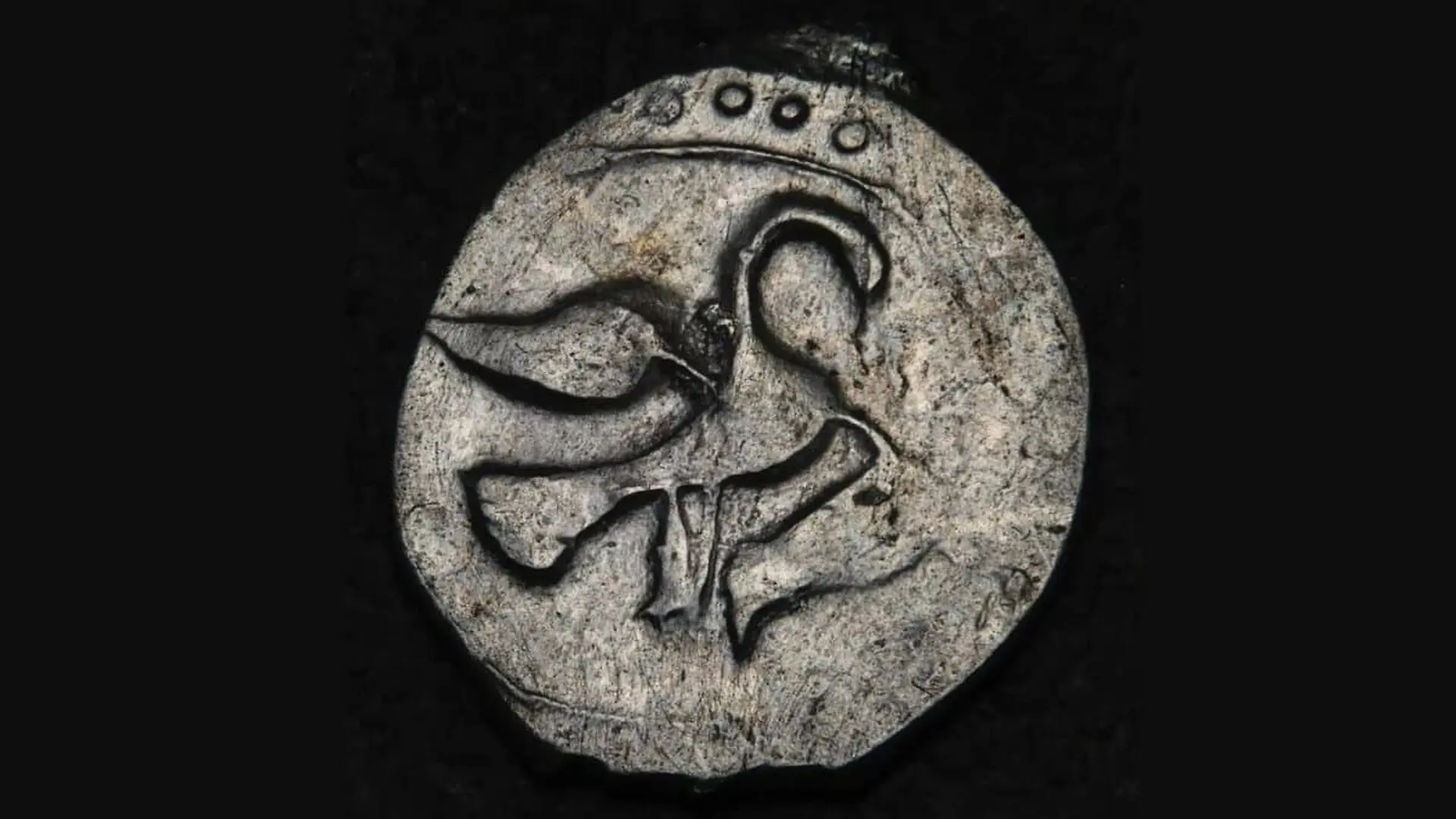
Archaeologists working in the historic city of Kolomna have unearthed a significant cache of 15th-century coinage, representing the most complete collection from that era ever discovered in Russia. Found tucked inside a ceramic jug during excavations near the local Kremlin, the hoard provides a rare, high-resolution look at the economic life of one of the Grand Duchy of Moscow’s most critical urban centers.
A Cache of Substantial Medieval Wealth
The discovery was made during a rescue mission led by A. V. Engovatova and managed by M. V. Afonin. Buried in a shallow pit, the vessel held more than 2,600 silver dengi, the primary currency of the period. According to the Institute of Archaeology of the Russian Academy of Sciences, the hoard reflects the transition of power from Grand Prince Vasily I Dmitrievich, who held authority until 1425, to his successor, Vasily II Vasilyevich—often remembered as Vasily the Dark.
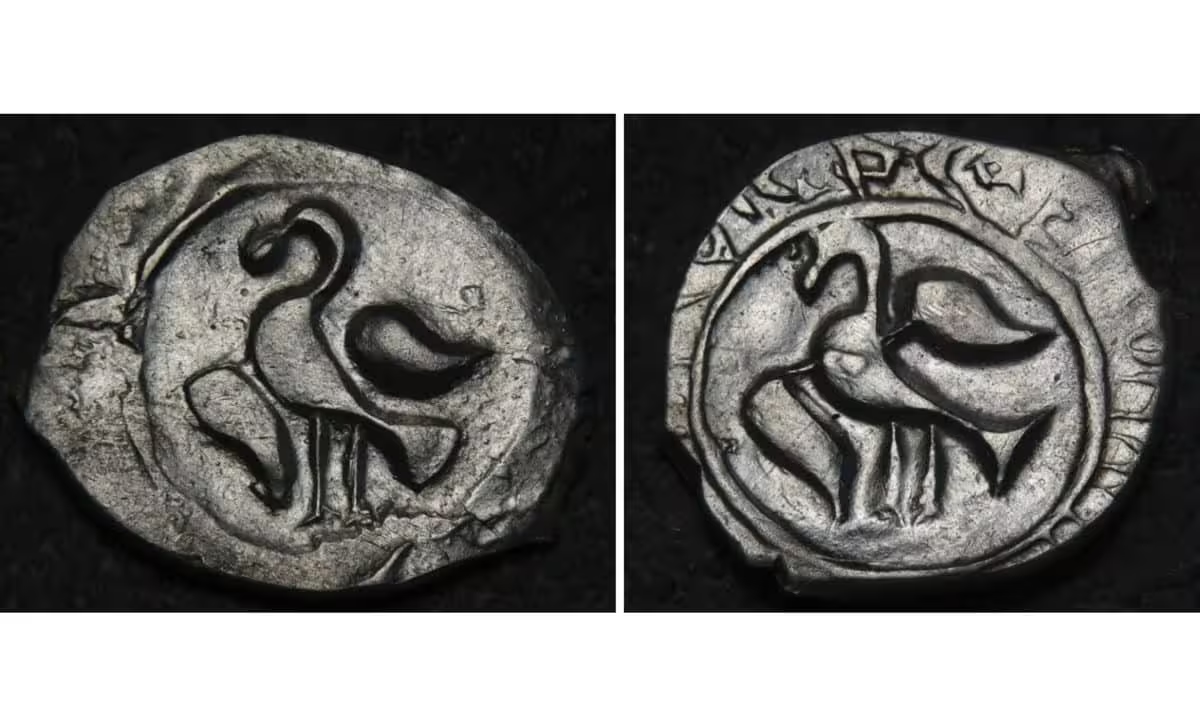
The total value of the deposit was roughly 13 rubles, a fortune in the early 1400s that could comfortably purchase a pair of houses or a substantial herd of livestock. Given the sheer volume of wealth, experts suggest the owner was likely a person of status, such as a high-ranking merchant, a government official, or a privileged servant of the Grand Prince.
Unprecedented Insights into Medieval Minting
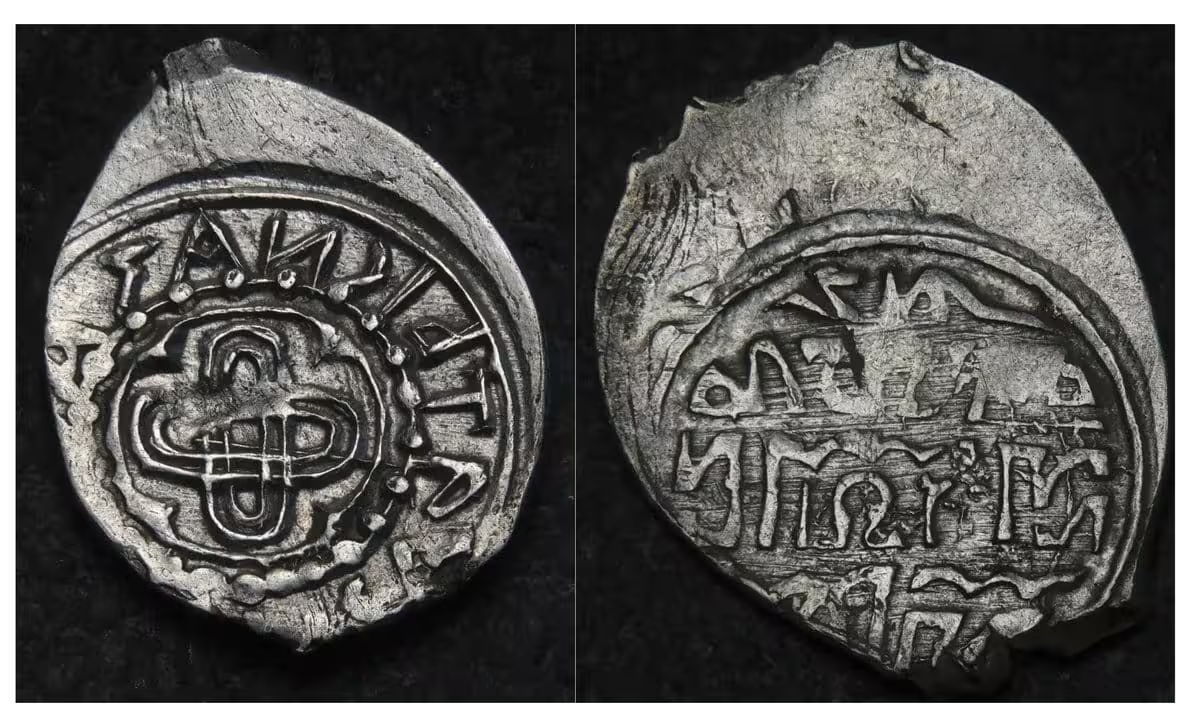
Beyond its sheer scale, the hoard is a numismatic treasure trove. Researchers identified over 350 previously undocumented coin varieties, including some designs that have never appeared in major museum collections. Notably, the hoard includes coins featuring a distinctive bird in flight, a motif rarely seen in other regional finds. Because the collection contains so many pieces struck from different dies, it offers historians a unique opportunity to map the chronological sequence of minting practices in Kolomna over a span of fifteen years.
The absence of coinage from smaller appanage principalities further confirms that the hoard reflects the highly centralized monetary circulation of Kolomna, which served as the secondary pillar of power in the region after Moscow.
A Silence Spurred by Epidemic
The newest coins in the vessel date the burial to the late 1420s. This timeframe is historically significant, as it aligns with severe plague outbreaks that swept through the cities of medieval Rus’ between 1425 and 1427. While it remains a working theory rather than a verified historical fact, researchers speculate that the owner may have succumbed to these illnesses, leaving the cache buried and unclaimed for centuries.
This article has been fact checked for accuracy, with information verified against reputable sources. Learn more about us and our editorial process.
Last reviewed on .
Article history
- Latest version
Reference(s)
- “В Коломне найден крупнейший клад русских монет 20-х гг. XV в. | Институт археологии Российской академии наук.” <https://archaeolog.ru/press/articles/v-kolomne-nayden-krupneyshiy-klad-russkikh-monet-20-kh-gg-xv-v>.
Cite this page:
- Posted by Vikram Desai