Inside China’s Secret Mountain Base That Took 18 Years to Build but Never Turned On
For 18 years, workers carved a massive nuclear maze into a Chinese mountain before operations abruptly ceased. Discover the secrets of this abandoned site.
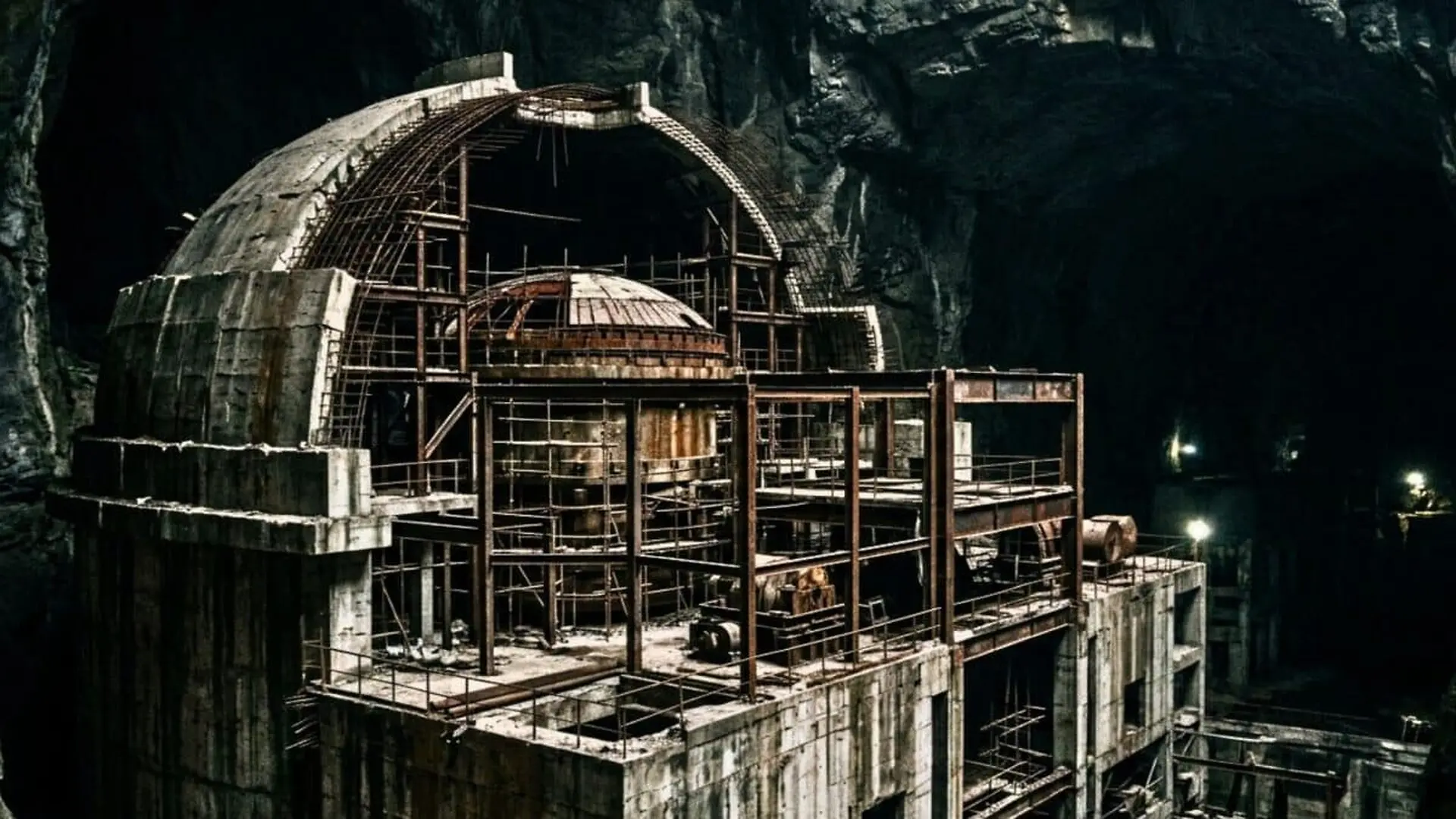
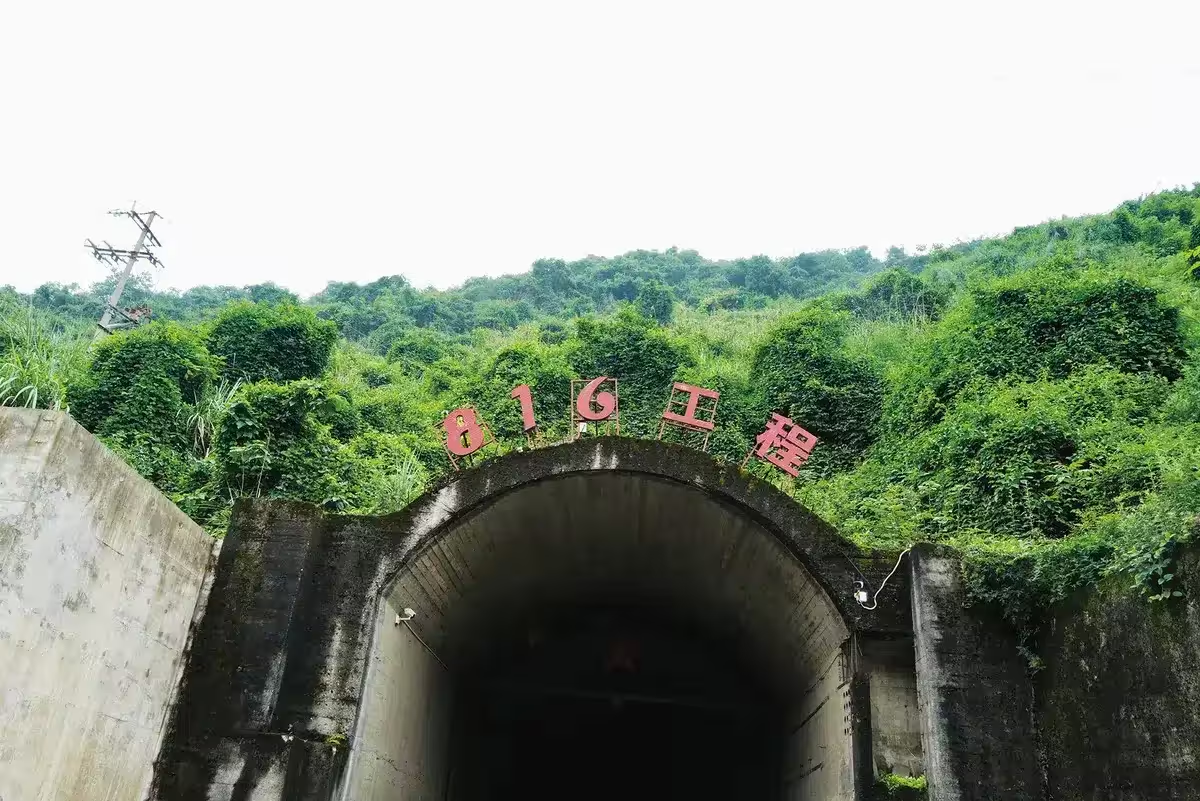
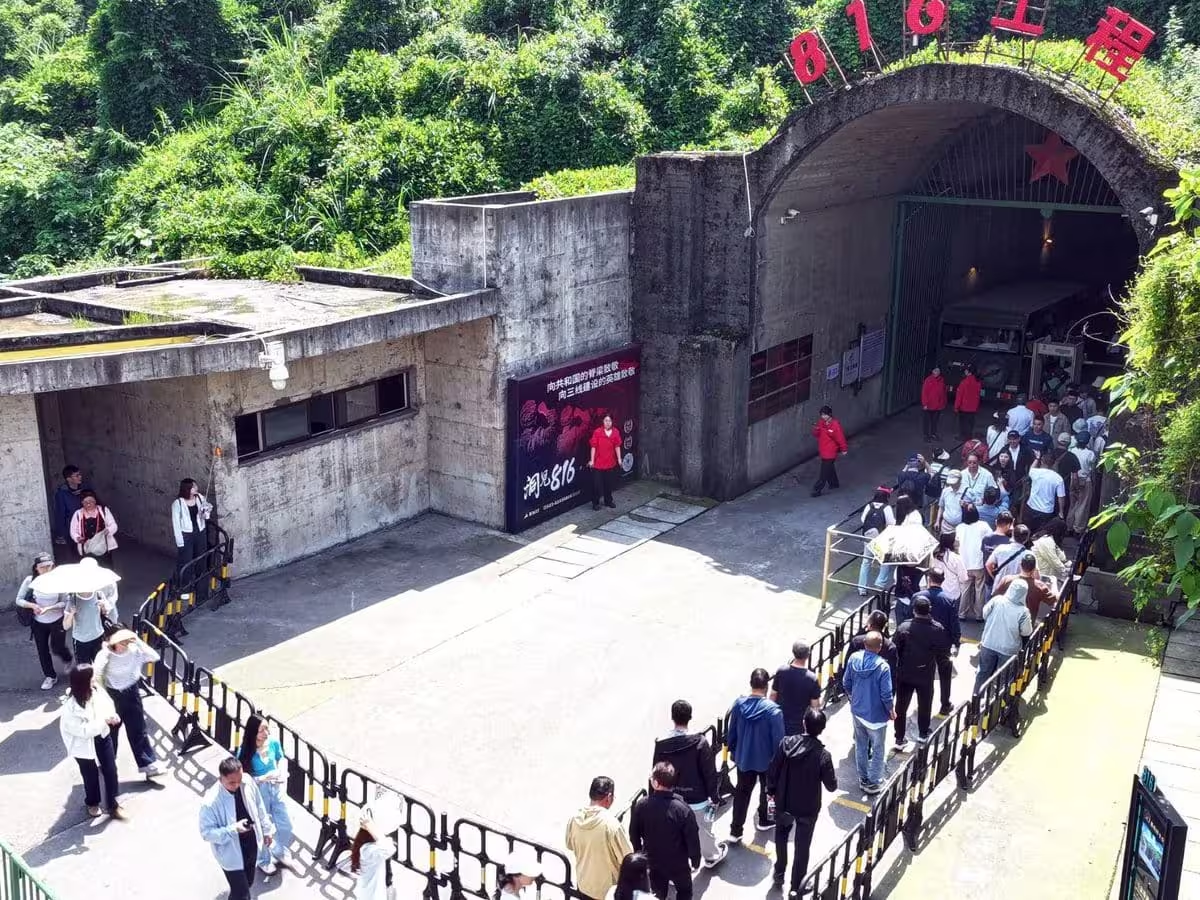
Buried deep within the craggy reaches of Jinzi Mountain in southwest China, a colossal monument to Cold War paranoia remains as a testament to an era of intense geopolitical anxiety. Known formally as the 816 Project, this sprawling underground complex was engineered to serve as a high-security facility for the production of weapons-grade plutonium. For nearly two decades, the site was the focus of a massive national mobilization, involving more than 60,000 laborers, soldiers, and technical specialists who labored to carve a secret nuclear heart into the very bedrock of the Earth.
A Fortress Built for the Shadows
The facility was a byproduct of the Third Front, a vast strategic campaign initiated by the Chinese leadership during the mid-1960s to decentralize industrial and military assets. Following the deterioration of Sino-Soviet relations, Beijing grew increasingly concerned about the vulnerability of its coastal and urban infrastructure to potential aerial or ground assaults. By relocating critical production capabilities to the rugged, inaccessible mountains of the Fuling district near the Wu River, the government sought to create an impenetrable sanctuary.
Secrecy was maintained with extreme rigor. The local village of Baitao was effectively scrubbed from public maps, and residents were displaced to make way for the clandestine operation. For the workers tasked with the excavation, isolation was the norm. Correspondence was funneled through a non-descript numbered Chongqing mailbox, and the true nature of their employment was kept strictly confidential, even among colleagues.
An Unmatched Engineering Feat
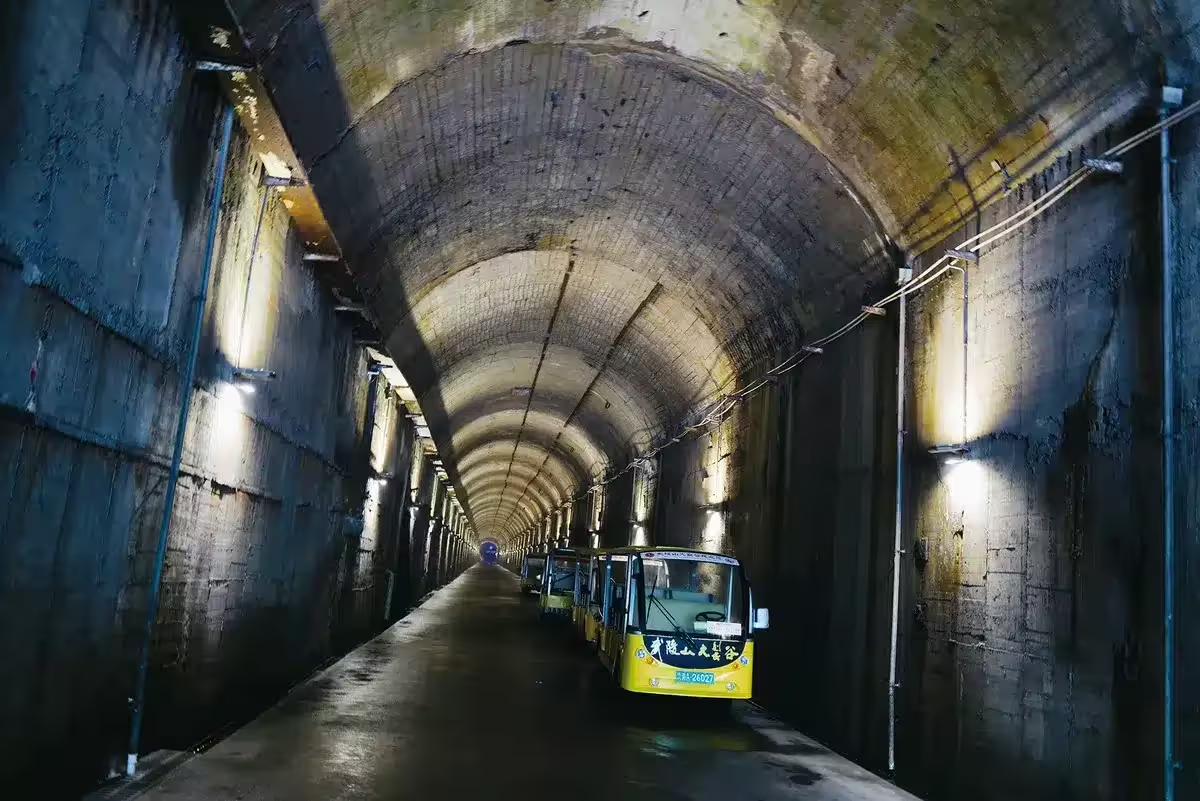
The scale of the 816 Project is difficult to overstate. Guinness World Records recognizes the site as the world’s largest manmade cave system. To create it, builders removed approximately 1.5 million cubic meters of rock, constructing a subterranean labyrinth that spans 104,000 square meters. The complex includes 18 massive caverns and over 130 interconnecting tunnels and shafts, with a central reactor chamber soaring nearly 80 meters high—a space comparable to a 20-story skyscraper.
The conditions for those working on the project were perilous. Excavations were conducted in environments filled with toxic fumes, heavy dust, and the constant threat of structural failure. While official reports acknowledge 76 fatalities, veterans of the project have long suggested that the human cost was significantly higher, with many survivors struggling with long-term respiratory ailments attributed to their time inside the mountain.
A Strategic Shift and Abandonment
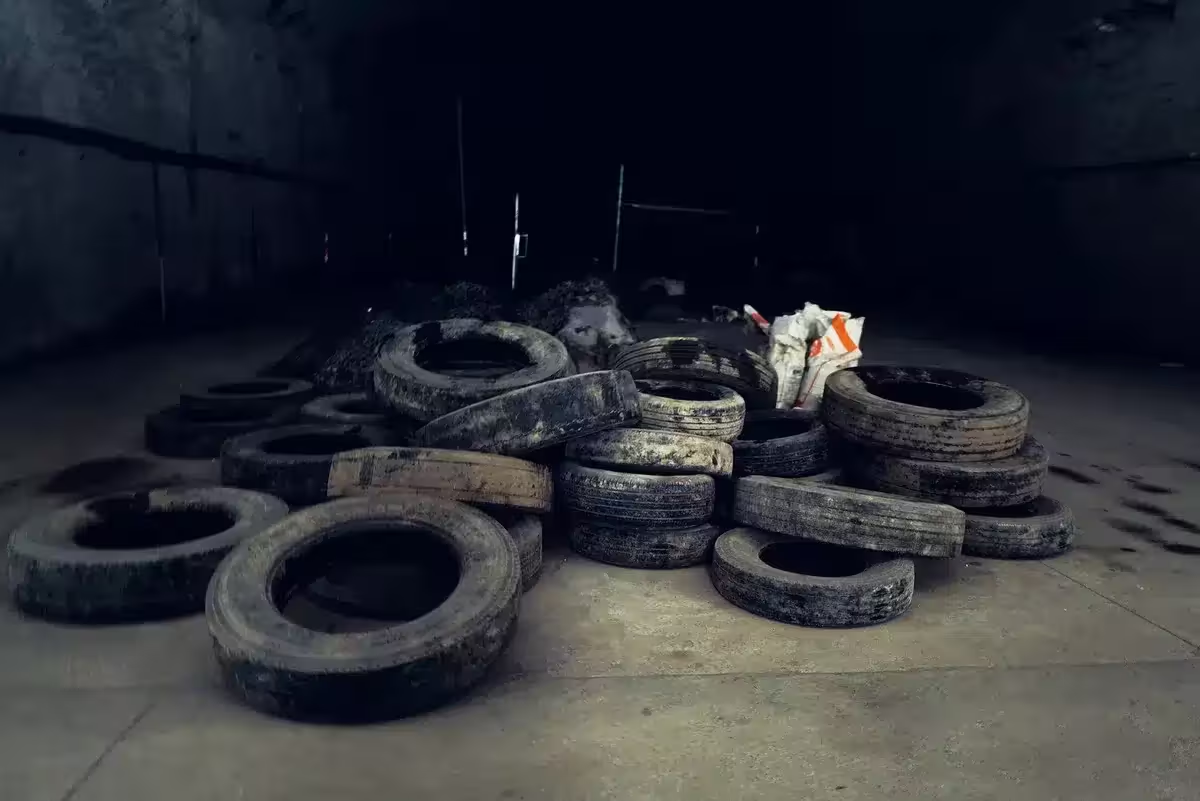
Despite the immense capital investment—estimated at over 740 million yuan in period currency—the 816 Project was destined to remain an empty shell. By the early 1980s, shifting national priorities and the rapid evolution of nuclear technology rendered the facility obsolete before it could ever go online. Engineers noted that the design had become technologically outdated during the lengthy construction phase, and the strategic rationale for the plant had faded.
In June 1984, the central government formally terminated the project. By that point, roughly 85% of the structural work was complete, but the critical nuclear infrastructure remained unfinished. No radioactive material was ever introduced to the site, and the facility never produced a single gram of plutonium.
From Cold War Secret to Public Landmark
Following its declassification in 2002, the site transitioned from a state secret to a unique historical attraction. It opened to domestic tourists in 2010 and welcomed international visitors starting in 2016. The cavernous halls, once intended to house a nuclear reactor capable of surviving a magnitude-8 earthquake, now host nearly a million visitors annually—900,000 in 2025 alone—who walk through the damp, silent tunnels that once stood at the center of China’s most guarded defense initiatives.
This article has been fact checked for accuracy, with information verified against reputable sources. Learn more about us and our editorial process.
Last reviewed on .
Article history
- Latest version
Reference(s)
- ““816”,一个无法抹去的生命代号-新华网.” <https://www.xinhuanet.com/politics/2015-06/26/c_127953055.htm>.
- “Largest manmade cave.” Guinness World Records <https://www.guinnessworldrecords.com/world-records/509970-largest-manmade-cave>.
- “Content 1464361232344576000.” <https://jda.cq.gov.cn/web/article/1464361232344576000/web/content_1464361232344576000.html>.
Cite this page:
- Posted by Vikram Desai