1,500-Year-Old Church Mosaic May Reveal Hidden Map to Salvation
Archaeologists are re-examining a 1,500-year-old mosaic found beneath a Turkish church, uncovering hidden biblical meanings that remained obscured for centuries.
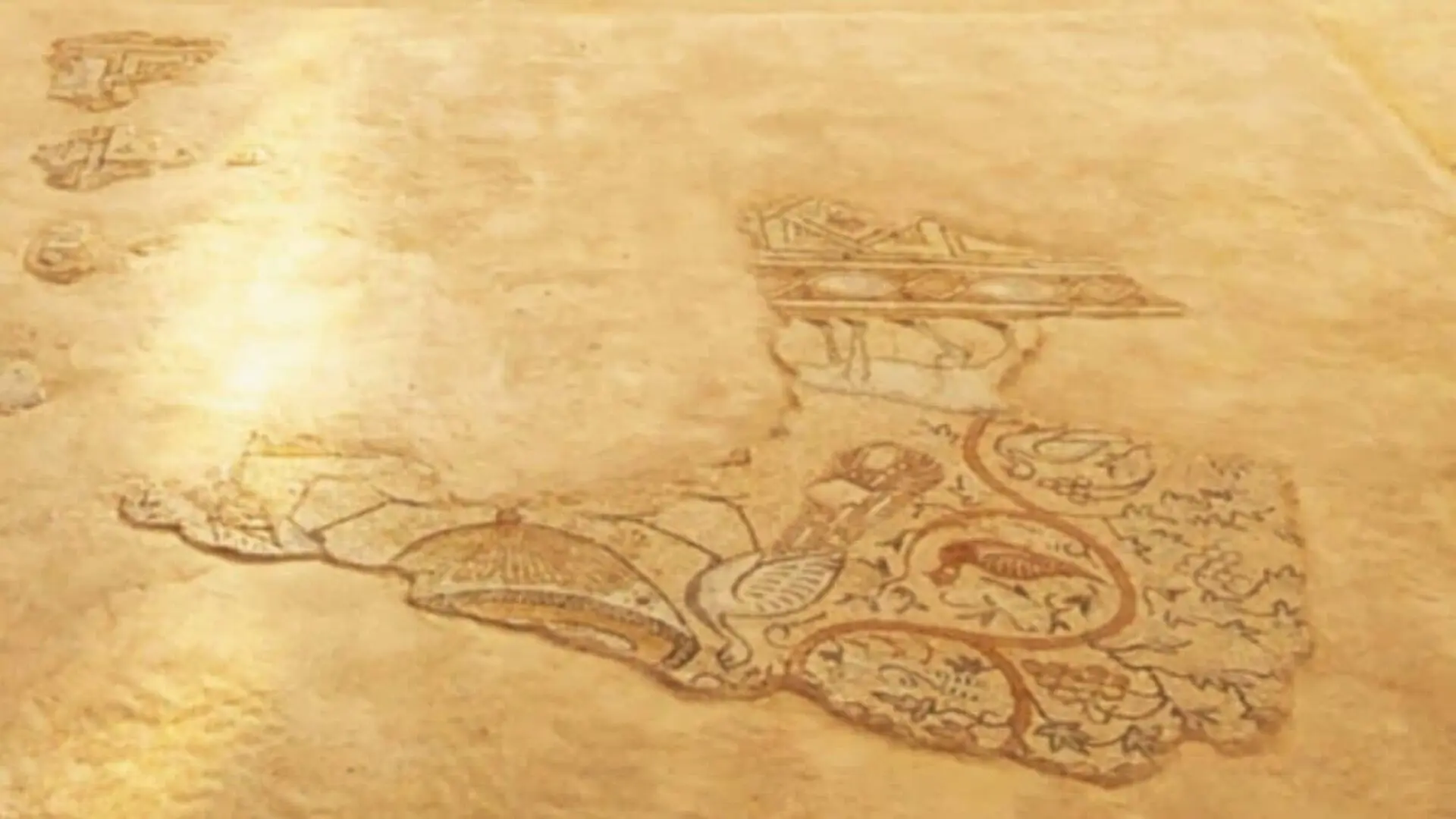
A sophisticated mosaic discovered in a 1,500-year-old church in northern Turkey may have served as more than mere decoration, potentially acting as a didactic tool for early Christian moral instruction. Located at the archaeological site of Hadrianoupolis in the Karabük province, the structure—often referred to as the Church of the Four Rivers—features intricate floor artwork that researchers believe communicates complex theological concepts through biblical symbolism.
The findings, detailed in a study published in July 2026 in the journal Medeniyet Belleten, suggest that the imagery was designed to guide congregants toward the cardinal virtues required for salvation. By analyzing the mosaic’s composition alongside historical theological texts, researchers Nurgül Özer Uras and Mustafa Göregen argue that the artwork bridges the gap between ancient artistic conventions and Byzantine religious practice.
Biblical Rivers as Symbols of Moral Integrity
The centerpiece of the mosaic consists of four human figures personifying the Pishon, Gihon, Tigris, and Euphrates—the rivers described in the Book of Genesis. Each figure is depicted in Phrygian-style attire, holding a cornucopia from which water flows into a communal basin. Greek inscriptions clearly identify each river, grounding the artistic work in specific biblical geography.
The research team suggests that these figures reflect an interpretive tradition championed by theologians such as Philo of Alexandria and Ambrose of Milan, who linked the four rivers to the four cardinal virtues: Pishon represents prudence, Gihon embodies courage, the Tigris signifies temperance, and the Euphrates stands for justice. This symbolic mapping transforms the floor of the church into a narrative journey, where walking through the space invited the faithful to reflect on the moral qualities necessary for a life of spiritual integrity.
The Convergence of Classical Art and Early Christianity
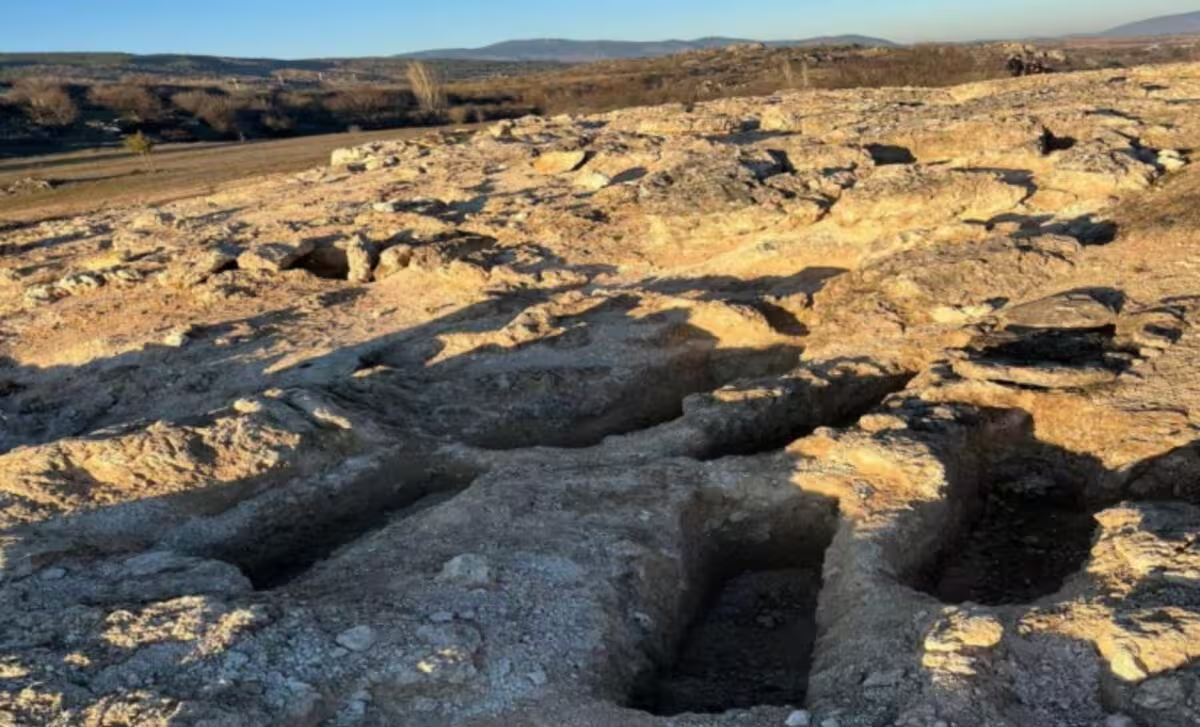
The Church of the Four Rivers, situated near Eskipazar in the ancient region of Paphlagonia, continues to yield significant insights into the transition from late Roman to early Byzantine culture. Archaeological work at the site, which has been ongoing since 2003, has uncovered a diverse complex of baths, residential zones, and ecclesiastical buildings. While the exact construction date of the church is subject to debate, it is generally attributed to the fifth or sixth century AD.
The mosaics at the site are notable for their synthesis of styles. The artists drew heavily upon classical Roman and Greek traditions, particularly in the anthropomorphic depiction of natural features as figures of abundance. However, the context is decidedly Christian, with the flowing waters also featuring fish—symbols frequently associated with baptism and divine sustenance.
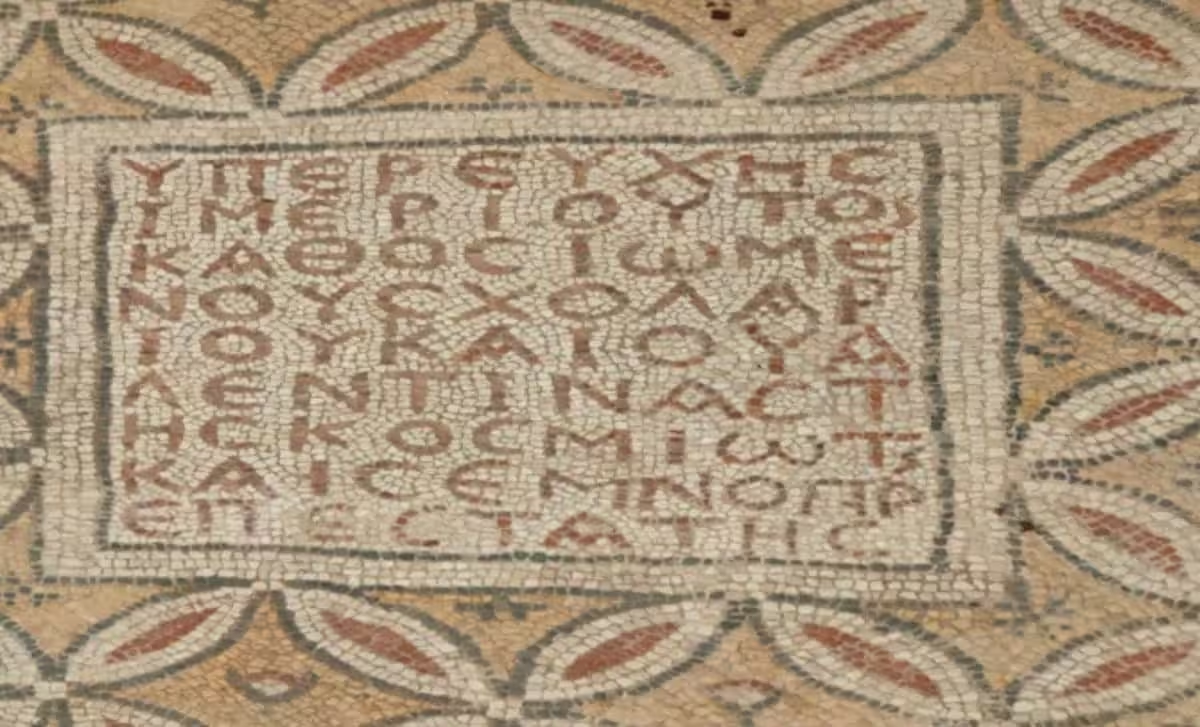
Beyond the river figures, the building contains other layers of symbolic communication. A cross-shaped motif near the southeastern entrance is interpreted as apotropaic, a protective design meant to ward off malevolent forces, highlighting the persistence of ancient protective rituals in a Christianized environment. Another section of the floor features a bull drinking from a pool, accompanied by a donor inscription naming Himerius and Valentina.
While similar depictions of the biblical Garden of Eden have been identified in locations ranging from Jordan to Greece, the Hadrianoupolis find remains unique in Anatolia for its level of detail and specific combination of personification and moralized geography. Ultimately, the study suggests that for the Byzantine community, these mosaics were not merely about mapping the location of Eden, but about integrating ancient artistic heritage with the ethical demands of their faith.
This article has been fact checked for accuracy, with information verified against reputable sources. Learn more about us and our editorial process.
Last reviewed on .
Article history
- Latest version
Cite this page:
- Posted by Vikram Desai