80,000-Year-Old Neanderthal Footprints Reveal Children and Possible Hunt on Portugal Coast
Prehistoric footprints dating back 80,000 years discovered along Portugal’s coast, offering rare insight into ancient human activity.
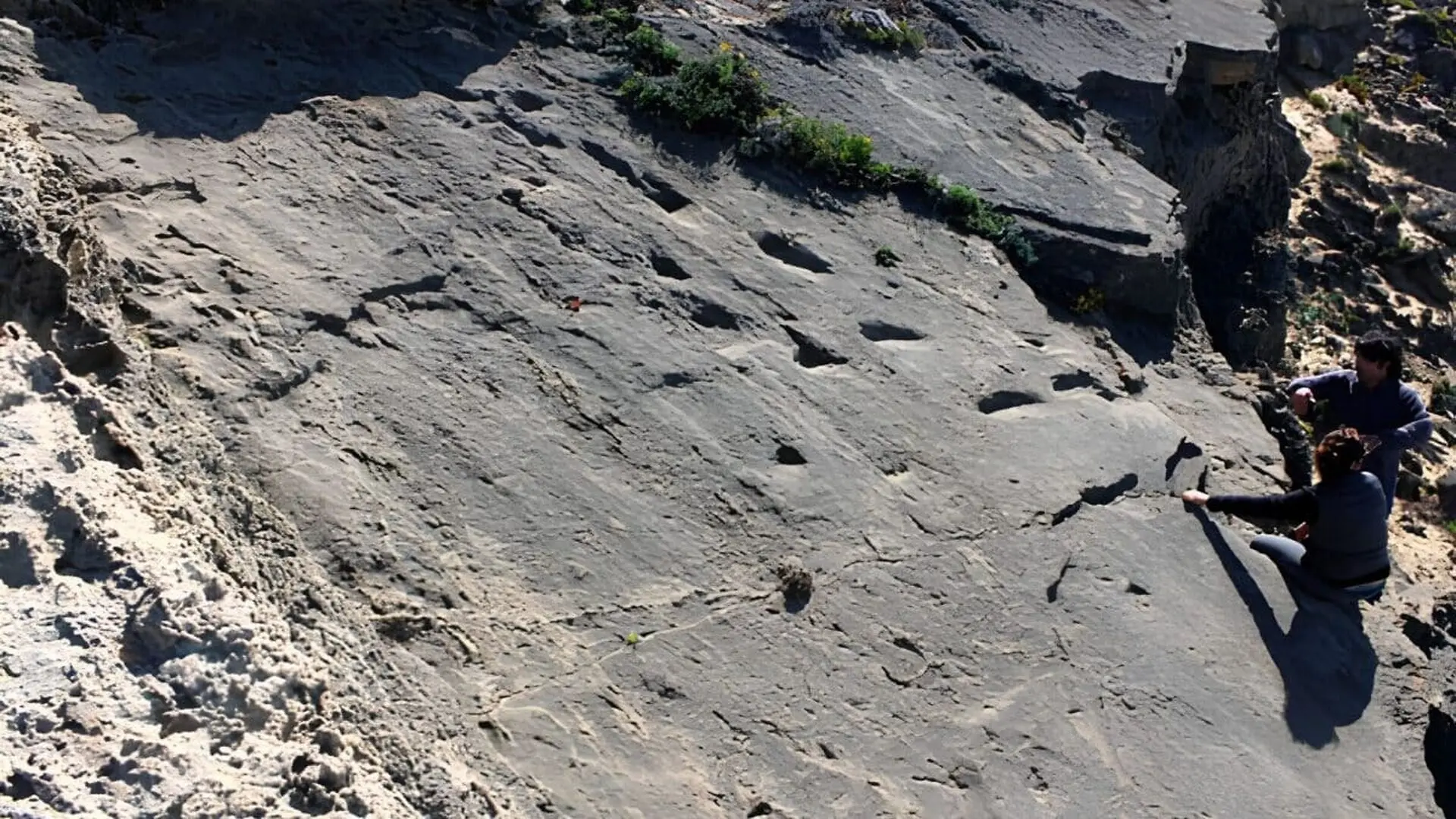
Archaeologists have uncovered a series of Neanderthal footprints on the southwestern shoreline of Portugal, dating to roughly 80,000 years ago. The impressions capture a mixture of adults, children and possibly coordinated groups moving across ancient sand dunes.
The prints were recorded at Praia do Monte Clérigo and Praia do Telheiro, two locales that preserve evidence of Neanderthal presence within a landscape once dominated by dunes, forests and coastal habitats. Unlike stone tools or animal bones, footprints provide a fleeting snapshot of where people actually walked.
These discoveries give scientists a rare window into the everyday activities of Neanderthals in western Europe, revealing details such as the involvement of children and the strategic use of the surrounding terrain.
Dr. Carlos Neto de Carvalho of the Geology Office of the Municipality of Idanha‑a‑Nova and the University of Lisbon notes that footprints can capture moments of collective movement, pursuits, or simply the presence of individuals in a particular spot.
Ancient Neanderthal Trackways Unearthed Along Portugal’s Coast
At Monte Clérigo, researchers identified five distinct trackways comprising 26 footprints that were laid down about 78,000 years ago on the slope of a former coastal dune. The assemblage includes prints from multiple individuals, ranging from adults to very young children.
“Through the number, size and arrangement of the footprints, it is possible to infer the minimum number of individuals present, their age range (children, adolescents, adults) or the possible division of tasks (e.g. a hunting party),” as explained by the scientists.
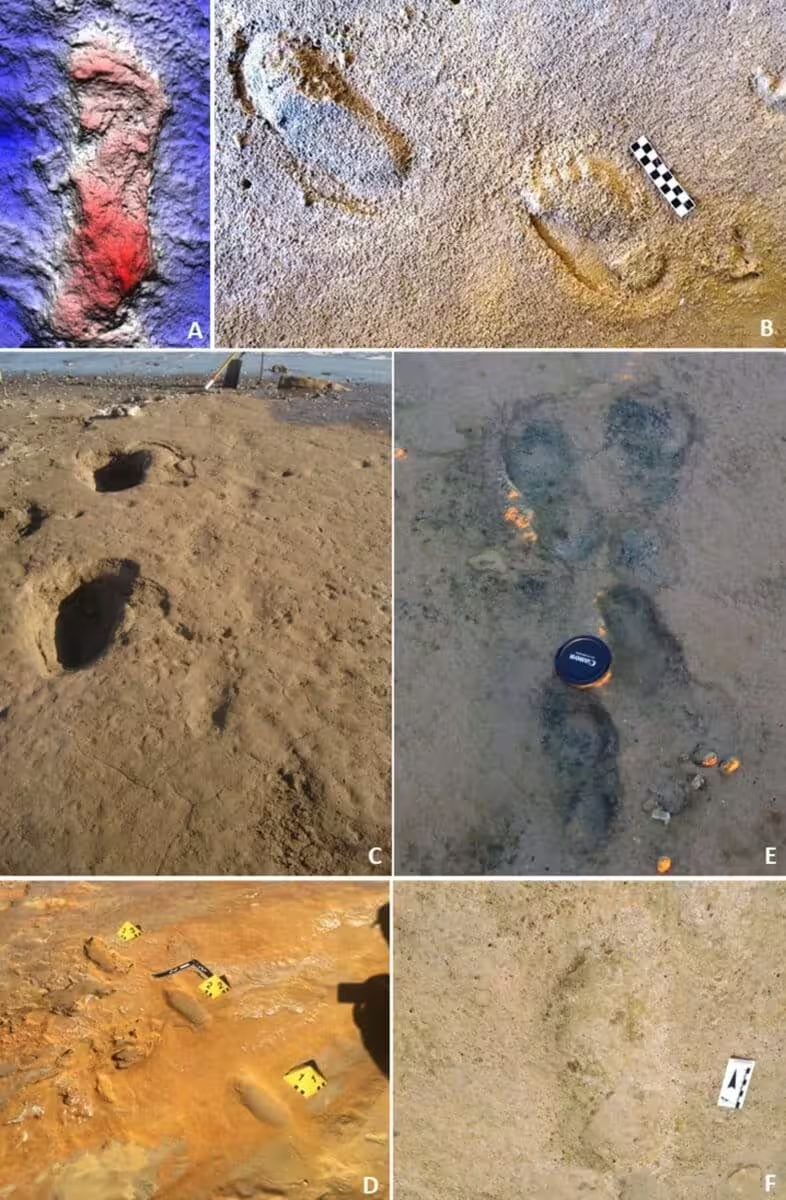
Footprint Evidence Suggests Hunting Activity
The Portuguese sites provide clues about Neanderthal interactions with local fauna, most notably the overlap between human footprints and deer tracks found in the same sediment layers.
Published in Scientific Reports, the study indicates that the coincident tracks may reflect a hunting scenario, with Neanderthals potentially tracking or approaching deer on the dunes.
According to the research team, such overlapping impressions can reveal coordinated group movements tied to hunting expeditions, and the dune environment likely offered advantageous lookout points for observing prey.
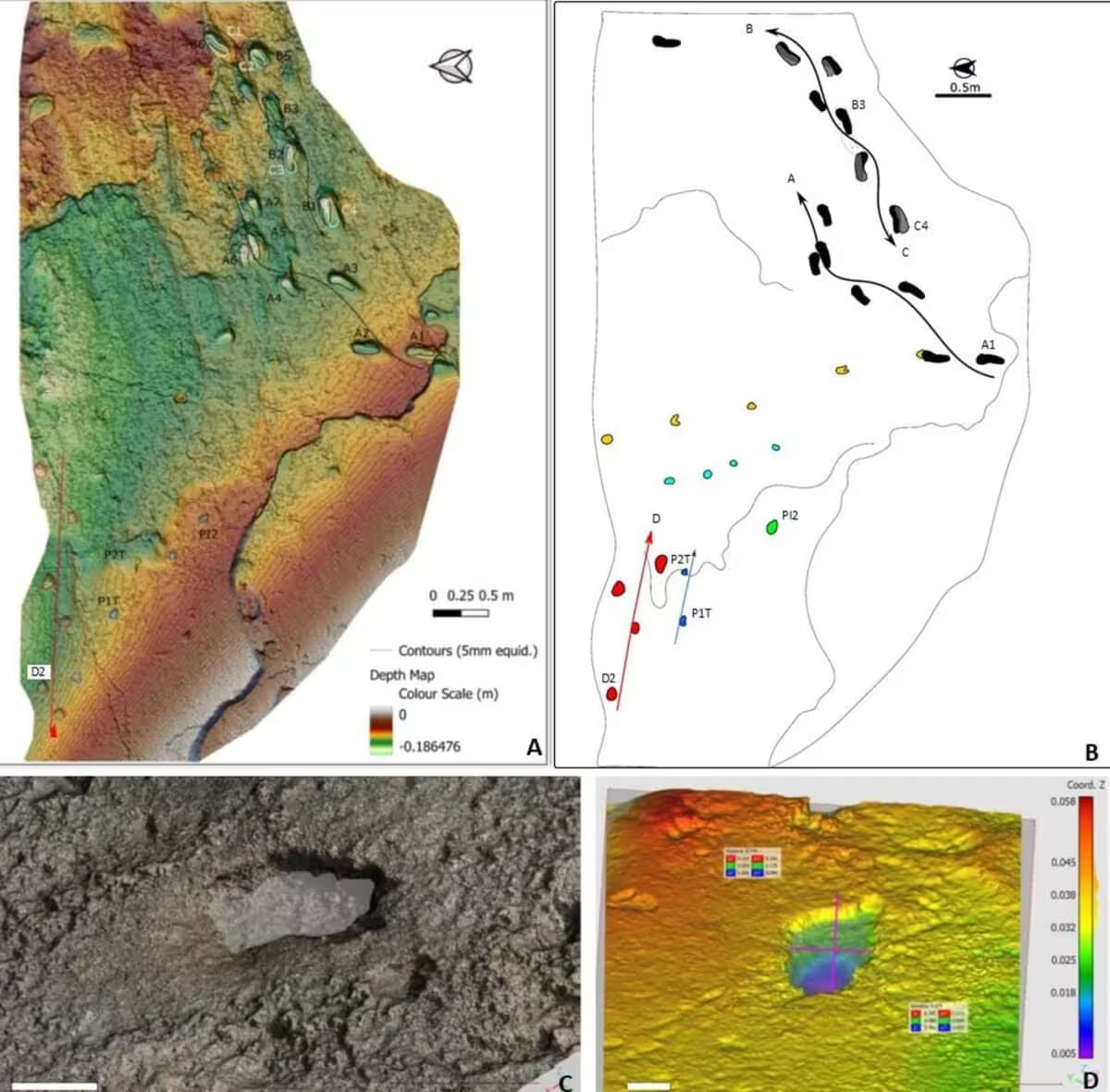
The research also underscores how Neanderthals traversed diverse settings—including coastal zones, forests, dunes and riverbanks—movements that are difficult to reconstruct from stone artifacts alone. Footprints forge a direct link between ancient people and the spaces they inhabited.
Coastal Resources Shaped Neanderthal Survival
Regional archaeological records show that the diet of these Iberian Neanderthals was dominated by deer, horses and hares, supplemented by resources drawn from nearby shoreline ecosystems.
“The consistent presence of these mammal species highlights their role as reliable food sources, irrespective of the varying environments inhabited by Neanderthals,” the authors said. “In addition, the Neanderthal diet also incorporated animals from neighboring littoral habitats, indicating a broad foraging strategy that capitalized on local biodiversity.”
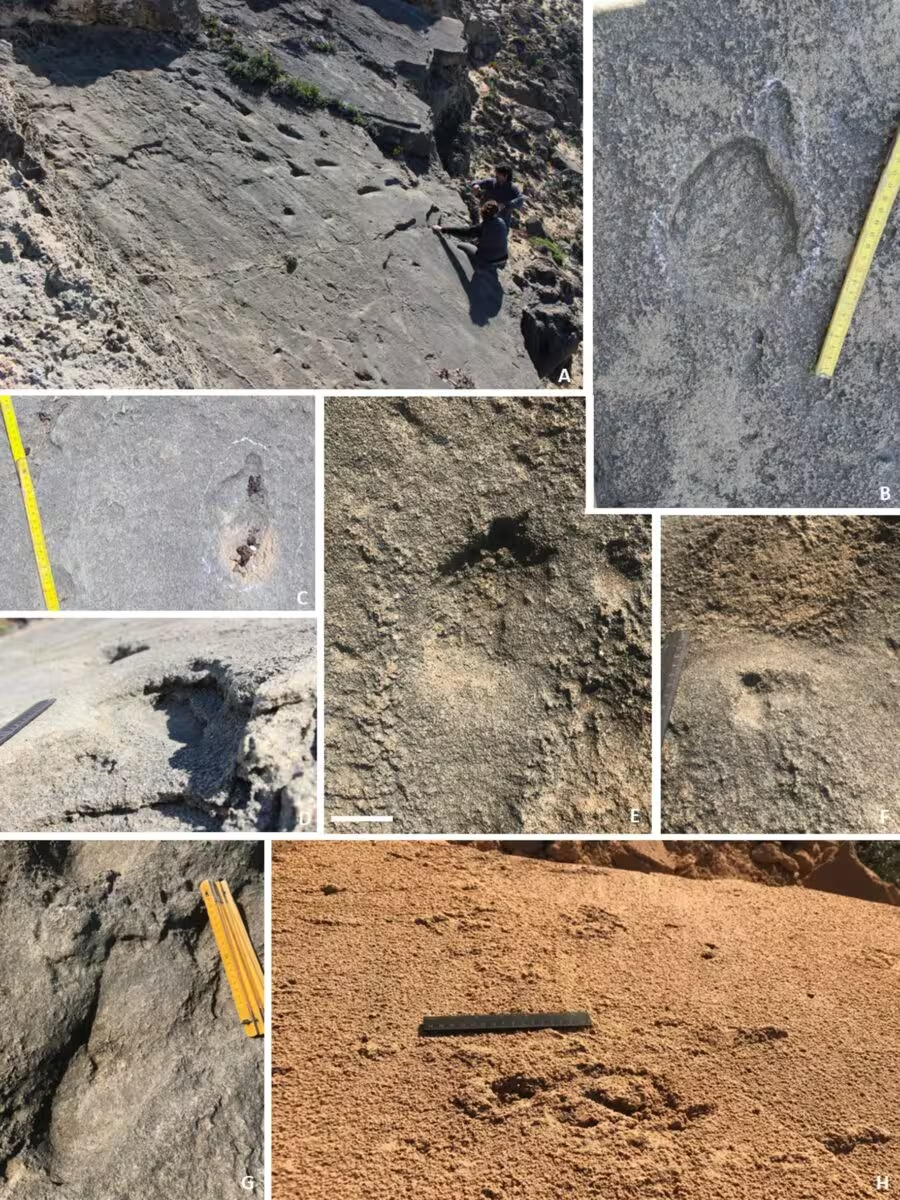
At Praia do Telheiro, a solitary imprint dating to about 82,000 years ago was identified, likely made by a teenager or adult female. This print was found alongside avian tracks typical of rocky shoreline environments, further confirming Neanderthal movement through coastal landscapes.
This article has been fact checked for accuracy, with information verified against reputable sources. Learn more about us and our editorial process.
Last reviewed on .
Article history
- Latest version
Reference(s)
- de Carvalho, Carlos. “Neanderthal coasteering and the first Portuguese hominin tracksites - Scientific Reports.”, vol. 15, no. 1, July 3, 2025, pp. 23785 Nature, doi: 10.1038/s41598-025-06089-4. <https://www.nature.com/articles/s41598-025-06089-4>.
Cite this page:
- Posted by Vikram Desai