Riverbank Repair Unearths England’s Largest Viking Hoard of 7,000 Coins
Archaeologists unearthed thousands of ancient coins, silver ingots and jewelry hidden for over a millennium, revealing historic wealth.
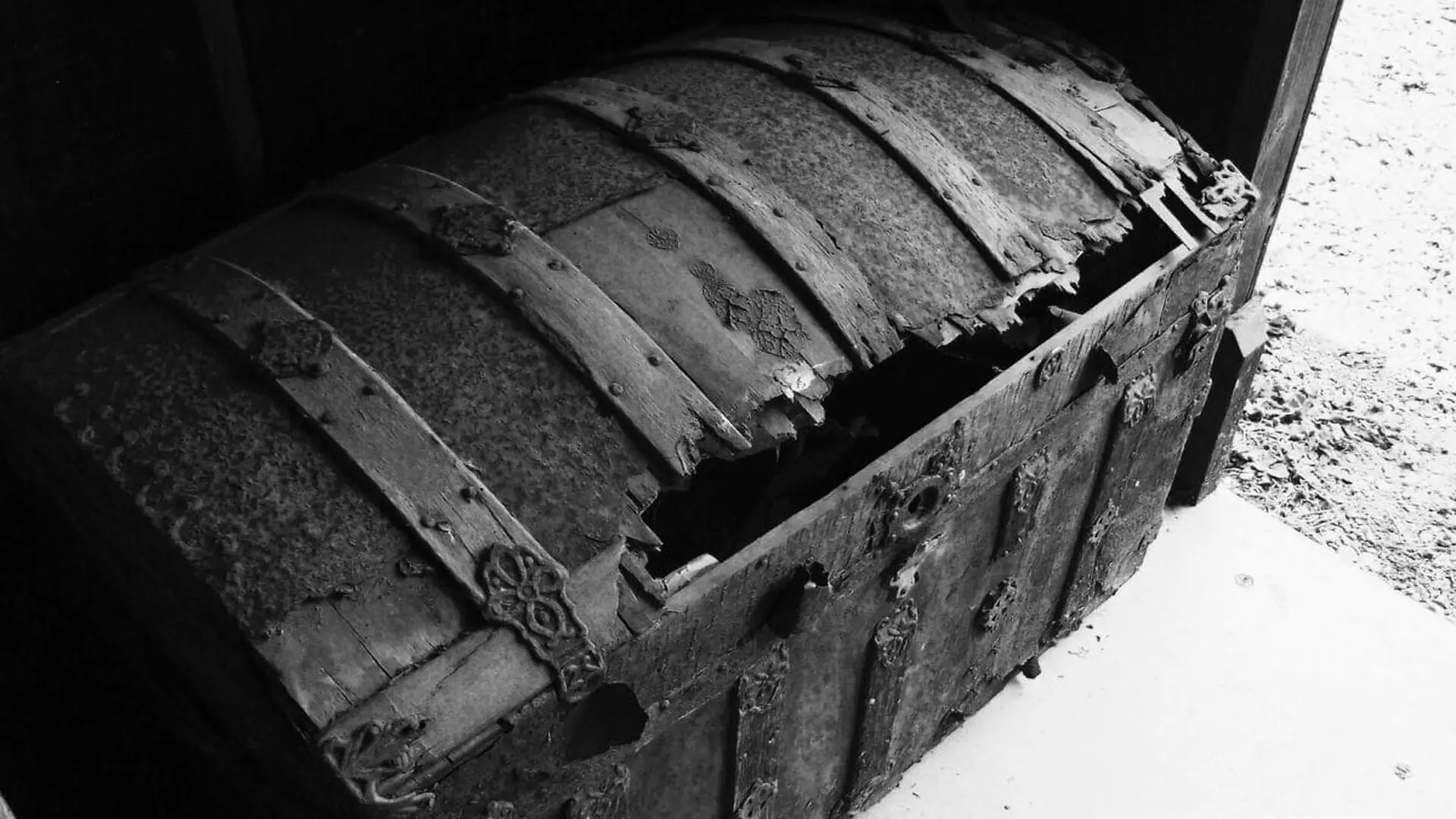
During routine embankment repairs on the south bank of the River Ribble in the Ribble Valley, workmen in May 1840 struck a solid object beneath the soil. The impact revealed a deteriorated wooden chest with a compromised lead lining, which they pried open to expose a remarkable cache of silver.
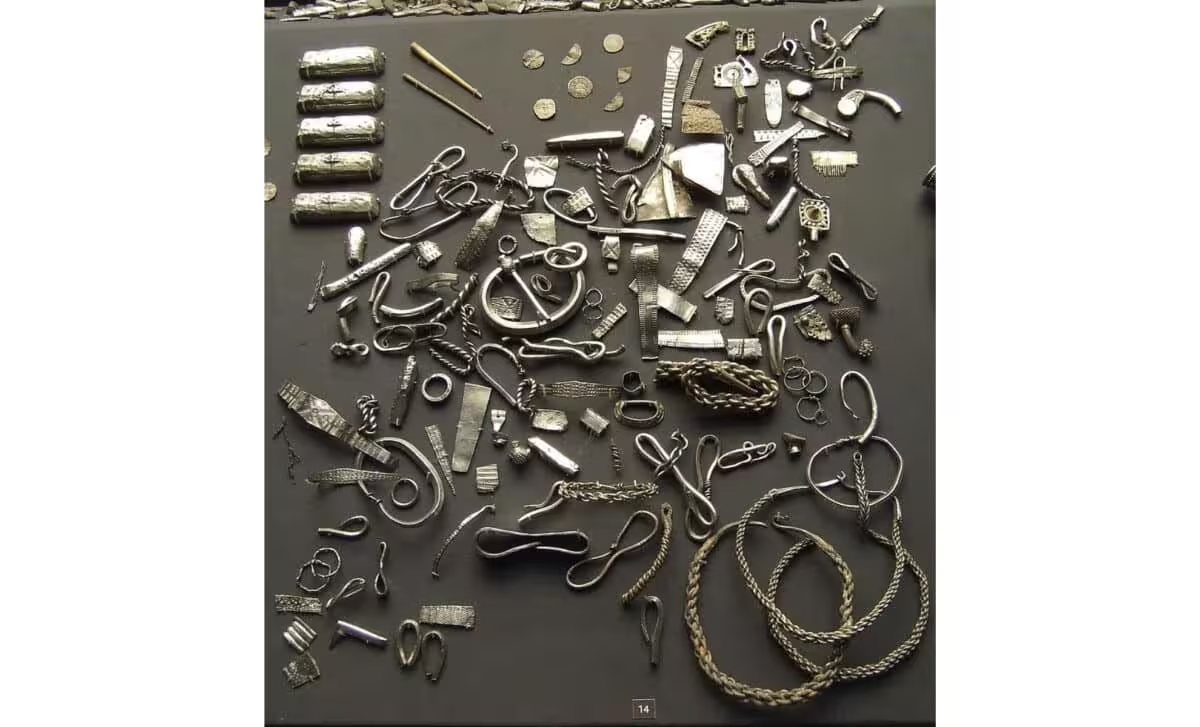
Inside the chest lay a massive collection of silver ingots weighing roughly 68 pounds (about 31 kilograms), close to 7,000 coins, and numerous fragments that once formed jewelry or ornamental objects before being melted down for currency.
The find, now known as the Cuerdale Hoard, dates to between 905 and 910 C.E., a period when Viking influence permeated large parts of England and silver circulated through conquest, trade, and diplomatic exchange.
A Pan‑European Mix of Coins Reveals Viking Trade
Numismatic analysis shows that the hoard contains coins from multiple regions, underscoring the extensive connections of Viking traders. Approximately 3,000 of the pieces are silver pennies linked to Cnut the Great, the Norse ruler who later claimed the English throne. Roughly 1,000 coins originate from the Frankish realm, while 50 silver dirhams trace back to the Arab world. Additional specimens hail from early Scandinavia, Eastern Europe, and a single Byzantine coin.
According to Popular Mechanics, many of the foreign pieces likely arrived in Viking hands through earlier raids. Coins from Middle Francia—a kingdom that once stretched from the Netherlands to northern Italy—appear to have been collected during at least two separate campaigns, while specimens from West Francia probably stem from additional Viking attacks.
The assortment also reflects commercial networks rather than pure plunder. Even the Anglo‑Viking and Anglo‑Saxon pennies were minted at different times and locations. The silver ingots have been identified as Irish in origin, matching the era when Viking groups were being expelled from the island prior to the hoard’s burial.
Why the Treasure Was Concealed Remains a Puzzle
Scholars have proposed several scenarios for the hoard’s burial. Viking silver caches were often hidden to safeguard wealth during periods of conflict, and some may have been abandoned when owners could not retrieve them.
One theory, supported by research published in The Medieval Review, suggests the hoard belonged to groups moving from Ireland to England after suffering defeat. Alternate explanations posit that Viking leaders sometimes buried valuables temporarily before redistributing them among their followers, reflecting expectations of communal sharing.
A further possibility is that the act of burial served as a status statement. Historical sagas describe figures such as Egil Skallagrímsson concealing wealth, while some Norse beliefs held that hidden treasure could accompany its owner into the afterlife of Valhalla.
The hoard also illustrates the Viking practice of “hack silver,” in which jewelry and decorative items were deliberately cut into fragments that could be weighed and traded. Many of the silver pieces in the Cuerdale assemblage show clear evidence of such cutting, while others remain intact.
From Riverbank to Museum Galleries
Following the discovery, each laborer retained a single coin, but the majority of the treasure was claimed by Queen Victoria under the treasure‑trove legislation of the era. After her death, the collection was transferred to the British Museum.
Museum records indicate that 60 objects were later allocated to the Ashmolean Museum in Oxford, while the British Museum retained most of the coins, ingots, hack silver, and jewelry.
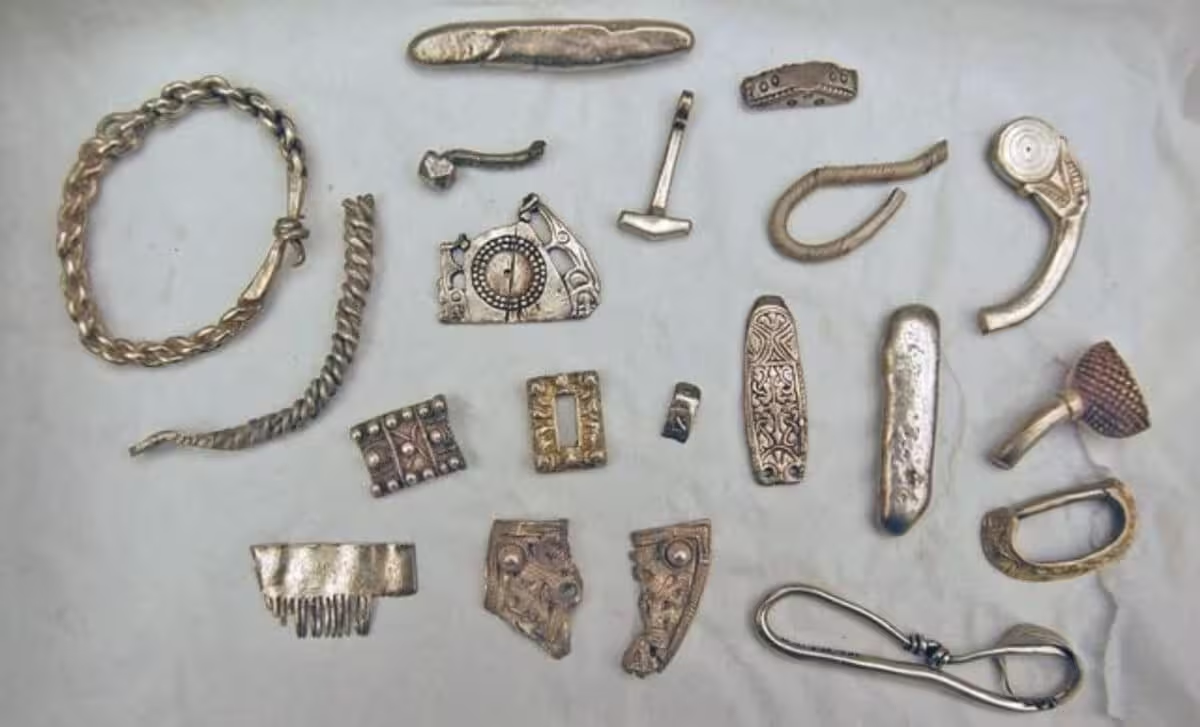
The surviving artifacts include intricately engraved arm rings, finger and neck rings, a buckle, brooches, and a strap end. Together, they preserve a tangible record of the economic ties, craftsmanship, and migratory movements that shaped the Viking world more than a millennium after the hoard was concealed.
This article has been fact checked for accuracy, with information verified against reputable sources. Learn more about us and our editorial process.
Last reviewed on .
Article history
- Latest version
Reference(s)
- Rayne, Elizabeth. “Workmen Dug Up a Rotting Chest—and Uncovered the Largest Viking Treasure in England..”, July 14, 2026 Popular Mechanics <https://www.popularmechanics.com/science/archaeology/a71853172/viking-hoard-of-silver/>.
- Davis, Craig. “13.09.23, Graham-Campbell, The Cuerdale Hoard.”, doi: 17906. <https://scholarworks.iu.edu/journals/index.php/tmr/article/view/17906>.
- “Egil Skallagrimsson and the Viking Ideal.” <https://fathom.lib.uchicago.edu/1/777777122294/>.
Cite this page:
- Posted by Vikram Desai