How a Mormon Document Forger Fooled Experts, the FBI and Turned Deadly
A 1980s Salt Lake City document dealer forged historic papers that duped experts and church leaders, leading to a high‑profile scandal.
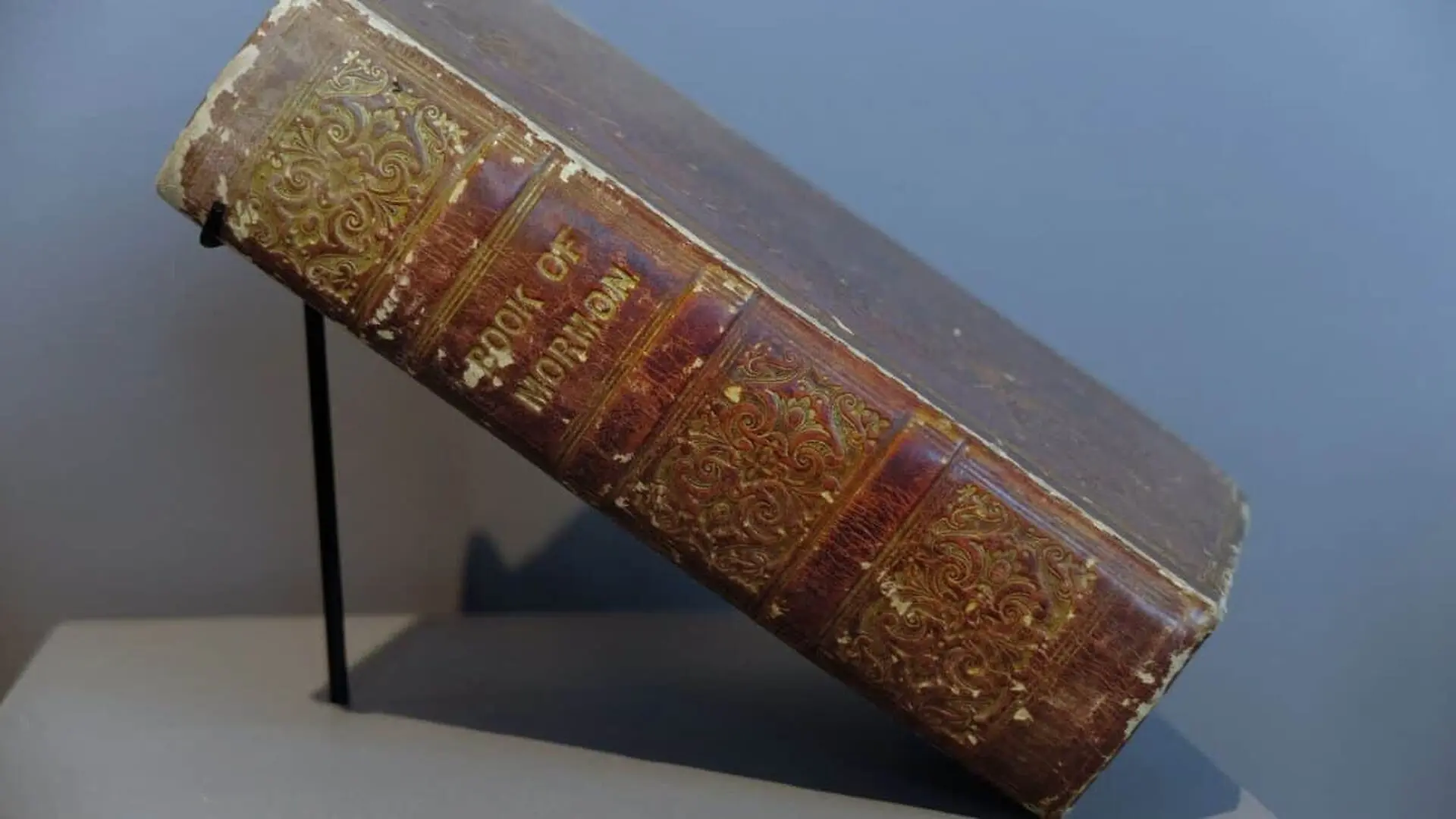
In the 1980s, a Salt Lake City dealer of rare manuscripts manufactured a series of counterfeit documents that duped scholars and senior leaders of The Church of Jesus Christ of Latter‑day Saints. His elaborate deceptions eventually unraveled, culminating in a high‑profile criminal case that remains one of the most significant fraud investigations involving American religious history.
Mark Hofmann marketed himself as a researcher able to locate long‑lost papers tied to the church’s early years. The purported discoveries promised fresh insight into Joseph Smith and the origins of the Book of Mormon, drawing intense interest from both academics and church officials. When scrutiny mounted, Hofmann resorted to violent tactics, constructing pipe bombs that claimed two lives.
How a Self‑Styled Scholar Earned Credibility Through Fabricated Finds
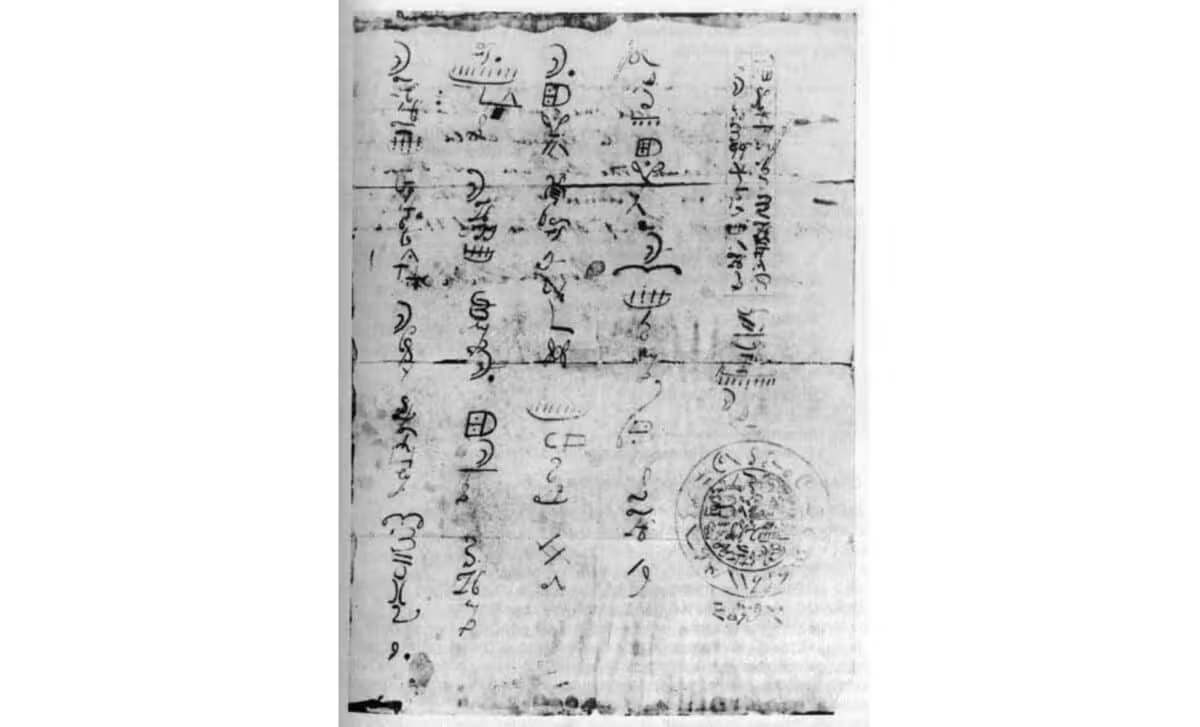
Hofmann entered the antiquities market by portraying himself as an expert capable of uncovering forgotten archival material. In 1980 he announced the appearance of the Anthon Transcript, a manuscript he claimed recorded early Mormon references to a “reformed Egyptian” script linked to Joseph Smith.
Popular Mechanics reported that church historians examined the transcript, authenticated it, and placed a valuation exceeding $20,000 on the piece. The church’s subsequent purchase of the document cemented Hofmann’s standing as a legitimate source of historic records.
He continued to produce documents purporting to illuminate the church’s formative period. The most notorious of these was the Salamander Letter, unveiled in 1984 and attributed to Martin Harris, a close associate of Smith. The letter presented an alternate narrative in which a white salamander—not the angel Moroni—guided Smith to the golden plates, thereby intertwining treasure‑hunting folklore with foundational church lore.
At the time, many specialists accepted the Salamander Letter as genuine. Federal Bureau of Investigation analysts, as cited in contemporary reports, found no immediate indication of tampering, and document authority Kenneth W. Rendell affirmed the absence of forensic markers of fraud.
The convincing nature of Hofmann’s fabrications stemmed from meticulous replication of period‑appropriate handwriting, paper, and ink, combined with his intimate knowledge of existing archival examples. This blend of technical skill and historical context allowed the forgeries to pass scrutiny by collectors, scholars, and church officials alike.
Escalating Pressures Exposed a Web of Deception
Financial strain eventually forced Hofmann to accept advance payments for documents he had not yet produced, including material linked to the proposed sale of the McLellin collection, a cache tied to an early church apostle. Simultaneously, skepticism about his recent claims grew among the scholarly community.
He also attempted to market a counterfeit copy of the Oath of a Freeman to the Library of Congress, a move that attracted additional investigative attention. Law‑enforcement later uncovered equipment and paper stock that matched the production methods used for his known forgeries.
Prior to his apprehension, Hofmann constructed pipe bombs that detonated in three separate incidents. The first explosion killed Steven Christensen, a businessman who had purchased the Salamander Letter. A second device claimed the life of Kathy Sheets, the wife of J. Gary Sheets, after Hofmann placed the bomb at their residence. A third bomb detonated in Hofmann’s own vehicle.
A search of his Salt Lake City home after the blasts revealed a trove of materials associated with his document‑making operation. In January 1986, he was taken into custody on charges encompassing murder and fraud. A plea bargain later resulted in four concurrent sentences ranging from five years to life imprisonment.
The full scope of Hofmann’s counterfeit output remains uncertain. While he disclosed aspects of his technique during court proceedings, many of the items linked to him continue to defy definitive classification, as his portfolio also contained authentic historical artifacts.
The aftermath of the case prompted a reassessment of authentication practices among collectors, museums, and archival institutions. It underscored the vulnerability of even well‑examined relics to sophisticated deception and left lingering doubts over several documents tied to early Mormon history.
This article has been fact checked for accuracy, with information verified against reputable sources. Learn more about us and our editorial process.
Last reviewed on .
Article history
- Latest version
Cite this page:
- Posted by Vikram Desai