Six Ancient Solid Gold Viking Bracelets Unearthed in Denmark, One of the Largest Treasure Finds
Local resident spots oddity in northern Denmark woods, leading researchers to an untouched centuries‑old gold deposit.
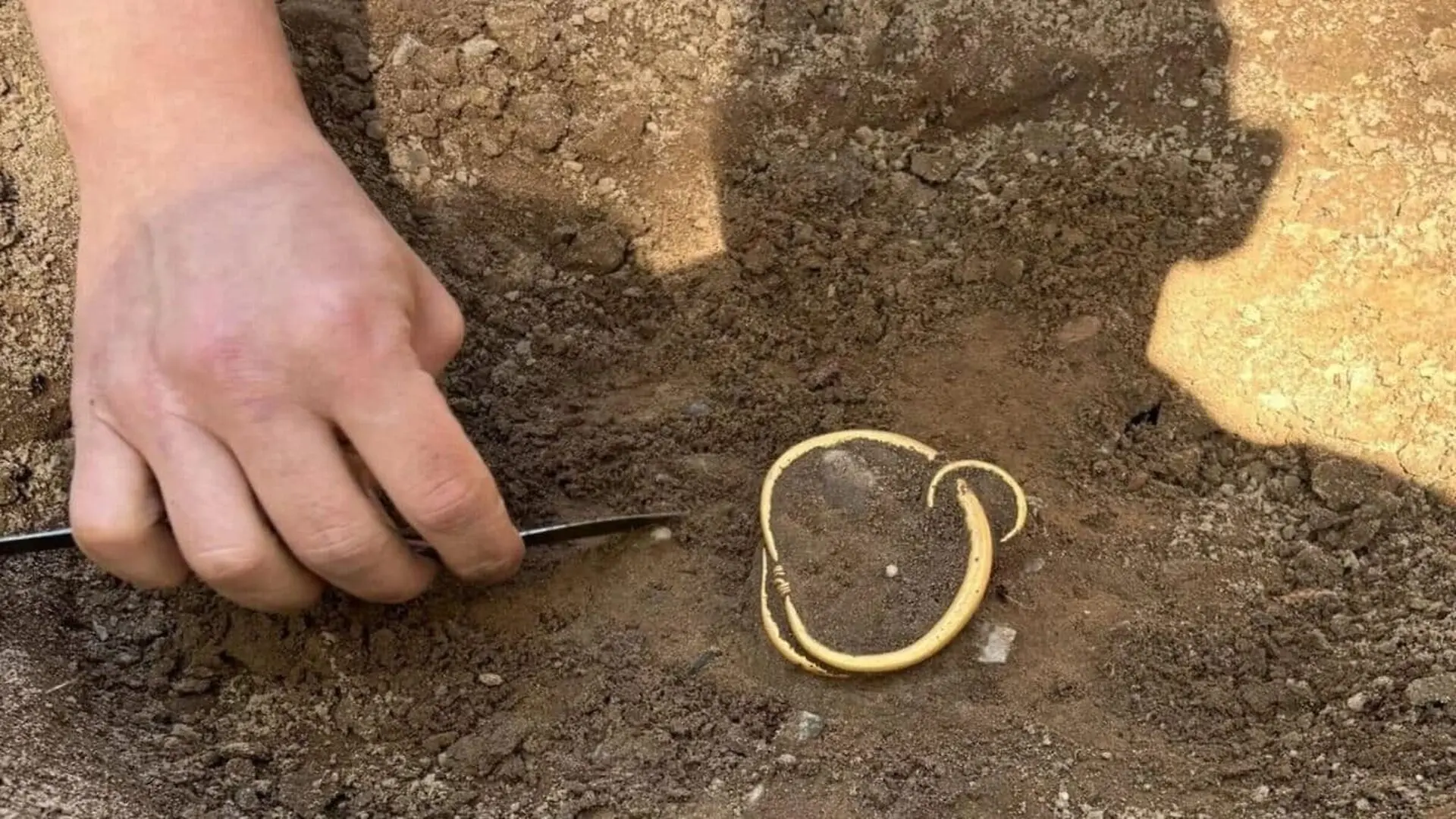
Six solid gold bracelets dating back more than 1,000 years have been discovered near Rold in northern Denmark, marking one of the biggest Viking Age gold finds ever made in the country. The discovery, known as the Rold Treasure, offers a rare look at the wealth and status of Viking society’s most powerful figures.
Viking Gold Hoard Revealed After Millennia
A local resident walking along a forest track near Rold in Himmerland noticed two gold rings protruding from the soil. The objects were handed over to the archaeological department of the Museums of North Jutland, where specialists quickly recognized the significance of the find.
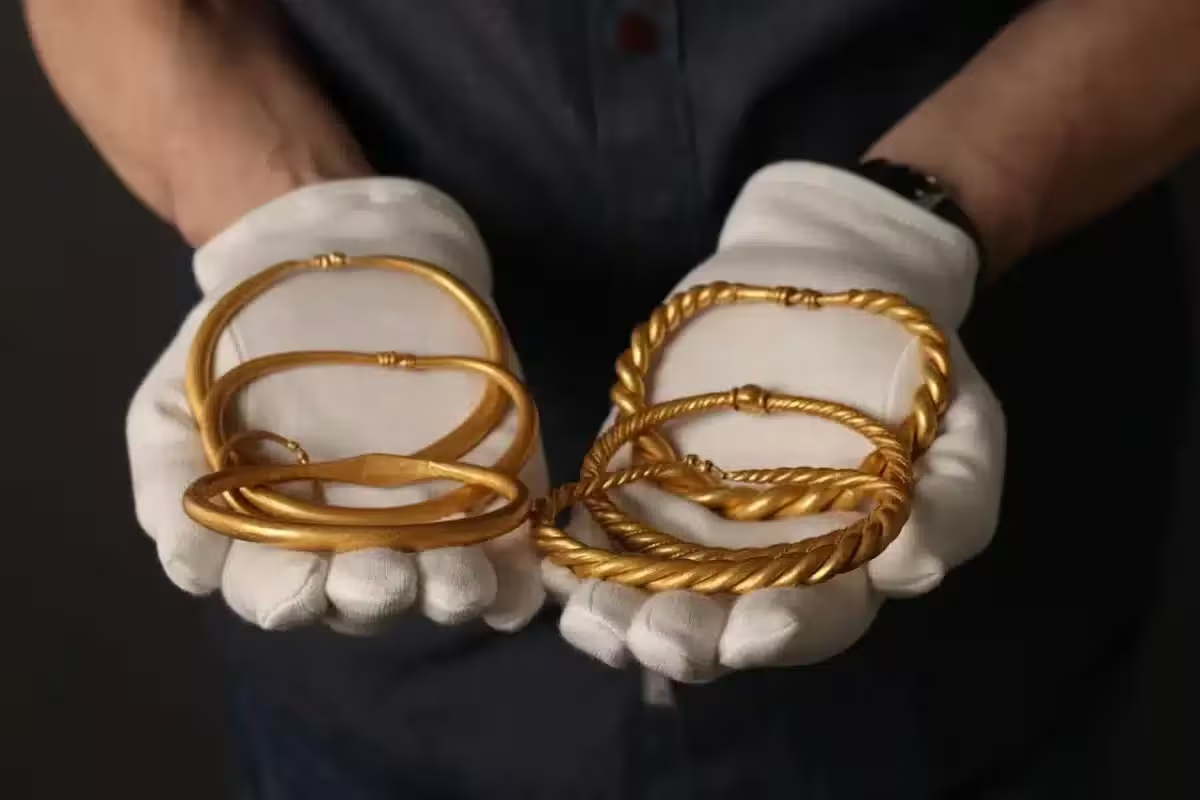
Systematic metal‑detector surveys of the surrounding area uncovered four additional bracelets, bringing the total to six intact pieces of solid gold. Together they weigh 762.5 grams, making the collection the third‑largest Viking Age gold discovery recorded in Denmark.
A Snapshot of Late Viking Power
The Rold Treasure dates to the late Viking Age, roughly AD 900–1000, a period of rapid political consolidation in Denmark. It aligns with the reign of King Harald Bluetooth, who unified much of the kingdom and commemorated his achievements on the Jelling Stone around AD 965.
Craftsmanship Reveals Elite Status
Unlike the more common silver arm ornaments of the era, these gold bracelets were likely reserved for the highest echelons of Viking society. Archaeologist Torben Sarauw, cultural heritage manager at the Museums of North Jutland, emphasized the rarity of such finds.
“Gold in the Viking Age was concentrated among the absolute elite of society, and that is precisely why finds of this type are extremely rare.”
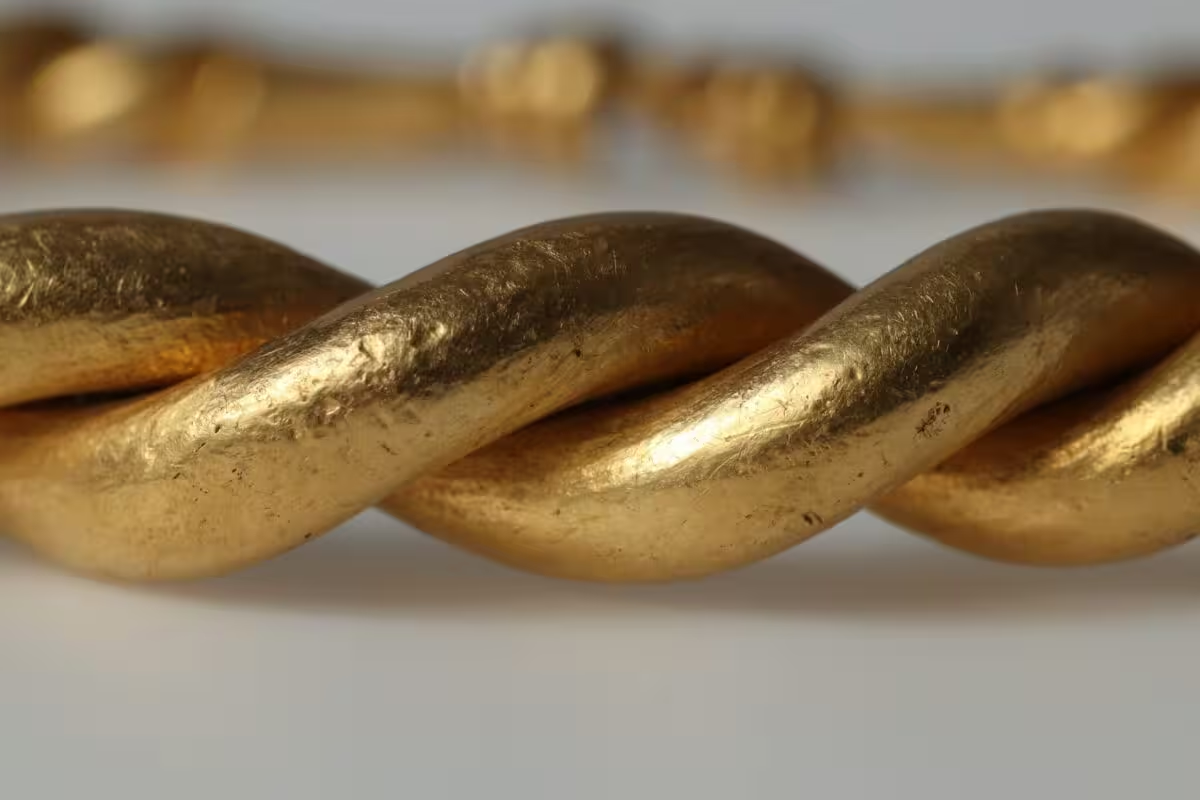
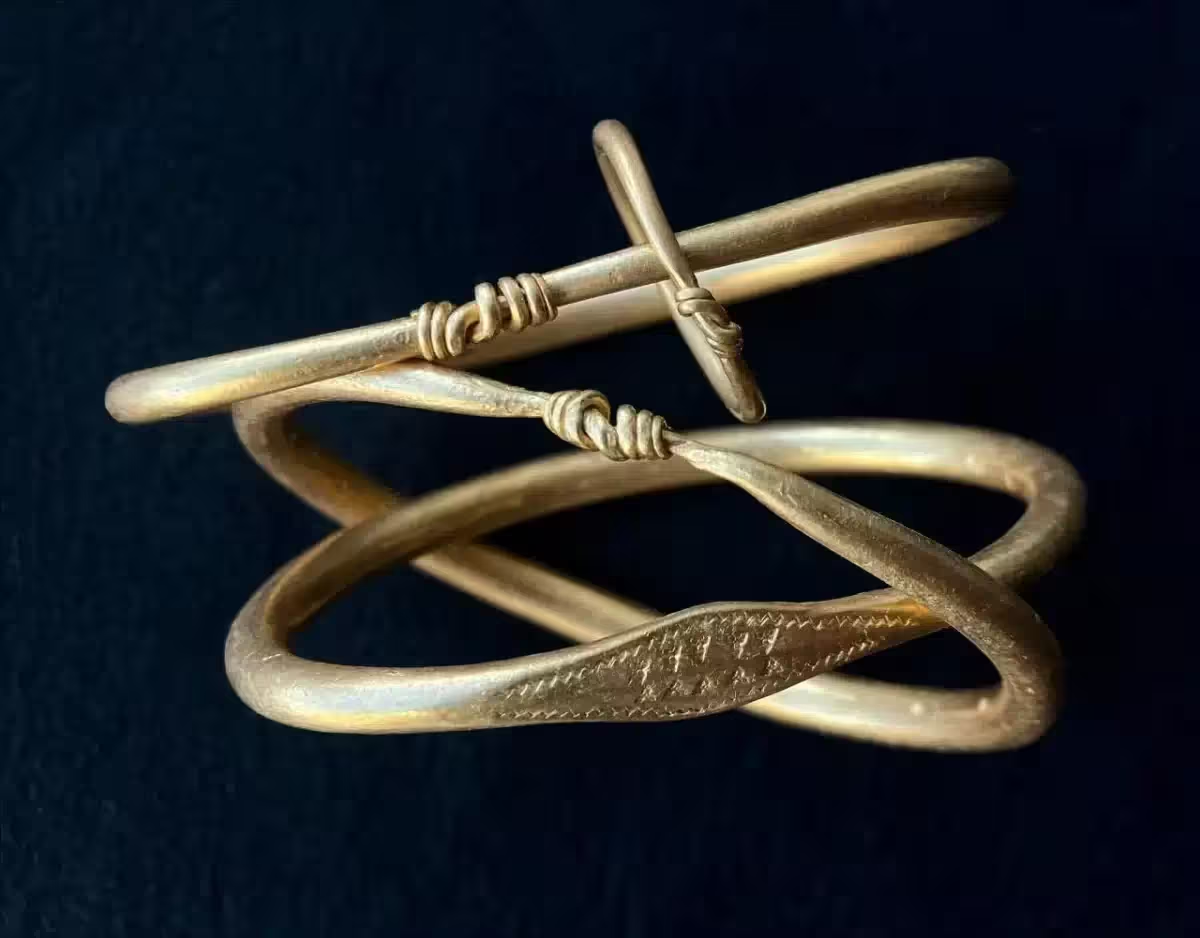
The bracelets exhibit a variety of metal‑working techniques. Three were fashioned by twisting two gold rods together; one of these features thin gold wire inlay and knob‑shaped terminals. Other pieces were cast from solid rods or wire and terminate in tightly wrapped “running knots.” A single bracelet stands out with flattened ends adorned with zigzag motifs and triangular patterns.
Most Viking silver finds are fragmented, likely because they served as payment metal. By contrast, the Rold bracelets remain whole, suggesting they were not intended for everyday transactions but rather for display or ceremonial purposes.
Possible Reasons for Burial
The North Jutland Museums note that the exact motive behind the burial remains speculative. Archaeologists propose that the hoard could have been concealed to protect valuable objects during turbulent times or deposited as part of a ritual practice.
“When such rings were laid down together, this was often interpreted as a deliberate deposit, either to secure valuables during troubled times or as part of rituals whose exact meaning is difficult to determine today,” Sarauw explained. “The Rold Treasure rings therefore provide a rare glimpse into the world and social structure of the Vikings.”
The precise coordinates of the find have not been disclosed; the site lies on private land and both the discoverer and the landowner remain anonymous. The bracelets have now been classified as Danefæ, a status that designates them as state-owned cultural treasures. They will undergo further analysis before being transferred to the National Museum of Denmark for public exhibition.
This article has been fact checked for accuracy, with information verified against reputable sources. Learn more about us and our editorial process.
Last reviewed on .
Article history
- Latest version
Reference(s)
- <https://www.researchgate.net/scientific-contributions/Torben-Sarauw-2022495767>.
- “Sjældent guldfund fra vikingetiden - Nordjyske Museer.”, May 6, 2026 Nordjyske Museer <https://nordjyskemuseer.dk/sjaeldent-vikingefund/>.
Cite this page:
- Posted by Vikram Desai