A Giant ‘Ferrari of Concrete’ Machine Can Print a 120-Square-Meter House in Just 48 Hours Using Standard Cement and No Formwork
Concrete home built in 48 hours with startup’s rapid construction tech adopted by Latin American giant
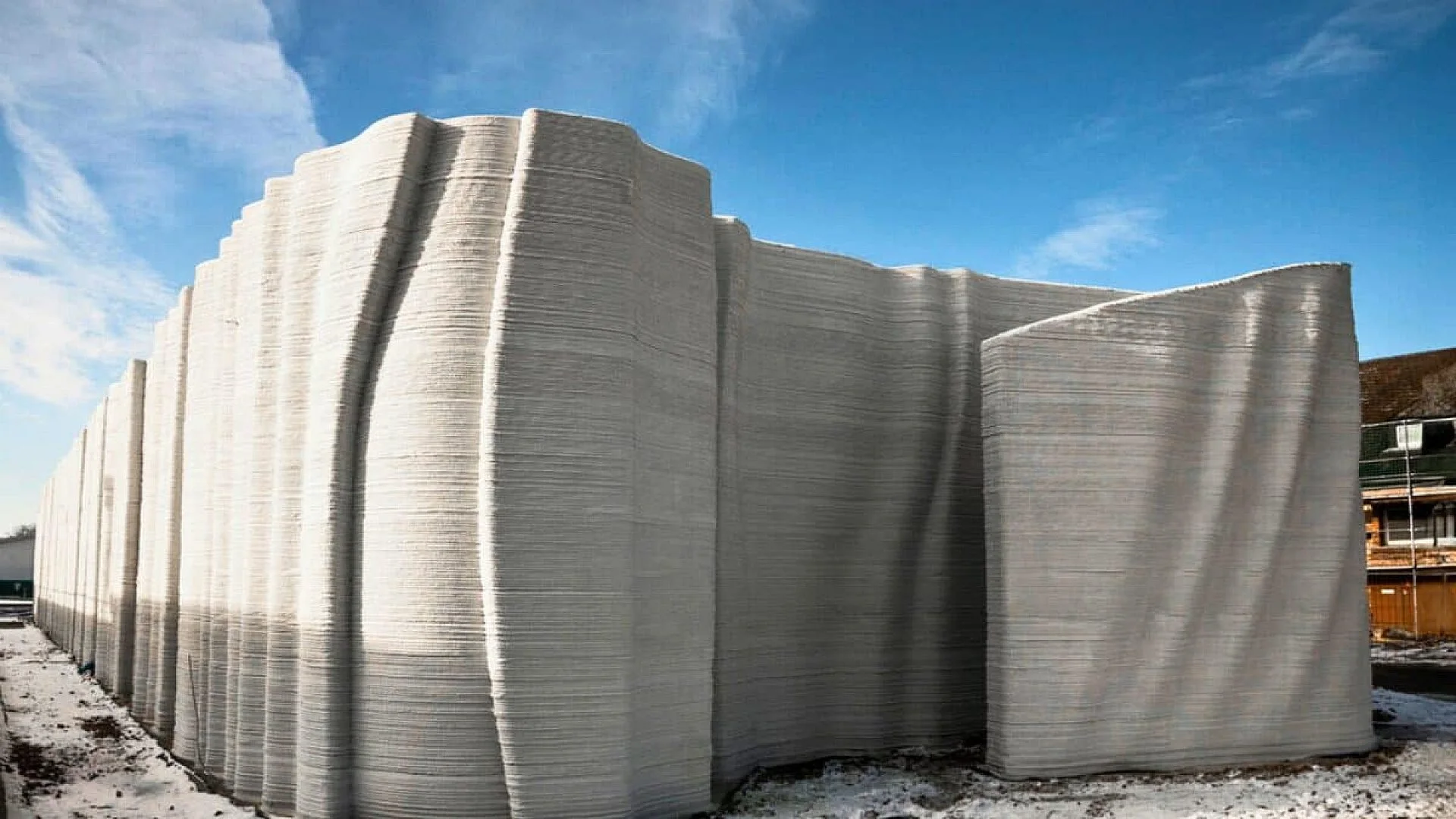
A new Argentine venture is betting on a giant 3‑D printer to turn a concrete shell into a habitable home in less than two days, promising a slash of roughly 30 % in construction expenses, according to its founder.
The startup, Grondplek, operates the only Latin American team cleared for Level 3 printer operation by Danish maker COBOD. Holding exclusive distribution rights for Argentina, Uruguay and Paraguay, Grondplek deploys a machine that spans about 11 × 11 metres, rises 7 metres, and feeds a standard cement mix enriched with about 2 % of locally sourced additives through a pump to a moving print head.
Printing Walls Without Formwork
The head follows a pre‑programmed wall layout, laying down concrete in successive passes while pausing between layers to allow each course to set. The process yields a double‑wall structure that incorporates an internal air cavity, delivering thermal insulation comparable to modern insulating materials and, according to the company, enhanced seismic performance and energy efficiency relative to conventional builds. Curved geometries, often costly with traditional formwork, are also attainable.
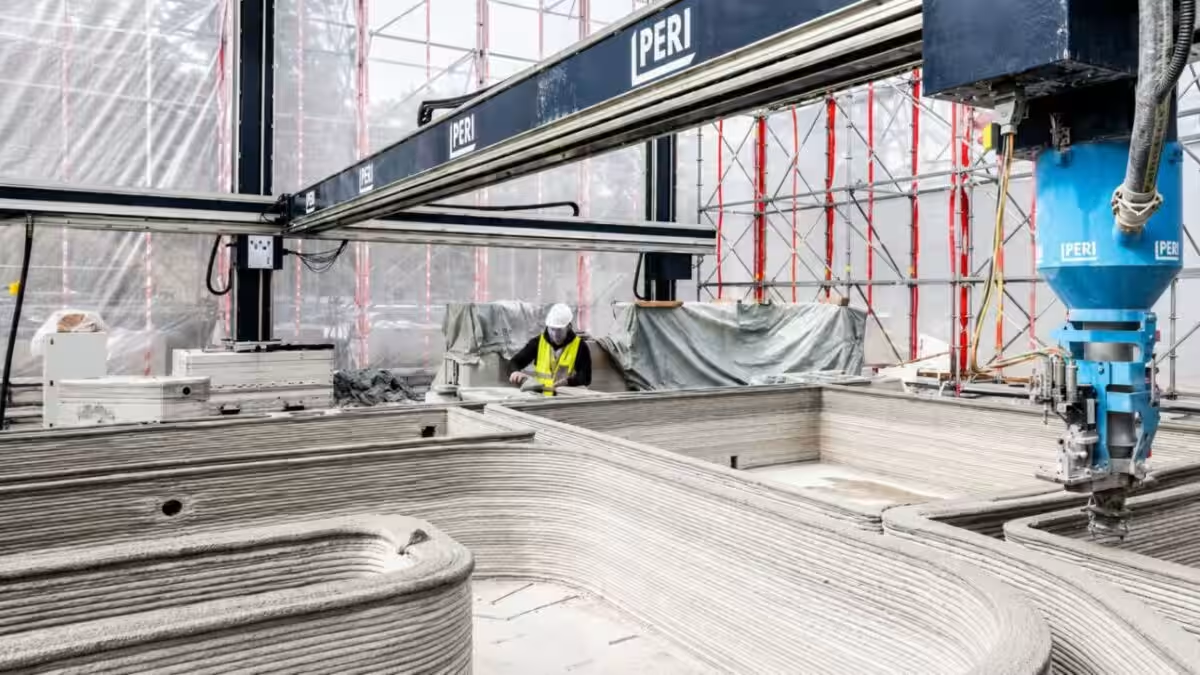
The system stops at the “obra gris” stage – the structural envelope – leaving electrical, plumbing and interior finishes to human crews. Grondplek’s co‑founder Mateo Salvatto stresses that the aim is to reallocate labor from heavy manual tasks to machine supervision and finishing work, rather than to eliminate jobs entirely.
From a Viral Video to a Copenhagen Partnership
The concept germinated after Salvatto and his partners saw a clip of 3‑D construction printing and decided to explore the market. Their search led them across Europe until they settled on COBOD’s Copenhagen plant, which supplied the BOD2 model – a 12 × 12 metre work envelope capable of reaching six metres in height.
In June 2025, industrial giant Techint Engineering and Construction announced the acquisition of the BOD2, marking the first 3‑D concrete printer purchased by an Argentine construction firm. Initial trials took place at Techint’s TEPAM logistics centre in General Pacheco, Buenos Aires.
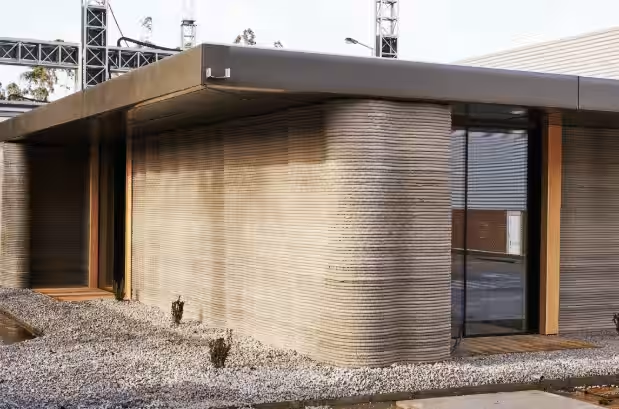
Techint’s Innovation Senior Manager Alejandro Aguirre highlighted the printer’s ability to produce components in a “controlled and safe environment” before shipping them to construction sites. Project Field Engineer Rocío Gentico added that the main benefits observed were faster execution, waste reduction and the removal of traditional wood formwork.
Speed Gains and Environmental Upside
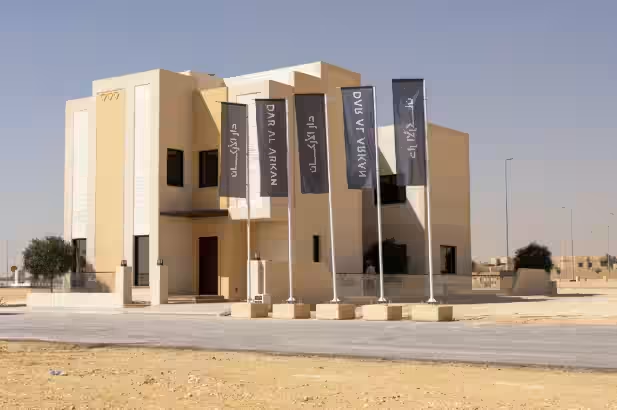
COBOD’s own case studies echo Grondplek’s claims. A Portuguese residential builder completed an 80‑square‑metre house in two months – eight times quicker than local conventional methods – with walls printed in just 18 hours. A Saudi developer reportedly erected a three‑story, 345‑square‑metre villa in 26 days, keeping material costs for the printed structure below €10 000, though independent verification was not supplied.
Techint pointed to concrete reductions in construction waste, the elimination of wooden formwork and a lowered demand for reinforcing steel as concrete environmental benefits. The firm frames the technology as a convergence of prefabrication, automation and carbon‑footprint mitigation.
Current Limits and Future Prospects
At present, the BOD2 can handle structures up to three stories. Salvatto notes that newer models featuring horizontal rail systems are emerging, capable of printing adjacent units sequentially without the need for repositioning.
Grondplek’s website reports more than 500 square metres of printed concrete, over 1 400 structural components, and a 35 % average reduction in shell construction time across completed projects. The company plans to deploy the BOD2 to sites with steady demand for standardized parts once its engineering team finalises a catalog of adaptable printed designs for future industrial applications.
This article has been fact checked for accuracy, with information verified against reputable sources. Learn more about us and our editorial process.
Last reviewed on .
Article history
- Latest version
Reference(s)
- “Grondplek | COBOD.”, May 19, 2025 COBOD <https://cobod.com/customer-projects/grondplek/>.
Cite this page:
- Posted by Vikram Desai