NASA Confirms Blazing 75,000 MPH Meteor Explosion Lighting Up Boston Skies and Rattling Homes
Meteor explosion over Cape Cod Bay rattles homes, confirmed by NASA
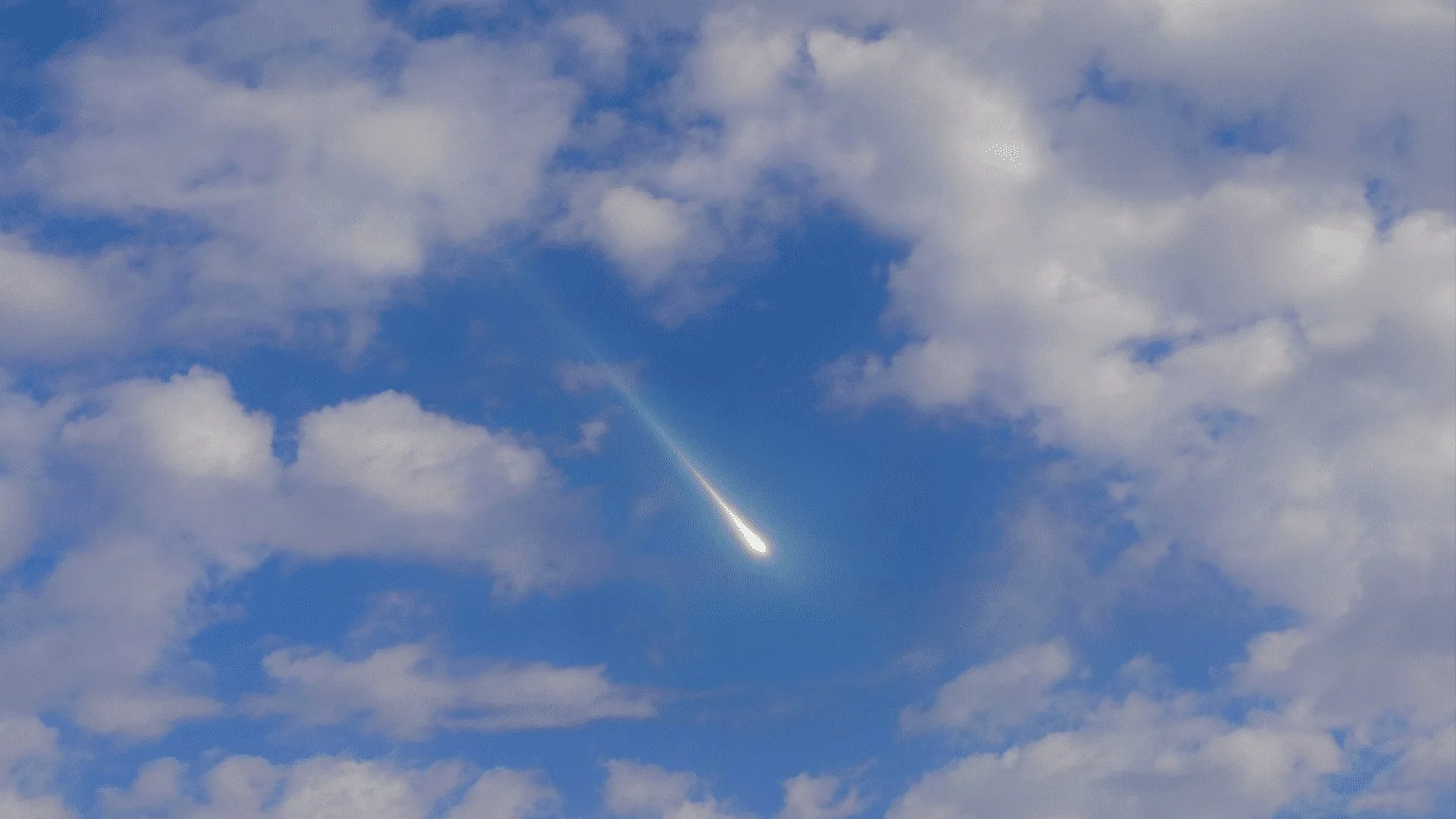
Around 2:06 pm ET on Saturday, a brilliant fireball swept across the skies of the northeastern United States before detonating over Cape Cod Bay. The phenomenon was recorded by ground‑based cameras and appeared in satellite data, producing a shockwave that rattled windows and sparked intense interest among residents.
NASA Confirms a Natural Bolide
NASA quickly identified the incident as a naturally occurring meteor, dismissing any link to space debris or re‑entering satellites. Deputy news chief Jennifer Dooren told AFP that the fireball was unrelated to any active meteor shower and represented a genuine celestial object. Researchers are now analysing the satellite imagery and eyewitness footage to improve models of atmospheric entry and fragmentation.
Reports of an explosion hears around Boston I believe are going to be a rather significant bolide/meteor entering the atmosphere. Very large “flash” detected by GOES-19 GLM that does not correlate with active thunderstorms. #MAwxpic.twitter.com/EHKVxCc2vU
— Nick Stewart (@NStewWX) May 30, 2026
Speed, Altitude and Energy Release
The incoming object travelled at roughly 75,000 mph before encountering the atmosphere. At an altitude of about 40 miles above the surface, over the border of northeast Massachusetts and southeast New Hampshire, it broke apart in a bright flash. The resulting explosion released energy comparable to 300 tons of TNT, generating a sonic boom that was heard by thousands of people.
#MeteorSighting: Eyewitnesses in New England and @NOAA’s GOES-19 satellite reported a bright fireball on Saturday, May 30, at 2:06 p m EDT accompanied by a loud noise. The meteor appears to have fragmented at an altitude of 40 miles over northeast MA and southeast NH. The energy…
— NASA Space Alerts (@NASASpaceAlerts) May 30, 2026
Scientific Value of the Event
Occurrences like the Cape Cod bolide underline the necessity of continuous monitoring of near‑Earth objects. By measuring velocity, breakup altitude and released energy, scientists gain vital data that refines predictive tools for future threats. Although this meteoric entry was not linked to a known shower, its unpredictability highlights the role of global observation networks in capturing fleeting, data‑rich events.
Public Response and On‑Ground Reports
Residents of Massachusetts, New Hampshire and surrounding areas described a vivid streak followed by a resonant boom, with some initially mistaking the noise for an earthquake. The United States Geological Survey confirmed the phenomenon as a widely felt sonic boom from a suspected bolide. Social media flooded with video clips and photos, enabling analysts to triangulate the trajectory and estimate the size of the object.
This article has been fact checked for accuracy, with information verified against reputable sources. Learn more about us and our editorial process.
Last reviewed on .
Article history
- Latest version
Reference(s)
- “https://twitter.com/NStewWX/status/2060791009353617469/photo/1.” <https://t.co/EHKVxCc2vU>.
Cite this page:
- Posted by Vikram Desai