Massive Secret Tunnel Network Discovered Beneath The Hagia Sophia
Archaeologists have discovered mysterious, unknown tunnels beneath a famous monument, but one puzzling passage has left experts completely baffled.
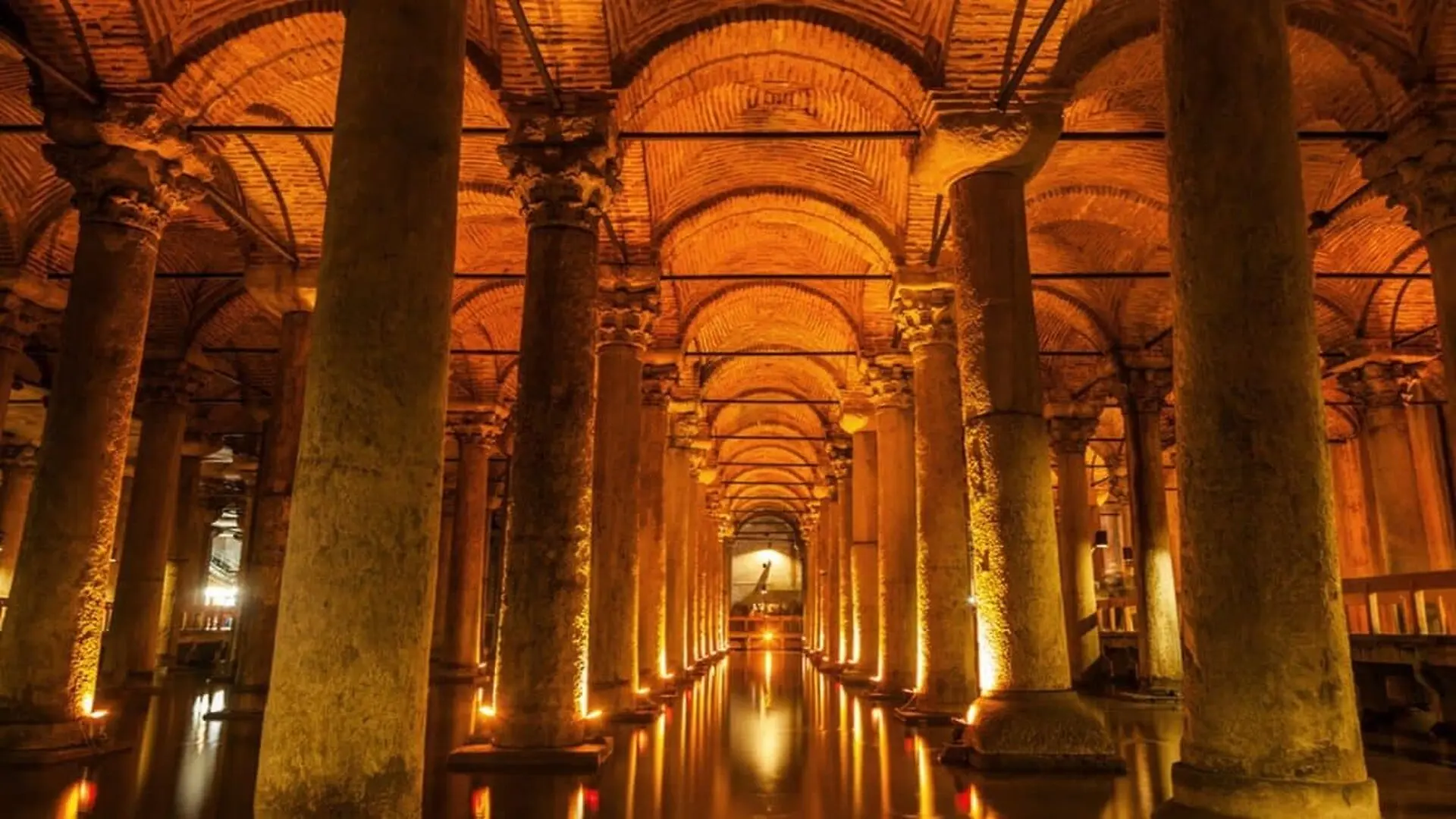
Archaeological teams conducting restoration work beneath the atrium of the Hagia Sophia have uncovered an extensive, previously unknown network of tunnels spanning 5.6 miles. This discovery significantly expands the known subterranean footprint of the historic Istanbul landmark, which has served as a cathedral, mosque, and museum since its construction under Emperor Justinian I between 532 and 537 C.E.
A Subterranean Expansion
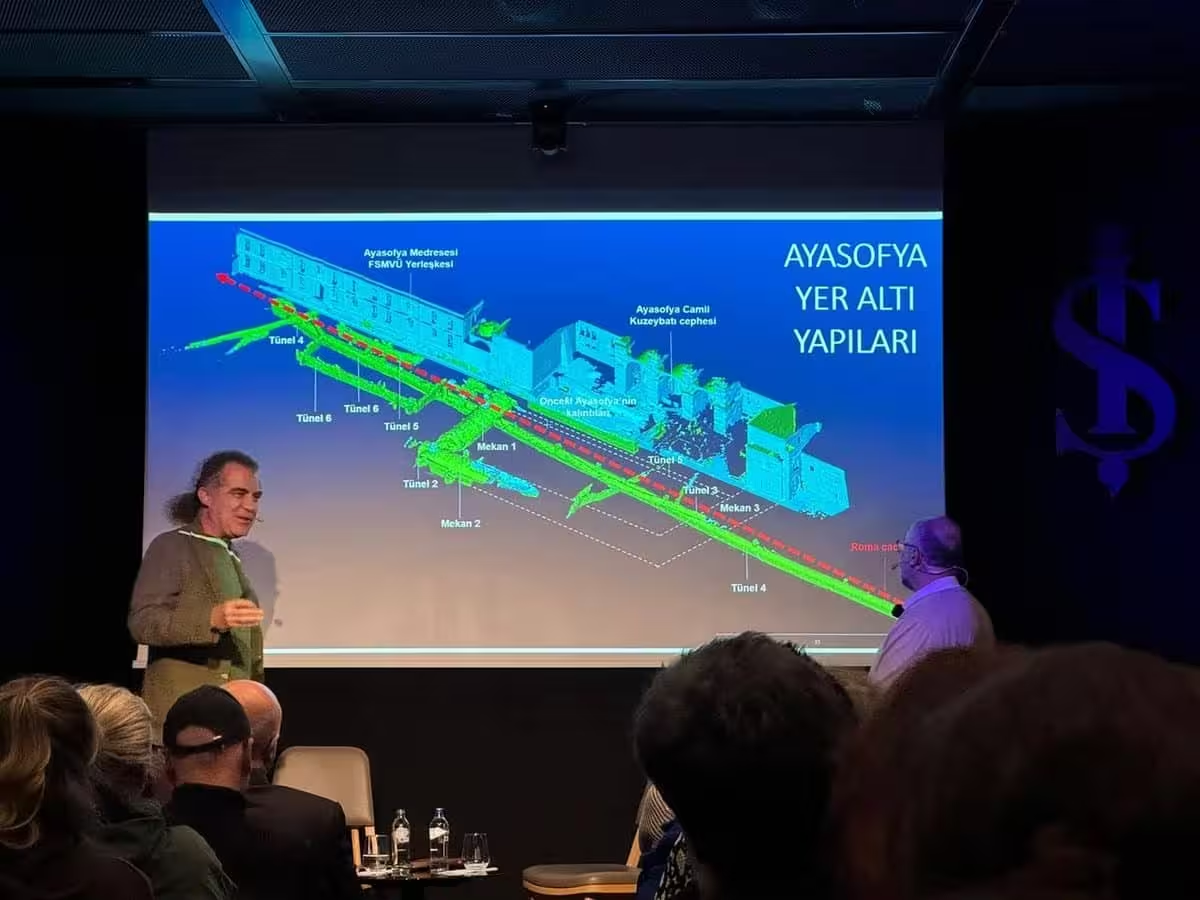
The find follows a series of restoration efforts that required crews to venture into deep, poorly ventilated, and narrow passages. According to Professor Hasan Fırat Diker, who has been documenting the project, the operation required specialized mining expertise to navigate the hazardous conditions. During the excavation, crews removed approximately 300 tons of soil and debris, revealing a sophisticated, multi-layered system that far exceeds the scope of the few hundred feet of tunnels reported earlier in 2026.
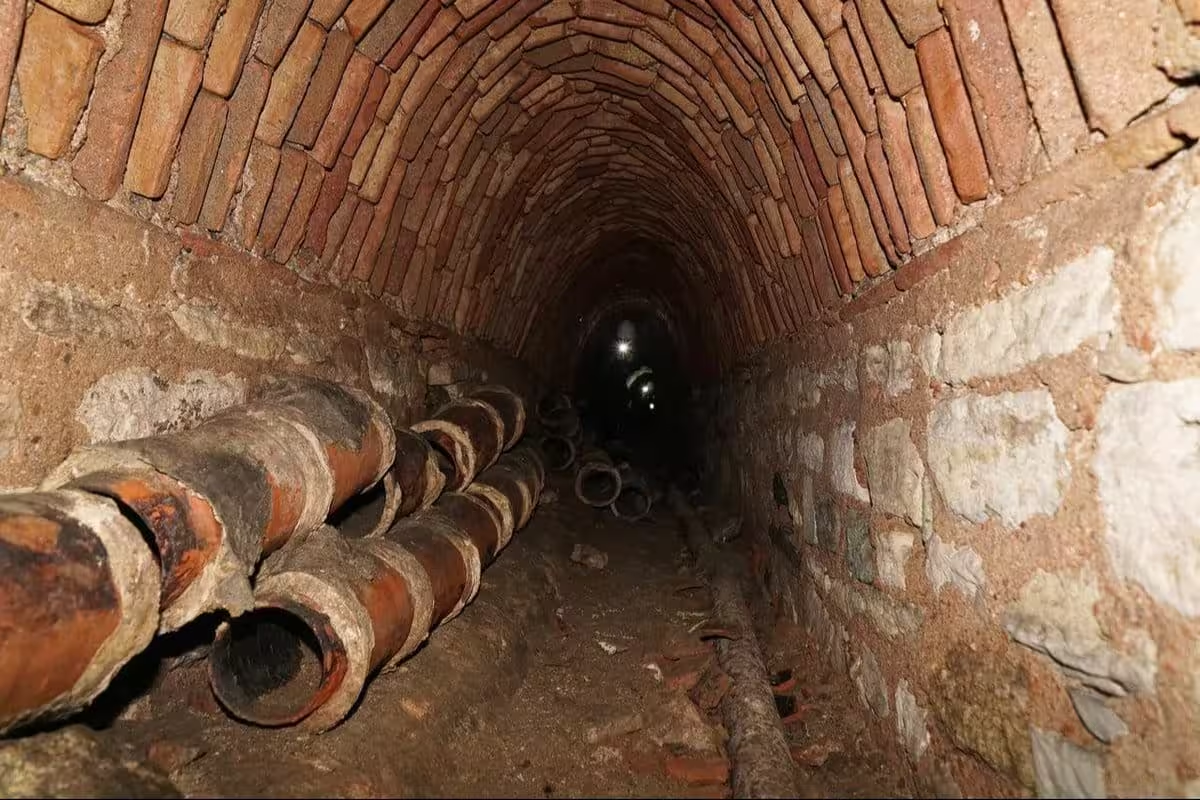
Diker noted that the process has yielded vital data regarding the complex subterranean infrastructure beneath the building. Most of the identified channels were originally designed for water distribution, featuring multiple conduits that indicate the site was continuously modified to meet the needs of the dense population living above it during the early Byzantine period.
The Mystery of Structure 6
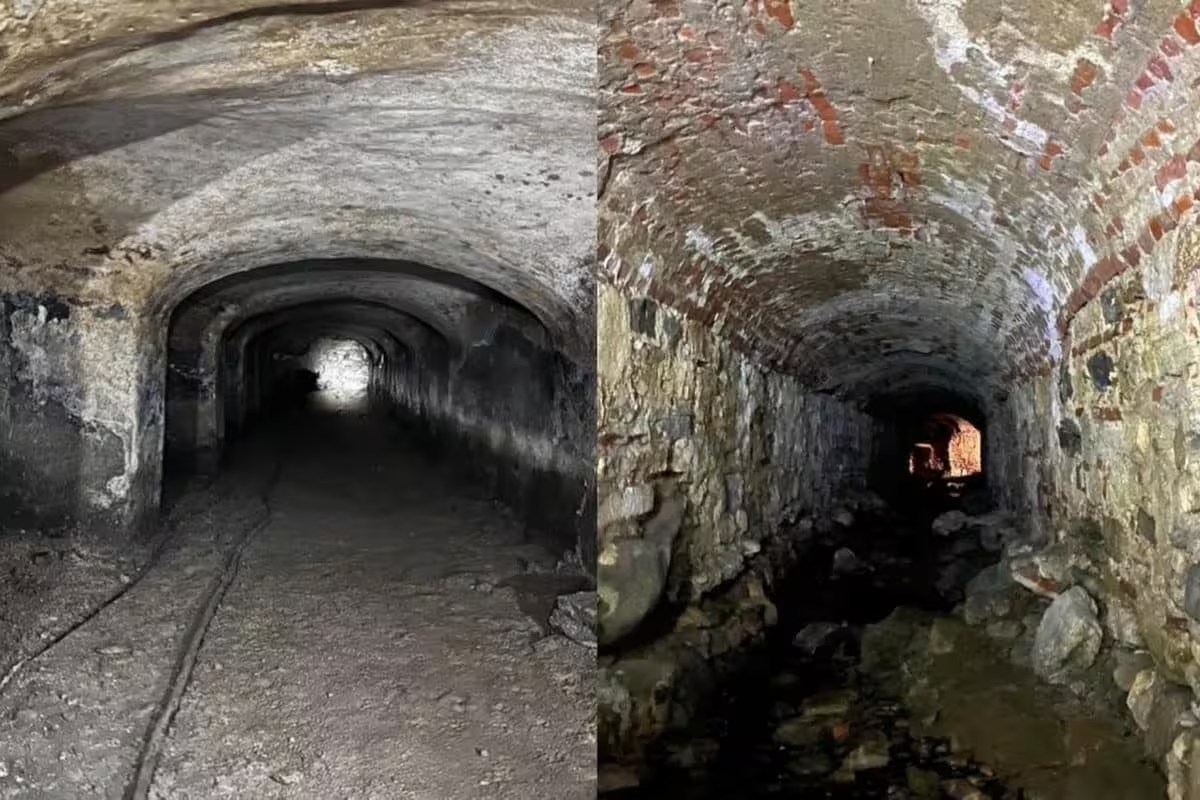
Among the six primary structures identified, one passage—designated as Structure 6—has presented archaeologists with a significant puzzle. Unlike the functional, linear water conduits found elsewhere in the network, Structure 6 features an irregular layout with multiple branches and a vaulting style that stands out from the surrounding architecture.
The passage contains eight rectangular niches carved into the walls, yet it lacks the terracotta piping typically found in the site’s water-management systems. This absence suggests that the chamber served a different, perhaps ceremonial or storage-related, function. Diker observed that the tunnel connects to a parallel route, likely as part of a later construction phase, and contains an undocumented wall that adds to the complexity of the site’s history.
Reports from Türkiye Today highlight that much of the network remains obscured by centuries of accumulated silt and collapse. As restoration teams continue their work, archaeologists anticipate that more segments of this vast underground system will be revealed, offering further insight into the structural evolution of one of the world’s most enduring architectural marvels.
This article has been fact checked for accuracy, with information verified against reputable sources. Learn more about us and our editorial process.
Last reviewed on .
Article history
- Latest version
Reference(s)
- “HASAN FIRAT DİKER · Ar-Ge İzleme · FSMVÜ APEDIA.”, October 8, 2026 <https://apedia.fsm.edu.tr/cv/hfdiker>.
- Newsroom, “Archaeologists remove 3,000 tons of debris from tunnels beneath Hagia Sophia.”, October 17, 2026 Türkiye Today <https://www.turkiyetoday.com/culture/archaeologists-remove-3000-tons-of-debris-from-tunnels-beneath-hagia-sophia-3230495?s=1>.
Cite this page:
- Posted by Vikram Desai