Scientists Just Opened 22 Forgotten Boxes Containing 10000 Ancient Artifacts And A Skeleton
Archaeologists have uncovered long-lost boxes dating back to a 1957 excavation, revealing significant historical findings hidden for decades.
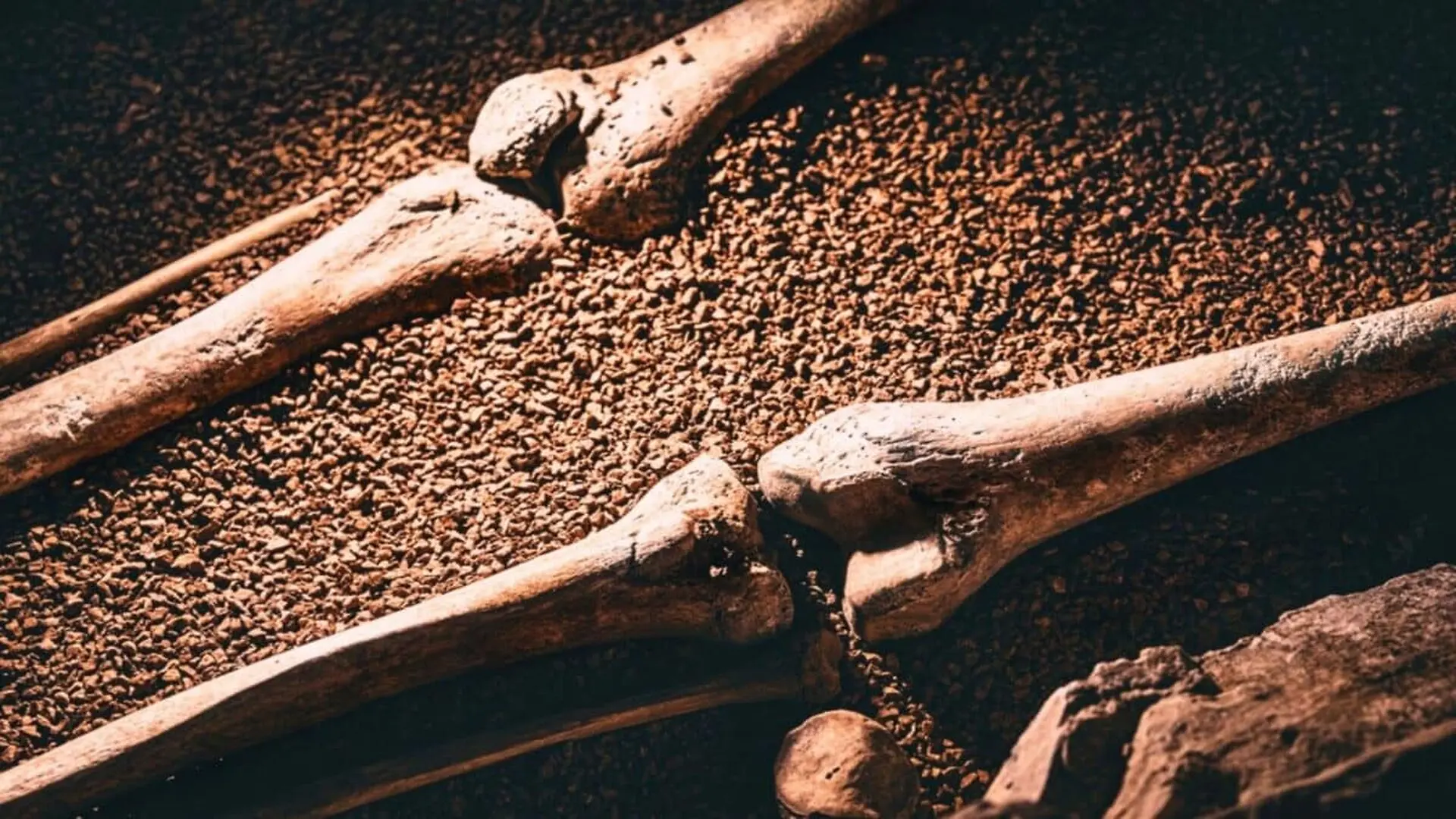
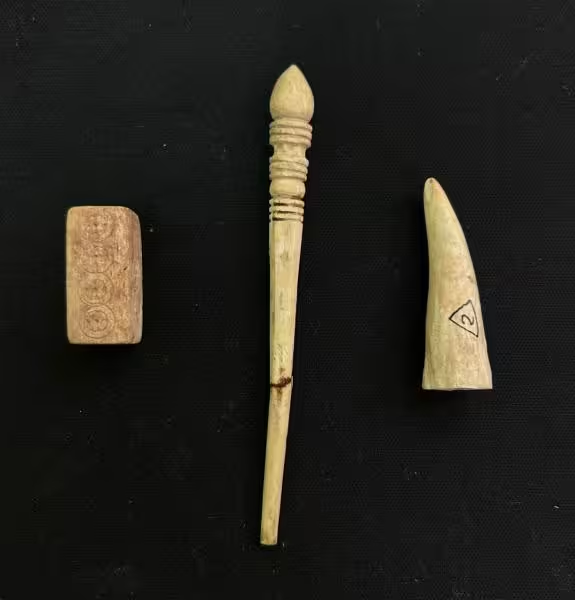
Decades after they were first unearthed, tens of thousands of artifacts from the ancient Rajghat site in Varanasi, India, are finally being cataloged and analyzed using modern scientific rigor. Housed for years within the vaults of Banaras Hindu University (BHU), these materials, which include everything from delicate ivory carvings to ancient coins, are now the subject of a comprehensive documentation effort that promises to bridge the gap between 1950s-era archaeology and 21st-century bio-archaeology.
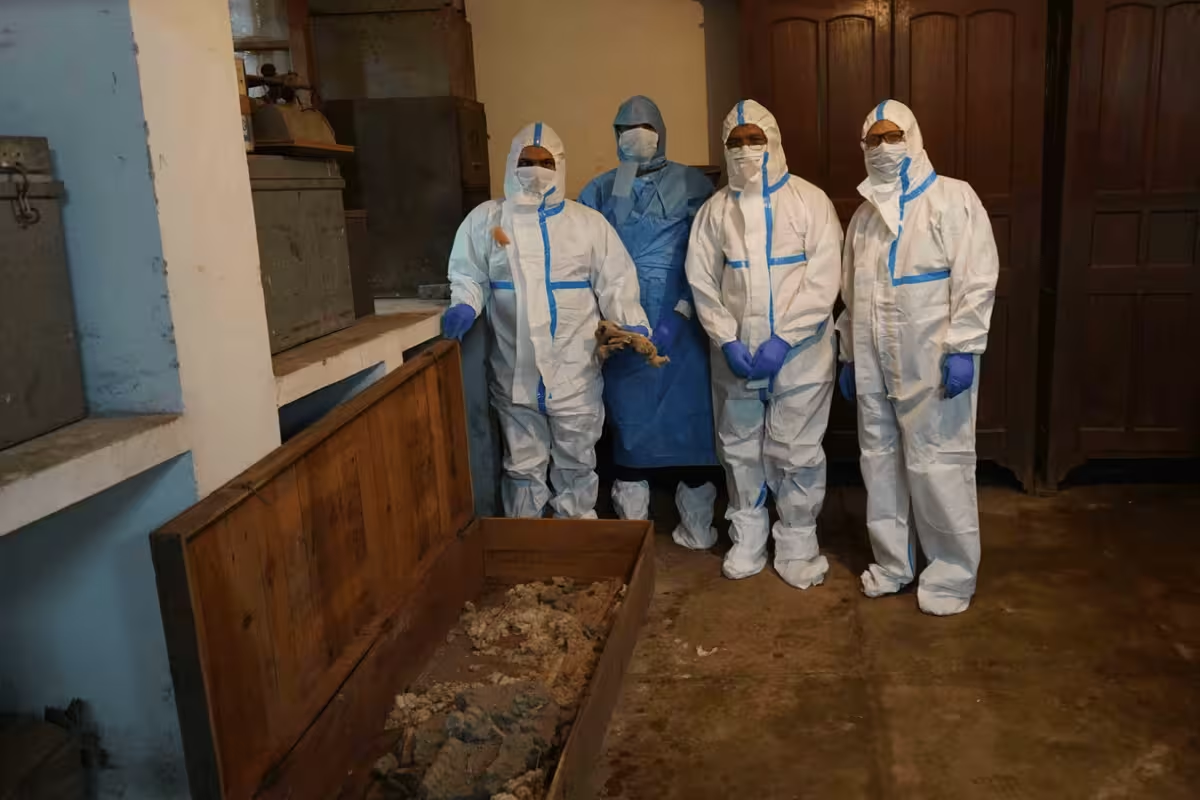
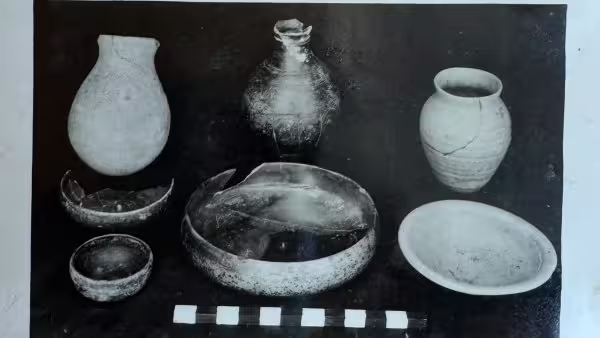
The collection stems from a series of extensive excavations led by BHU archaeologist A.K. Narain between 1957 and 1969. While the original reports were published, the vast physical archive—stored in trunks that had begun to succumb to time—remained largely disorganized. Recent efforts have uncovered 22 containers holding over 10,000 individual items, including sculptures, copper tools, seals, and painted black ware pottery dating back to the Iron Age.
Decoding the Urban Origins of Kashi
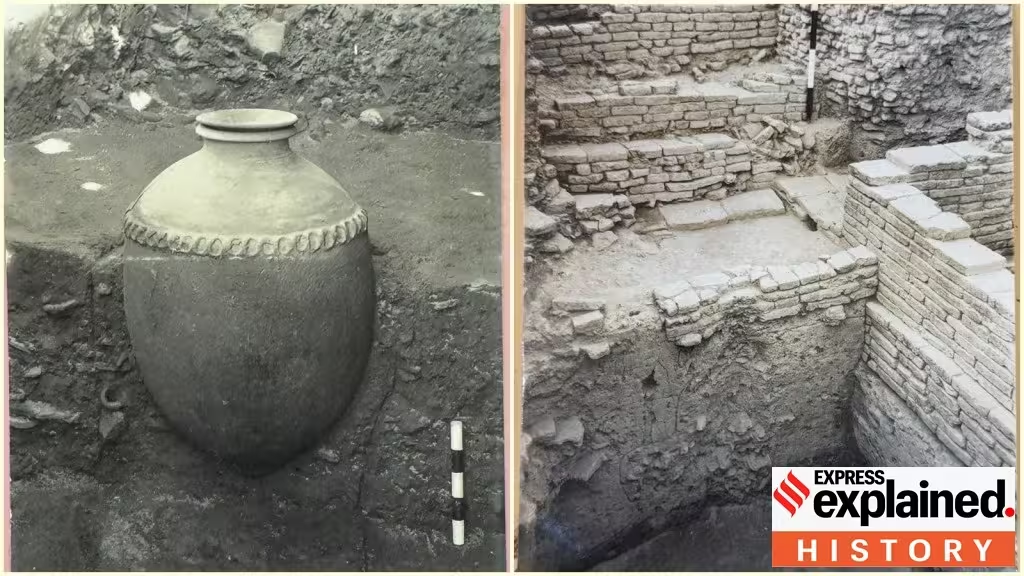
Rajghat, situated at the strategic confluence of the Ganga and Varana rivers, represents a critical site for understanding the urbanization of ancient India. Archaeological consensus, supported by later re-excavations in the early 2000s by scholars such as Vidula Jaiswal and B.R. Mani, places the site’s earliest settlement layer at approximately 800 B.C. Researchers associate the site with the capital of the Kashi Janapada, a powerful political entity of the ancient era.
The sheer variety of recovered items provides a window into this sophisticated society. Among the findings are hundreds of seals and sealings, some featuring Brahmi script and references to administrative officials, which solidify Rajghat’s role as a major urban center. Other pieces include inscriptions in Greek, hinting at the far-reaching influence and trade connections of the region.
Genetic Frontiers and Visual Records
Beyond the material culture, the university has discovered a human skeleton preserved from the original excavation. This specimen is currently the focus of a pioneering genetic study. By utilizing advanced DNA extraction techniques, researchers aim to determine the biological ancestry, diet, and lifestyle of individuals inhabiting the middle Ganga Valley roughly 1,000 years ago. This represents a significant shift in methodology, as these molecular tools were entirely inaccessible to the original excavators.
The cache also contains an extensive visual record of 20th-century archaeology. The archives include roughly 3,000 glass slides and 5,000 photographic negatives documenting not only Rajghat, but also significant heritage sites such as Ajanta, Ellora, and Ratnagiri. These images serve as a vital historical bridge, capturing the condition of these sites and sculptures as they existed decades ago.
A Modern Stewardship Effort
Led by Mahesh Prasad Ahirwar, head of the Department of Ancient Indian History, Culture and Archaeology at BHU, the current project serves as a preservation mandate. With the physical containers deteriorating, three specialized teams are currently working to digitize, catalog, and conserve the thousands of objects. Since launching the initiative in January as part of the university’s centenary celebrations, researchers have already documented nearly 4,000 artifacts.
While some reports have characterized these boxes as “unopened” for seven decades, historians clarify that the artifacts were always available for academic study. The current initiative marks a departure from sporadic access toward a systematic, public-facing effort that includes plans for a dedicated museum, ensuring that this deep-time record of India’s history remains available for future generations of scholars.
This article has been fact checked for accuracy, with information verified against reputable sources. Learn more about us and our editorial process.
Last reviewed on .
Article history
- Latest version
Reference(s)
- “Banaras Hindu University (BHU) Website.” Banaras Hindu University <https://news.bhu.ac.in/news/bhu-begins-a-historic-genetic-study-on-human-skeleton-found-during-rajghat-excavation/vqzyudod4jhrmm9kxv5nxtg4>.
Cite this page:
- Posted by Vikram Desai