Archaeologists Searching For Artifacts Uncover Rare Revolutionary War Mass Grave
Volunteers searching for Revolutionary War artifacts in New Jersey have discovered human remains that had been hidden for nearly 250 years.
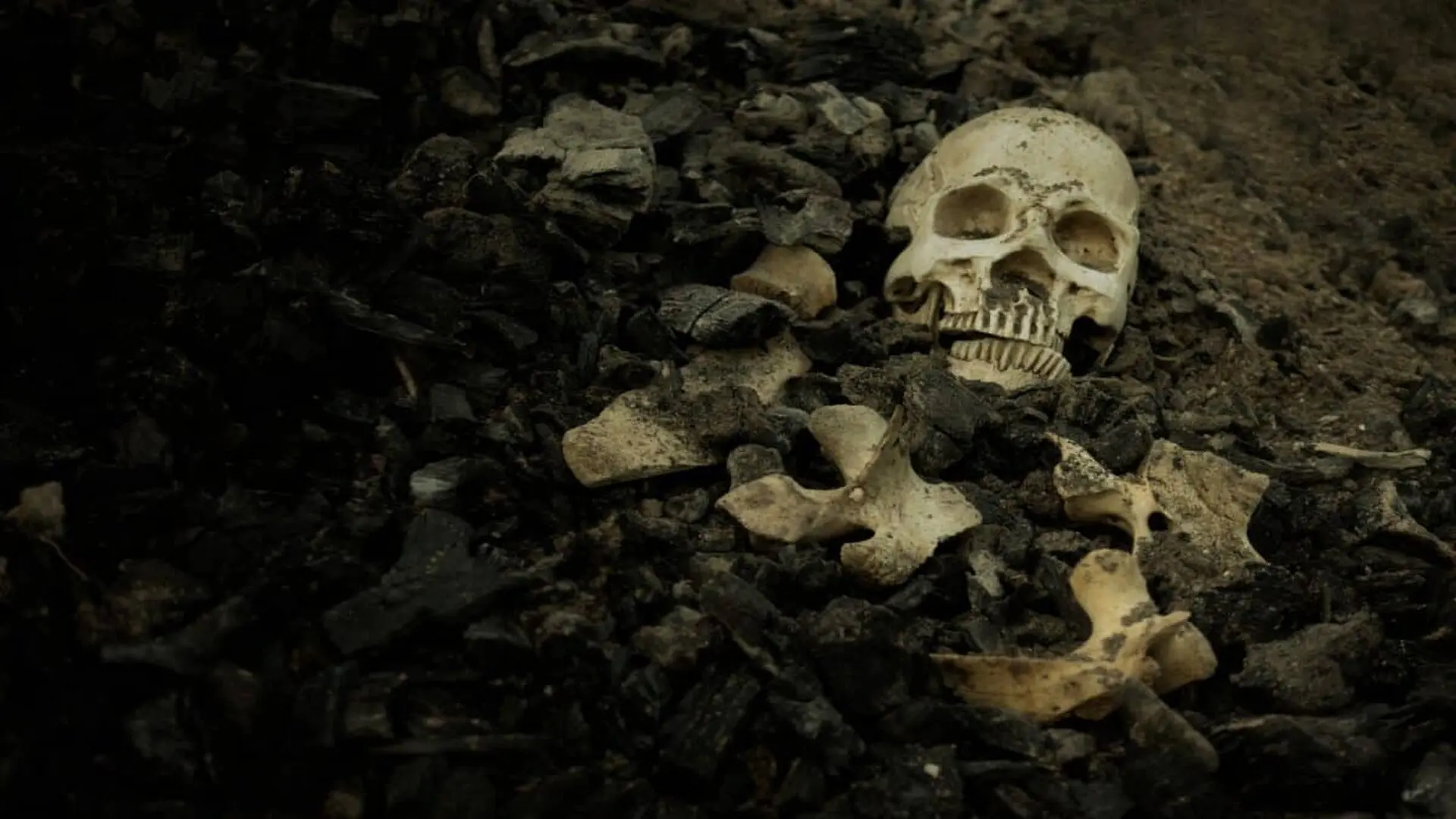
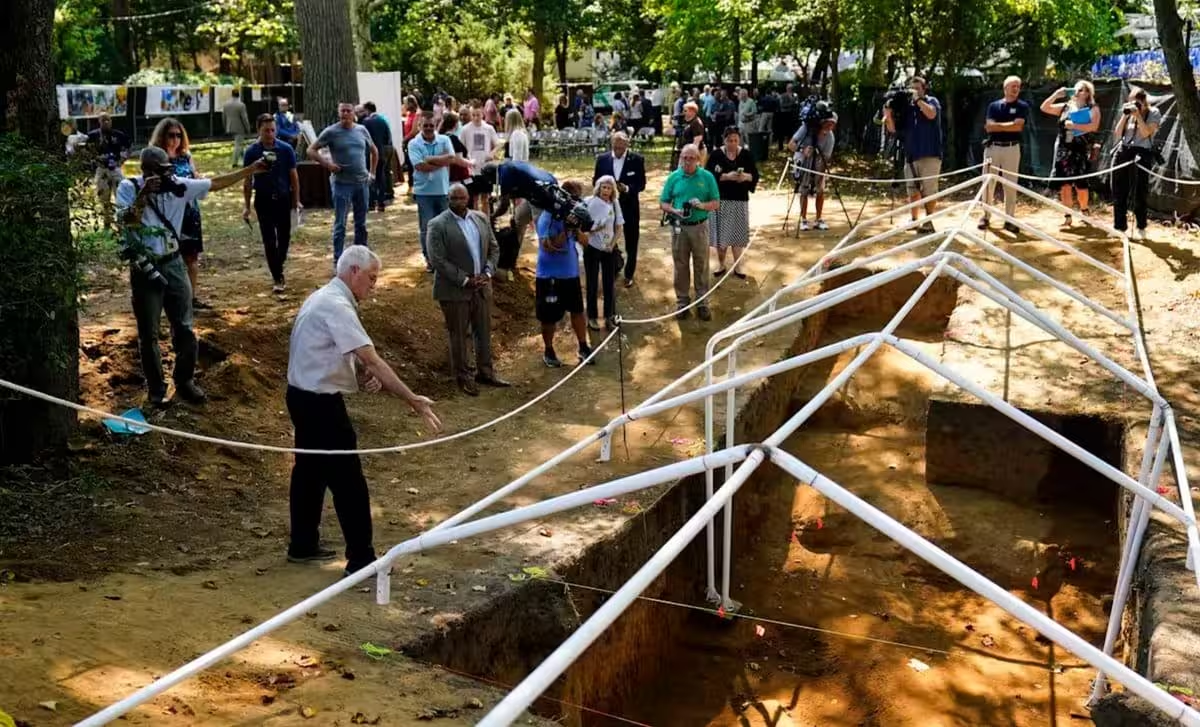
A routine archaeological survey near the Delaware River has yielded a haunting and unexpected discovery, offering a raw, physical connection to one of the most pivotal periods in American history. While experts from Rowan University initially set out to document artifacts surrounding the site of Fort Mercer in Gloucester County, they instead stumbled upon a rare mass grave dating back to the Revolutionary War, a find that challenges previous assumptions about the final resting places of those who fell during the conflict.
The site is linked to the Philadelphia Campaign of 1777 and 1778, a period of intense maneuvering between British General William Howe and George Washington. Following the British victory at the Battle of Brandywine and the subsequent occupation of Philadelphia, the conflict pivoted to the control of critical supply lines along the Delaware River. The Battle of Red Bank in October 1777 saw American forces successfully hold Fort Mercer against a determined assault by a Hessian brigade hired by the British.

Unearthing the Human Cost of War
Historical accounts indicate that the American defense was devastating for the attackers, resulting in 111 Hessian fatalities compared to only 14 American casualties. In the aftermath, Colonel Christopher Greene ordered the burial of the fallen. For nearly two and a half centuries, historians assumed these soldiers were interred near the nearby Whitall house. However, the Rowan University team found the remains in an entirely different, previously undocumented trench at the edge of the battlefield.
The discovery began with a single human bone found by a volunteer. Subsequent excavation revealed the fragmented remains of 15 individuals. While no complete skeletons were recovered, the presence of military equipment, including buckles, buttons, and musket balls, confirmed the identities of the deceased as Hessian soldiers.
Forensic Evidence of Brutal Combat
The state of the remains provides a visceral look at the lethality of 18th-century warfare. One soldier, labeled as Individual No. 7, was found with multiple projectiles embedded in his remains, including a lead musket ball, canister shot, and iron grapeshot. Researchers noted that the injuries are consistent with the use of bar and chain shot—ordnance typically intended for naval combat against ship rigging—which caused catastrophic trauma when turned against infantry.
Advanced analysis of the soldiers’ teeth has allowed researchers to trace the origins of these men to a concentrated 30-mile region in northwestern Europe. The ongoing project continues to process this evidence, with the long-term goal of potentially identifying at least one of the men by name, finally granting a specific identity to those buried in anonymity centuries ago.
This article has been fact checked for accuracy, with information verified against reputable sources. Learn more about us and our editorial process.
Last reviewed on .
Article history
- Latest version
Reference(s)
- “Philadelphia Campaign | Jul 23, 1777 - Jul 20, 1778.” American Battlefield Trust <https://www.battlefields.org/learn/maps/philadelphia-campaign-jul-23-1777-jul-20-1778>.
- “Red Bank Team.” <https://www.rowan.edu/ric-edelman-college/centers/field-school/red_bank_school/team.html>.
- “Professor details stunning battlefield discoveries: 245 years after battle, soldiers' remains uncovered at Red Bank.”, August 2, 2022 <https://today.rowan.edu/news/2022/08/red-bank-battlefield.html>.
Cite this page:
- Posted by Vikram Desai