DNA Analysis Of Montreal Colonial Skeletons Challenges Long Held Ancestry Myths
DNA analysis of a 17th-century Quebec cemetery reveals surprising ancestral truths, reshaping our understanding of family legends and early colonial history.
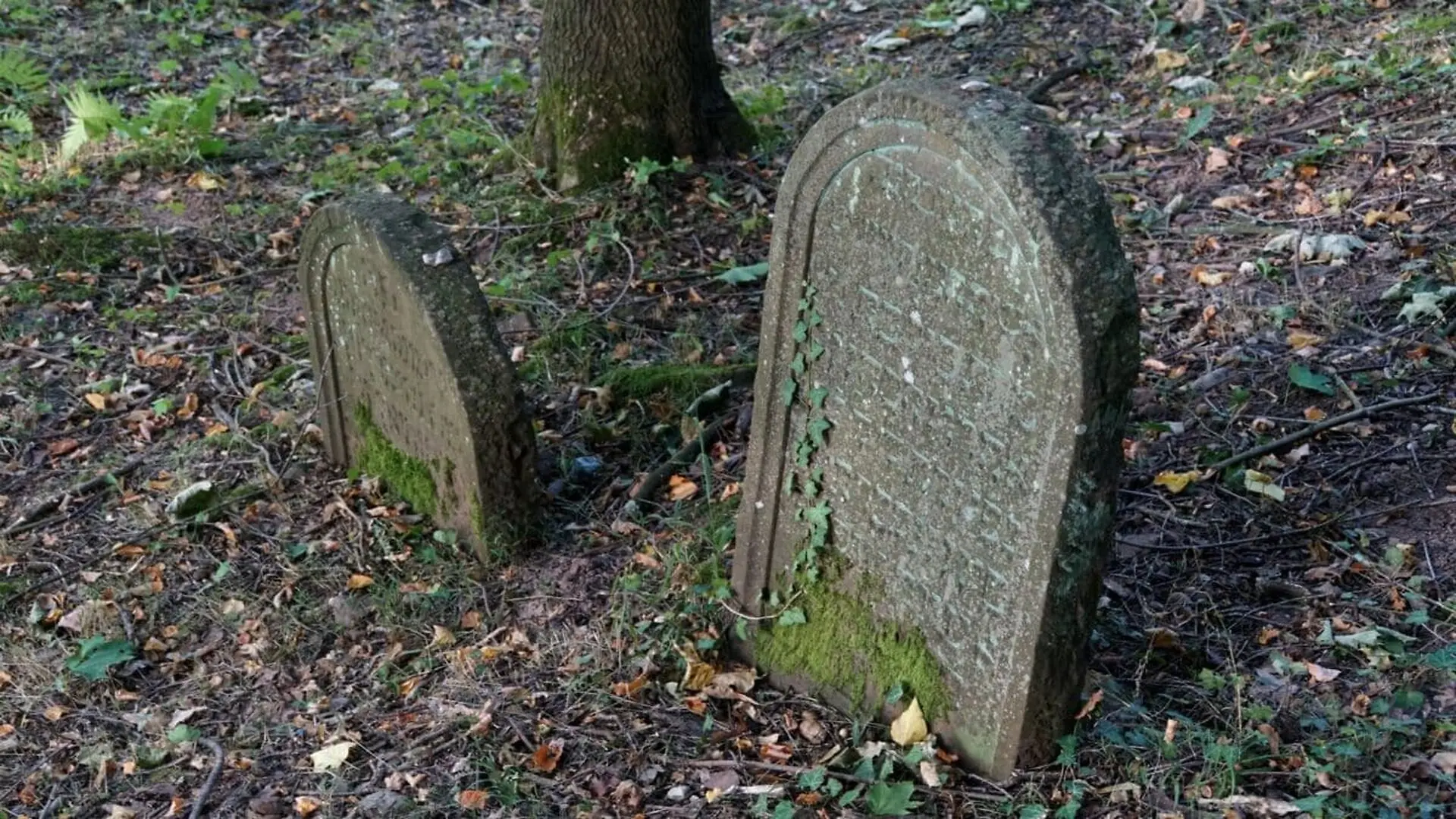
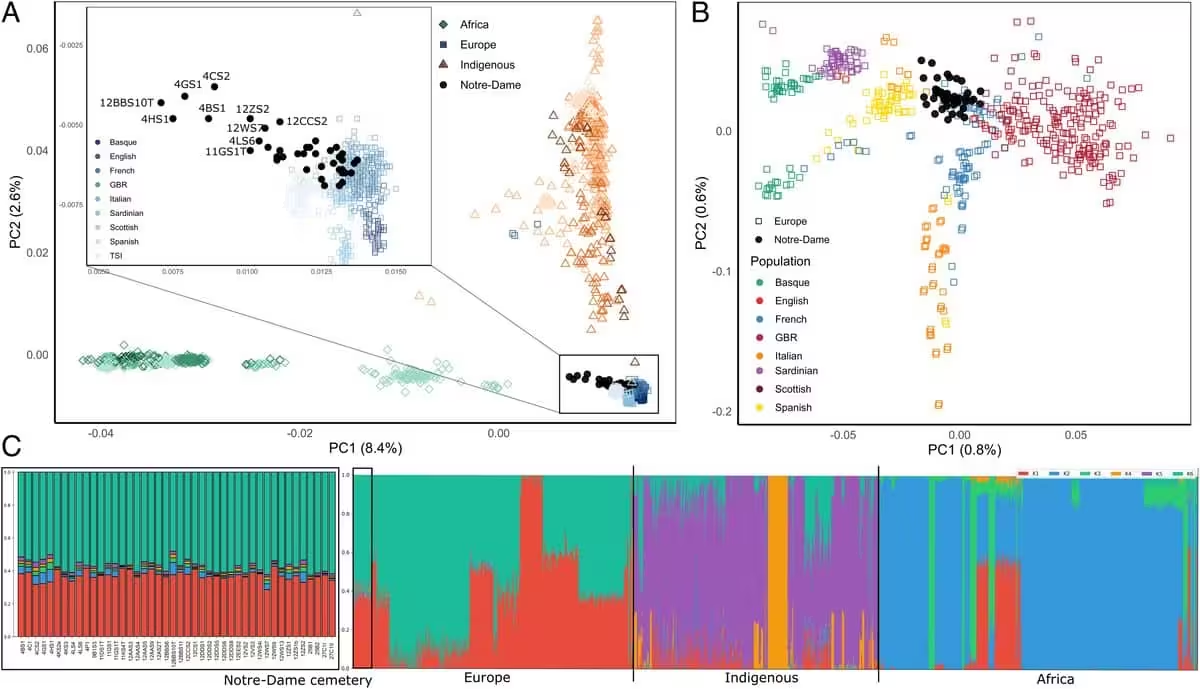
A genetic investigation into 45 sets of remains recovered from a colonial-era cemetery in Montreal has challenged long-standing narratives regarding early intermarriage between European settlers and Indigenous populations. The study, published in the journal PNAS, found that every individual analyzed possessed exclusively French European ancestry, with no detectable traces of recent Indigenous or African genetic admixture.
For many Quebec families, the belief in an Indigenous ancestor is a core component of their personal history, a trend that has accelerated alongside the popularity of commercial DNA testing. Researchers emphasize that these findings extend beyond mere genealogy, as the accuracy of ancestral claims has significant implications for the recognition, rights, and resources of contemporary Indigenous nations.
Examining the Notre-Dame Burials
The research team focused on the Notre-Dame Cemetery, an active Catholic burial site in Montreal from 1683 until 1796. Previous archaeological assessments of the skeletons had left scholars uncertain regarding the ancestral origins of those interred there. By sequencing DNA from 45 individuals and cross-referencing the results with modern and historic reference populations from Europe, Africa, and the Americas, the team sought to clarify the demographic makeup of the colonial settlement.
“The ancient DNA showed that all 45 individuals we analyzed had French European ancestry, with no sign of recent Indigenous or African admixture,” said first author Diane Martin-Moya, a biological anthropologist at the University of Quebec in Trois-Rivières.
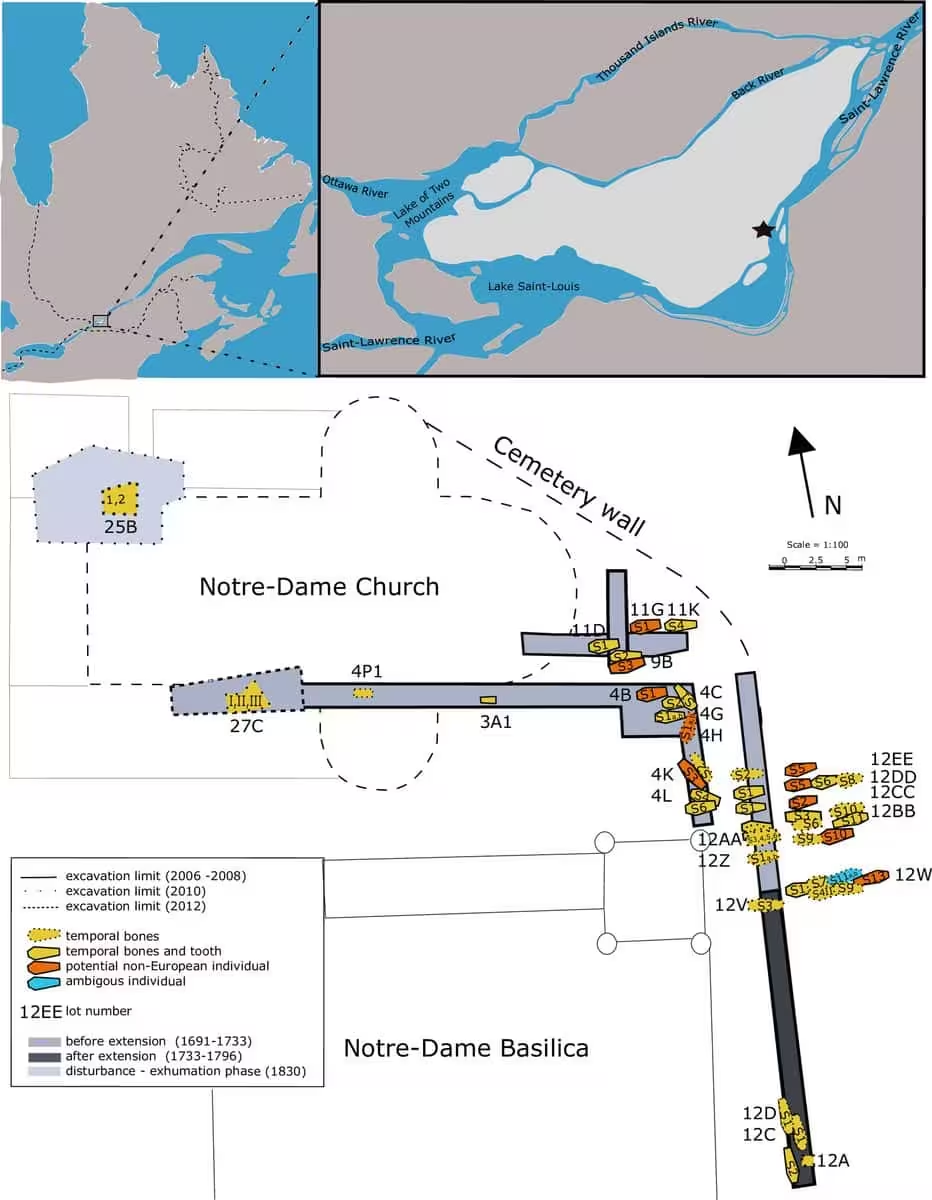
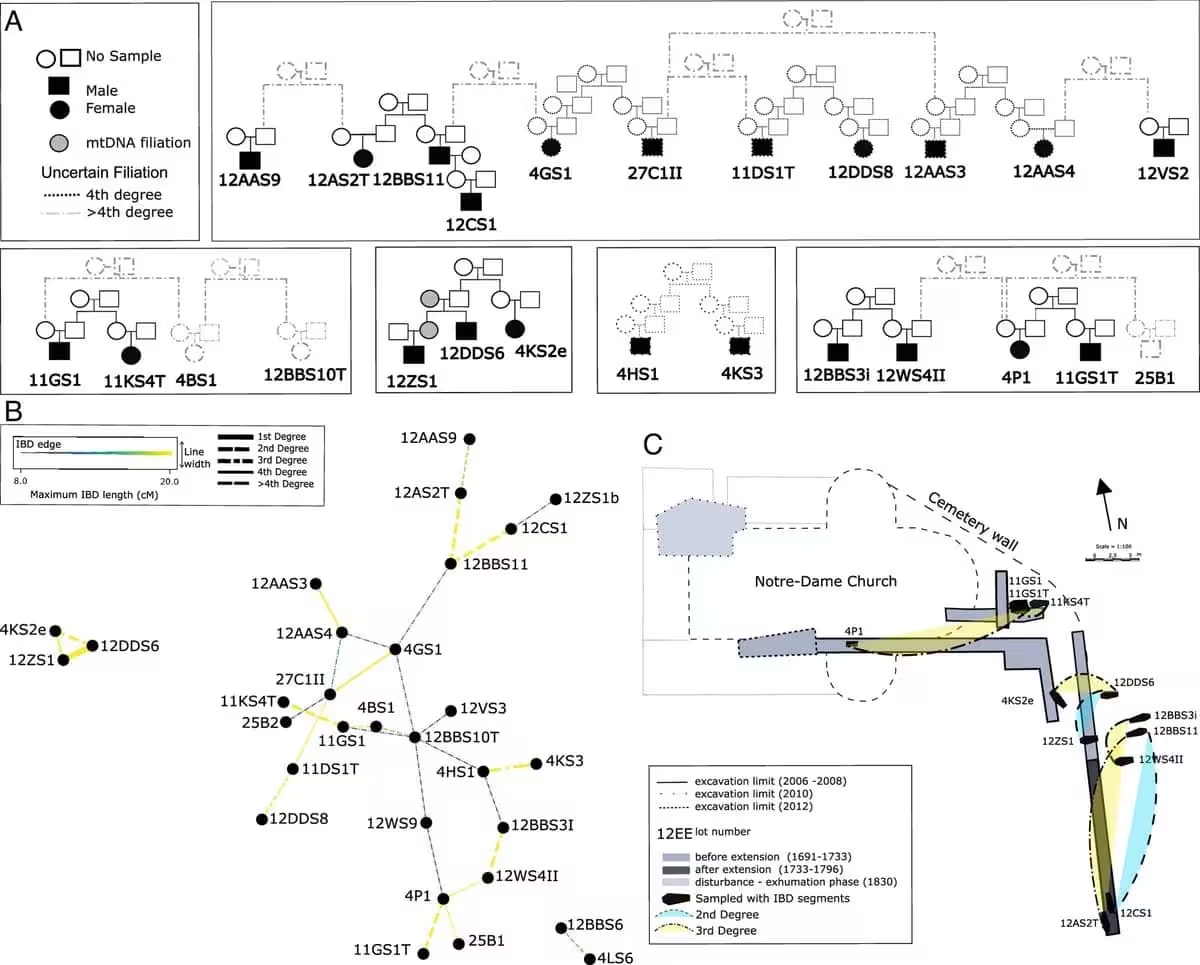
The analysis revealed that while some individuals shared biological lineages across generations, their graves were distributed throughout the cemetery in a way that suggests burials were not organized into distinct family plots.
Constraints and Interpretations
The researchers cautioned that the scope of the study is limited. Because the sample size is relatively small and originates from a single site, the findings cannot be generalized to suggest that cross-cultural unions never occurred. Furthermore, the nature of the cemetery population complicates the results. Historical urban development and previous exhumations of wealthier colonists, who were often buried within church walls, mean that the current sample likely represents lower-class French colonists.
Raquel Fleskes, a molecular anthropologist at Dartmouth College who was not involved in the research, noted that the lack of genetic mixing provides insight into the social dynamics of the period, potentially indicating that non-genetic interactions occurred in the absence of biological relationships.
Contextualizing Ancestral Narratives
Martin-Moya clarified that the absence of Indigenous or African DNA in these specific remains does not negate the presence of those groups in Montreal during the 17th century. Historical archives confirm that some Indigenous individuals were indeed interred in Catholic cemeteries during this era.
Over time, however, land dispossession and the relocation of missions served to physically separate Indigenous communities from the colonial center. Consequently, the deceased from these groups were likely buried within their own communities or, in the case of enslaved individuals, on private property or in cemeteries designated for the impoverished.
The study highlights the necessity of distinguishing between distant genealogical claims and contemporary cultural identity. As Martin-Moya noted in discussions with Live Science, ancestral connections—whether through alliance, trade, or family—must be interpreted within their historical context, noting that a single ancestor from three centuries ago does not carry the same sociopolitical weight as being raised within an Indigenous community or nation today.
This article has been fact checked for accuracy, with information verified against reputable sources. Learn more about us and our editorial process.
Last reviewed on .
Article history
- Latest version
Reference(s)
- Martin-Moya, Diane., et al. “Ancient DNA challenges to admixture narratives: Insights from Notre-Dame Cemetery (1683–1796) in Colonial Montreal, Canada.” Proceedings of the National Academy of Sciences, vol. 123, no. 42, October 5, 2026 National Academy of Sciences, doi: 10.1073/pnas.2523026123. <https://doi.org/10.1073/pnas.2523026123>.
- “Professeur.” Département d'anthropologie - Université de Montréal <https://anthropo.umontreal.ca/en/repertoire-departement/professeurs/professeur/in/in38023/sg/Diane%20Martin-Moya/>.
- “Raquel Fleskes.”, July 1, 2023 Faculty Directory <https://faculty-directory.dartmouth.edu/raquel-fleskes>.
- Choi, Charles. “DNA from centuries-old skeletons buried in Montreal reveals no genetic mixing between Indigenous people and French colonists.”, October 14, 2026 Live Science <https://www.livescience.com/archaeology/americas/dna-from-centuries-old-skeletons-buried-in-montreal-reveals-no-genetic-mixing-between-indigenous-people-and-french-colonists>.
Cite this page:
- Posted by Vikram Desai