Scientists May Have Found a Way to Reverse Alzheimer’s Memory Loss in New Study
Researchers at Gladstone Institutes have restored memory in mice with Alzheimer’s-like disease by boosting the Nav1.1 protein, revealing new treatment paths.
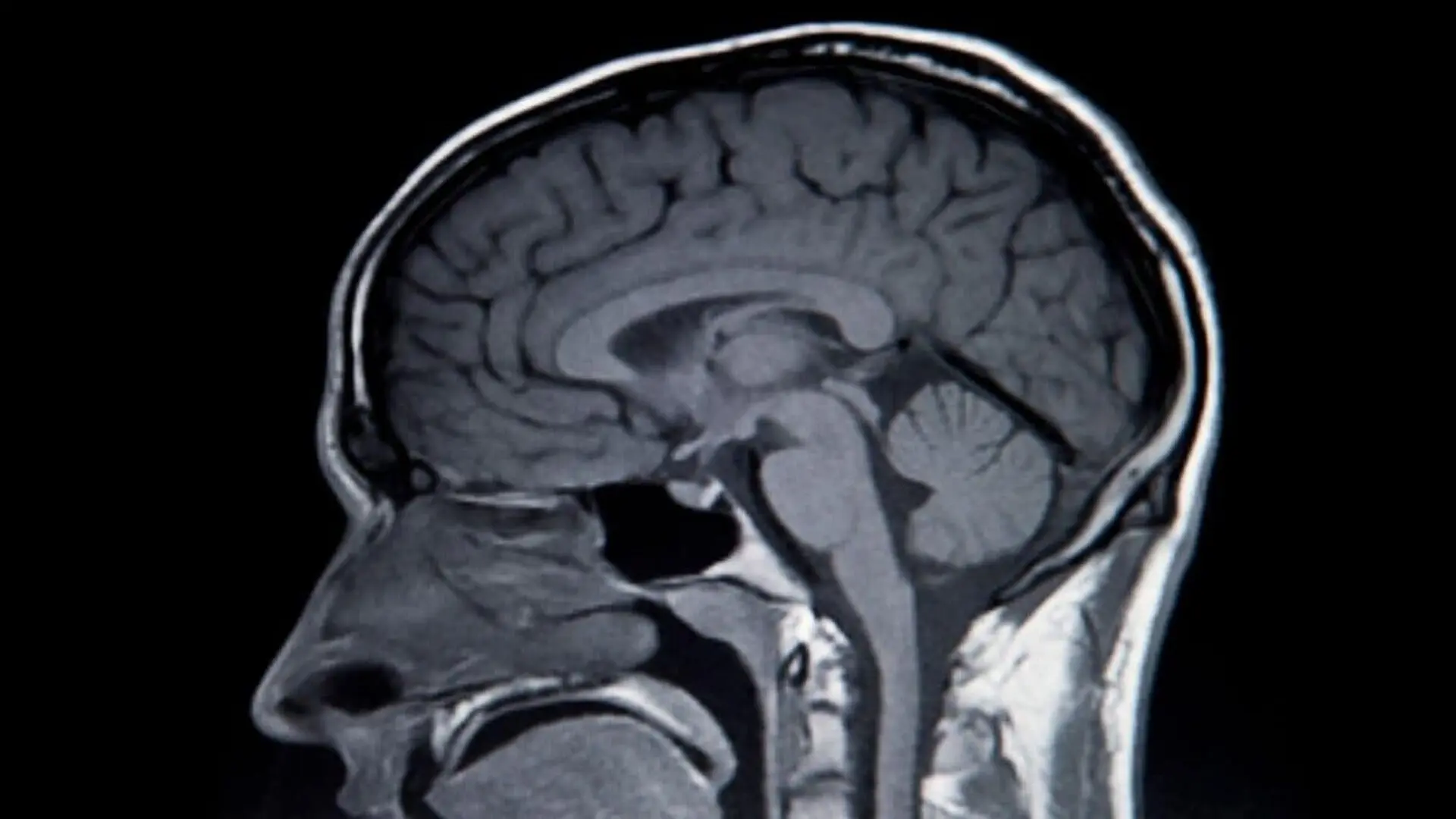
New research published October 15 in the journal Neuron has uncovered a critical mechanism underlying the cognitive decline associated with Alzheimer’s disease. By mapping the complex electrical activity within the brain, scientists at the Gladstone Institutes have demonstrated that restoring the function of specific inhibitory neurons can repair disrupted brain rhythms, improve memory, and increase longevity in mouse models.
Decoding the Brain’s Electrical Rhythms
The brain relies on rapid electrical pulses known as gamma oscillations—cycles occurring between 30 and 90 times per second—to manage attention, memory formation, and information processing. While it has long been known that these rhythms falter in the brains of patients with Alzheimer’s, the precise cellular breakdown responsible for this decline has remained a mystery.
To pinpoint the cause, investigators focused on parvalbumin interneurons (PV cells), which act as conductors for electrical signaling across neural networks. Using a sophisticated combination of two-photon calcium imaging and electrical monitoring, the team observed how these cells function in the brains of awake mice. They discovered that healthy PV cells operate in a highly choreographed sequence: rather than firing simultaneously, specific subsets of cells activate in order, with early responders triggering robust signals and subsequent groups providing nuanced follow-up activity.
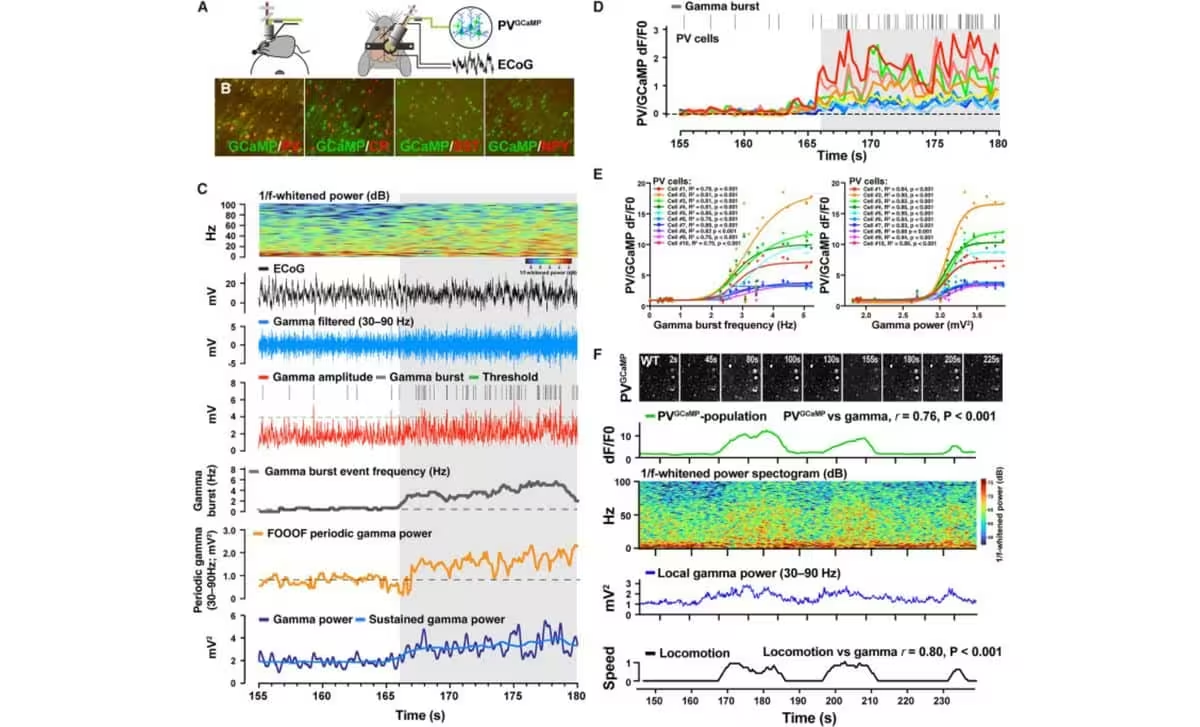
In mice engineered to exhibit Alzheimer’s-like pathology, this delicate orchestration collapsed. The researchers noted that early-response cells became sluggish, while later groups exhibited abnormal, excessive activity. Furthermore, these diseased networks produced dangerous bursts of electrical noise, known as epileptiform spikes, similar to patterns observed in human Alzheimer’s patients. The study suggests that the pathology is not merely a loss of neuronal activity, but a failure in the precise organization of that activity.
Restoring Cognitive Function via Nav1.1
Seeking a potential therapeutic target, the team turned their attention to Nav1.1, a protein essential for the proper firing of PV interneurons. Levels of this sodium channel protein are known to be deficient in both human Alzheimer’s cases and animal models.
By genetically bolstering Nav1.1 levels in the experimental mice, the researchers successfully corrected the neural firing patterns. The intervention restored the orderly recruitment of neurons, quieted the excessive electrical synchronization, and strengthened gamma oscillations. These neurological corrections translated into tangible behavioral gains; the mice demonstrated significantly improved performance in standardized spatial learning and memory tasks, such as the Morris water maze.
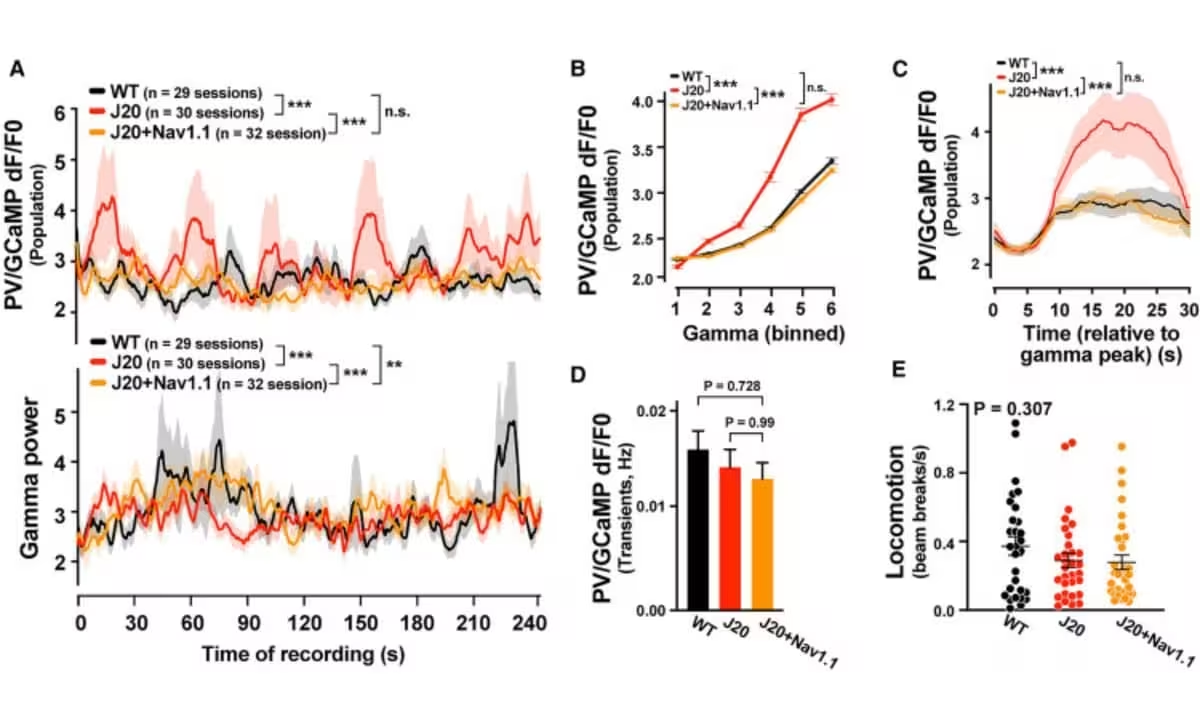
Beyond cognitive recovery, the treatment reduced the buildup of harmful amyloid plaques and increased overall survival rates in the brain. While these results are promising, researchers emphasize that the findings are currently limited to animal models. The next frontier in this research involves developing small-molecule drugs that can safely enhance Nav1.1 activity, providing a foundation for future clinical trials aimed at preserving cognitive function in human patients.
This article has been fact checked for accuracy, with information verified against reputable sources. Learn more about us and our editorial process.
Last reviewed on .
Article history
- Latest version
Cite this page:
- Posted by Hassan Raza