Teenager Invents Biodegradable Plastic That Actively Cleans Up Microplastics From The Environment
Researchers have engineered a groundbreaking enzyme inspired by a $2,500 catalyst that could revolutionize the way we eliminate harmful microplastic waste.
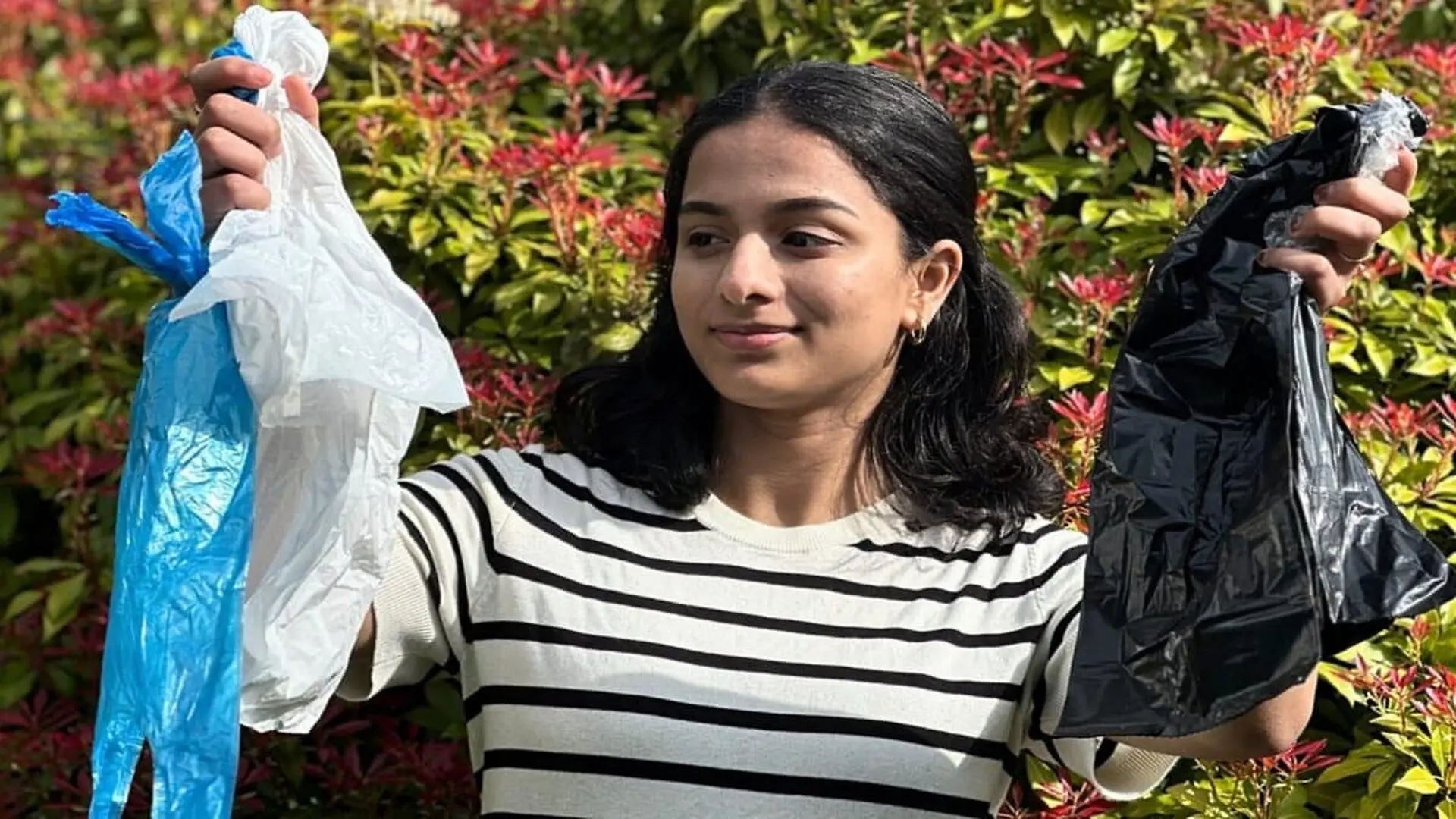
For 18-year-old Arya Satheesh, identifying pollutants in water was only the beginning of a larger frustration. While the student from Letterkenny, Ireland, had successfully built a detection device, she realized that simply cataloging the presence of microplastics—the pervasive fragments smaller than 5 millimeters now found in soil, water, and human tissue—did nothing to mitigate the crisis. With global recycling rates stagnating at roughly 9 percent, according to OECD data, Satheesh set out to develop a more proactive intervention.
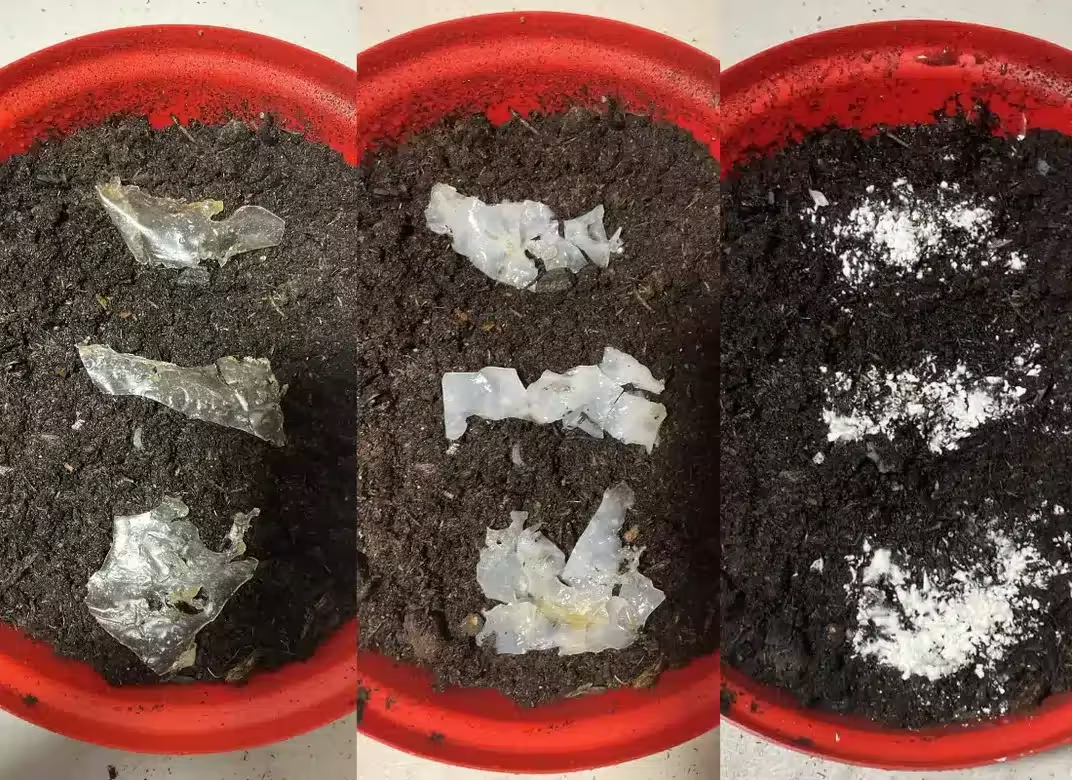
Her solution is Eco Purge, a plant-based, biodegradable material engineered to carry specialized enzymes. As the plastic degrades over a roughly two-week period, it releases these enzymes into the surrounding environment, where they target and break down existing microplastic pollution. This innovative approach recently earned Satheesh the European title at the 2026 Earth Prize, the world’s largest environmental competition for youth aged 13 to 19, along with a $12,500 grant to advance her research.
From Scientific Inquiry to Enzyme Discovery
Satheesh’s journey began with a curiosity about STEM research that led her to develop a water-monitoring system for Ireland’s SciFest. The project sparked a deeper interest in the ecological impact of microplastics. Charles Rolsky, executive director of the Shaw Institute in Maine, emphasizes the gravity of this issue. He notes that these particles function as “toxic sponges,” absorbing synthetic chemicals and heavy metals that can lead to tissue inflammation and digestive disruption once ingested.
The primary obstacle for Satheesh was the prohibitive cost of the necessary enzymes, with three milligrams priced at approximately $2,500. After conducting extensive outreach, she secured support from Kevin O’Connor at BiOrbic, Ireland’s national bioeconomy research center. With his assistance, and samples of PETase provided by researchers at Aalborg University and the University of Greifswald, she was able to move forward with her experiments.
Testing Environmental Remediation
In early 2026, Satheesh presented an early version of Eco Purge at the Stripe Young Scientist and Technology Exhibition in Dublin, where it secured a second-place finish in its category. Over a six-week testing period, she observed the material in soil, saltwater, and freshwater environments, confirming that both her bioplastic and the surrounding microplastics successfully degraded.
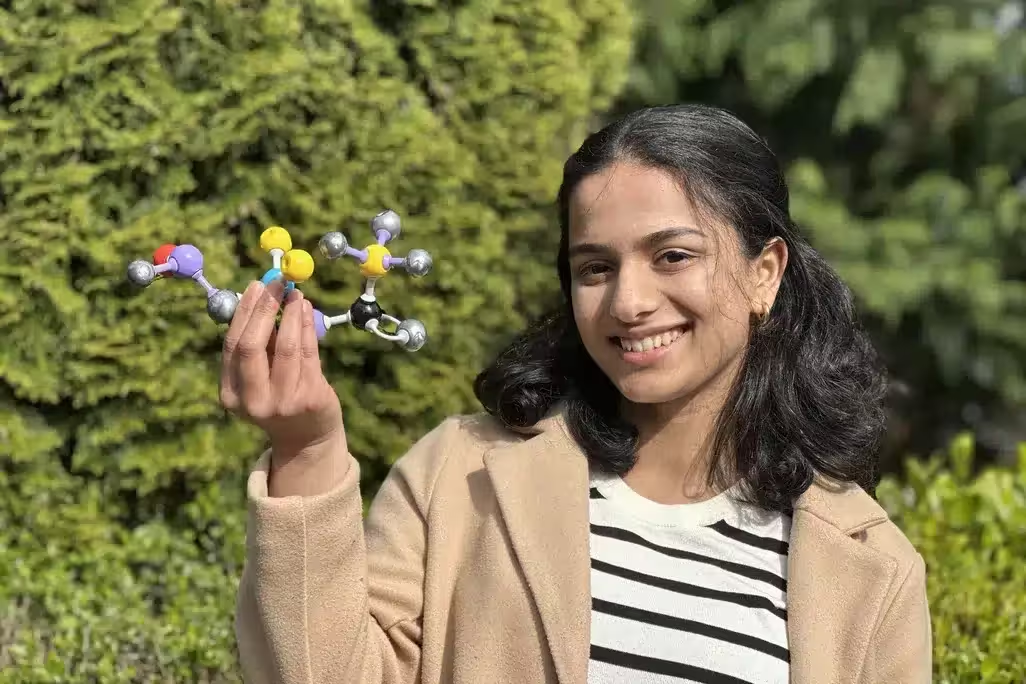
To scale the production, Satheesh plans to utilize a portion of her prize money to investigate the use of genetically modified E. coli to produce the enzymes, a method expected to lower costs significantly over time.
Navigating Technical and Ecological Challenges
While industry experts acknowledge the ingenuity of the design, they note inherent limitations. Rolsky points out that enzymes function on a highly specific lock-and-key mechanism, meaning a variant designed for PET plastic will not affect other types of plastic waste. Furthermore, in open ecosystems, the dilution of enzymes in soil or water could potentially reduce their efficacy. He suggests that the technology may find its most practical application in controlled environments, such as commercial composting facilities.
Manufacturing also remains a hurdle, as the high-heat processes standard in plastic production could denature the enzymes. Despite these challenges, Satheesh remains optimistic about the future of her work, with ambitions to see Eco Purge integrated into packaging and waste management within five years, eventually leading to the formation of her own bioplastics enterprise.
This article has been fact checked for accuracy, with information verified against reputable sources. Learn more about us and our editorial process.
Last reviewed on .
Article history
- Latest version
Reference(s)
- Hardin, Tod. “Charles Rolsky Named Executive Director at Shaw Institute.”, July 25, 2023 Shaw Institute <https://shawinstitute.org/2023/07/25/charles-rolsky-named-executive-director-at-shaw-institute/>.
- “Shaw Institute | 30 years of Environmental Impact Research.”, June 21, 2023 Shaw Institute <https://shawinstitute.org/>.
- <https://www.euronews.com/2026/05/11/meet-the-18-year-old-whose-prize-winning-invention-takes-on-the-microplastics-emergency>.
Cite this page:
- Posted by Hassan Raza