New Dinosaur Discovery in Zimbabwe Challenges Everything We Knew About Ancient Africa
A mysterious new fossil unearthed in Zimbabwe is challenging everything scientists thought they knew about the early evolution of dinosaurs in Africa.
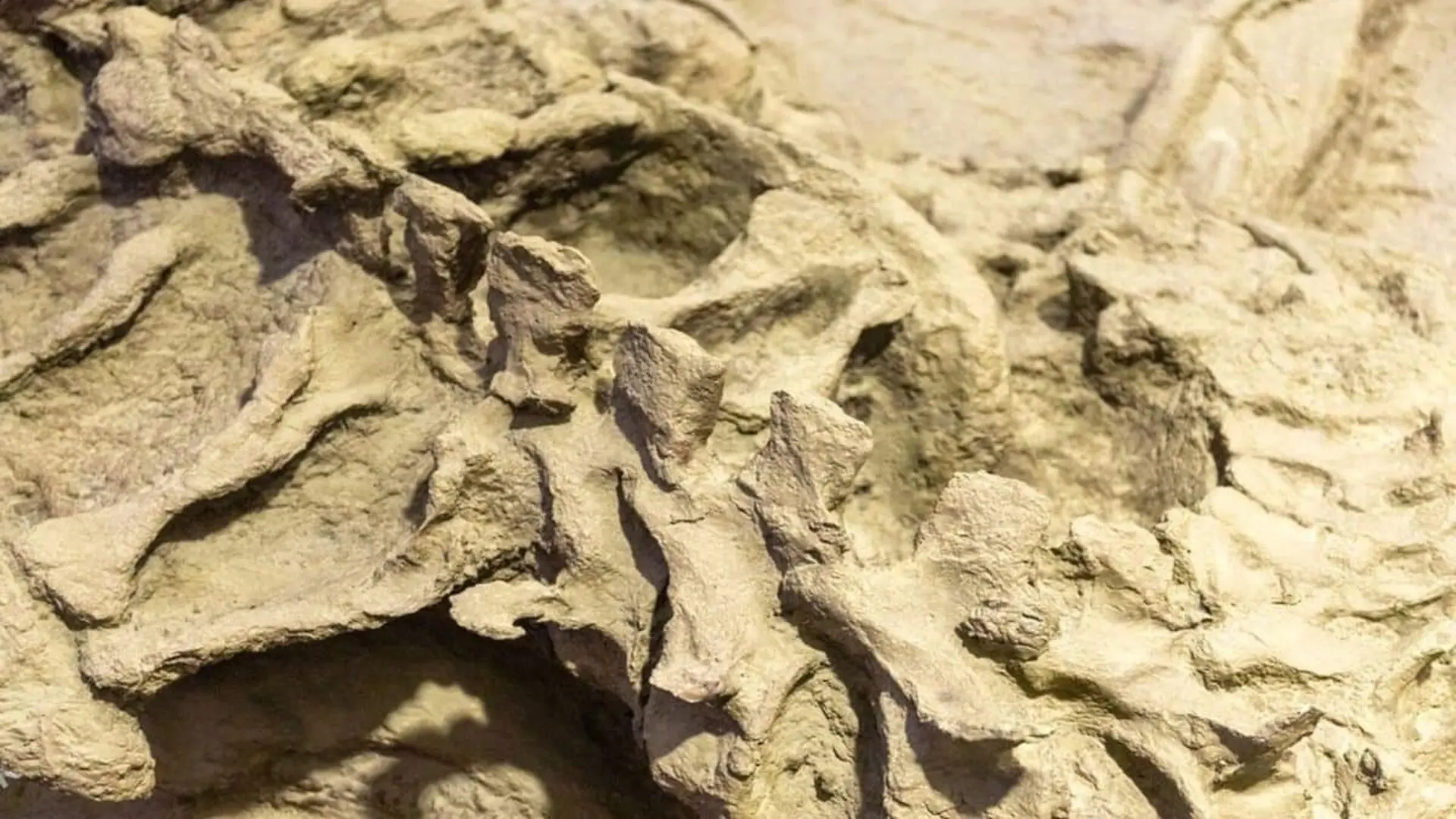
The discovery of a newly identified dinosaur species in Zimbabwe is fundamentally altering the scientific understanding of the prehistoric ecosystems that thrived in southern Africa roughly 210 million years ago. Named Musango matusadonaensis, this creature represents a distinct lineage that sets it apart from the well-documented dinosaur populations of neighboring South Africa, challenging the long-held assumption of a homogeneous faunal distribution across the region during the Late Triassic.
Anatomy of a New Species
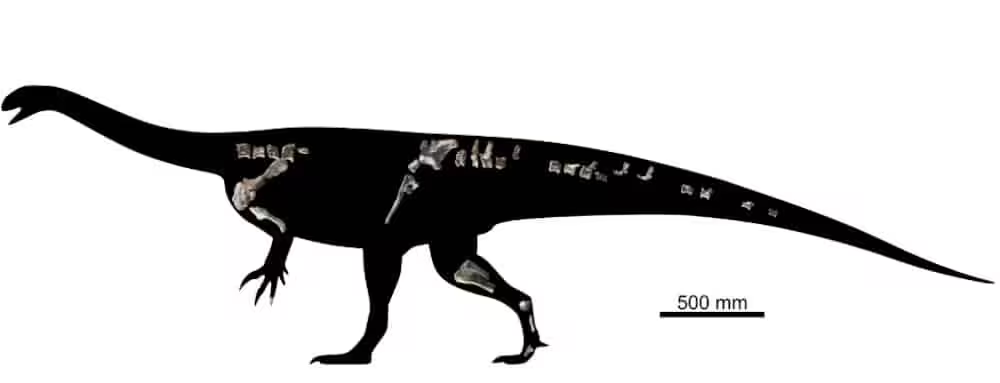
Musango matusadonaensis belongs to the sauropodomorph group, the evolutionary precursors to the colossal, long-necked titans like Diplodocus that would dominate later landscapes. Researchers uncovered an incomplete skeleton of the animal embedded in the banks of the Nyamasango River, near Musango Island, from which it draws its name.
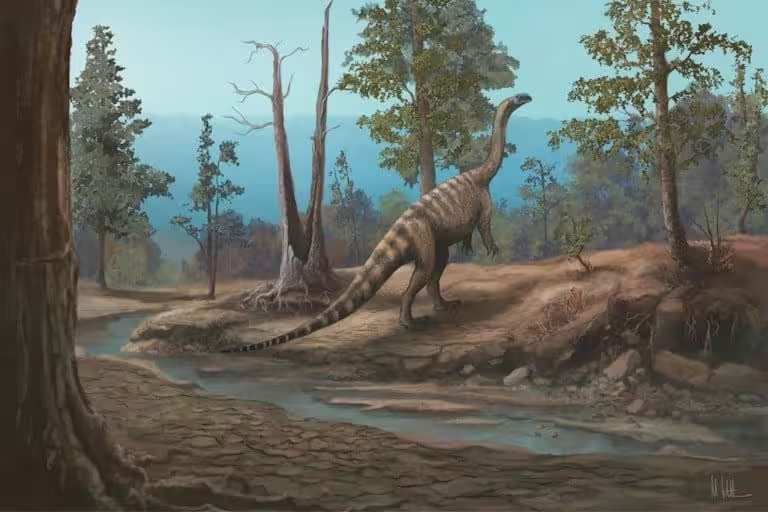
Analysis of the remains reveals a bipedal dinosaur that stood approximately 4.5 meters in length and tipped the scales at roughly 220 kilograms. Growth rings preserved within the bone structure indicate that the specimen was a subadult at the time of its death. While the skull was not recovered, preventing a precise determination of its diet, paleontologists suggest it was almost certainly a herbivore, given the characteristics of its closest relatives. The formal description of the species appears in The Journal of Systematic Palaeontology.
Exploration in the Matusadona Wilderness
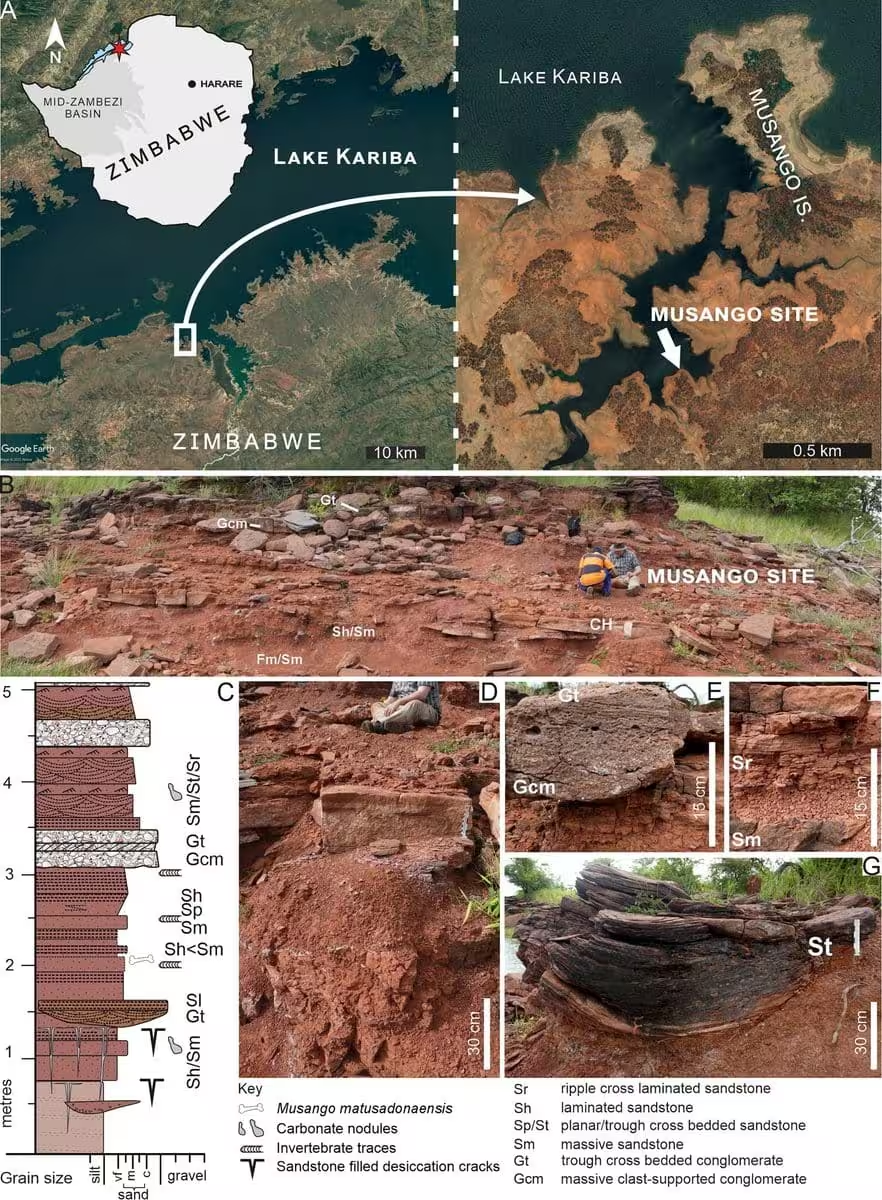
The path to this discovery was far from conventional. While dinosaur fossils have been documented in Zimbabwe since 1916, early research often categorized these finds as identical to species found in South Africa. Decades of limited activity followed, until a breakthrough occurred when local safari camp manager Steve Edwards identified rich, productive fossil sites along the shores of Lake Kariba.
Recognizing the significance of these finds, Jonah Choiniere of the University of the Witwatersrand organized an international team of researchers to conduct specialized excavations. Due to the remote nature of the Matusadona National Park, the team utilized a houseboat on Lake Kariba as a mobile base of operations and laboratory for expeditions in 2017 and 2018. The fossils were extracted from brick-red mudstones and sandstones, deposits that offer a window into an ancient, arid environment characterized by stands of conifers and lush vegetation along river corridors.
Challenging Biogeographical Assumptions
The discovery of Musango, along with the related Musankwa (described in 2024), provides clear evidence of a distinct regional fauna. Paul Barrett of the Natural History Museum, a collaborator on the study, notes that the expectation of finding South African counterparts in these strata proved incorrect. Beyond dinosaurs, the presence of specific lungfish and phytosaurs—creatures rarely encountered in the South African record—further emphasizes that these ecosystems were not as uniform as once assumed.
“Until recently, it was assumed that the dinosaurs living across southern Africa were largely the same,” Barrett stated. “It suggests that what we’ve found so far is only the tip of the iceberg.”
Researchers are now investigating whether latitudinal differences—specifically Zimbabwe’s more equatorial position during the Triassic—drove this biological separation. As the team continues to re-examine historical collections and plans further field expeditions to Kariba, they aim to refine the temporal and environmental data needed to understand how climate influenced the evolution of these unique southern African lineages.
This article has been fact checked for accuracy, with information verified against reputable sources. Learn more about us and our editorial process.
Last reviewed on .
Article history
- Latest version
Reference(s)
- Barrett, Paul M.., et al. “A new sauropodomorph dinosaur from the Pebbly Arkose Formation (Upper Triassic: Norian) of Kariba, Zimbabwe.” Journal of Systematic Palaeontology, vol. 24, no. 2, July 28, 2026 Informa UK Limited, doi: 10.1080/14772019.2026.2678610. <https://www.tandfonline.com/doi/full/10.1080/14772019.2026.2678610>.
Cite this page:
- Posted by Hassan Raza