Nearly 600 Ancient Imprints Reveal Neanderthals Were Sophisticated Woodworkers
A mysterious Neanderthal wooden artifact with a unique handle and head leaves experts baffled. Is it a tool, a weapon, or a rare prehistoric status symbol?
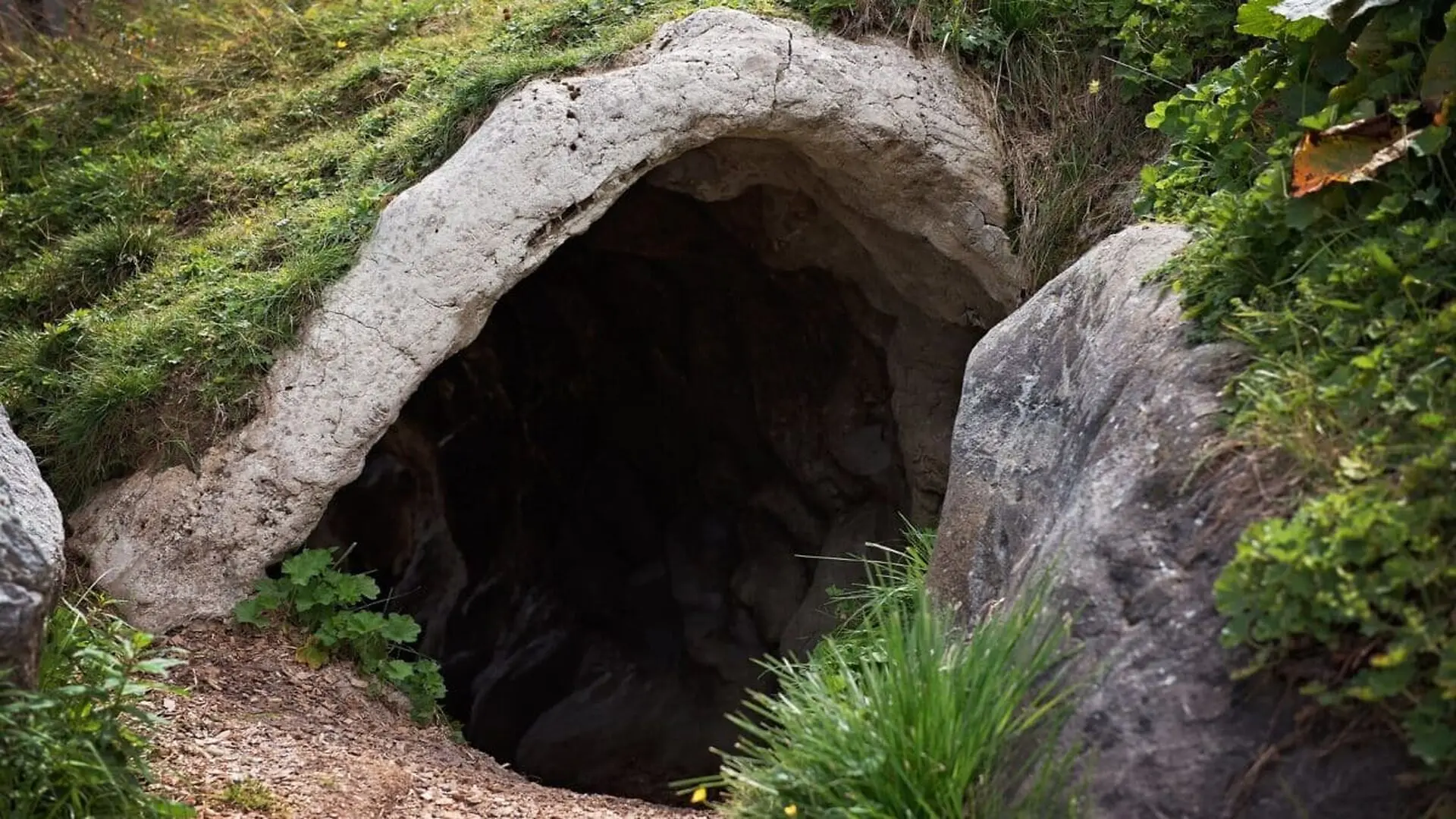
The archaeological narrative of the Stone Age has long been defined by the materials that survive the passage of millennia: chipped flint, carved bone, and durable rock. This bias has obscured a critical reality of human prehistory, suggesting that our ancestors relied primarily on stone. However, new evidence from the Abric Romaní site in Spain indicates that Neanderthals were as adept at sophisticated carpentry as they were at knapping, with wood serving as a cornerstone of their daily lives.
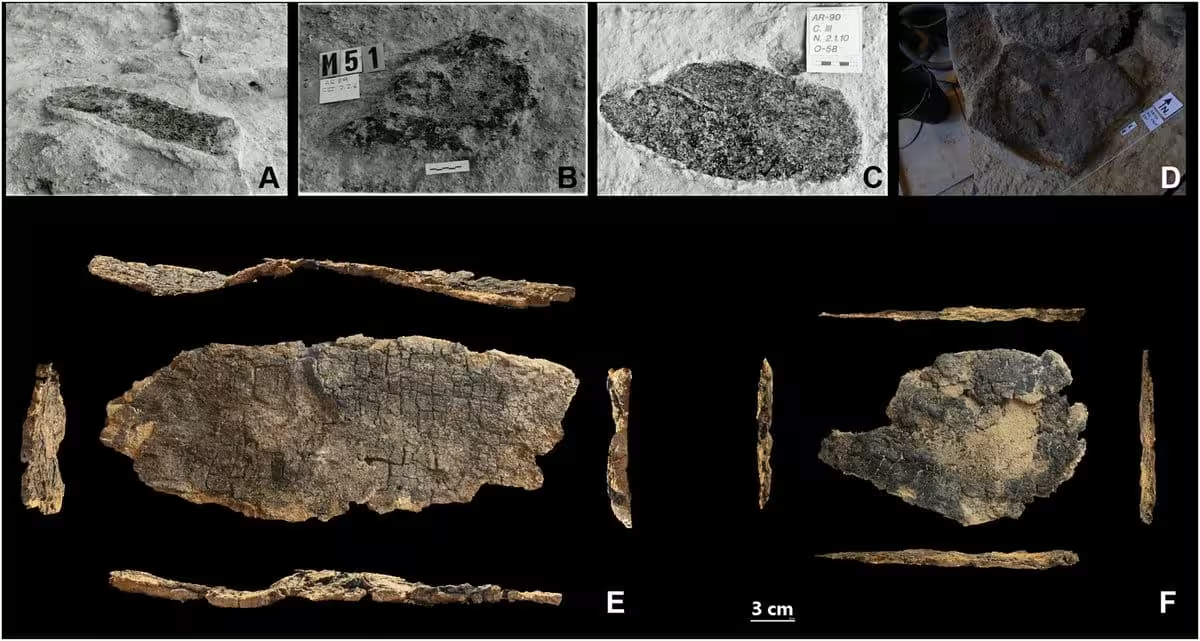
Because organic materials like wood typically decay long before they can be recovered, researchers are rarely afforded a glimpse into the perishable tools that likely made up the bulk of ancient technology. The discovery at Abric Romaní, detailed in a study published in Science Advances, changes this by documenting nearly 600 wooden items preserved as mineral casts.
Geological Preservation Reveals Lost Craftsmanship
At the Barcelona site, the unique geochemical environment allowed wooden objects left by Neanderthals to become encased in calcium carbonate. As the wood slowly decomposed over thousands of years, it left behind precise, detailed imprints within the mineral layers. By analyzing 597 of these impressions and remaining fragments, scientists have begun to reconstruct the complex toolkits utilized by these hominins between 62,000 and 40,000 years ago.
Dr. Palmira Saladié of the Catalan Institute of Human Paleoecology and Social Evolution notes that the site offers more than just isolated artifacts. The presence of hearths, stone tools, and butchered animal remains in conjunction with these wooden impressions allows for a reconstructed view of Neanderthal spatial organization, fire management, and resource utilization.
A Diverse Toolkit for Survival
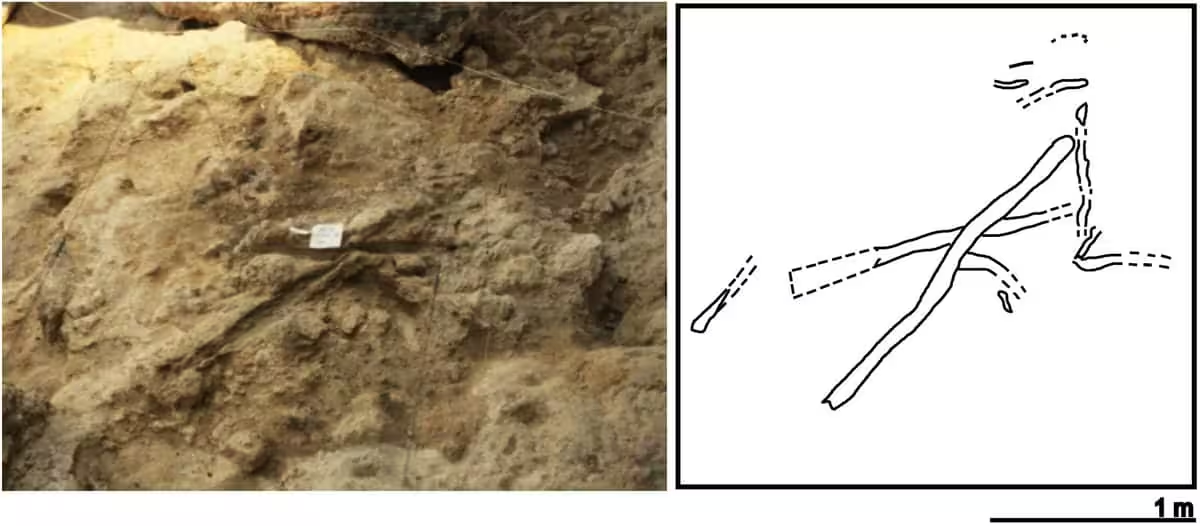
The team successfully identified 13 distinct categories of wooden technology, spanning everything from domestic utensils to weaponry and structural components. Scots pine was the primary material of choice for these ancient woodworkers. The recovered inventory includes hunting spears measuring up to 2.45 meters (8 feet) in length, as well as crossed poles that may have functioned as tripods for cooking or fire-side utility. The researchers also unearthed evidence of bark-based containers and trays, along with a massive 5.1-meter (16.7-foot) timber that likely served as a structural element in a living space.
A Mysterious Artifact
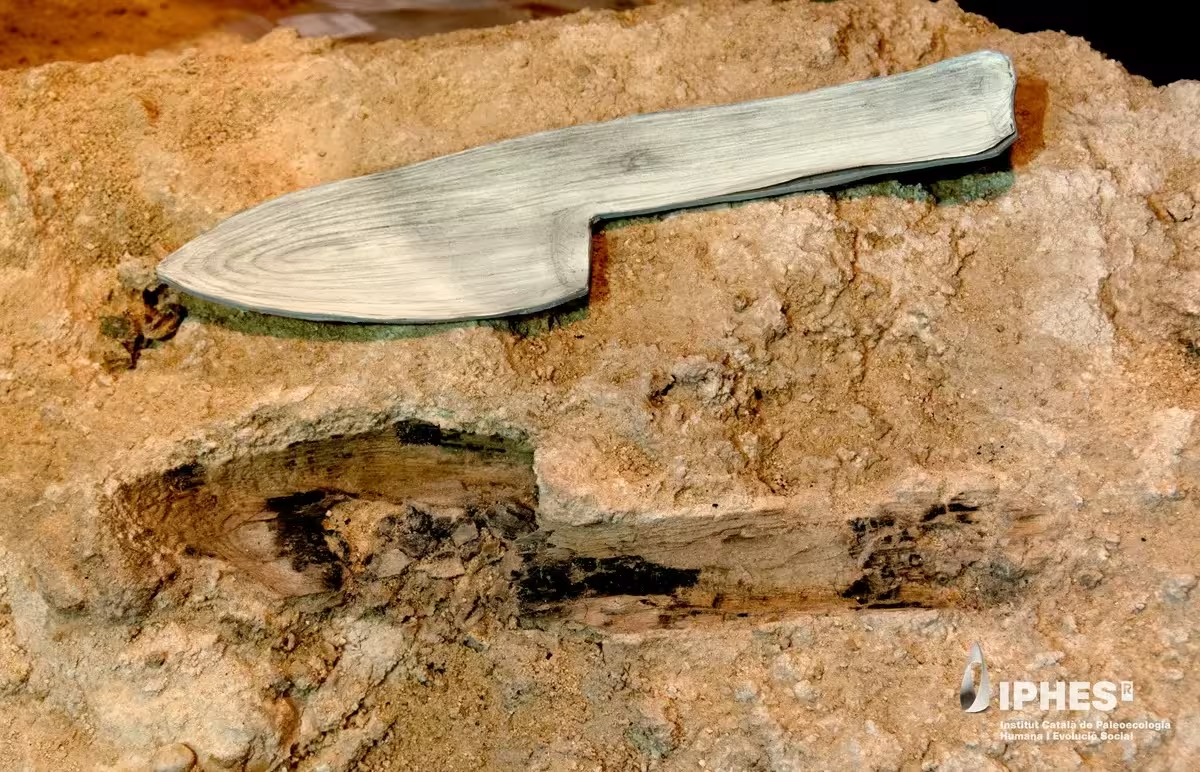
Perhaps the most intriguing find is a unique, club-like wooden implement featuring a distinct handle and an enlarged head—a design unlike anything previously recorded in the prehistoric archaeological record. Speaking to IFLScience, Saladié acknowledged the object’s ambiguous purpose.
“It could have been used as a hammer or striking tool, as a secondary weapon for hunting, or in interpersonal violence,” Saladié noted. “We could even consider a symbolic role, perhaps as an object indicating someone’s status within the group. These are possibilities, however, rather than uses we can demonstrate.”
The discovery at Abric Romaní underscores a level of technical versatility and adaptive problem-solving that researchers increasingly recognize as inherent to Neanderthal intelligence. By moving beyond the stone-focused lens of the past, archaeologists are finally gaining a more comprehensive understanding of the complex, perishable technologies that allowed these hominins to thrive across a changing landscape.
This article has been fact checked for accuracy, with information verified against reputable sources. Learn more about us and our editorial process.
Last reviewed on .
Article history
- Latest version
Cite this page:
- Posted by Hassan Raza