Clams Have Hidden Teeth Inside Their Shells And It Is Not For Eating
Clams are known for their protective shells, but scientists have discovered a hidden, intricate detail within them that most people never notice.
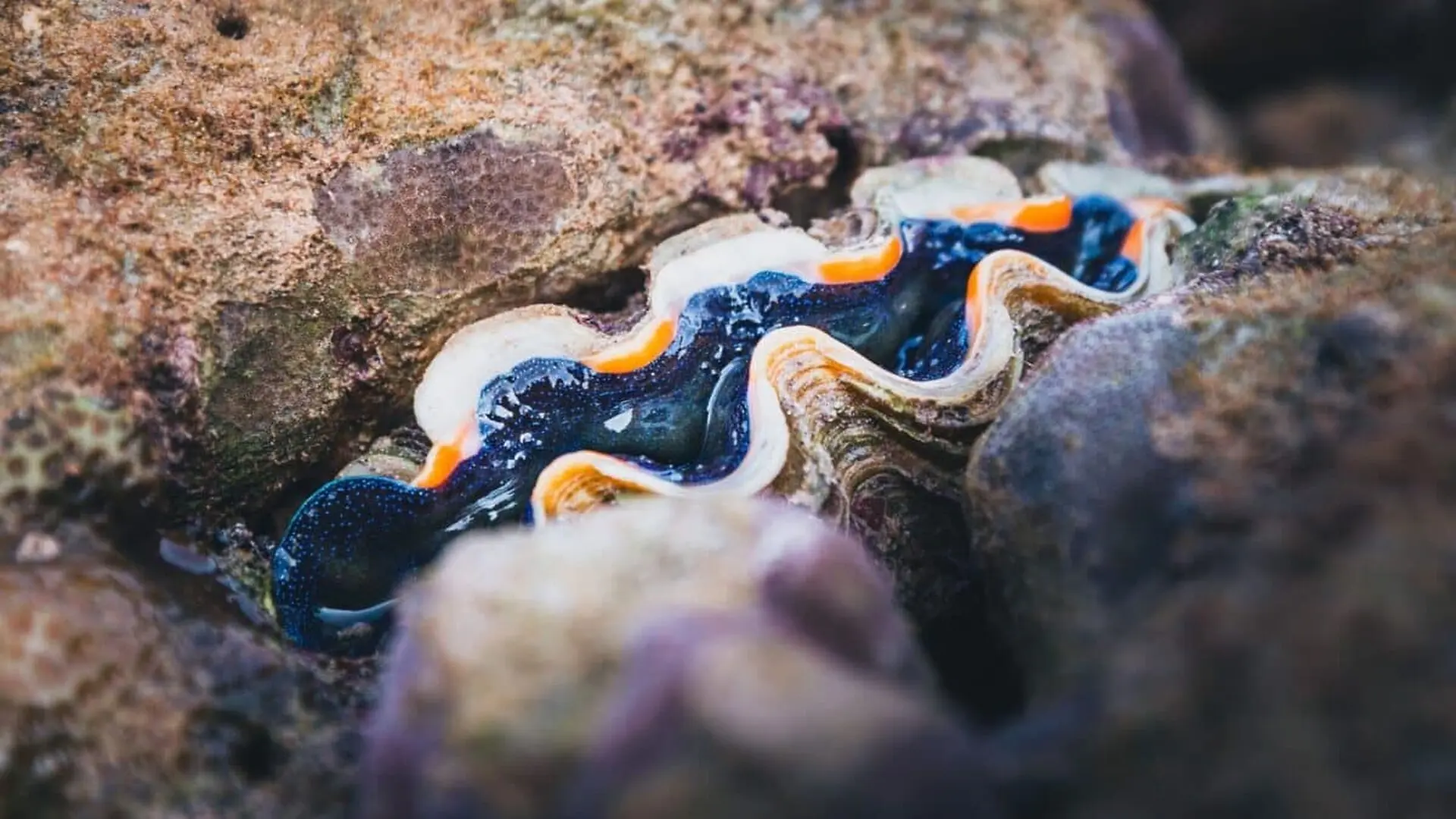
While clams are not known for their biting power, they do possess an array of tooth-like structures hidden within their shells. These features, formally referred to as hinge teeth, have nothing to do with digestion or feeding; instead, they serve as a critical mechanical alignment system that keeps the bivalve’s two shell halves properly positioned during daily operation.
Engineering Precision Behind the Shell
For a clam, the ability to open and close its valves is a constant requirement. Species like the giant clam, for instance, must frequently open their shells to allow internal symbiotic algae to photosynthesize, yet they must be prepared to snap shut instantly when a threat is detected. Hinge teeth act much like a biological zipper, ensuring the valves meet perfectly every time they close.
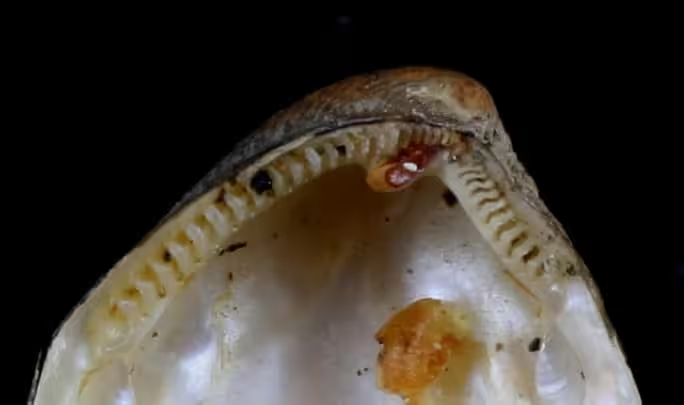
Despite the name, these structures bear no resemblance to the teeth found in vertebrate mouths. They lack enamel and serve no role in food processing. Composed of the same calcium carbonate that builds the rest of the shell, these projections work alongside a resilient ligament to guide the movement of the valves. As noted by IFLScience, this specialized dentition prevents the shells from shifting out of alignment, which could compromise the animal’s security or function.
Biological Markers for Classification
Beyond their utility in movement, these structures are invaluable to malacologists and taxonomists. Because the size, shape, and overall arrangement of hinge teeth vary significantly between species, they serve as a diagnostic tool for researchers trying to classify bivalve populations. The presence or absence of these features, combined with their specific configuration, provides a structural roadmap that helps scientists distinguish between closely related groups.
Nature’s Diverse Tooth-Like Adaptations
The clam’s internal hinges represent just one instance where evolution has produced features that mimic the appearance of teeth to serve entirely unrelated purposes. For instance, geese possess serrated edges on their beaks known as tomia. Unlike true teeth, these are cartilaginous structures that assist the birds in gripping vegetation and managing food intake.
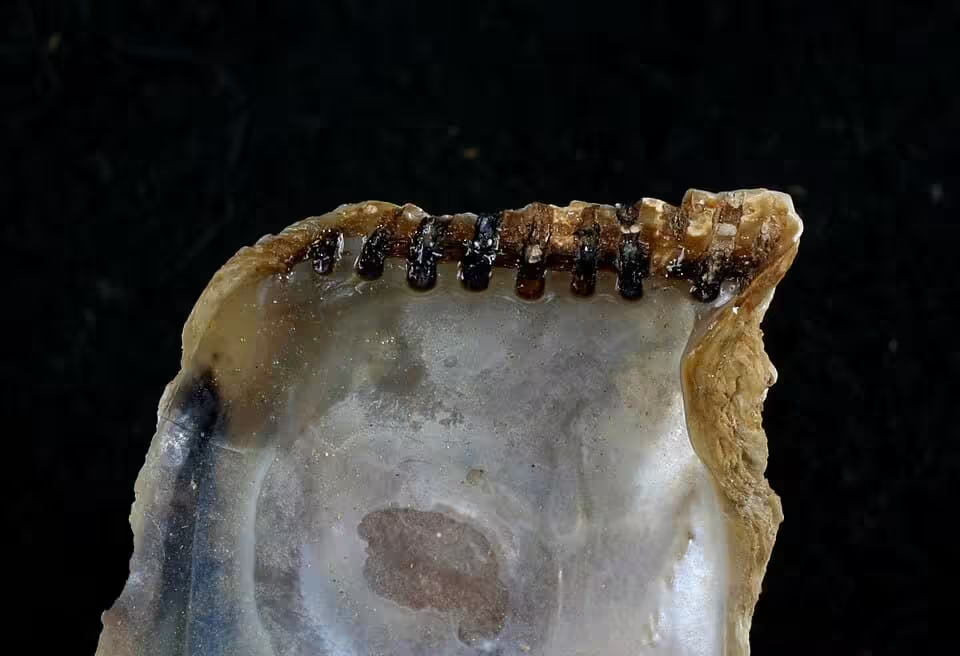
Sometimes, nature creates appearances that are purely accidental. A curious oyster specimen held in the Smithsonian collections provides a bizarre example of this. Collected in 1898, the oyster grew around a set of discarded human dentures, creating a peculiar artifact that appears to show the bivalve sporting a full set of teeth. While such oddities are rare, they underscore the fascination with structures that blur the line between biological necessity and deceptive form.
This article has been fact checked for accuracy, with information verified against reputable sources. Learn more about us and our editorial process.
Last reviewed on .
Article history
- Latest version
Cite this page:
- Posted by Hassan Raza