Scientists Finally Identify Japan’s First Armored Dinosaur Hidden in a Fossil for 20 Years
Advanced imaging has finally identified a 20-year-old mystery fossil, revealing new insights into how armored prehistoric creatures dominated the ancient world.
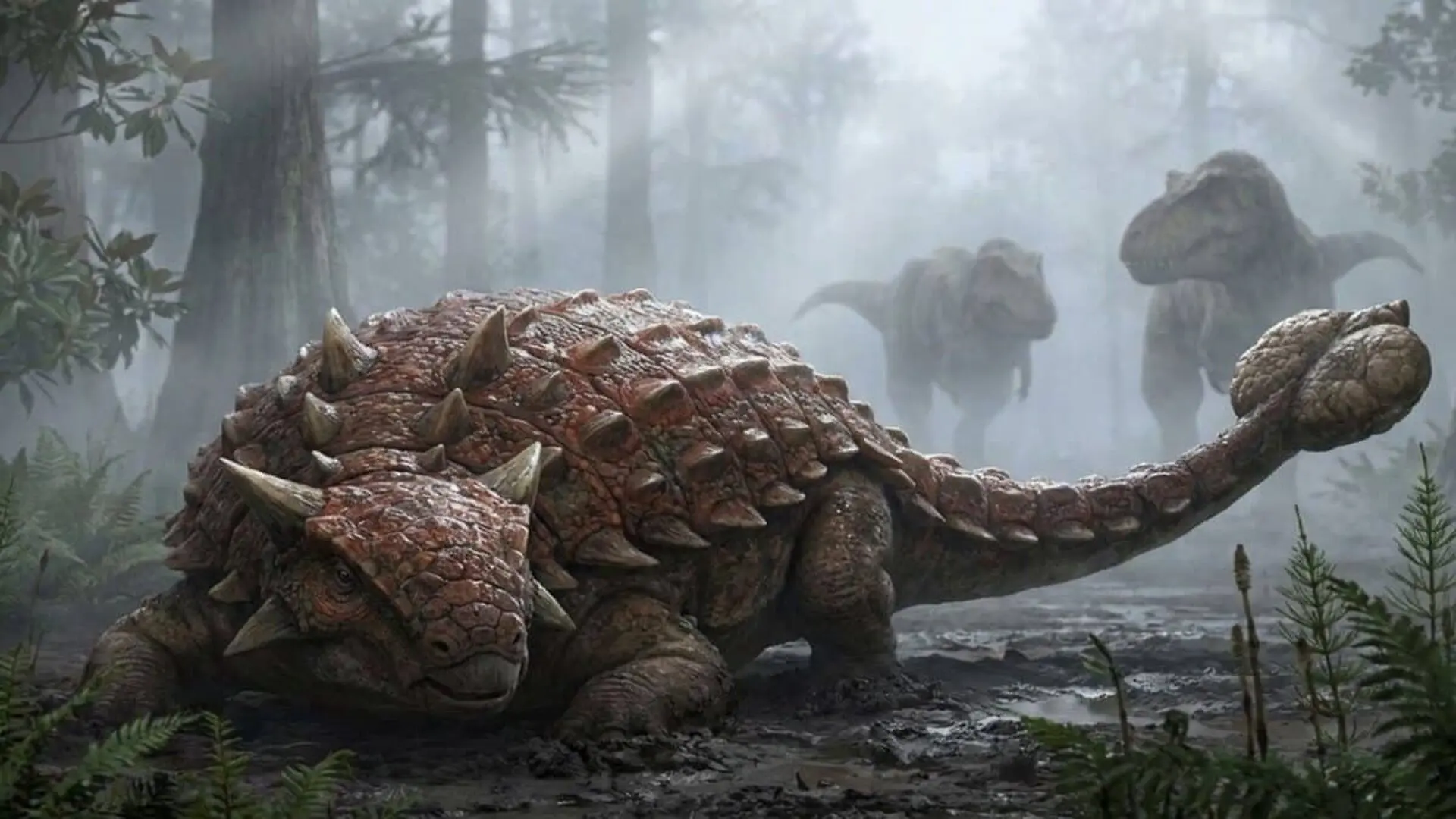
Paleontologists have officially identified a new genus and species of armored dinosaur based on cranial remains recovered from Japan’s Hokkaido island. The discovery, named Nipponopelta yezoensis, dates back to between 96 and 94 million years ago and marks the first time an ankylosaur has been formally documented in Japan.
This finding offers a significant contribution to our understanding of the ankylosaur evolutionary lineage. These heavily armored, herbivorous dinosaurs are typically categorized into two primary groups: the nodosaurids and the ankylosaurids. While both lineages are well-represented in the fossil records of North America and Europe, nodosaurids are notably scarce in Asia, and most known specimens are identified through postcranial skeletal remains rather than skulls.
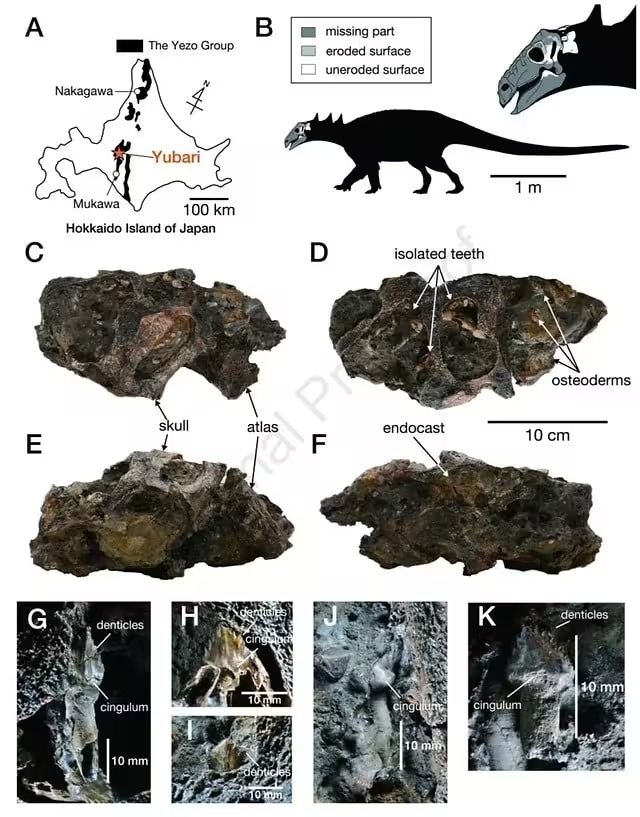
Nipponopelta yezoensis provides a rare exception, as it is only the second Asian nodosaurid identified from cranial material. This specimen, which includes a partial skull, a neck vertebra, and several teeth, was originally excavated from a concretion in the Hikagenosawa Formation near Yubari city. For over two decades, its exact taxonomic classification remained a mystery.
Advanced Imaging Reveals Hidden Anatomy
The fossils spent years in storage because much of the internal skull structure remained obscured from view. A research team led by Hokkaido University paleontologist Shumpei Oyabu eventually resolved this by utilizing three-dimensional CT scanning. This technology allowed the team to perform a digital reconstruction of anatomical features that were previously impossible to study.
The scans successfully identified critical features, including remnants of the lower jaw, two well-preserved teeth, and the structure of the left inner ear. These findings, combined with unique characteristics at the rear of the skull, confirmed that the specimen represents a distinct new genus and species.
Global Evolutionary Links
The phylogenetic placement of Nipponopelta yezoensis proved unexpected. Instead of grouping with other known Asian nodosaurids, the analysis suggests this dinosaur is more closely related to a cluster of derived nodosaurids found in North America and Europe, including Pawpawsaurus, Panoplosaurus, Edmontonia, and Denversaurus.
To interpret these evolutionary connections, the research team modeled the migratory history of the species. According to the study, “Ancestral geographic analysis suggests that Nipponopelta yezoensis and its close relatives originated in Laramidia, Appalachia, and Asia, indicating a wide ancestral area.”
Coastal Habitat Preferences
The research also sheds light on the ecological preferences of the nodosaurids. Evidence indicates that these dinosaurs frequently inhabited marine-influenced environments, such as coastal or estuarine zones, which explains why they are often found in marine geological deposits. Experts hypothesize that ankylosaurs may have initially emerged in these coastal regions before select lineages ventured inland.
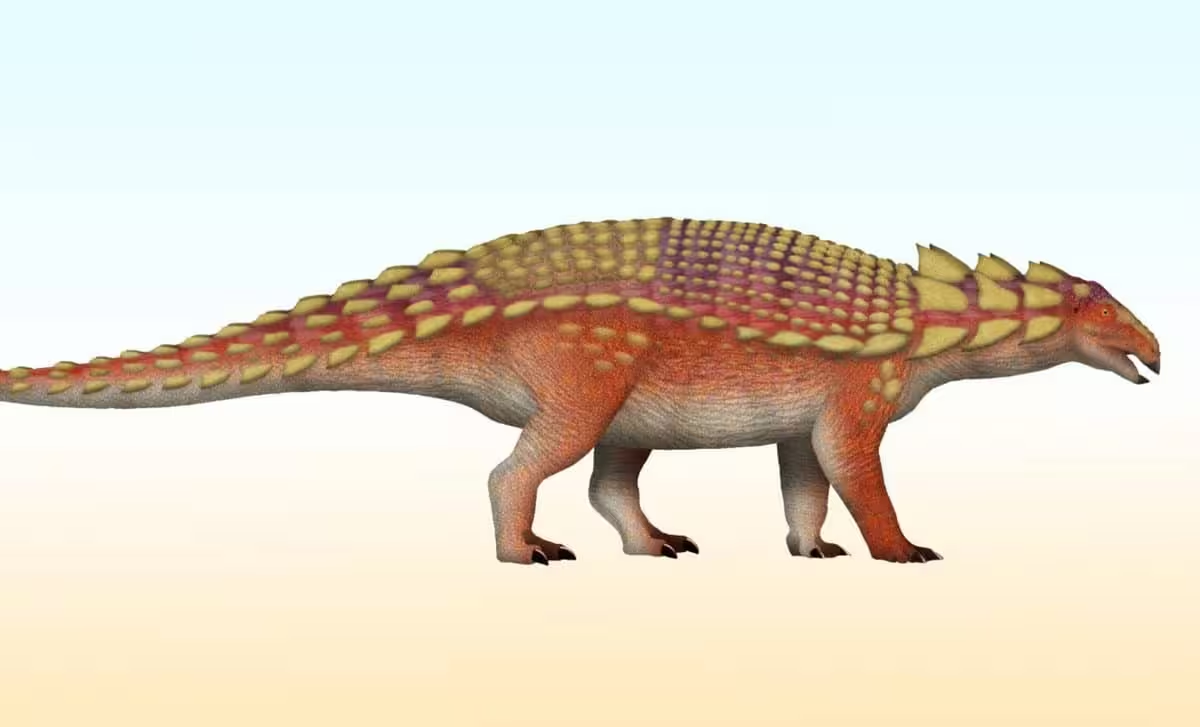
The persistence of this coastal lifestyle among nodosaurids, including Nipponopelta yezoensis, suggests that environmental adaptations played a critical role in the geographic distribution of these dinosaurs during the Cretaceous period.
This article has been fact checked for accuracy, with information verified against reputable sources. Learn more about us and our editorial process.
Last reviewed on .
Article history
- Latest version
Cite this page:
- Posted by Hassan Raza