Entomologist Claims NASA Mars Rover Photos Show Evidence of Insects and Reptilian Predators
New NASA Mars imagery provides a scientific explanation for mysterious rock formations previously linked to sensationalist claims of extraterrestrial life.
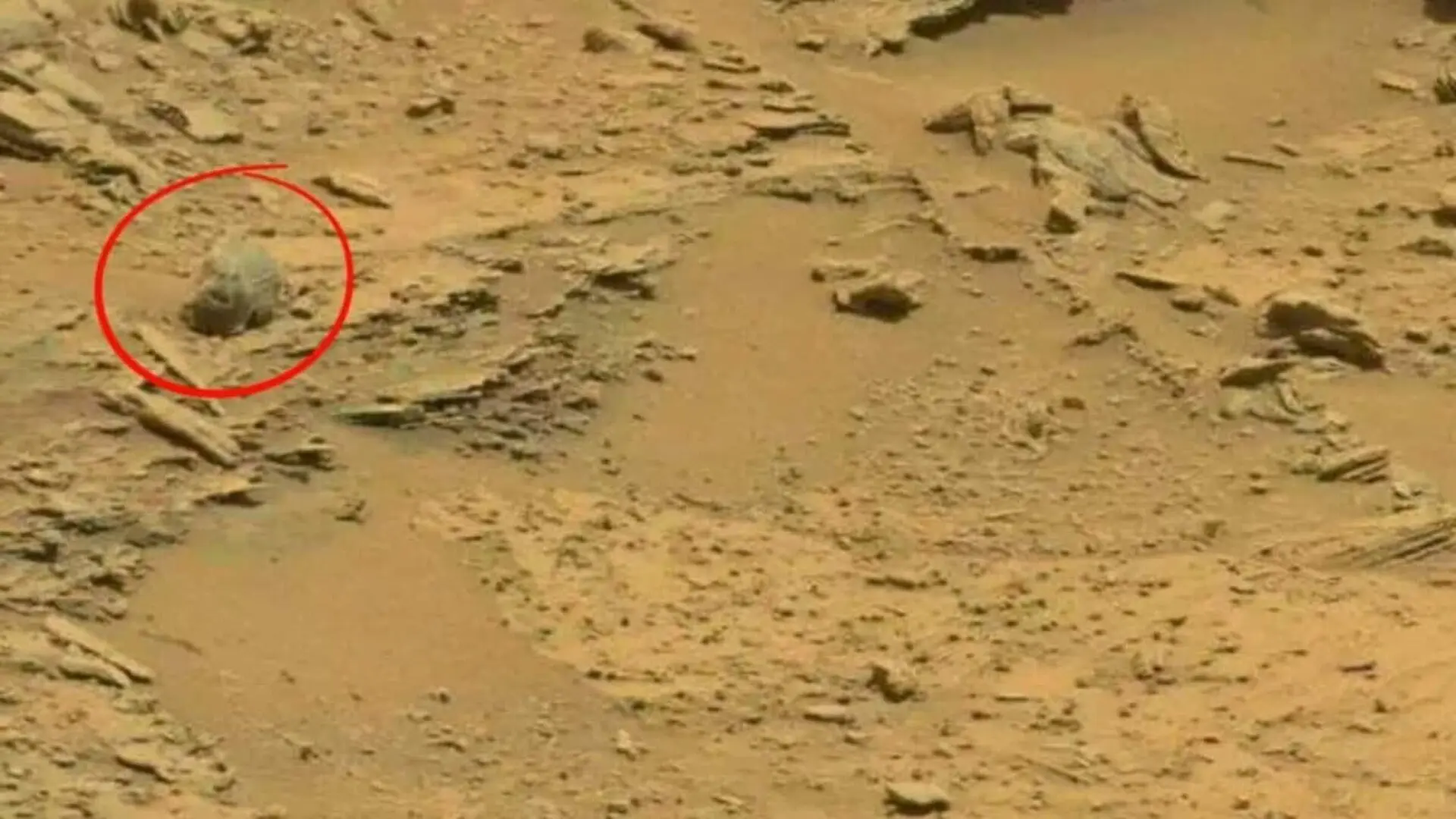
A retired professor of entomology has proposed a controversial hypothesis, suggesting that high-resolution imagery captured by NASA’s Mars rovers reveals evidence of complex life on the Red Planet. Dr. William Romoser, an emeritus professor at Ohio University, presented his findings at the 2019 Entomological Society of America conference, claiming that photographs from the Curiosity rover depict structures resembling insects and reptilian predators.
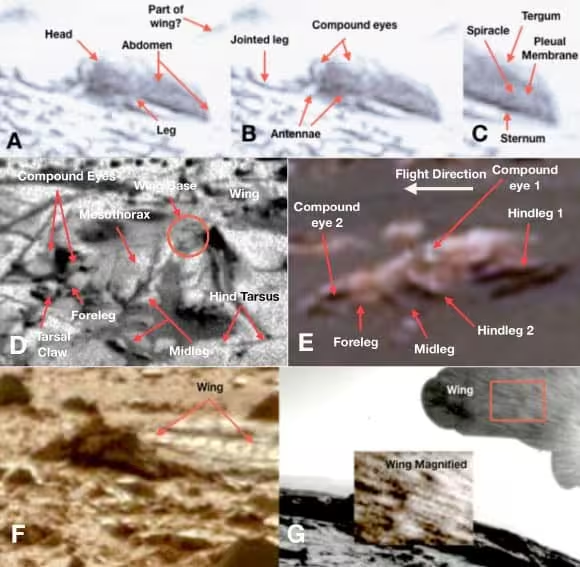
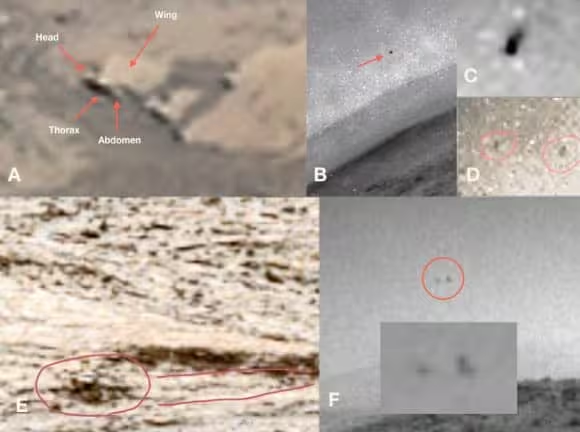
Romoser’s analysis relied on a systematic review of publicly available archival images taken over several years. By adjusting image parameters such as contrast, brightness, and saturation, and occasionally using inversion techniques, he identified recurring patterns that he argues are biological in nature. His criteria for potential life included anatomical symmetry, distinct body segmentation—specifically patterns consistent with heads, thoraxes, and abdomens—and evidence of appendages like wings and legs.
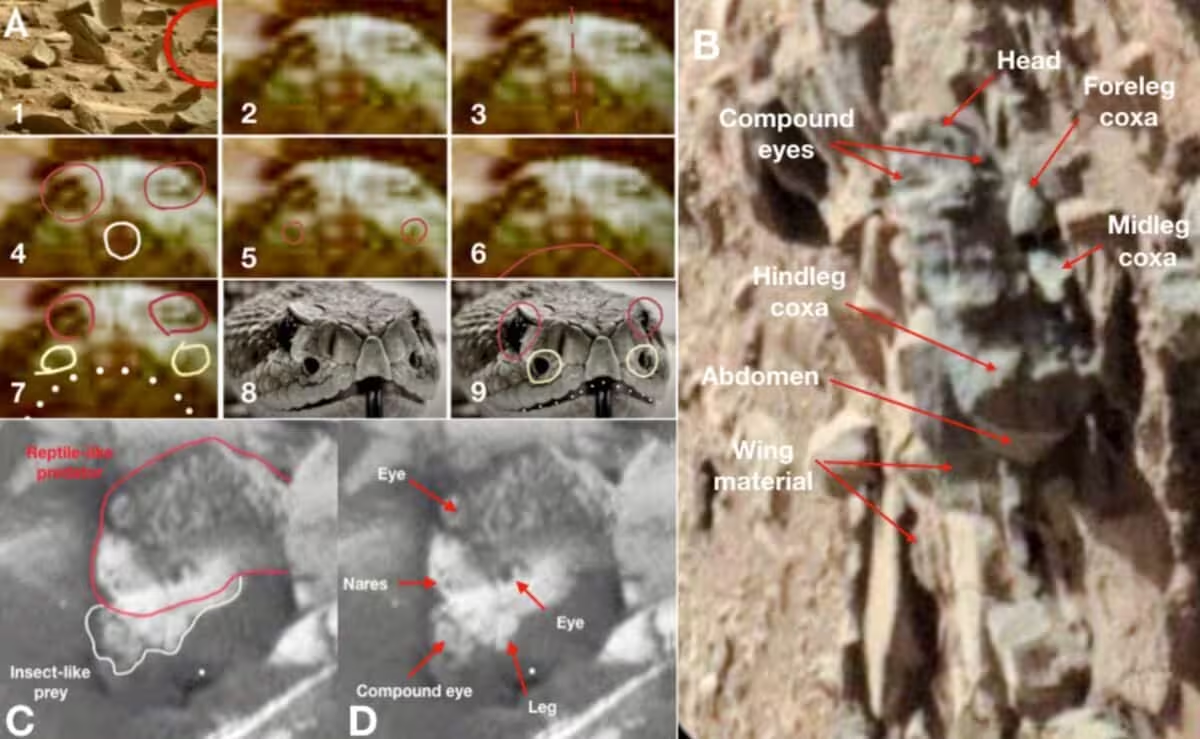
Among the forms identified were what Romoser described as bee-like organisms and creatures appearing to be in mid-flight. In his written report, he noted that some objects measured up to twenty inches in length. He further highlighted images containing what he interpreted as fossilized remains alongside potential living organisms, emphasizing that these shapes demonstrated clear anatomical features like wing veins and compound eyes.
The scope of the investigation extended beyond small arthropods. Romoser also pointed to features he categorized as reptile-like, drawing comparisons between Martian debris and the anatomy of Earth-based snakes. He even suggested that certain images depicted instances of predation, where larger reptile-like forms appeared to be consuming insect-like prey. Despite the specificity of his claims, Romoser acknowledges that these interpretations remain speculative and require further objective scrutiny.
Scientific Context and Mission Objectives
The data utilized by Romoser comes from NASA’s Curiosity rover, which has been exploring Gale Crater since its landing in 2012. NASA’s stated mission for the rover is to investigate the planet’s geological and climatic history, specifically focusing on whether the environment could have supported microbial life in the distant past. Equipped with an array of seventeen cameras and sophisticated sampling tools, Curiosity has successfully confirmed the presence of organic molecules in rock samples, such as decane and dodecane.
While NASA’s reports focus on abiotic and microscopic evidence of past habitability, the existence of macro-biological life remains entirely unsupported by the agency’s official mission findings. The detection of long-chain organic molecules is significant for planetary science, as it indicates the presence of the building blocks for life, though these can also be produced through non-biological chemical processes.
This article has been fact checked for accuracy, with information verified against reputable sources. Learn more about us and our editorial process.
Last reviewed on .
Article history
- Latest version
Reference(s)
- Cermak, Alicia. “Mars Science Laboratory: Curiosity Rover - NASA Science.”, December 1, 2017 NASA <https://science.nasa.gov/mission/msl-curiosity/>.
- <https://www.researchgate.net/publication/337155924_Does_InsectArthropod_Biodiversity_Extend_Beyond_Earth>.
Cite this page:
- Posted by Hassan Raza