Archaeologists Reveal Why A Wealthy 17th Century Woman Was Buried With A Sickle And Padlock
Archaeologists in Poland have discovered the remains of a young woman buried with a padlock on her toe, a ritual designed to prevent a vampire’s return.
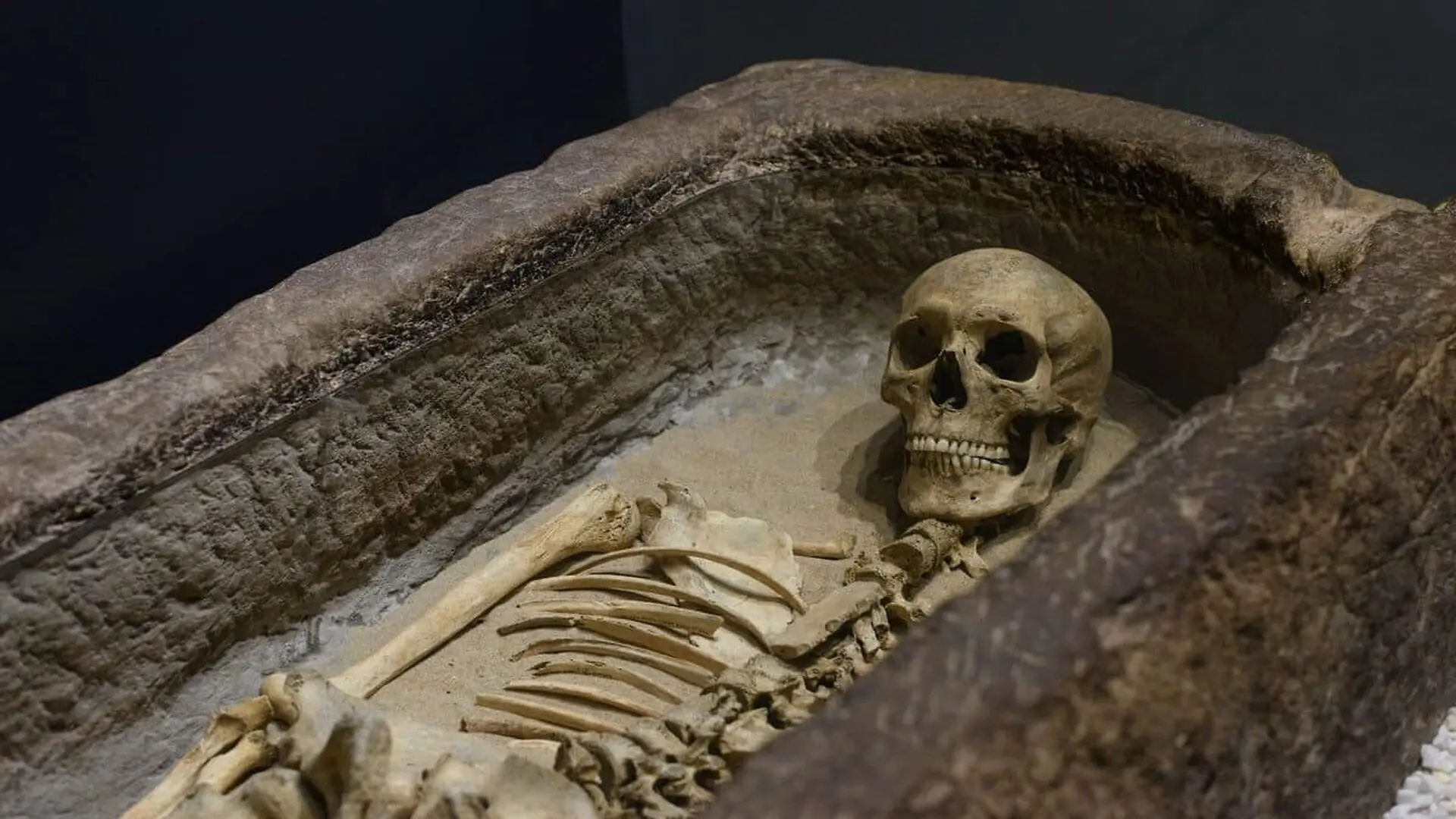
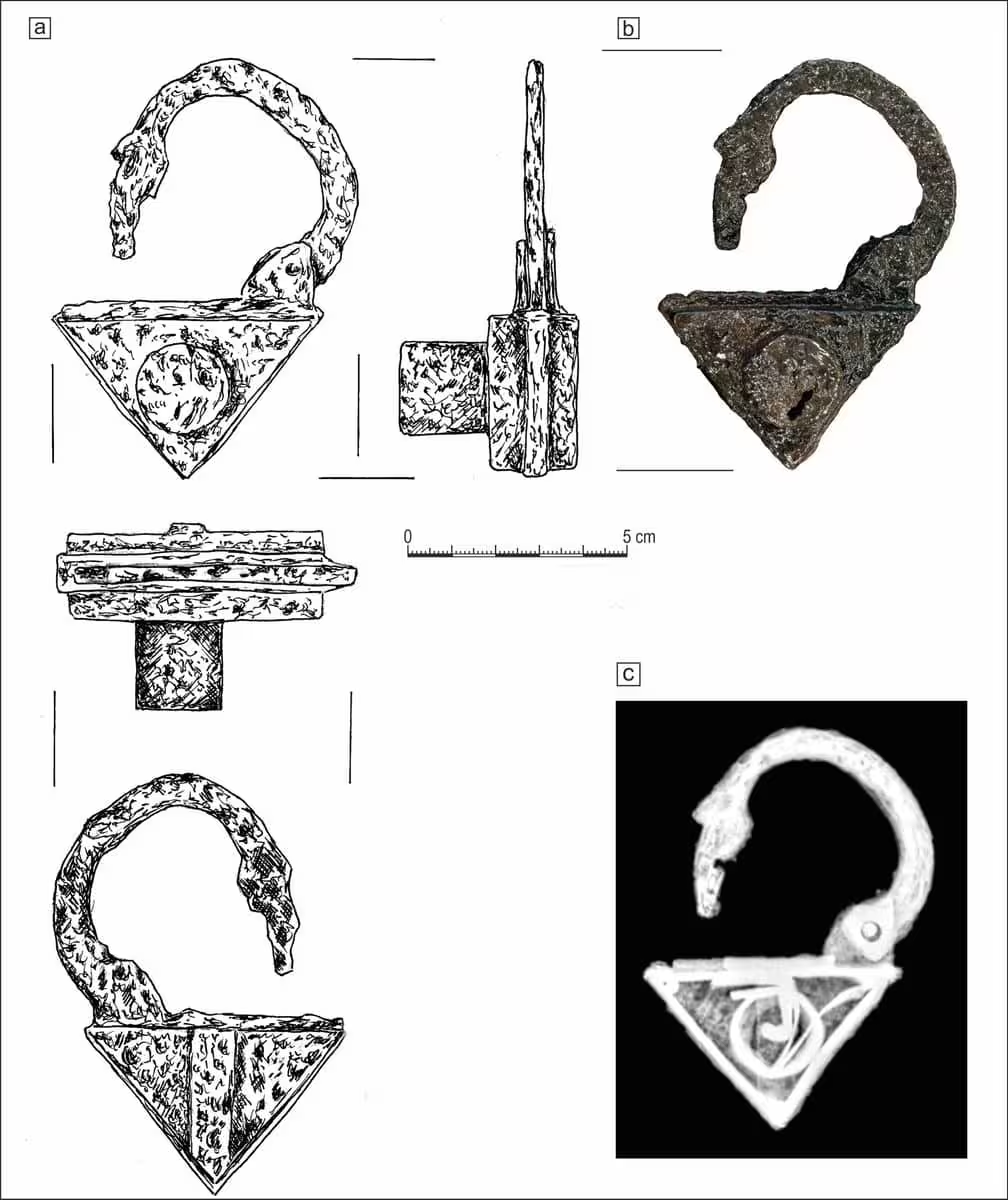
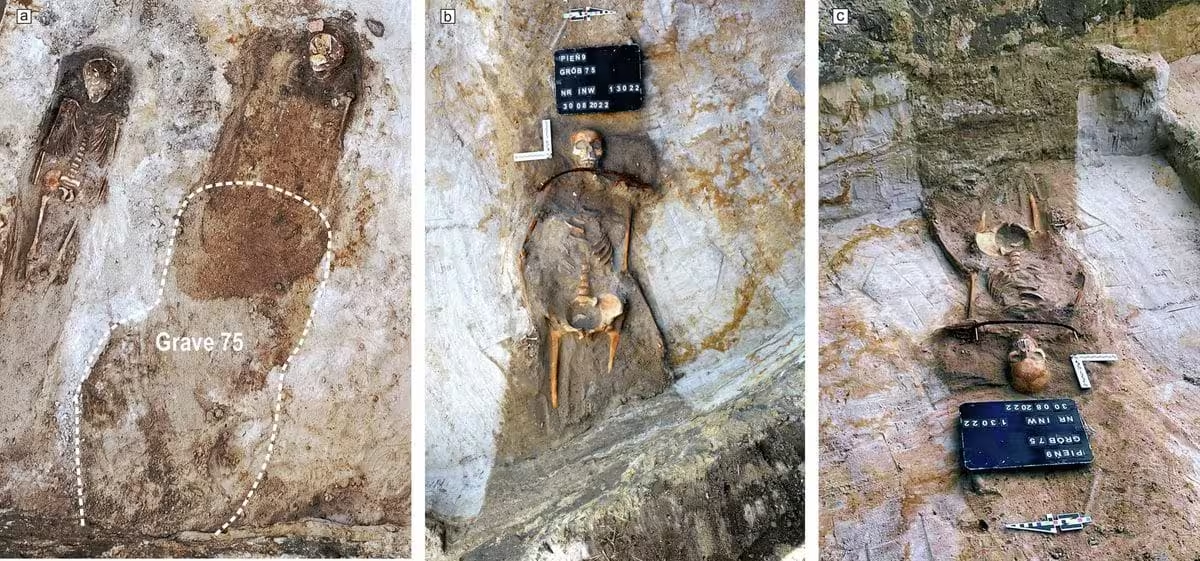
Archaeologists excavating a 17th-century site in Pień, Poland, have unearthed a burial that highlights the deep-seated anxieties of the era. The remains, identified as Grave 75, belonged to a young woman between the ages of 17 and 19. Her final resting place was deliberately modified to include a curved iron sickle placed across her throat and a heavy iron padlock fixed to her left big toe—precautions that researchers believe were intended to prevent the deceased from rising from the grave.
The discovery, detailed in a study published in the Journal of Archaeological Science: Reports, provides a window into the intersection of folklore and reality in the 17th-century Polish-Lithuanian Commonwealth. By employing a combination of radiocarbon dating, DNA testing, and isotopic analysis, a team from Nicolaus Copernicus University has begun to piece together the identity and final moments of this mysterious individual.
Defensive Rituals Against the Restless Dead
The burial site shows clear evidence of post-mortem disturbance. Soil analysis indicates that the grave was reopened shortly after the woman’s initial interment, likely before the soft tissues had fully decomposed. It was during this second intervention that the sickle was positioned with its blade aimed at her neck, a common anti-vampiric tactic meant to decapitate or incapacitate the deceased should they attempt to exit the grave.
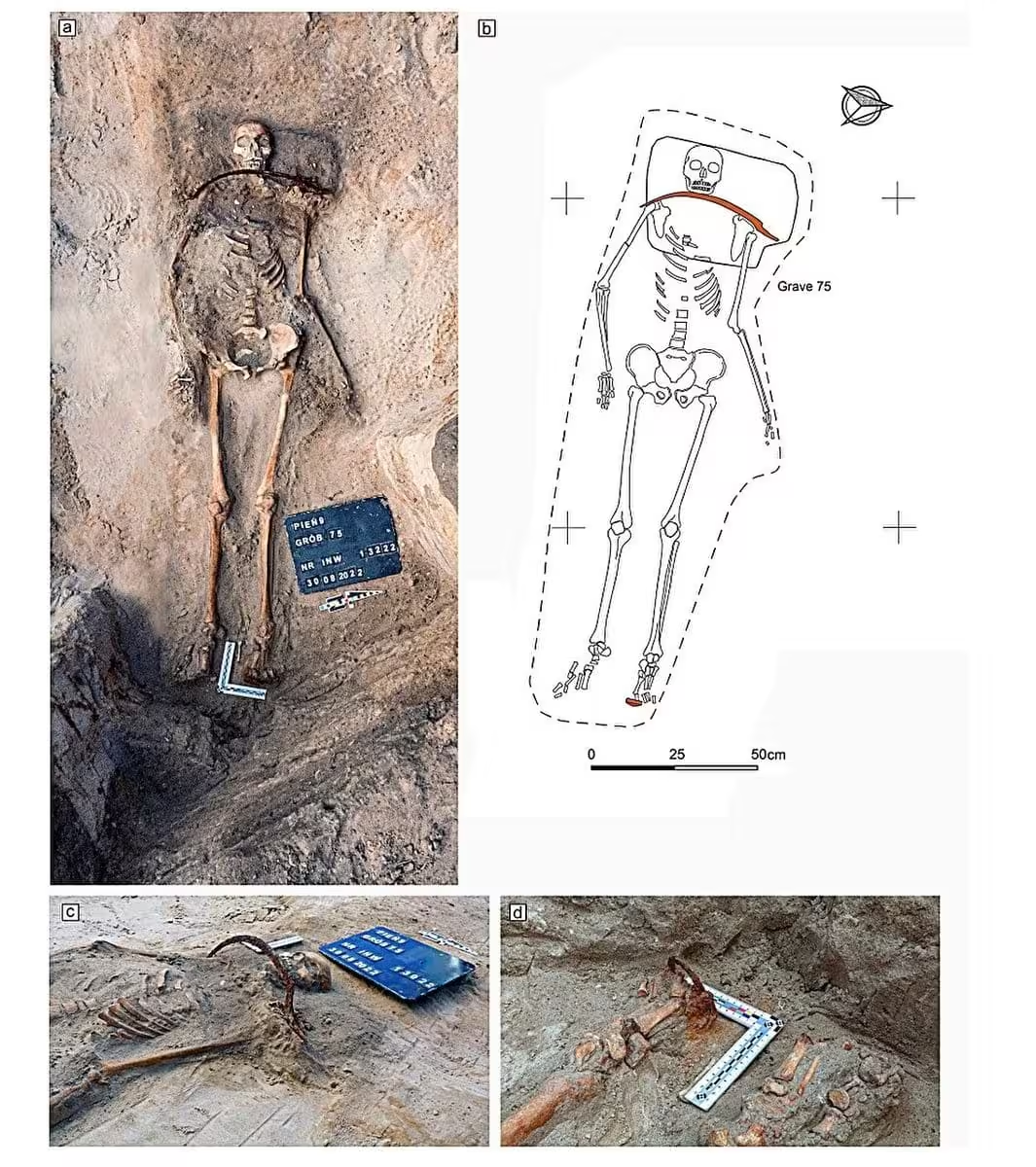
The use of iron, particularly in the form of a padlock, was also considered a potent ward against malevolent spirits. The sickle handle, crafted from birch wood, may have carried additional symbolic significance, as birch was frequently linked to protective magical traditions in local folklore.
Wealth, Genetic Mystery, and Social Exclusion
Despite the macabre precautions taken at her burial, the woman appears to have occupied a high social standing during her life. Excavators found remnants of a luxury silk head covering adorned with pure silver and gold-gilded threads near her skull, suggesting she belonged to a family of significant wealth.
Her biological profile presents a complex narrative. Isotopic testing confirms she grew up locally, yet DNA analysis reveals a rare maternal lineage, haplogroup J1c2c1, which is typically associated with Scandinavian populations and is nearly nonexistent in modern Slavic groups. Furthermore, chemical analysis of her skeletal remains indicates she endured nutritional stress during her short life, showing signs of limited access to animal-based proteins.
The cemetery itself remains an anomaly. Situated away from traditional village burial grounds and lacking any Christian iconography or crosses, the site may have served a community that operated on the periphery of local social or religious norms. Given the era’s climate of persistent famine and disease, the researchers posit that such elaborate burial rituals were a desperate response to perceived supernatural threats when natural catastrophes lacked explanation.
This article has been fact checked for accuracy, with information verified against reputable sources. Learn more about us and our editorial process.
Last reviewed on .
Article history
- Latest version
Reference(s)
- Poliński, Dariusz., et al. “A unique, non-normative burial of a young adult female from a 17th-century cemetery in Pień, north-central Poland. A multidisciplinary approach.” Journal of Archaeological Science: Reports, vol. 74, October 1, 2026, pp. 105967 Elsevier BV, doi: 10.1016/j.jasrep.2026.105967. <https://www.sciencedirect.com/science/article/pii/S2352409X26004025?via%3Dihub>.
Cite this page:
- Posted by Hassan Raza