Archaeologists Discover Perfectly Preserved Stone Age Home Sealed for 17,000 Years
Archaeologists have unearthed over 4,600 artifacts in a unique European cave, promising a discovery unlike anything else seen from this ancient period.
An Untouched Time Capsule from the Ice Age
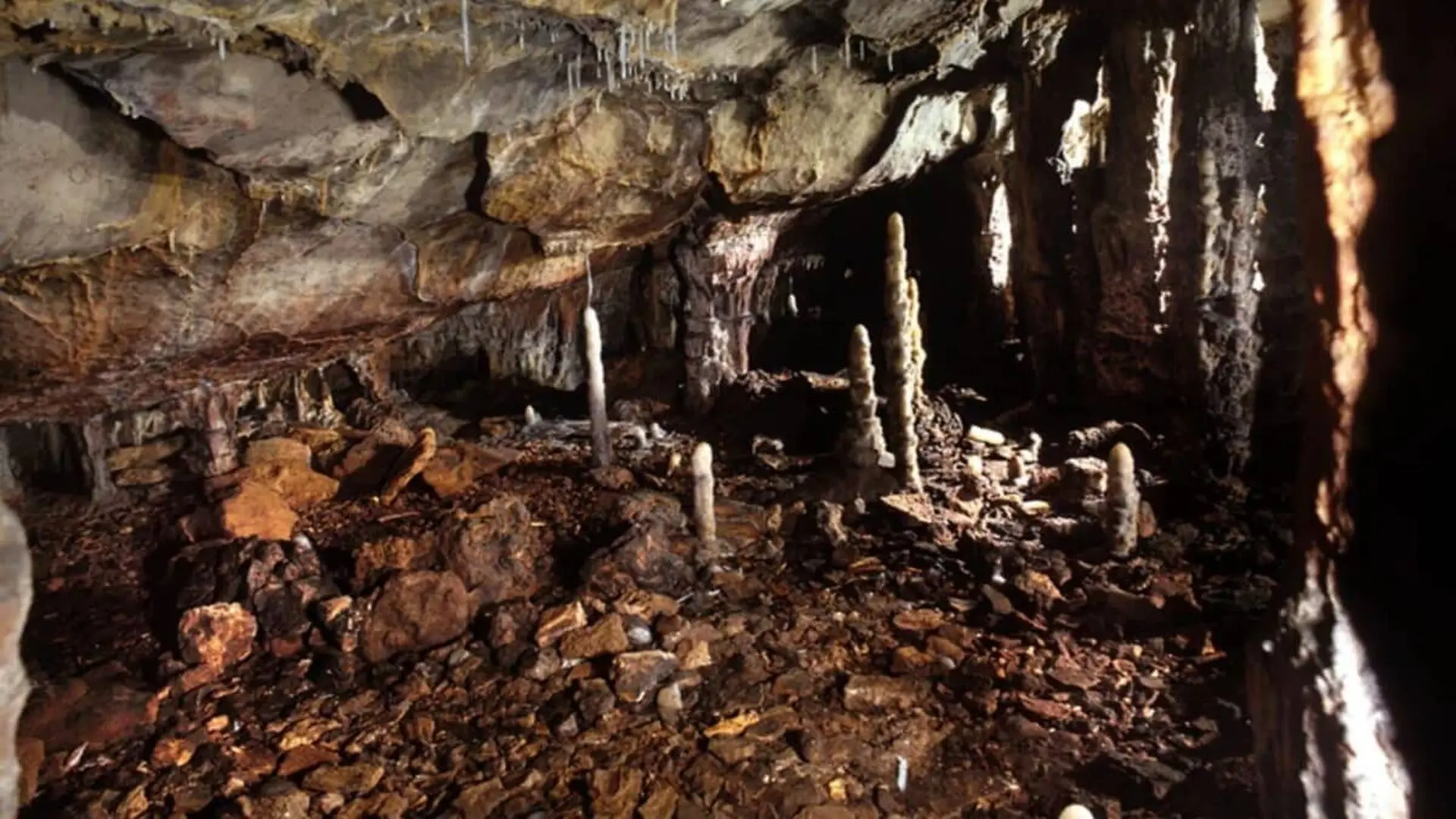
A geological event roughly 17,000 years ago inadvertently created one of the most pristine archaeological snapshots of human history. When a massive landslide sealed the entrance to a cave in Cantabria, northern Spain, it effectively froze a Magdalenian-era dwelling in time, shielding it from the erosion and interference that usually claim ancient sites. Today, archaeologists regard this hidden chamber, known as La Garma, as a world-class example of a preserved Paleolithic living space.
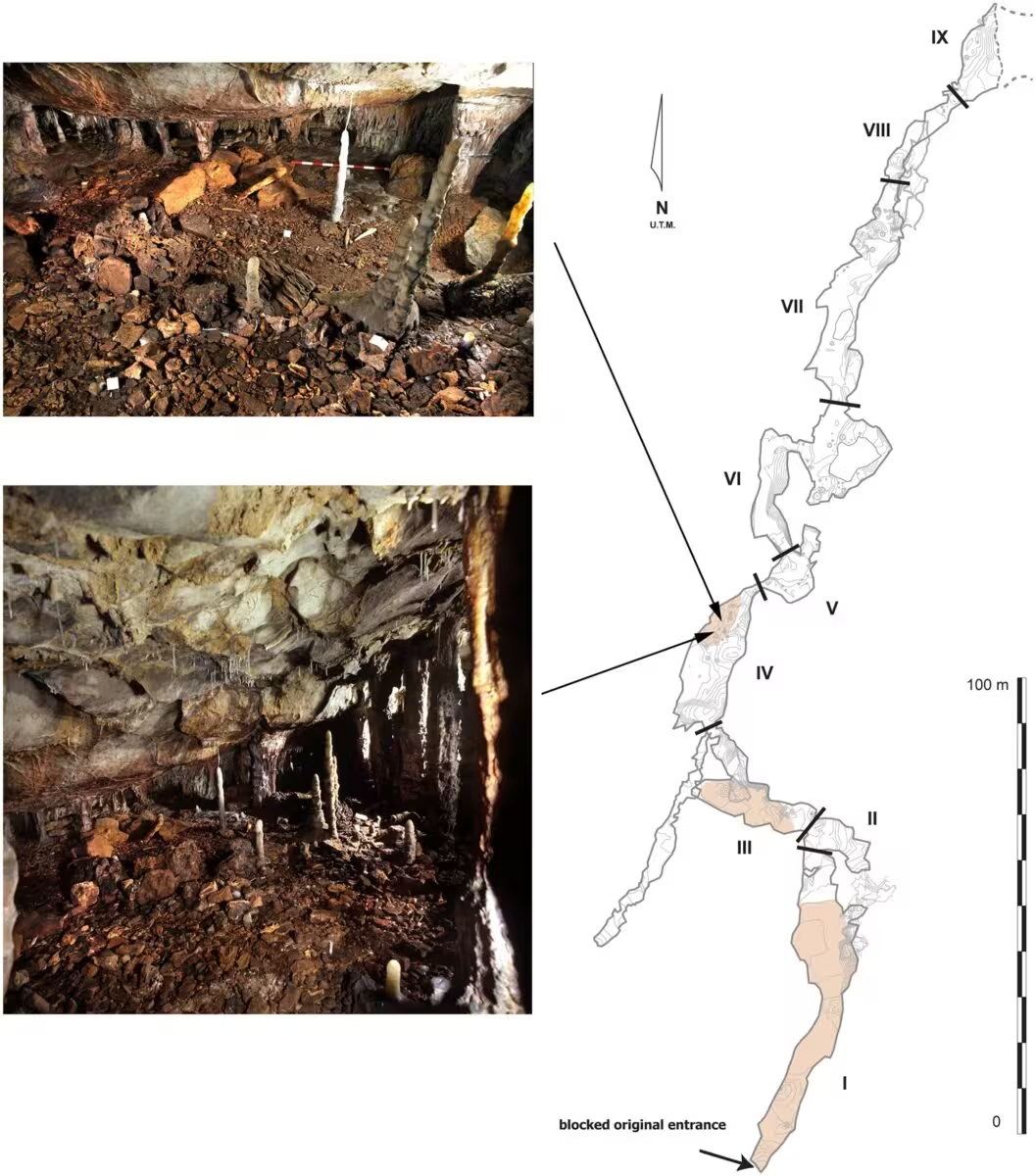
Since its initial discovery in 1995, the complex has revealed a deep, multi-layered history of human presence. While the surrounding galleries of the cave system show evidence of nearly continuous use by early humans, the specific chamber sealed by the rockfall remained entirely undisturbed for millennia, preserving the exact spatial arrangement of tools, hearths, and personal artifacts left behind by its final occupants.
A Domestic Sanctuary Revealed
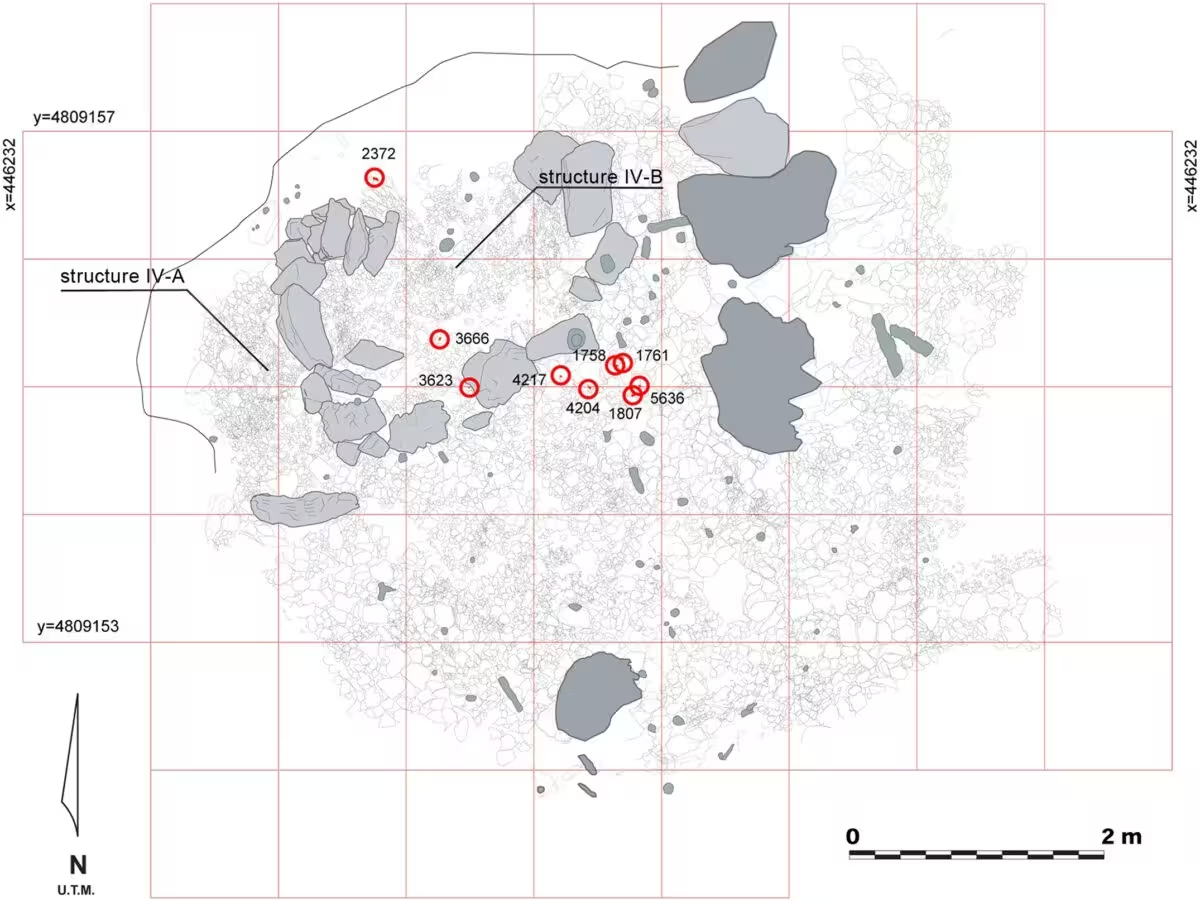
The heart of the site is an oval dwelling measuring approximately 5 square meters. Defined by a boundary of stone blocks and stalagmites, this area likely once supported a frame constructed from organic materials like hides and branches, braced against the natural contours of the cave wall. According to experts at the University of Cantabria, the central hearth remains surrounded by the domestic debris of daily life, offering a rare, authentic glimpse into the daily routines of the era.
Excavations have yielded 4,614 individual items, providing a comprehensive catalog of Paleolithic technology. The recovery includes essential implements for hide preparation, butchery, and tool manufacturing, alongside specialized equipment such as needles and early harpoon designs. Beyond utility, the site has provided significant artistic and personal artifacts, including bone pendants from bison, horses, and deer. A standout discovery is an engraved aurochs bone depicting both a human face and an aurochs; this singular artifact is considered unique in European Paleolithic research, highlighting how these ancient people perceived their own identity in relation to the megafauna they hunted.
Human Interaction with the Cave Lion
Recent research focused on faunal remains found within the cave has shifted perspectives on the extinction of the Eurasian cave lion, a species that disappeared roughly 14,000 years ago. A study published in PLOS ONE details bones bearing clear marks of human modification. These findings suggest that humans were actively hunting these apex predators, potentially for their hides, which would have been vital for insulation during the harsh, frigid conditions of the Ice Age.
“Moreover, the specimens also represent the southernmost European and the latest evidence of cave lion exploitation in Iberia. Therefore, the study seeks to provide alternative explanations for lion extinction in Eurasia and argues for a role of hunting as a factor to take into account,” the researchers wrote.
While the data from La Garma does not point to human hunting as the sole cause for the cave lion’s eventual extinction, it provides critical evidence that anthropogenic pressure was a contributing factor. These findings reinforce the idea that human activity was deeply integrated with the ecology of the Ice Age, necessitating a more nuanced view of how ancestral populations influenced their environment.
This article has been fact checked for accuracy, with information verified against reputable sources. Learn more about us and our editorial process.
Last reviewed on .
Article history
- Latest version
Reference(s)
- Cueto, Marián. “Under the Skin of a Lion: Unique Evidence of Upper Paleolithic Exploitation and Use of Cave Lion (Panthera spelaea) from the Lower Gallery of La Garma (Spain).”, vol. 11, no. 10, pp. e0163591, doi: 10.1371/journal.pone.0163591. <https://journals.plos.org/plosone/article?id=10.1371/journal.pone.0163591>.
Cite this page:
- Posted by Hassan Raza