Inside Kentucky’s 426‑mile Mammoth Cave: World’s Longest Underground Giant and New Shark Fossil
The world’s longest cave system held an unexpected secret. Explorers ventured into the darkness and discovered a surprising resident scientists never saw coming.
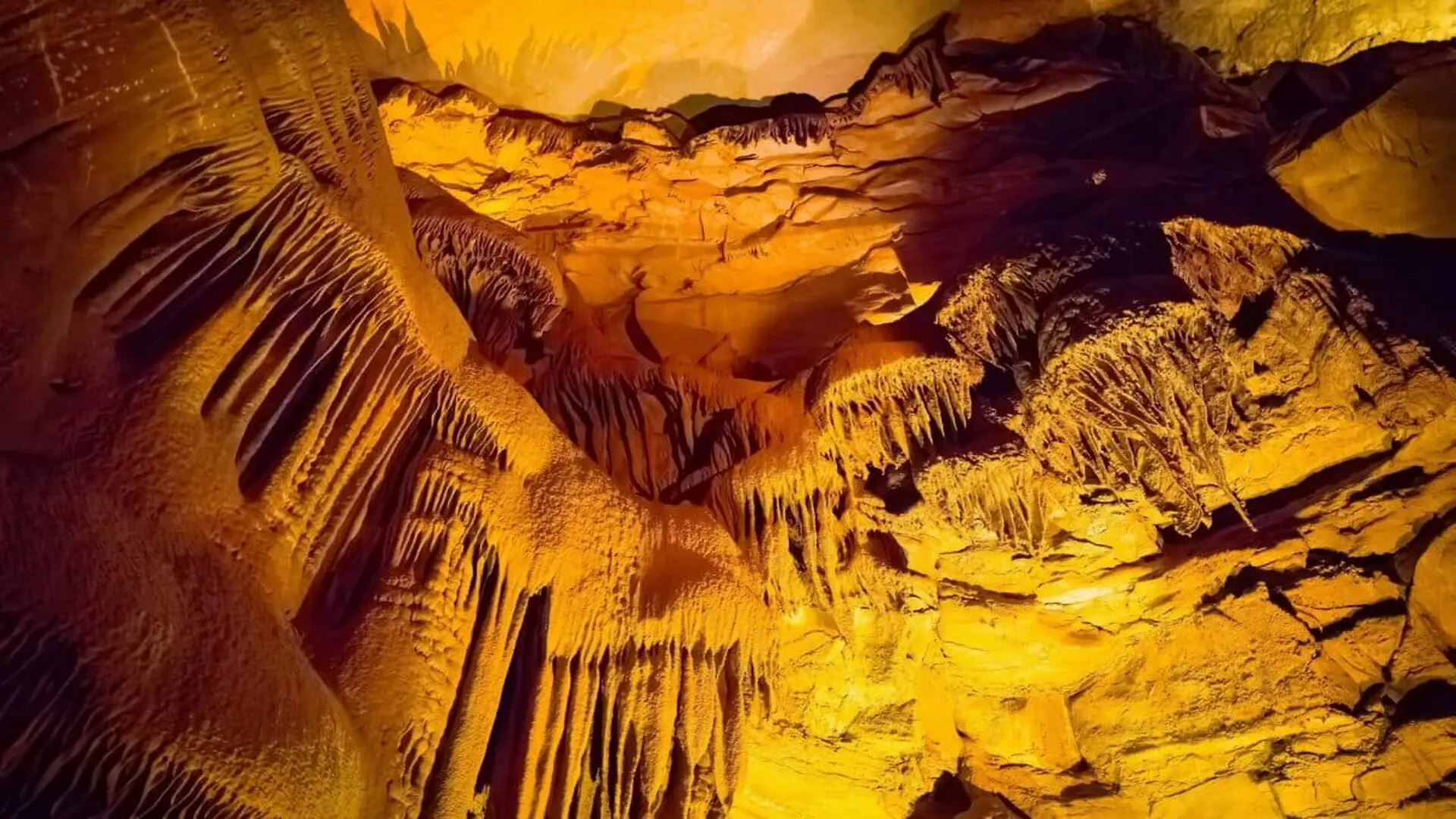
Spanning more than 686 km (426 mi) beneath Kentucky’s landscape, Mammoth Cave stands as the world’s longest mapped cave system. Its vast subterranean corridors intertwine deep‑time geology, millennia of human presence, and a uniquely adapted biosphere.
The network lies within Mammoth Cave National Park, drawing speleologists, biologists and tourists alike. Ongoing surveying work suggests that additional passages remain hidden, awaiting discovery.
International bodies recognize the site for both its geological marvels and its living diversity. In 2002, the park earned UNESCO World Heritage designation, honoring its distinctive karst formations and the myriad organisms that inhabit the underground realm.
A Subterranean Giant Still Expanding
Mammoth Cave boasts documented tunnels extending 426 mi, a length that surpasses the entire coastline of Washington state (400 km or 250 mi) as noted by Discover Wildlife. The system plunges to a depth of 118 m (379 ft) across five distinct passage levels, yet experts believe many kilometers remain unmapped.
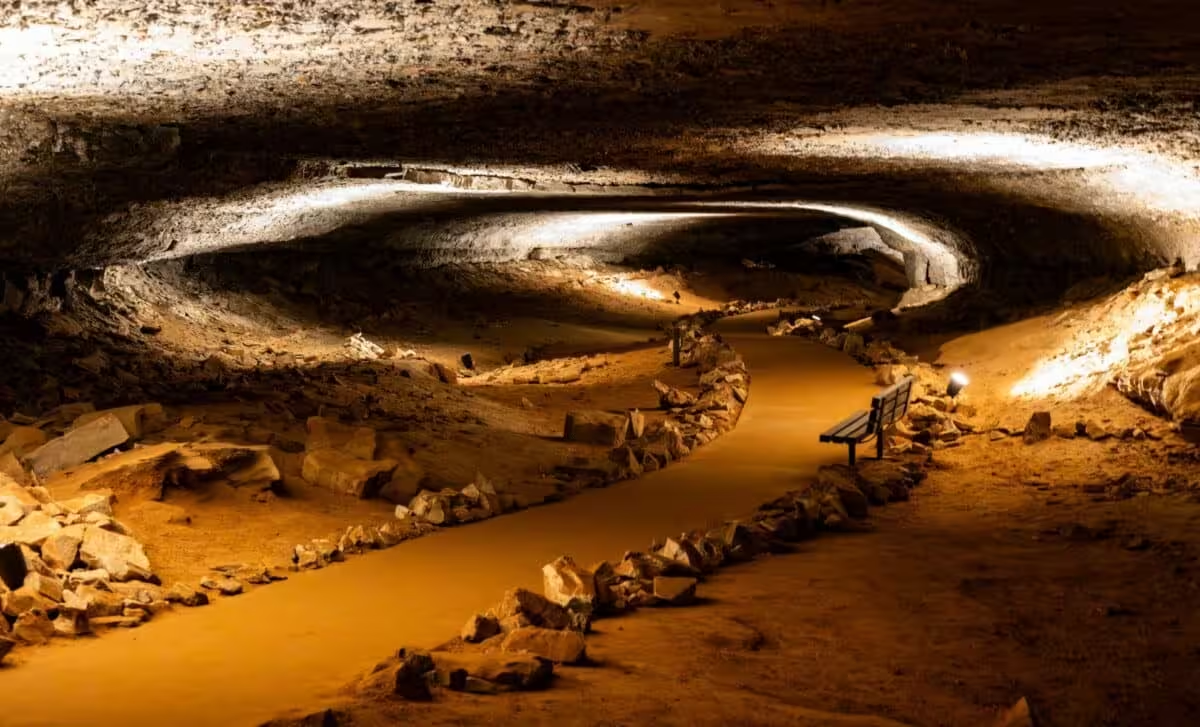
A pivotal moment arrived in 1972, when explorers linked the nearby Flint Ridge system to Mammoth Cave. After a twelve‑hour underground search on September 9, 1972, the two networks merged, creating a continuous passage of 232.39 km (144.4 mi). Subsequent expeditions have since extended the known length to today’s record‑breaking scale.
Five Millennia of Human Exploration
Long before formal surveys, Indigenous peoples entered the cavern roughly 5,000 years ago, marking it as one of North America’s earliest known sites of human activity.
The cave’s recorded history also features Stephen Bishop, an enslaved guide whose work in the 1840s produced one of the first detailed maps of the system, laying groundwork for future exploration.
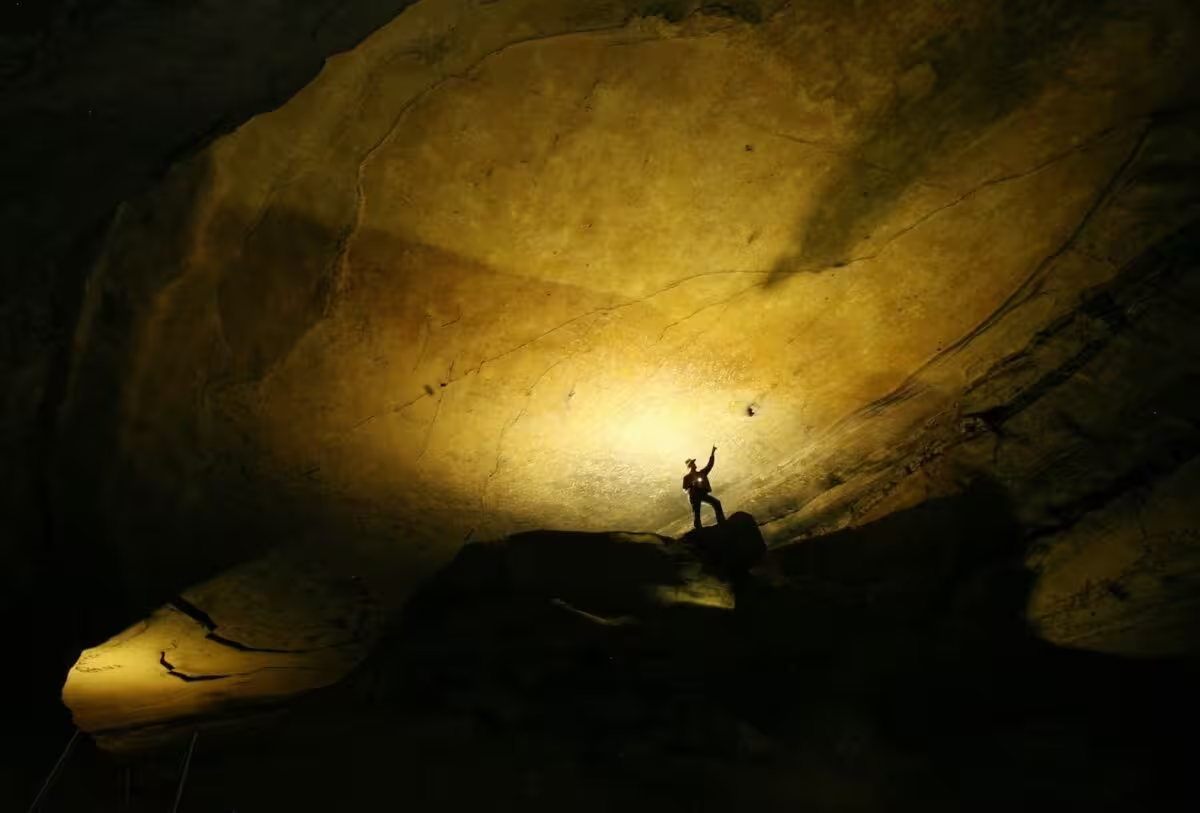
Bishop’s early cartography helped subsequent generations navigate the maze, gradually revealing the extensive network that now stretches beneath Kentucky.
A Hidden World of Cave‑Adapted Life
Beyond its geological fame, Mammoth Cave hosts a vibrant subterranean ecosystem. Species such as cave crickets, fishing spiders, Allegheny woodrats and Rafinesque’s big‑eared bats thrive in the darkness.
Fishing spiders are especially notable for capturing aquatic prey within the cave’s watercourses, which also shelter the southern and northern cave fish—organisms that spend their entire lives underground. A singular beetle species, documented only in this region and adjacent caves, adds to the biological uniqueness.
Scientists have cataloged roughly 130 species within the cave, underscoring its role as a biodiversity hotspot. Surface habitats in the surrounding park support iconic fauna such as white‑tailed deer, red‑tailed hawks, bald eagles and eastern copperhead snakes.
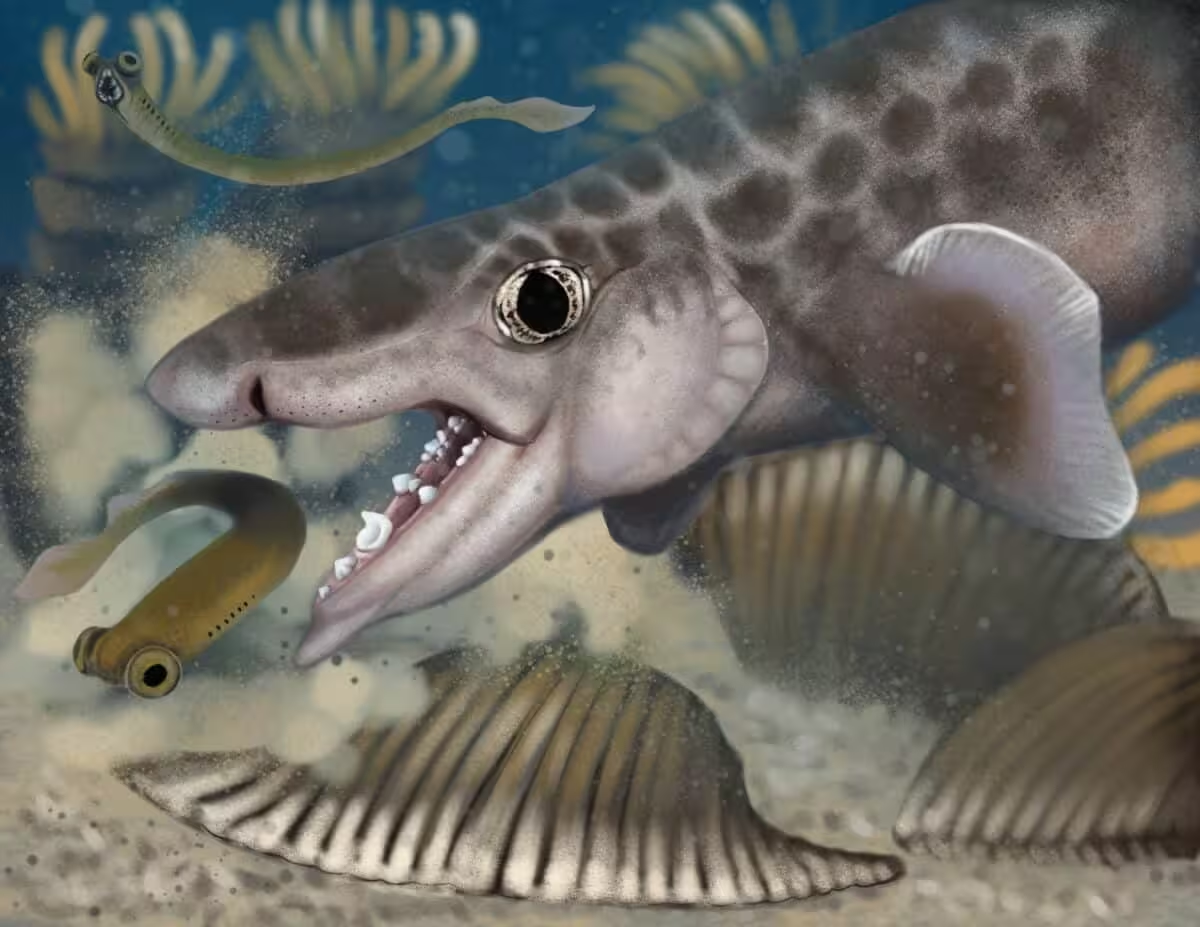
Research continues to yield surprises. According to a National Park Service release, a fossil unearthed in the park led to the identification of a previously unknown ancient shark, Macadens olsoni, in 2025.
This article has been fact checked for accuracy, with information verified against reputable sources. Learn more about us and our editorial process.
Last reviewed on .
Article history
- Latest version
Reference(s)
- “Mammoth Cave National Park (U.S. National Park Service).” <https://www.nps.gov/maca/>.
- Ellis, Sophie. “There’s a cave in Kentucky that’s 426 miles long – and fish-eating spiders lurk in it.”, March 10, 2026 Discover Wildlife <https://www.discoverwildlife.com/environment/mammoth-cave>.
- “Exploring the World's Longest Known Cave (U.S. National Park Service).” <https://www.nps.gov/articles/000/exploring-the-worlds-longest-known-cave.htm>.
- “Stephen Bishop (U.S. National Park Service).” <https://www.nps.gov/people/stephen-bishop.htm>.
- “Mammoth Cave National Park Discovers Another New Species of Ancient Shark - Mammoth Cave National Park (U.S. National Park Service).” <https://www.nps.gov/maca/learn/news/mammoth-cave-national-park-discovers-another-new-species-of-ancient-shark.htm>.
Cite this page:
- Posted by Hassan Raza