Scientists Just Discovered a Previously Unknown Dinosaur That Lived Alongside Patagonia’s Giant Predators 70 Million Years Ago
Newly discovered Patagonian dinosaur fossils reveal a previously unknown prehistoric giant in fossil-rich rocks
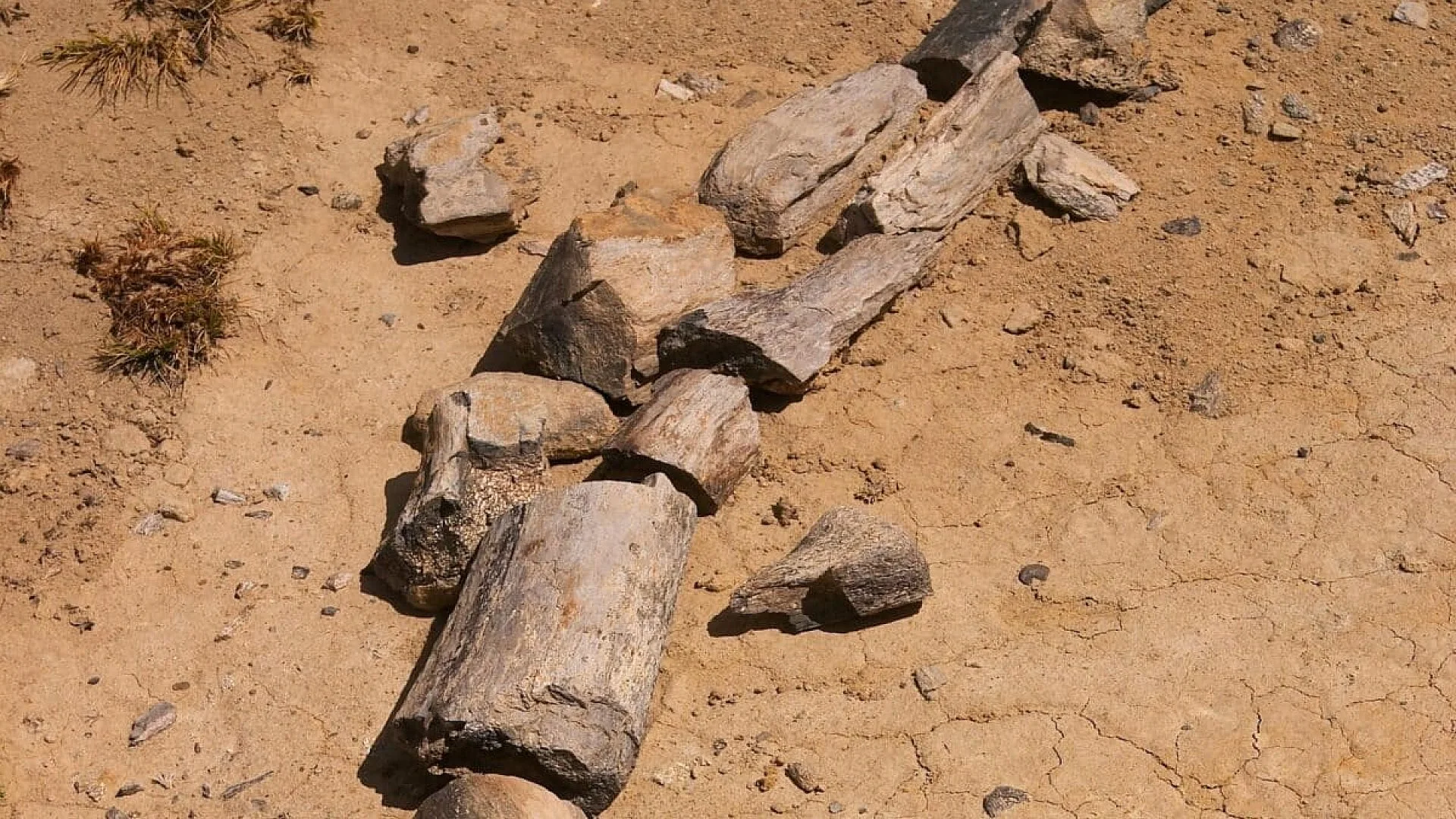
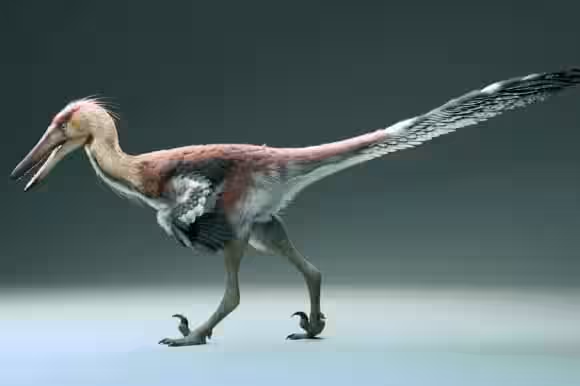
A recently uncovered theropod from the Patagonian region is reshaping our view of a little‑known group of predatory dinosaurs that roamed the Earth close to the end of the Cretaceous. The species, dubbed Kank australis, shows anatomical traits that hint at a lifestyle centered on rivers and ponds, and several skeletal details suggest it may have specialised in catching fish.
The fossils were recovered in southern Argentina and belong to a feathered carnivore that shares a close evolutionary relationship with the iconic Velociraptor. This discovery plugs a conspicuous gap in the Late Cretaceous record and adds weight to the idea that some members of this lineage occupied ecological roles distinct from the classic land‑based raptors.
Sediments from the Chorrillo Formation, near the town of El Calafate in Santa Cruz Province, yielded the remains. Researchers place Kank australis at roughly 70 million years old, a time when the landscape was sculpted by meandering rivers, intermittent streams, and seasonal wetlands.
A Fresh Insight into an Elusive Theropod Lineage
Kank australis measured between 2.5 and 3 metres (8.2–9.8 feet) in length, making it considerably smaller than many of its contemporaries. The material includes teeth, vertebrae and toe bones that together provide a clear picture of its anatomy.
In a paper appearing in Journal of Vertebrate Paleontology, the authors note that most well‑documented unenlagiid fossils—bird‑like theropods—have emerged from the Neuquén Basin in northern Patagonia.
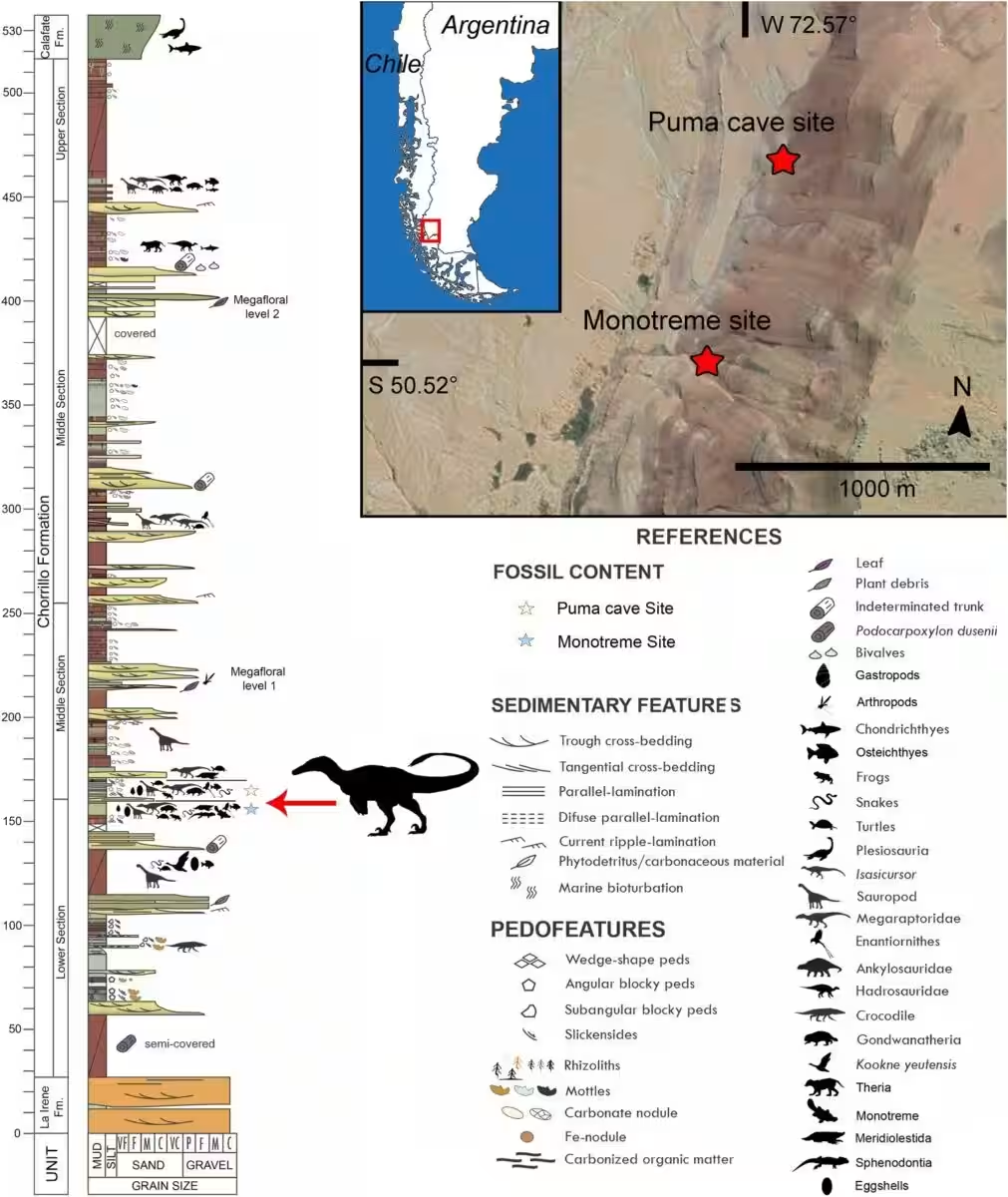
At least eight species have been described from Cenomanian‑ to Santonian‑aged rocks, while Austroraptor cabazai remained the sole unenlagiid known from Maastrichtian deposits until now.
“Kank australis bridges a geographic gap for late‑Cretaceous southern Patagonia, linking the northern Patagonian and Antarctic records and showing that this family spread across a broad range of South American latitudes,” the authors explained.
Decades of Fieldwork Yielded the Specimen
The path to naming the new dinosaur was anything but swift. The first fragmentary bones emerged in 2018 during an excavation on the La Anita farm, a site that has recently produced a diverse assemblage of plant and animal fossils.
Initial finds were too incomplete to determine whether they represented a known species or an entirely new form. Subsequent seasons of digging gradually added missing pieces to the puzzle.
Dr. Matías Motta of the Bernardino Rivadavia Natural Sciences Museum highlighted a cervical vertebra uncovered in 2024 as the decisive element. That bone supplied the critical anatomical details needed to recognize a previously undocumented unenlagiid.
Paleoenvironmental evidence points to a wetland setting populated by water lilies, fish, insects and various mollusks—an abundant food web that could sustain a mid‑sized predator.
Adaptations Point Toward a Piscivorous Lifestyle
The shape of the cervical vertebrae in Kank australis includes specialised muscle‑attachment sites and protective structures for neck blood vessels, features also seen in modern birds capable of swift, flexible neck movements such as herons.
“These traits suggest Kank australis may have been an active fisherman, contrasting with the typical image of raptors as fast‑moving terrestrial hunters like the northern‑hemisphere Velociraptor,” the team argued.
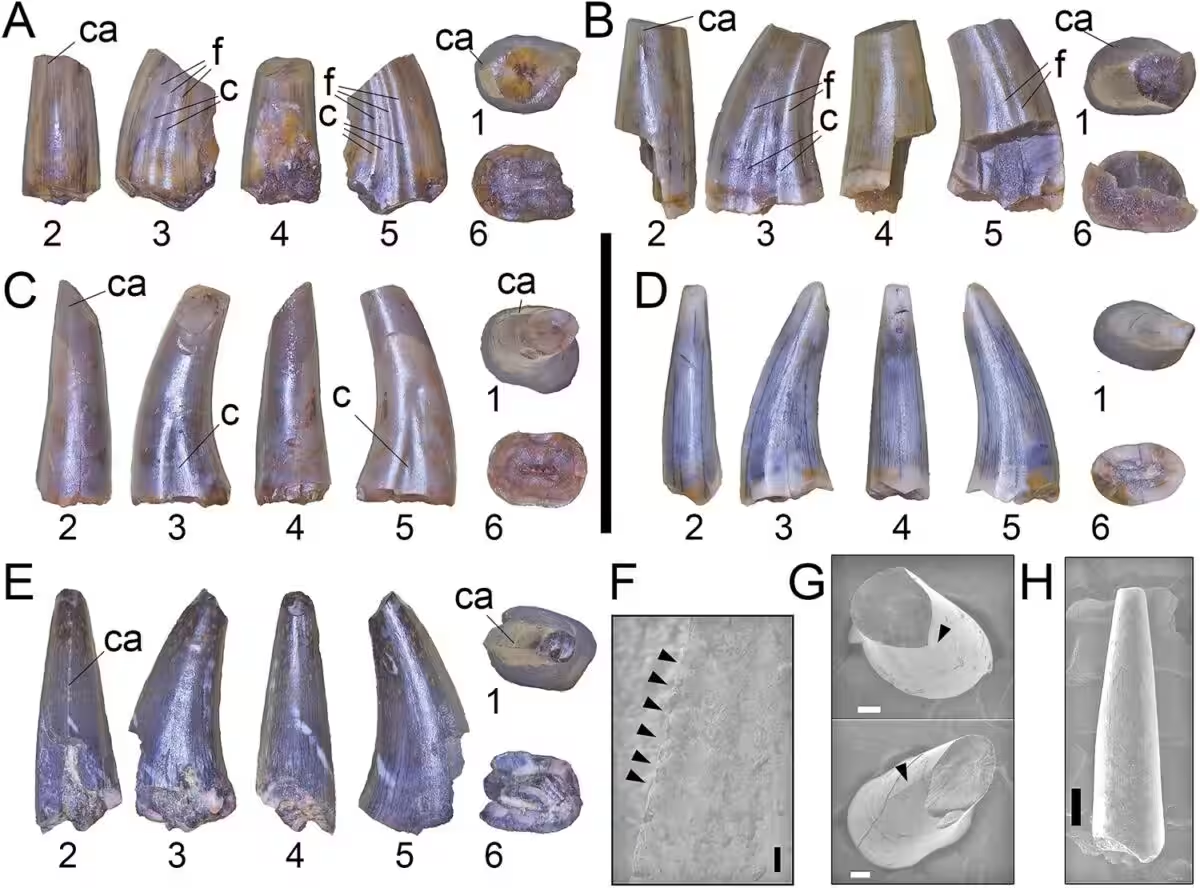
Kank australis possessed sharply ridged teeth and highly pneumatic cervical vertebrae packed with air chambers. The presence of fish fossils alongside its remains further bolsters the fishing hypothesis.
The ecosystem also hosted amphibians, lizards, turtles and mammals such as Patagorhynchus pascuali, as well as the giant megaraptorid Maip macrothorax, a predator exceeding 10 metres (33 feet) in length.
This article has been fact checked for accuracy, with information verified against reputable sources. Learn more about us and our editorial process.
Last reviewed on .
Article history
- Latest version
Reference(s)
- Motta, Matías J.., et al. “New unenlagiid from the Chorrillo Formation (Late Cretaceous, Maastrichtian), SW Patagonia, Argentina.” Journal of Vertebrate Paleontology, May 28, 2026 Informa UK Limited, doi: 10.1080/02724634.2026.2656456. <https://www.tandfonline.com/doi/full/10.1080/02724634.2026.2656456>.
- <https://www.researchgate.net/profile/Matias-Motta-2>.
Cite this page:
- Posted by Hassan Raza