Hidden in Wall Crevices, Scientists Discover a Tiny Spider That Hunts Prey 6 Times Its Size
Nestled within the crevices of ordinary walls, scientists have stumbled upon a minute arachnid possessing capabilities that appear disproportionately impressive for its diminutive stature.
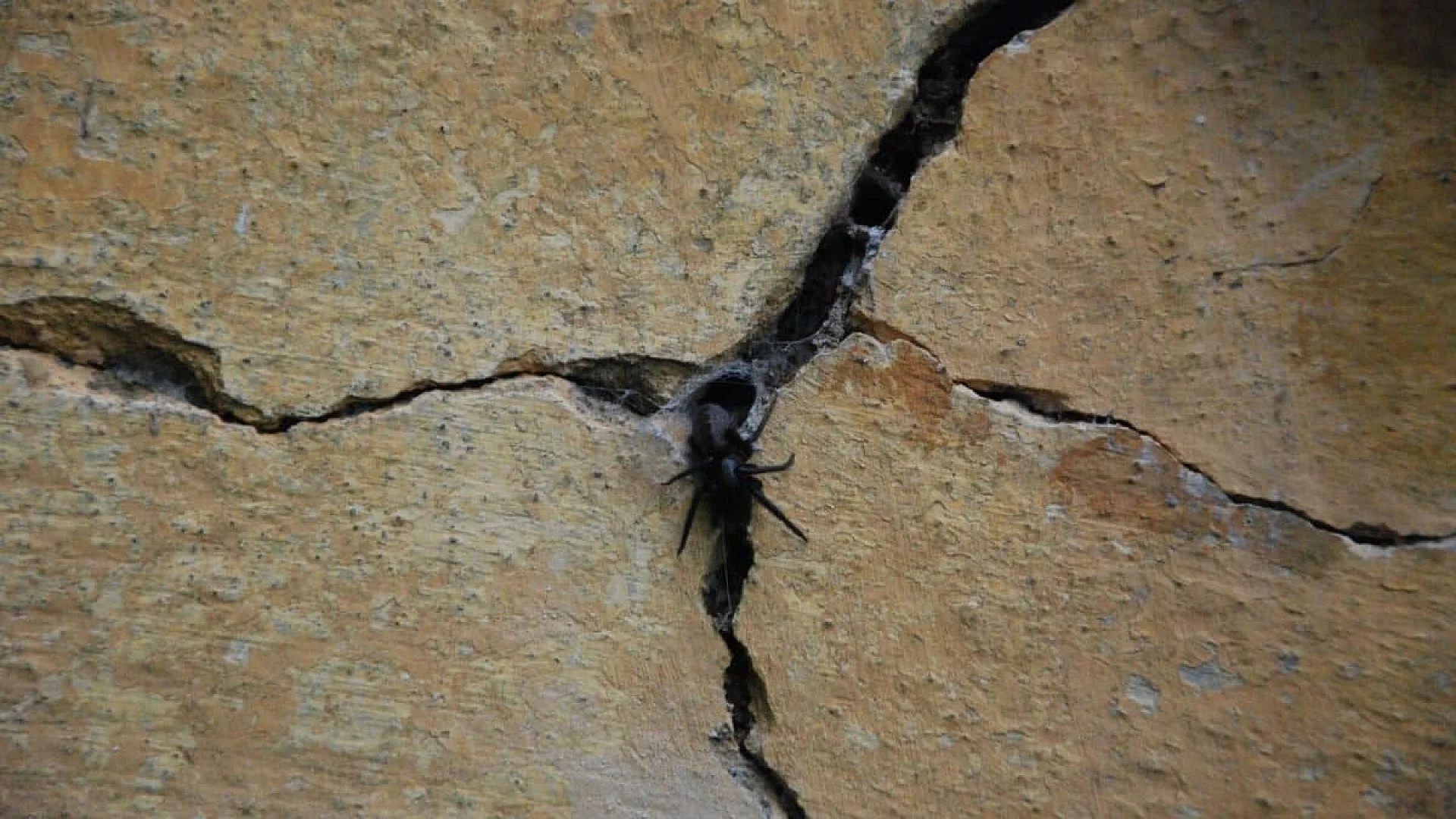
The Unassuming Hero of the Urban Jungle: Meet Pikelinia floydmuraria
Deep within the crevices of city walls, a tiny but formidable hunter has been making waves in the scientific community. Pikelinia floydmuraria, a newly identified species of spider, has left researchers in awe with its impressive ability to capture prey up to six times its own size, all while living in a space as small as a few millimeters.
Discovered by a team of researchers from South American institutions, this remarkable spider has shed new light on the still-mysterious Pikelinia genus. Its name, a nod to the iconic rock band Pink Floyd and its tendency to live in walls, is a testament to the unique bond between its biology and environment.
By preying on insects like mosquitoes and flies, Pikelinia floydmuraria may hold the key to regulating populations that plague urban dwellers. While its presence may go unnoticed, this tiny hunter’s impact could be significant, making it a fascinating subject for further study.
A Name That Echoes Music and Architecture
The name Pikelinia floydmuraria is a masterful blend of scientific description and cultural reference. The term “muraria,” derived from Latin, highlights the spider’s affinity for living in walls, while “floyd” pays homage to the legendary British rock band Pink Floyd, whose iconic album “The Wall” serves as a subtle inspiration.
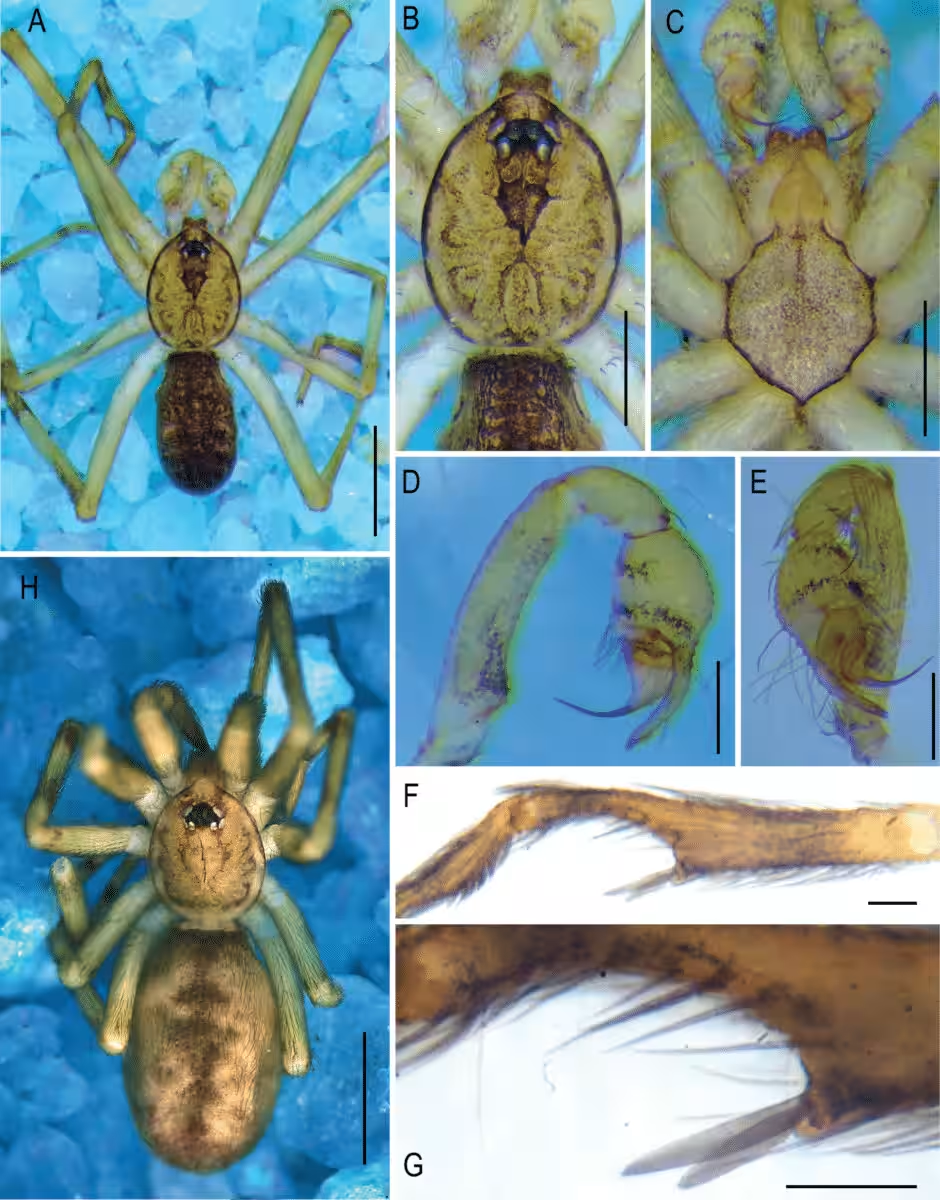
According to a study published in Zoosystematics and Evolution, the species was identified through a meticulous examination of specimens collected in urban areas. The researchers’ findings have sparked a renewed interest in the ecology and biology of this enigmatic genus.
“Despite recent taxonomic advances, the ecology and biology of this group remain poorly understood. A study conducted in southern Brazil provided some preliminary insights into the ecology and phenology of one species; however, much remains to be explored,” said the authors.
A Tiny but Mighty Hunter
Despite its diminutive size, Pikelinia floydmuraria has proven to be a formidable hunter, capable of capturing prey much larger than itself. Researchers have observed it snatching ants, sometimes up to six times its own body size, a feat that is not typically expected from a spider of its size.
Its diet consists of insects from various groups, including Hymenoptera (ants), Diptera (flies and mosquitoes), and Coleoptera (beetles). Similar feeding habits have been observed in a related population in Armenia, Colombia, suggesting that this behavior may be typical for the genus.

The Secret to Its Success
One of the key factors behind Pikelinia floydmuraria’s success is its ability to build its web near artificial lights, where insects are more likely to congregate. This strategy takes advantage of the natural attraction insects have to light, making the spider’s hunting more efficient.
According to the researchers, this behavior is not unique to Pikelinia floydmuraria, as similar feeding habits have been observed in a related species from the Galápagos Islands. Further study is needed to clarify the relationship between these species and their shared environmental pressures.

As researchers continue to unravel the mysteries of Pikelinia floydmuraria, one thing is clear: this tiny spider is a force to be reckoned with in the urban jungle.
This article has been fact checked for accuracy, with information verified against reputable sources. Learn more about us and our editorial process.
Last reviewed on .
Article history
- Latest version
Reference(s)
- Villarreal, Osvaldo. “Another web in the wall: A new Pikelinia Mello-Leitão, 1946 (Araneae, Filistatidae) from Colombia, with notes on its diet and description of the female genitalia of P. fasciata (Banks, 1902).”, vol. 102, no. 1, February 18, 2026, pp. 357-366. Pensoft Publishers, doi: PropertyValue. <https://zse.pensoft.net/article/175423/>.
Cite this page:
- Posted by Hassan Raza